REVIEW · HAMBURG
Hamburg: Downtown, Alster & Creative Neighborhoods by Bike
Book on GetYourGuide →Operated by Kaupert-Hamburg-Radtour.de · Bookable on GetYourGuide
Hamburg by bike is the fastest way to feel its contrasts. I love how this route pairs Sternschanze’s alternative edge with the polished scenery around Alster Lake, and you get stories that connect streetlife, music, pubs, and even the shopping energy. One trade-off: it’s very much a city-moving tour, so if you want slow wandering and long museum stops, you may feel rushed.
One more practical point: the group is capped at 12, which keeps things personal, but it also means your guide’s language skills matter. The tour is offered in English and German, yet I’d still double-check that you’re truly set for English if that’s your main comfort zone.
In This Review
- Key takeaways before you pedal off
- Why a bike tour is the right way to read Hamburg
- Starting at Schlüterstraße 11 and getting rolling near the University
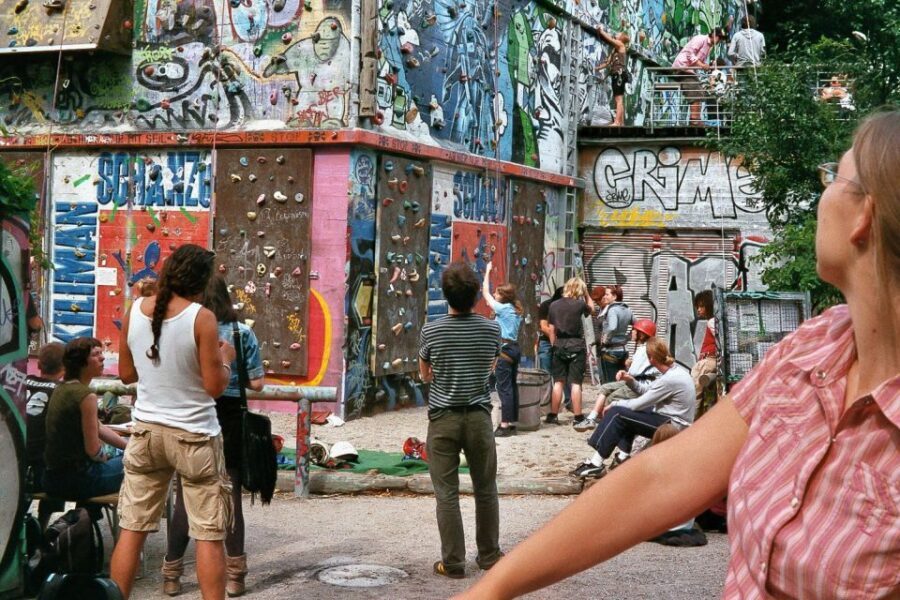
- Sternschanze, Schröderstift, and Sternschanzenpark: the alternative-to-park shift
- Karolinenviertel: quick photo stop, big atmosphere
- St. Pauli and Hafenstraße: streetlife, pubs, and the Portuguese Quarter
- Neustadt for sightseeing time and shopping energy
- Along the Inner Alster Lake: boutiques, villas, parks, and the Lombard Bridge
- Kontorhaus district (1920s) and Hammerbrook’s Münzviertel
- St. Georg: multicultural life and a smooth return to the finish
- Price and value: is $43 worth a 210-minute city ride?
- Who this Hamburg bike tour suits best
- Rain plan: what happens when the weather turns
- The guide factor: what you can expect from Bernd-led tours
- Should you book this Hamburg: Downtown, Alster & Creative Neighborhoods by Bike?
- FAQ
- Where does the tour start?
- How long is the bike tour?
- What times does the tour run?
- How big is the group?
- What languages are offered?
- Is bicycle rental included?
- What happens if it rains?
- Can I cancel for a full refund?
Key takeaways before you pedal off
- Alster Lake focus: boutiques, villas, parks, and lifestyle scenes on a clear loop around the water
- Sternschanze + Schröderstift: historical streets mixed with today’s alternative culture and parks
- St. Pauli route with Hafenstraße: Portugal Quarter vibes and hands-on city stories
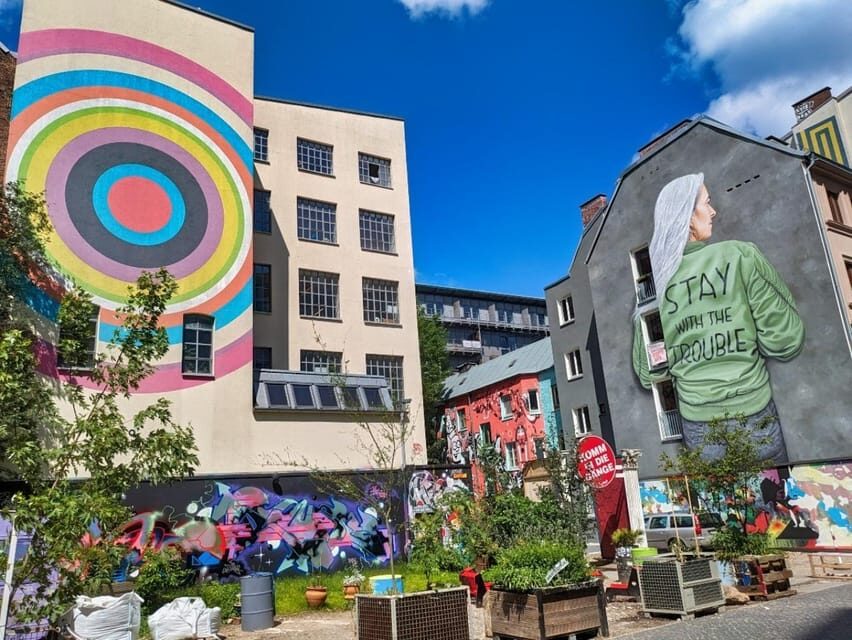
- Komm in de Gänge: you’ll pass the artist cooperative that signals Hamburg’s creative side
- Kontorhaus district + Münzviertel: a look at 1920s office architecture and socially responsible city use
- St. Georg finish: multicultural life, plus consulates and rowing-club scenery near the Inner Alster
Why a bike tour is the right way to read Hamburg
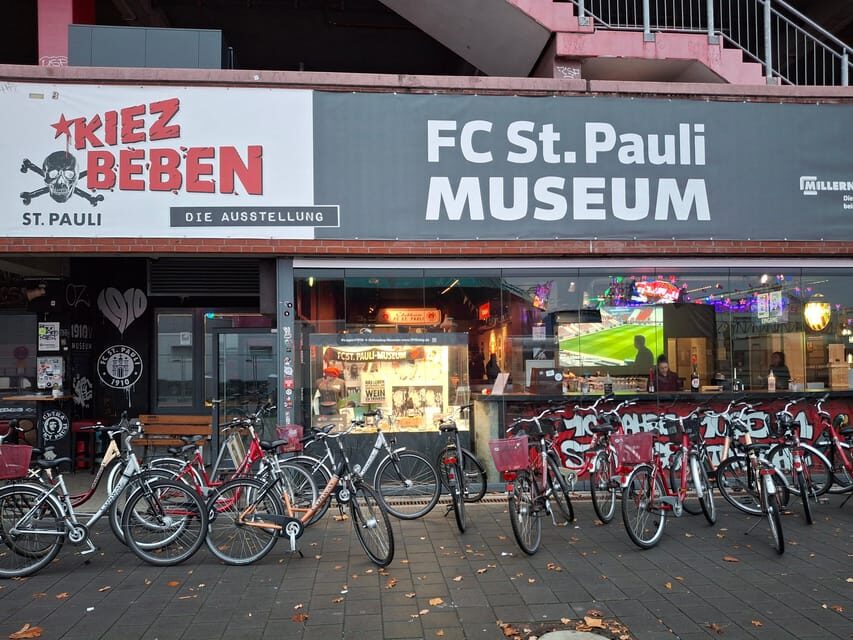
Hamburg can feel split in two if you only see the big landmarks. This tour keeps you moving through neighborhoods that show different social moods: well-heeled streets near the water, then side streets where artists, music, and late-night life shape the atmosphere. Riding your own bike means you notice the scale of streets and the texture of everyday life, not just what a postcard shows.
What I like most is that the ride doesn’t treat the city like a theme park. You’re not just ticking off sights. You’re getting the “why” behind the contrasts—how architecture, nightlife, and even shopping culture fit into the city’s bigger story.
Other Alster Lake cruises and tours in Hamburg


Starting at Schlüterstraße 11 and getting rolling near the University
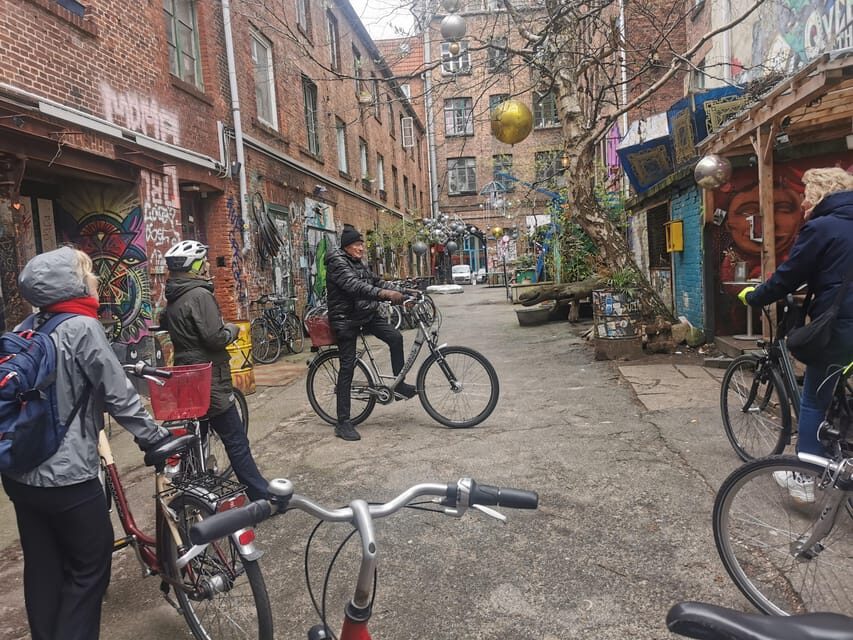
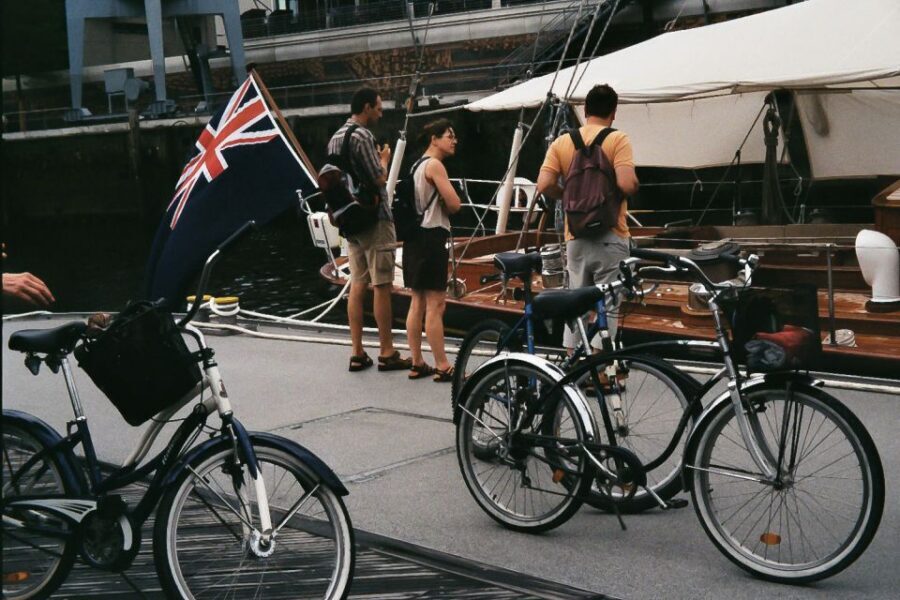
You’ll meet at Schlüterstraße 11, outside the Fahrradstation (bike station) of the University of Hamburg area. That setup is handy because it’s easy to find, and it puts you close to the start of the action.
After you choose your bike, the tour heads toward Dammtor, only about 10 minutes from the bike shop. The early momentum matters here. You start with enough time to get comfortable on the bike, then you’re ready for neighborhood changes rather than stuck warming up for half the tour.
Bike tip: wear something you can move in. Hamburg can have cool wind off the water even on mild days, and you’ll likely get a little sweaty once you start making steady progress.
Sternschanze, Schröderstift, and Sternschanzenpark: the alternative-to-park shift
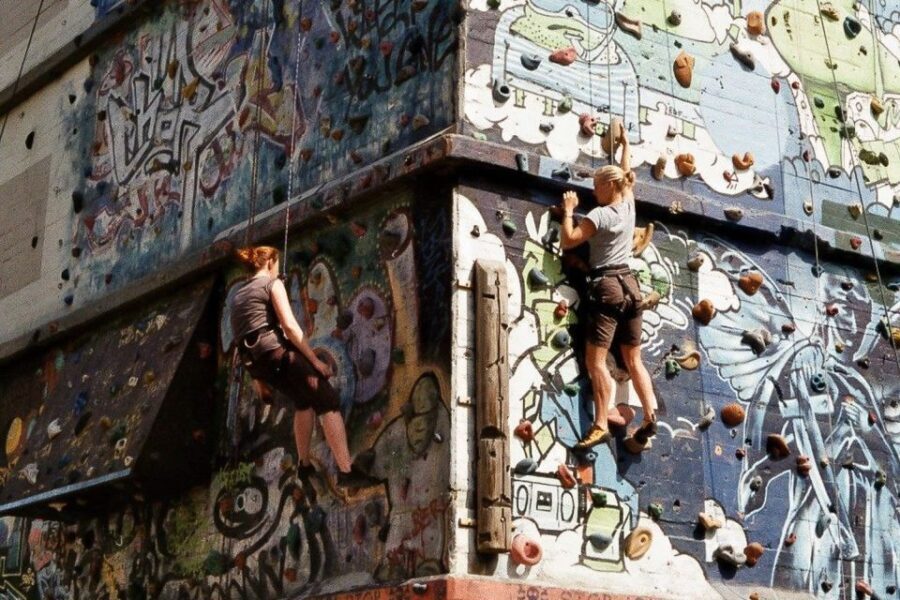
The route begins with Sternschanze, with a photo stop and guided talk as you roll through. Sternschanze is the kind of place where the city seems to have two personalities: a recognizable “Hamburg” rhythm, plus the creative, alternative energy that shows up in how people use space.
Then you pass through the historical neighborhood of Schröderstift and into Sternschanzenpark. That combo is more than scenery. It’s a small lesson in how old and new coexist: you see heritage streets, then you hit open green space that’s part of daily life, not just a pretty break.
Why it’s worth it: you’re learning how Hamburg’s identity isn’t frozen. It’s negotiated block by block—sometimes in public parks, sometimes on street corners where people hang out in a very non-touristy way.
Karolinenviertel: quick photo stop, big atmosphere
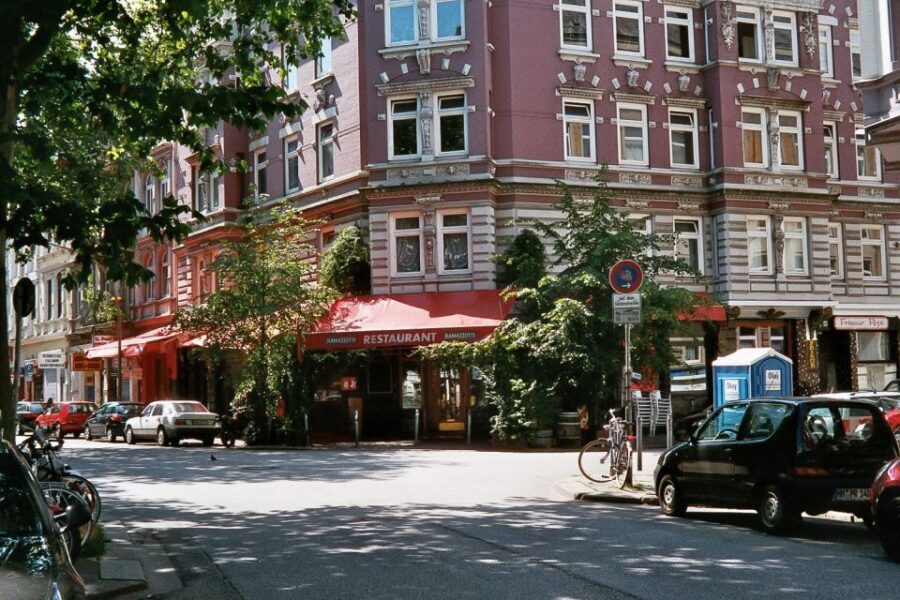
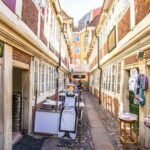
Next comes Karolinenviertel, again with a photo stop and guided tour time. This is the zone where the city starts to feel more “lived-in,” with lots of storefront energy and street-level activity.
It doesn’t sound like much on paper—just a short moment—yet that’s part of the value. You’re not trying to tour the whole district. You’re learning where to look, what to notice, and how to read the vibe of the streets as you move.
If you like architecture and streetlife equally, you’ll probably enjoy how the guide ties small observations to larger patterns.
St. Pauli and Hafenstraße: streetlife, pubs, and the Portuguese Quarter
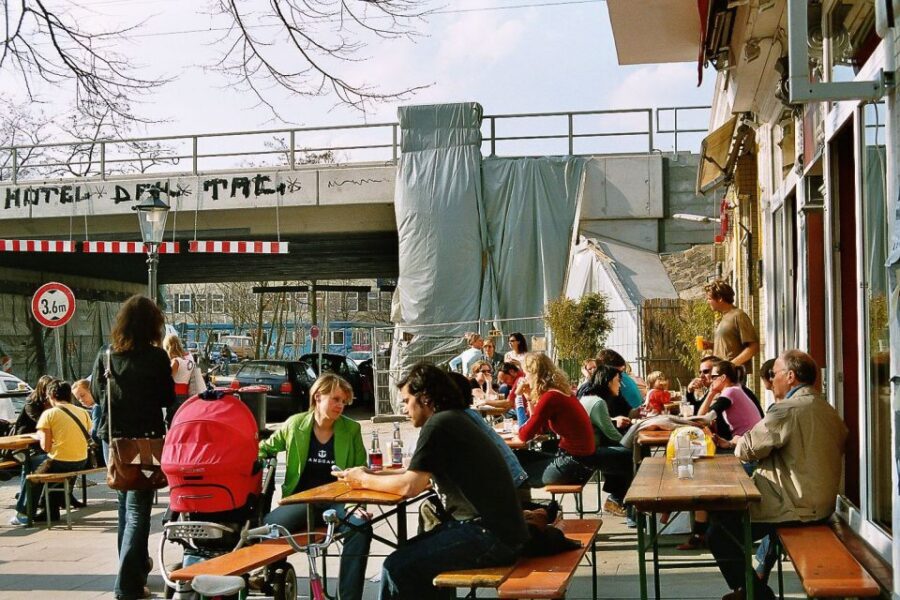
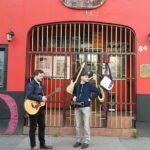
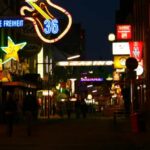
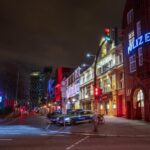
St. Pauli is where Hamburg’s reputation becomes real. You ride along Hafenstraße in the St. Pauli area, with a strong streetlife focus that includes music and pubs. This section also includes the Portuguese Quarter as you head toward Neustadt.
A practical benefit of this ride is that it keeps the neighborhoods connected. You’re not hopping on and off transit or walking long distances between “separate” attractions. Instead, you travel through the zones where culture overlaps.
You’ll also pass the area connected to the artist cooperative Komm in de Gänge. The point of that stop isn’t to send you on a scavenger hunt. It’s to show you how creative groups can shape public space and community identity.
A small caution: St. Pauli is known for a nightlife feel, so the vibe can be lively even during daytime. If you prefer quiet streets, you might want to keep your expectations flexible.
Other bike and cycling tours in Hamburg


Neustadt for sightseeing time and shopping energy
When you reach Neustadt, you get about a 30-minute stop for sightseeing and a visit. This is your chance to slow down a bit, look around, and connect what you’ve heard to what you’re seeing at street level.
One of the themes you’re building toward is Hamburg’s “crazy shopping” energy. Neustadt helps explain why shopping isn’t just a retail task here—it’s part of how people socialize and how the city signals status, style, and taste.
How to use the time well: don’t rush your photos. Take a few minutes to scan storefronts and street layout. You’ll notice why this part of Hamburg feels more refined and ordered than the alternative-focused areas you’ve ridden through.
Along the Inner Alster Lake: boutiques, villas, parks, and the Lombard Bridge
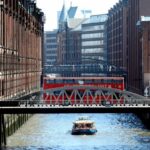
Then the route swings toward the Inner Alster Lake under the Lombard Bridge. This is one of the tour’s most scenic stretches—pocket parks, lifestyle views, and the more polished face of the city.
You’ll see a mix of boutiques, villas, and parks, and you’ll also notice the Lombard Bridge area with its campers. That detail matters because it’s not the typical tourist version of the Alster. It’s a snapshot of how the city’s public spaces get used in real life.
After that, you’ll keep going past rowing clubs and toward consulates. The ride makes sense here: water scenes first, then you transition to institutions that reflect Hamburg’s role as a global city.
Why it feels real: being on a bike lets you keep your eyes up. You’re not just staring at buildings. You’re tracking how people move along the waterfront and how the city’s “official” side sits next to everyday recreation.
Kontorhaus district (1920s) and Hammerbrook’s Münzviertel
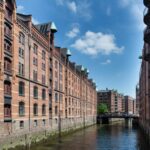
Next, you’ll visit the Kontorhaus district from the 1920s. Kontorhaus districts are all about office architecture—buildings designed for commerce and administration. On a bike, you can see how the streets support that work-day geometry.
Then you move to the Münzviertel in Hammerbrook, described as a representative case for discussing socially responsible city use. In plain terms: this part helps you understand that city planning isn’t only about aesthetics. It’s about how people live, how neighborhoods evolve, and who benefits from urban decisions.
What to listen for: when the guide links architecture to social patterns, it changes how you see the streets. Suddenly it’s not just “pretty buildings.” It’s housing, access, and how the city balances different needs.
St. Georg: multicultural life and a smooth return to the finish
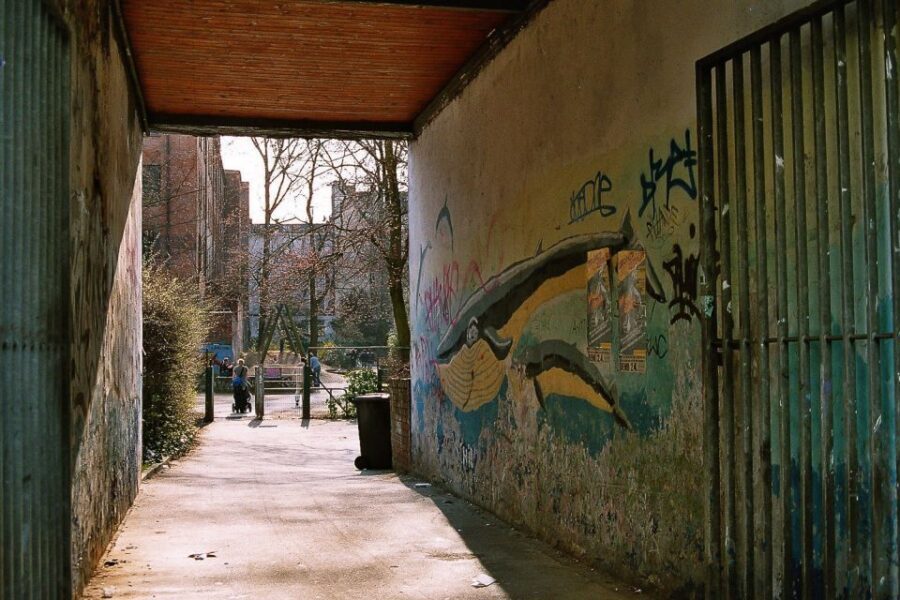
The tour continues on to St. Georg, where you’ll see contrasts again, this time through the lens of multicultural life. St. Georg tends to feel like a crossroads area, and the ride helps you understand Hamburg as a city of many communities rather than one single identity.
From there you’ll get more Inner Alster Lake scenes, plus rowing clubs and consulates as you work your way back. The endpoint is the bike station at Schlüterstraße 11.
If you’ve been paying attention, the last stretch becomes a reward. You start recognizing repeating motifs: water access, street-level density, and the way different neighborhoods “bleed” into each other through main roads and quieter side streets.
Price and value: is $43 worth a 210-minute city ride?
At about $43 per person for roughly 210 minutes, you’re paying for a short, guided ride across multiple neighborhood identities, with more than just a quick look at famous sights.
You get:
- bicycle rental
- tour guide
- a city map
- alternatives during bad weather
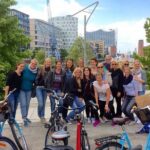
That combination is the core value. The bike rental alone can easily erase some of the cost, and the guide turns the route from transport into interpretation. Plus, the small group size (12 participants max) helps the experience stay personal instead of turning into a noisy conga line.
I’d call it good value if you want an orientation tour that also tells stories. If you want long stops and deep museum time, you’ll likely feel happier adding separate time elsewhere.
Who this Hamburg bike tour suits best
This is a great fit if you:
- like learning how neighborhoods work, not only what’s there
- enjoy mixing “official” city views with streetlife and creative culture
- feel comfortable riding a bike around city streets for about 3.5 hours
- want an efficient way to see Alster Lake and inner districts in one go
It’s less ideal if you:
- have mobility limitations that make cycling hard
- hate any chance of active street riding
- prefer slow sightseeing with long breaks
Rain plan: what happens when the weather turns
If it rains, the tour uses a replacement program without bikes, with public transport instead. That’s important in Hamburg, because getting stuck indoors for hours would be the worst-case scenario.
In other words: you won’t automatically lose the tour idea. You shift modes and keep moving through the city.
The guide factor: what you can expect from Bernd-led tours
The guide can make or break a city-tour ride. In recent experiences I’m aware of, Bernd stood out for bringing a lot of small stories to less-known places and keeping the pace fun for small groups.
One caution from experience: even when a tour is listed as English, your best outcome depends on the guide’s comfort level that day. If English is non-negotiable for you, it’s worth confirming your departure language ahead of time.
Should you book this Hamburg: Downtown, Alster & Creative Neighborhoods by Bike?
If you want a practical, story-led introduction to Hamburg, I’d book it. The route is built around contrasts you can actually feel from the saddle—alternative culture in Sternschanze and St. Pauli, then the polished calm of Inner Alster, then the institutional and planning lessons near Kontorhaus and Hammerbrook.
I’d only skip if you’re the type who needs lots of quiet time, or if language is a big risk for you. Otherwise, this is a smart way to get oriented and leave with a clearer sense of how Hamburg fits together.
FAQ
Where does the tour start?
You meet outside the Fahrradstation (bike station) of the University of Hamburg, and the route is listed with the starting address Schlüterstraße 11.
How long is the bike tour?
The duration is 210 minutes (about 3.5 hours).
What times does the tour run?
It runs daily at 10:00 and at 14:00 on booking.
How big is the group?
The group size is limited to 12 participants.
What languages are offered?
The live tour guide is available in English and German.
Is bicycle rental included?
Yes. Bicycle rental is included in the price.
What happens if it rains?
In case of rain, there is a replacement program without a bike, using public transport.
Can I cancel for a full refund?
Yes. You can cancel up to 24 hours in advance for a full refund.