REVIEW · HAMBURG
Hamburg: St. Pauli Walking Tour with Live Music
Book on GetYourGuide →Operated by Stattreisen Hamburg e.V. · Bookable on GetYourGuide
Follow the songs of St. Pauli on foot. I love the combo of live music plus a real guide’s storytelling, and I also like how the walk ties decades of music to exact places on Reeperbahn and Große Freiheit. One catch: the tour is in German, so if you need English you may feel held back.
This is a tight 2-hour route with a clear start at the Reeperbahn exit of the U-Bahn station St. Pauli. You’ll move through the neighborhood streets at a pace that keeps the music context front and center, not lost in a lecture.
The best part for me is the live element: a professional musician and guide perform interpretations of well-known songs while you’re standing at the places that inspired the scenes.
In This Review
- Key highlights you’ll actually feel
- Hamburg’s St. Pauli music streets: what makes this tour work
- Tour basics: price, timing, and where you start
- Spielbudenplatz, then Bernhard-Nocht-Straße: getting the St. Pauli map fast
- St. Pauli-Hafenstraße and Park Fiction: the story behind the side streets
- Hein-Köllisch-Platz and the road to Reeperbahn
- Reeperbahn and Beatles-Platz: where fame becomes a walking narrative
- Große Freiheit and the club trail: Star-Club and beyond
- Live song interpretations: why this isn’t just entertainment
- What you’ll notice during the walk (and what you might miss)
- Price and value: is $28 a good deal here?
- Who should book this St. Pauli walking tour
- Should you book it? My quick verdict
- FAQ
- How long is the Hamburg St. Pauli walking tour?
- How much does the tour cost?
- Where do I meet the guide?
- Is there live music included?
- What areas and streets does the tour cover?
- Which clubs are part of the stories during the tour?
- What language is the tour in?
- Is the tour wheelchair accessible?
- Can I cancel and get a full refund?
- Is pay later an option?
Key highlights you’ll actually feel
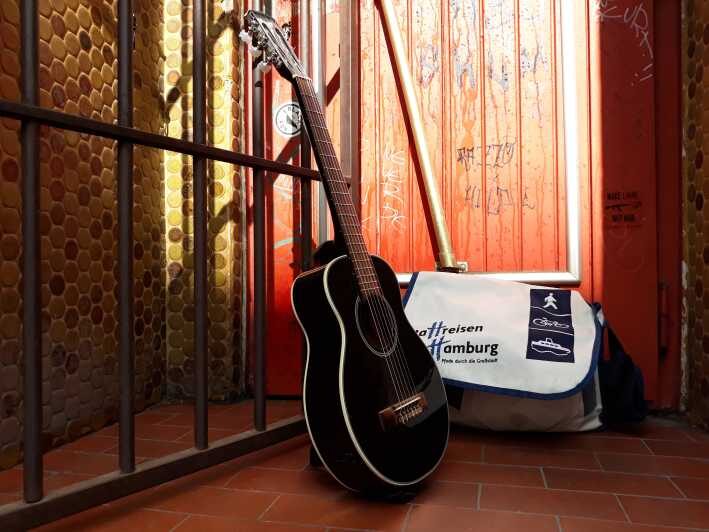
- Live music during the walk (professional musician plus guide)
- St. Pauli landmarks tied to famous artists like Prince, the Beatles, and Jimi Hendrix
- Club stories connected to Star-Club, Indra, Molotow, and more
- Music genres across decades, from swing to rock, pop, and hip-hop
- A focused 2-hour loop that doesn’t waste time
Hamburg’s St. Pauli music streets: what makes this tour work
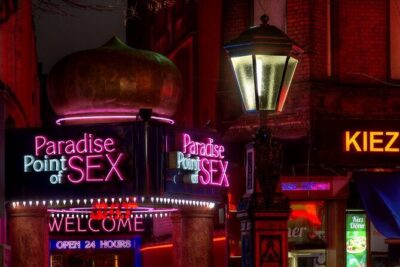
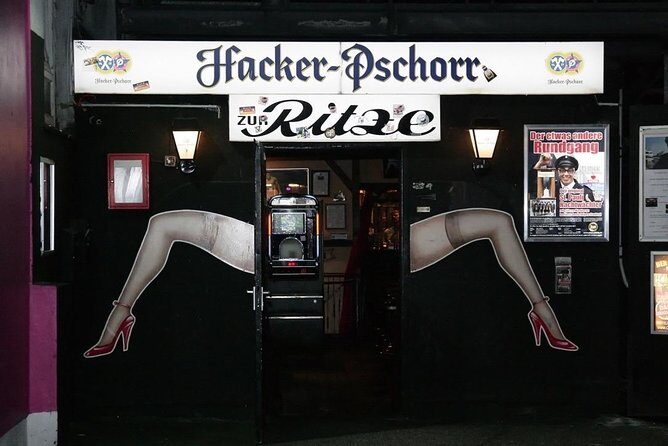
St. Pauli can feel like a theme park from the outside. This tour helps you read it as a working music neighborhood instead—one with clubs, side streets, and big-name stages that kept changing as new sounds took over.
What I like most is that you’re not just looking at buildings. You’re hearing how the area functioned as a meeting point for different genres over time. The guide frames the stops as part of a continuous story, from classic swing energy to rock and pop, then later hip-hop.
And because the tour includes live song interpretations, the neighborhood doesn’t stay in the past. The music lands in the same space where people once chased it—so you get a sense of why certain venues mattered.
Other Reeperbahn and St. Pauli tours we've reviewed in Hamburg



Tour basics: price, timing, and where you start

This is a 2-hour walking tour for $28 per person, which is fairly reasonable when you consider that it includes both a guide and live music. At that length, you’re getting a guided pass through key streets without needing a whole half-day commitment.
You meet at the Reeperbahn exit of the U-Bahn station St. Pauli. That’s convenient if you’re already using the U-Bahn around central Hamburg, and it also sets the tone right away: you’re starting on the famous street, not two neighborhoods over.
One practical point: since the tour language is German, plan to follow along as best you can. If you’re confident with German basics, the live music can carry you through gaps. If you’re not, that language mismatch can make the experience feel thinner than it should.
Spielbudenplatz, then Bernhard-Nocht-Straße: getting the St. Pauli map fast
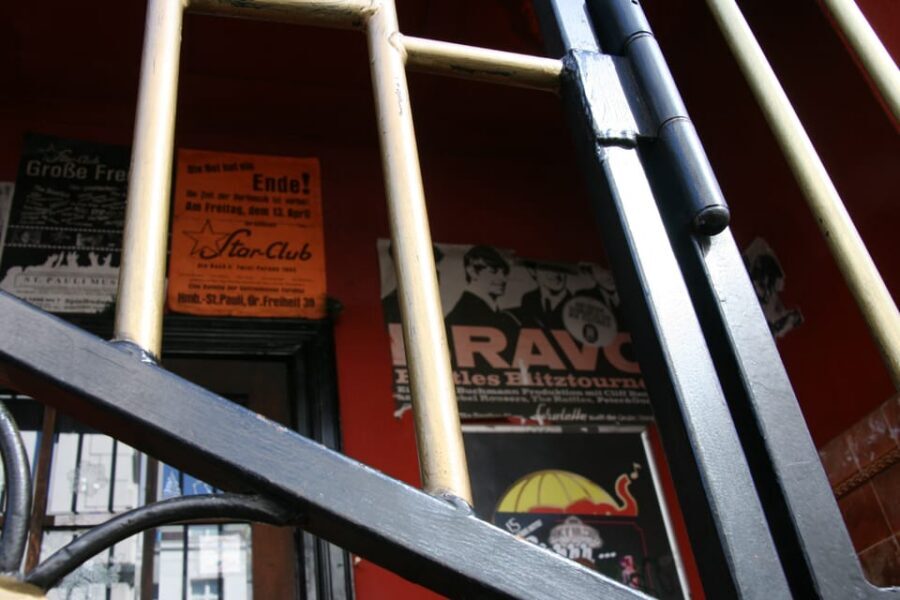
The tour kicks off with Spielbudenplatz as your first guided stop. This works because it gives you bearings early—so later streets like Reeperbahn and Große Freiheit feel like destinations, not random intersections.
From there you head toward Bernhard-Nocht-Straße. This is where the guide starts building the “decades of music” thread in a way you can remember. You’re learning why certain parts of St. Pauli became magnets for performers and audiences looking for something new.
I like this part because it’s not only about famous names. It’s about how the neighborhood acted like a sponge for styles—swing moving into rock and pop, then onward as other genres found room. You’ll probably notice how the streets you’re walking through line up with that idea of constant change.
St. Pauli-Hafenstraße and Park Fiction: the story behind the side streets
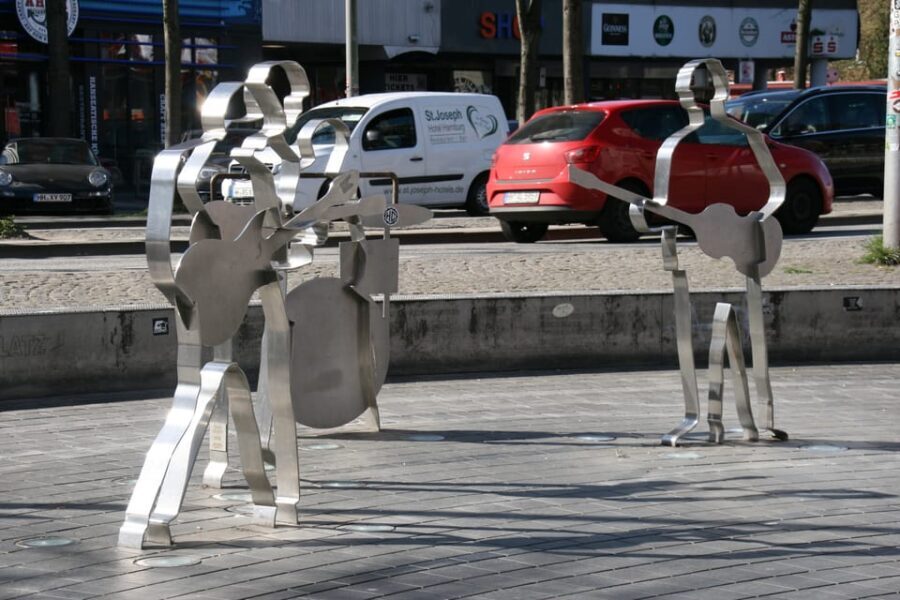
At St. Pauli-Hafenstraße, the tour shifts slightly away from the postcard-focus and into the logic of the neighborhood. Side streets like this matter because St. Pauli wasn’t only made of big marquee venues. It was also made of the in-between spaces where scenes took shape.
Then comes Park Fiction, a stop that helps break up the walk and keep you from feeling like you’re just marching down one famous strip. It also gives the guide room to connect “place” to “sound,” which is where this tour really earns its ticket price.
You’re still hearing about famous clubs and important performance spots, but the side-street angle makes it feel less like you’re collecting landmarks and more like you’re following a trail of scenes. If you enjoy urban atmosphere and small-town-in-a-big-city vibes, these stops tend to land well.
Hein-Köllisch-Platz and the road to Reeperbahn
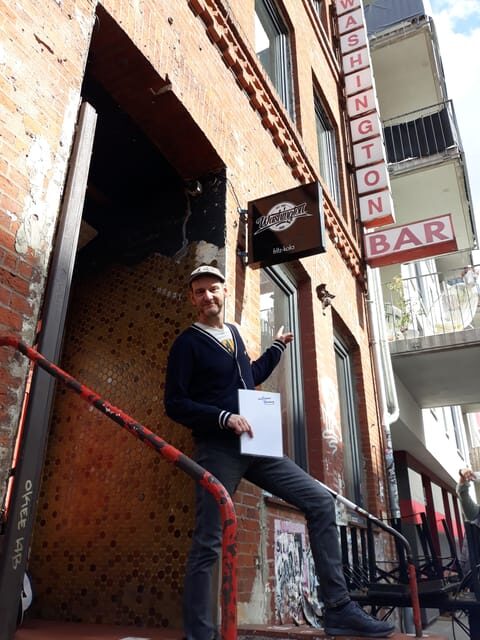
Hein-Köllisch-Platz is another smart pacing point. You get a moment to reset before the tour leans back into the most famous area: Reeperbahn.
What I think makes this stretch helpful is that the guide doesn’t treat Reeperbahn like a single location. Instead, it’s presented as the center of a larger ecosystem. That helps when you look down the street later—you can spot places as part of the story, not as isolated sights.
If you’re the type who loves understanding how neighborhoods work socially (who went where, and why), this is a good segment. It makes the famous names feel earned, not just listed.
Other walking tours we've reviewed in Hamburg






Reeperbahn and Beatles-Platz: where fame becomes a walking narrative
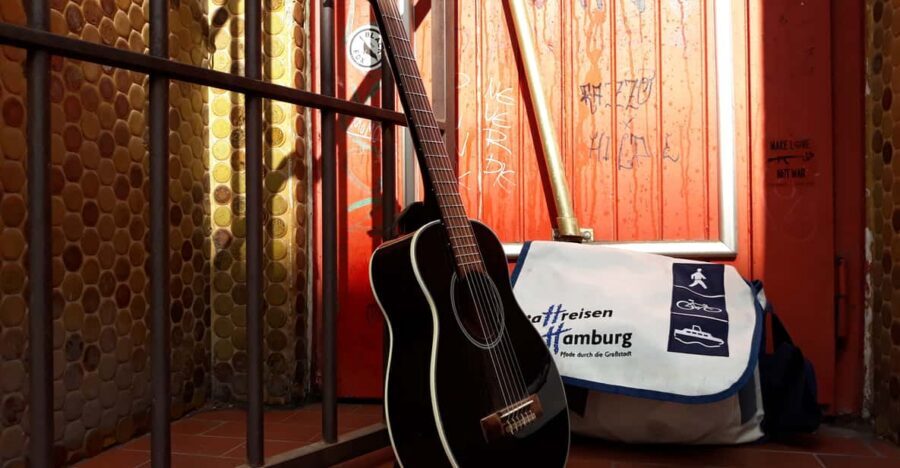
Reeperbahn is the big one—so the tour uses it well. You’ll be walking with the street’s legend in mind while the guide connects it to the people who played there and the styles that took hold.
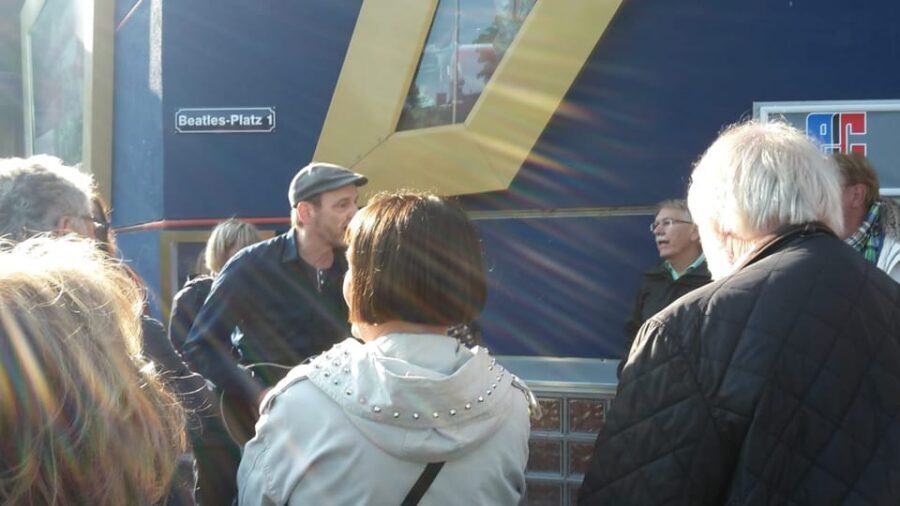
Then you reach Beatles-Platz, and that’s a clear signal you’re entering a pocket of the neighborhood where popular music references are part of the street-level identity. The tour is designed so that these named spots don’t feel random; they connect back to the broader point: St. Pauli became a place where international attention met local energy.
As you walk, you’ll hear stories that include famous artists such as the Beatles, Prince, and Jimi Hendrix. The value here isn’t only the celebrity list—it’s the way the guide ties those names to the role of specific clubs that helped build reputations.
Große Freiheit and the club trail: Star-Club and beyond

Große Freiheit is where the tour’s tone shifts from “learning the map” to “feeling the music culture.” This street is famous for good reason, and the guide uses that recognition to point you toward the venues that shaped performer careers.
You’ll spend time at Große Freiheit and also cover a key stop tied to Star-Club. That’s one of the clubs highlighted for the tour’s storytelling, and it’s also one of the most practical stops: it anchors the rest of the conversation.
The tour also includes stories behind famous clubs such as Indra and Molotow (and mentions several other well-known names like Top Ten, Große Freiheit 36, Mojo, Grünspan). Even if you’re not standing in front of every single door for long, hearing those references in sequence helps you understand St. Pauli as a network, not a single nightlife strip.
Live song interpretations: why this isn’t just entertainment
A professional musician and guide perform live interpretations of famous songs during the tour. That matters because it turns the experience from a listening-only event into something you experience in the street itself.
Practically, here’s what to do so you get the most out of it:
- Pay attention to the way the guide connects the song style to the clubs and the time periods mentioned.
- Don’t treat the music as background. Let it be the guide’s “explanation,” especially if you’re catching some German vocabulary.
- Take a moment after each performance to look around. The tour works best when you connect the sound to the space.
I find that live elements like this reduce the “walking lecture” feeling that some music tours can have. The guide can point, then the musician can bring the sound closer—so your brain remembers with both ears and eyes.
What you’ll notice during the walk (and what you might miss)
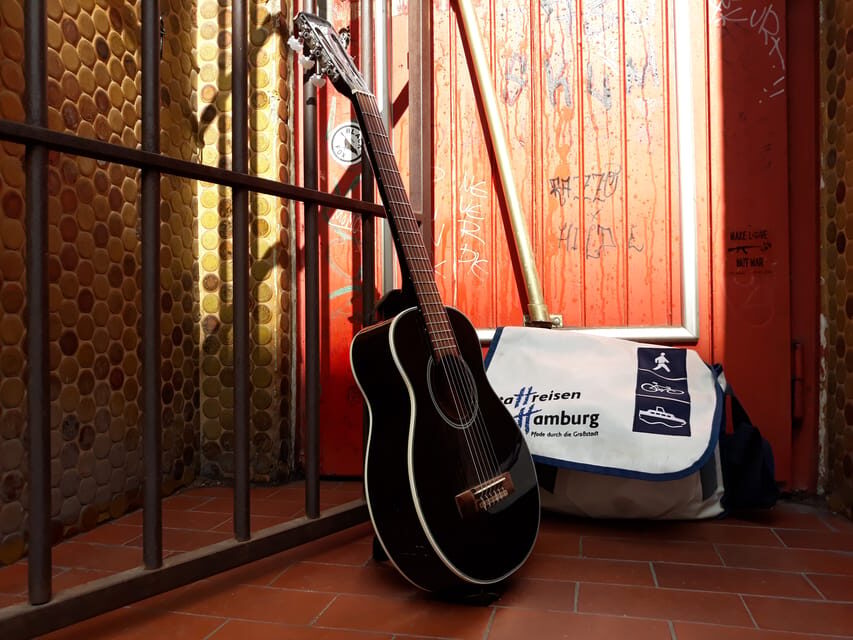
You’ll likely notice how quickly St. Pauli changes character from stop to stop. Some areas feel more like classic nightlife corridors; others feel like the neighborhood’s working-in-the-weeds side.
That’s also where a small tradeoff shows up. This is a two-hour format, so you’re not going to get deep, slow exploration of any one venue. You’re getting an overview plus context, with live music as the emotional anchor.
And again, the tour being German is the big consideration. The guide’s stories and the song interpretations will help, but if your German is limited, you may struggle to catch every detail. One review specifically pointed out that an English option would have made the experience better—so take the language factor seriously before you book.
Price and value: is $28 a good deal here?
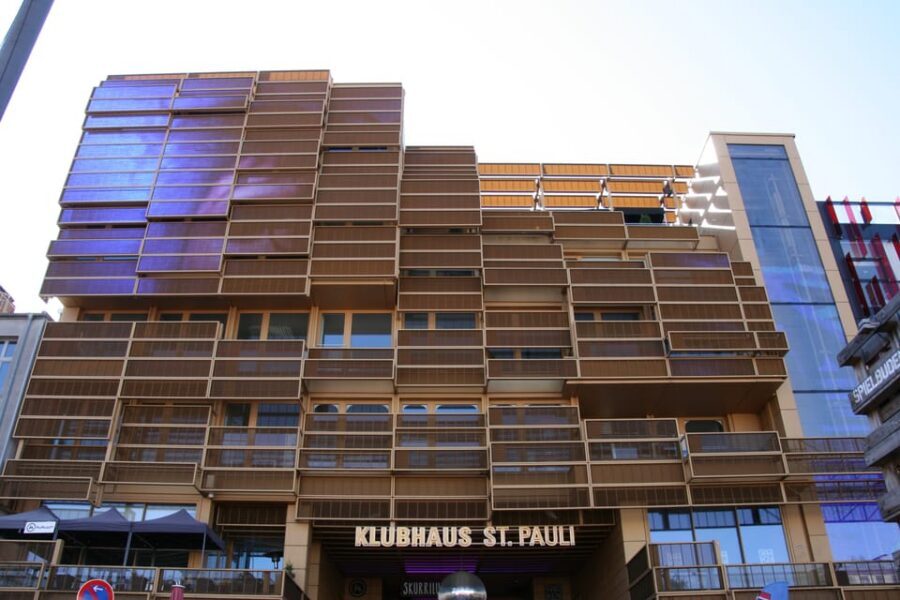
At $28 per person for 2 hours, you’re paying for three things: a guide, a structured walking route through multiple landmark areas, and live music from a professional musician. Many walking tours cover only guidance; this one adds performance, which usually makes the time feel more “worth it” than a standard sightseeing stroll.
For value, think about how you like to travel. If you enjoy music culture, want names and places connected together, and like hearing performances in context, this price feels fair. If you mainly want photography or you’re not interested in the music angle, you might feel the cost more than the content.
Who should book this St. Pauli walking tour
I’d steer you toward this tour if you:
- Like music history told through real streets and real venues, not just museum panels
- Want to connect St. Pauli’s story to big names like the Beatles, Prince, and Jimi Hendrix
- Enjoy live performances and want them timed to the places you’re seeing
- Are comfortable enough with German to follow a guided talk (or at least to enjoy the music even if you miss some words)
It may be less ideal if you strictly need an English-language guide, since the tour is listed as German and one past visitor highlighted that as a problem.
Should you book it? My quick verdict
Book it if you want a short, focused way to understand St. Pauli as a music ecosystem, with live music as the payoff. The combination of street stops, club stories (including Star-Club, Indra, and Molotow), and live song interpretations makes it more than a basic “walk and point” tour.
Skip it or look for another language option if German is a barrier. In a two-hour format, language gaps can shrink the experience faster than you’d expect.
FAQ
How long is the Hamburg St. Pauli walking tour?
It lasts 2 hours.
How much does the tour cost?
The price is $28 per person.
Where do I meet the guide?
Meet your guide at the Reeperbahn exit of the U-Bahn station St. Pauli.
Is there live music included?
Yes. The tour includes live music with a professional musician and guide.
What areas and streets does the tour cover?
It includes stops such as Spielbudenplatz, Bernhard-Nocht-Straße, St. Pauli-Hafenstraße, Park Fiction, Hein-Köllisch-Platz, Reeperbahn, Beatles-Platz, and Große Freiheit.
Which clubs are part of the stories during the tour?
The tour includes stories behind clubs such as Star-Club, Indra, and Molotow, plus other highlighted venues in the area.
What language is the tour in?
The tour guide speaks German.
Is the tour wheelchair accessible?
Yes, it is wheelchair accessible.
Can I cancel and get a full refund?
Free cancellation is available up to 24 hours in advance for a full refund.
Is pay later an option?
Yes. You can reserve now and pay later.