REVIEW · HAMBURG
Hamburg: Speicherstadt Walking Tour with Coffee Tasting
Book on GetYourGuide →Operated by Kiezjungs Hamburg Touren · Bookable on GetYourGuide
One district, two kinds of senses: smell and taste. This Speicherstadt walking tour pairs warehouse-district storytelling with hands-on stops in spice and coffee shops, all within a tight 150 minutes.
I like the way the guide ties the sights to trade—spices, carpets, coffee—so the buildings don’t feel like scenery. I also like the coffee part: a 30-minute tasting workshop with a 2-time European Roasting Master.
One drawback to plan around: the tour is in German and it is not suitable for people with mobility impairments. Also, if you want very technical, step-by-step roasting detail, the tasting session may feel a bit short.
In This Review
- Key highlights to look for
- Starting at Barrossa and getting your bearings fast
- Speicherstadt’s warehouse maze: what the guide is really teaching
- Spice store stop: turning colors and smells into history
- Carpet and craft storefront browsing without losing the plot
- Coffee roasting workshop: learning production and tasting
- Logistics and timing: how to make the 150 minutes work
- Price and value: is $50 a fair deal for this mix?
- Who this walking tour suits best
- Should you book this Speicherstadt tour with coffee tasting?
- FAQ
- How long is the Speicherstadt walking tour with coffee tasting?
- What is included in the ticket price?
- Is food included?
- Where do I meet the guide?
- Is the tour language German?
- Is it suitable for people with mobility impairments?
- Can I get a refund if I cancel?
- Can I pay later?
Key highlights to look for
- Start at Café Bar Barrossa by the Hamburg Dungeon, with clear transit options (Baumwall station or Metrobus 6).
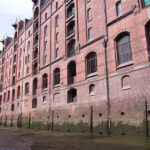
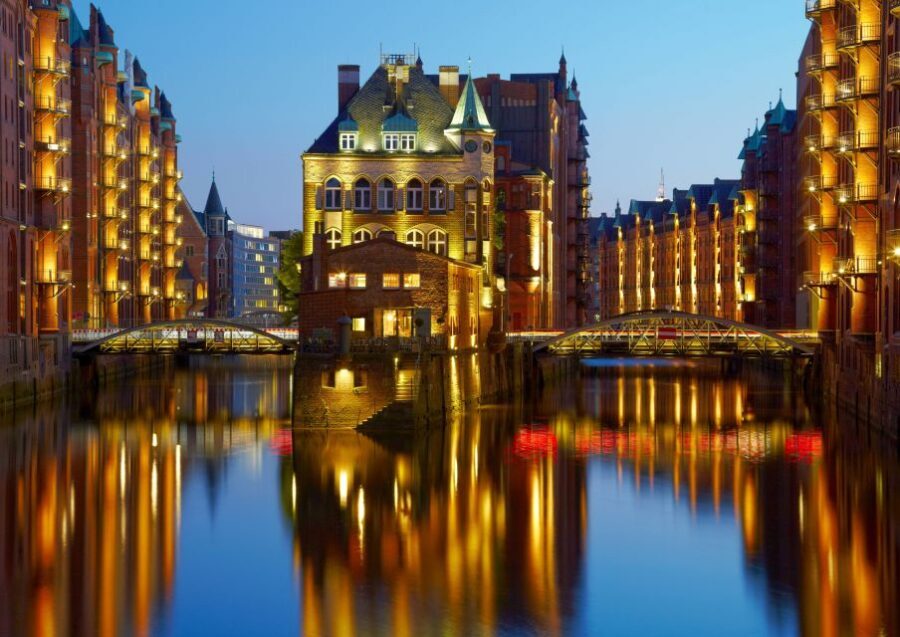
- Walk the Speicherstadt warehouse district, described as the largest of its kind in the world and a UNESCO World Heritage Site.
- Spice store stop, where you’ll connect scents, colors, and the spice-trading business to what shaped the area.
- Carpet and craft storefront time, including colorful Oriental carpet shops plus chocolate shops to browse.
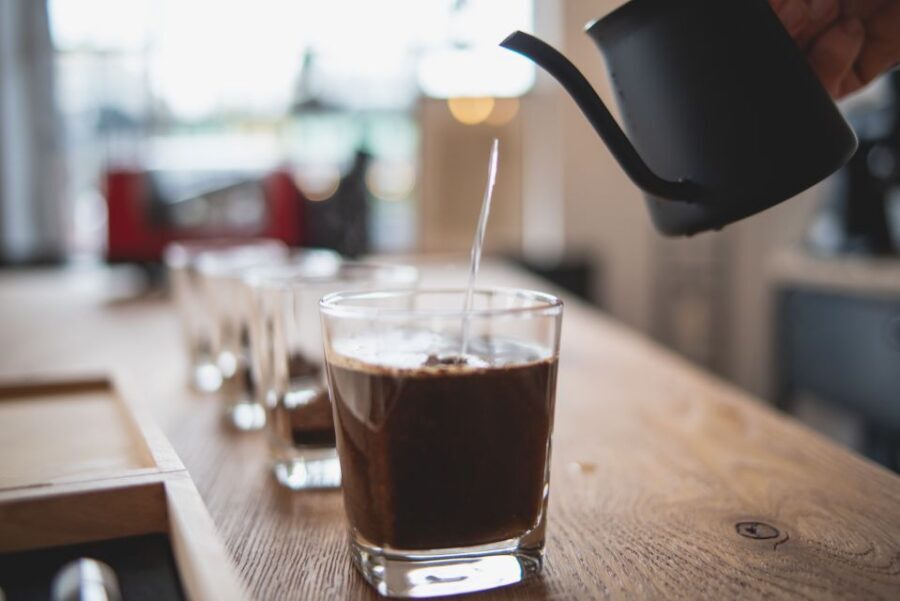
- Coffee tasting workshop included, led by a 2-time European Roasting Master after the walk.
- 150 minutes total, with the tasting workshop built in so you don’t have to schedule anything separately.
Starting at Barrossa and getting your bearings fast
You meet your guide in front of Café Bar Barrossa on Brook Street, directly opposite the Hamburg Dungeon. If you’re using public transport, the nearest underground station is Baumwall, and Metrobus 6 stops at Auf dem Sande. It’s the kind of meeting point that helps you show up without sprinting across the city.
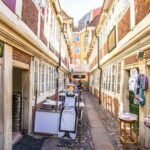
From there, the tour moves toward the Speicherstadt area via the key walking route around Wandrahmsteg Bridge. The guide’s job early on is simple: orient you so you can read what you’re seeing. Speicherstadt can look like a maze of warehouse buildings and water-adjacent streets, and you’ll enjoy it more once you understand how traders used this area day-to-day.
Because the tour runs 150 minutes with a German-speaking guide, it helps to come with a little patience for narration. You’re not just checking boxes. You’re learning the “why” behind the district while you walk.
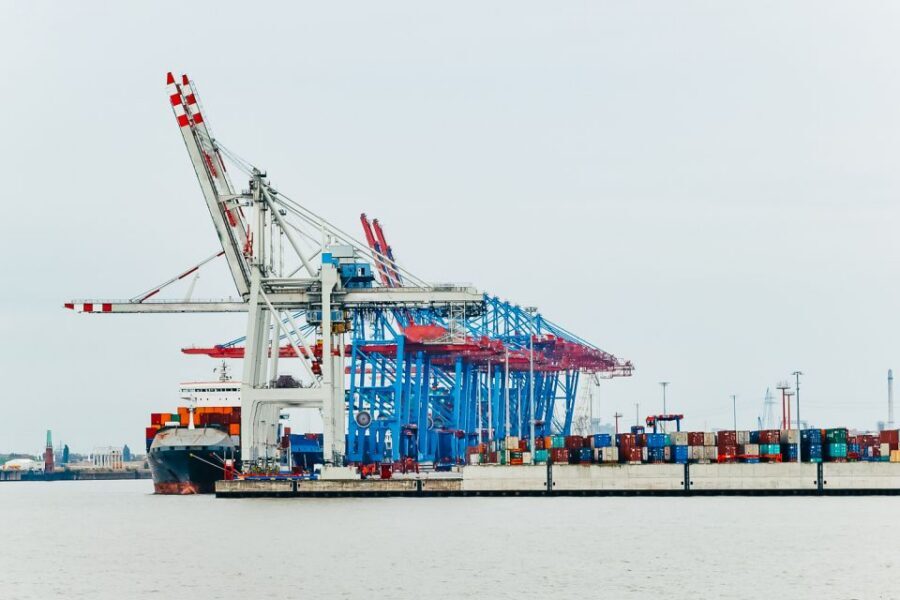
Other harbor and port cruises in Hamburg


Speicherstadt’s warehouse maze: what the guide is really teaching
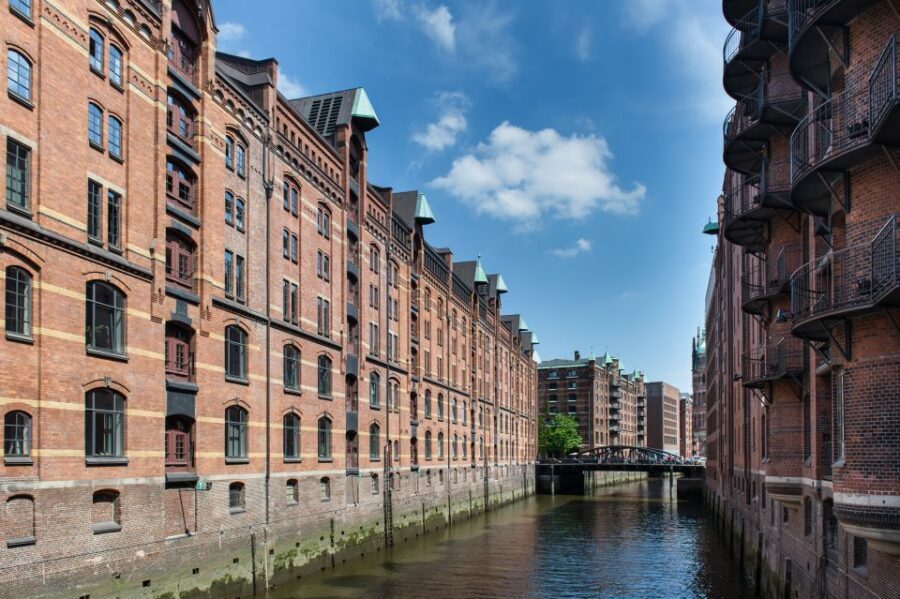
This isn’t a long, slow museum tour. It’s a walking format through the Speicherstadt warehouse district, with the story carried by stops and short explanations.
You’ll hear how the district functioned as a trading center for centuries, especially for goods people remember from around the world: spices, carpets, coffee, and more. That matters because Speicherstadt is built to make trade work. When you understand that the place was designed for commerce, the architecture and street layout start to feel practical rather than just pretty.
The UNESCO connection is part of the point. You’re in a protected area, so you’ll likely notice how preserved warehouse spaces and historic sites create a different feel than modern shopping streets. The guide helps you slow down enough to look—then keeps the pace moving so you still cover a useful amount of ground in 2.5 hours.
Spice store stop: turning colors and smells into history
One of the best parts is the stop at a spice store. This isn’t framed as a generic souvenir break. The guide points you toward the spice-trading industry and connects it to how Speicherstadt became what it is.
In the shop, you’ll get an up-close look at a wide array of scents and colors tied to different spices. That sensory input isn’t just fun—it’s practical learning. Spices were one of the key products that justified long-distance trade, and the district’s identity grew around that movement of goods.
Here’s what you can do to get more value out of this stop:
- Pay attention to what the guide says about why spices were so important economically.
- If you like food, use this as your mental map for later: you’ll start spotting how coffee and chocolate also fit into global trade stories.
- Don’t rush the browsing. The best learning happens when you’re willing to stop and notice.
A small consideration: this is a shop stop, so it’s not purely lecture time. If you’re the kind of person who hates shopping, treat it like a short lesson inside a store rather than a forced purchase moment. You should still get the history and the sensory experience without needing to buy.
Carpet and craft storefront browsing without losing the plot
After spices, the tour shifts to a set of storefronts that includes colorful Oriental carpet shops, craft stores, and chocolate shops. This is one of those parts that works well because it’s grounded in what traders actually brought into the area.
Carpets and crafts matter in the story because they were part of the consumer side of trade. You’re not just learning that goods arrived. You’re seeing the kinds of goods that turned ports into lifestyle destinations for people with money to spend and curiosity to explore.
The guide also keeps you oriented, so you don’t feel like you’re wandering. You’ll get enough context to understand why these shops belong on a tour about Speicherstadt’s trading identity.
If you want to take home something, this is a good time to browse. But even if you don’t buy, you’ll still enjoy it because it gives you human-scale moments: the shop layout, the products, and the everyday browsing vibe.
One more practical tip: if you plan to do additional sightseeing after the tour, keep your shopping in mind. You’ll likely be carrying items during the walk and then the transit back into the city.
Coffee roasting workshop: learning production and tasting
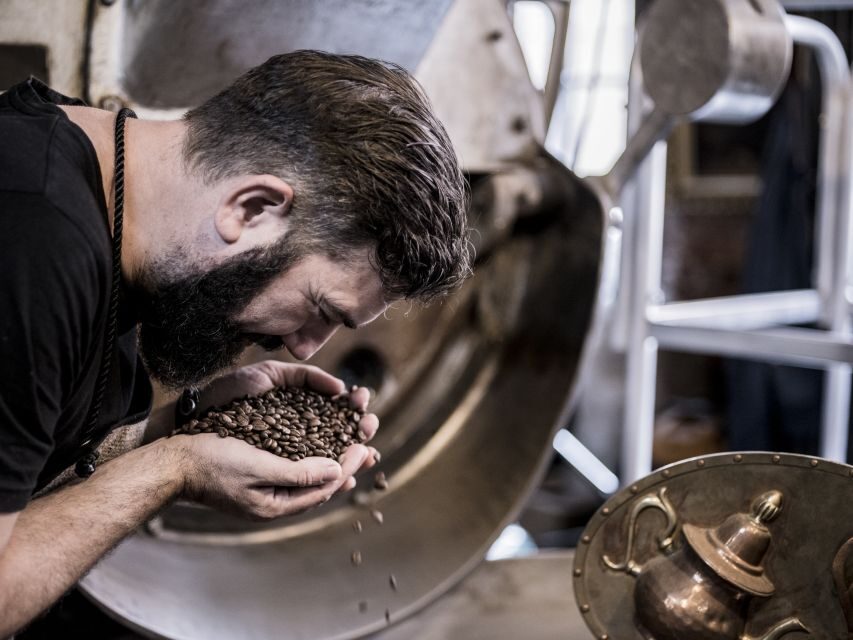
The tour ends with a coffee stop at a local roasting shop, where you’ll meet a 2-time European Roasting Master. This part is included in the ticket and runs as a 30-minute coffee-tasting workshop.
What you should expect is a mix of explanation and taste. The focus is on coffee production—how the process works and how roasting affects what ends up in your cup. That “from bean to roast” theme is exactly what the coffee portion is designed for, and it’s a nice match to the earlier trade theme.
This is where the tour feels different from a standard “look around and leave” walking tour. Instead of ending with photos, you end with something you can actually understand through flavor.
Balanced note from real-world expectations: 30 minutes can only cover so much. If you’re hoping for a super technical, step-by-step roasting deep dive, you might wish the workshop ran longer. The payoff is still there—especially if you’re curious and like learning by tasting—but the format is short by design.
If coffee is your main motivation, I’d still do the tour. The earlier storyline makes the coffee stop more meaningful, because you’re not treating coffee like a separate activity.
Other Speicherstadt and HafenCity tours in Hamburg


Logistics and timing: how to make the 150 minutes work
This experience is 150 minutes total with the coffee-tasting workshop included. That means the walk portion is long enough to cover the district and get several focused stops, but not so long you’ll feel drained by the time you reach the roasting shop.
German guide time is also part of the pacing. Even if your German is basic, the structure helps: meet up, walk in sequence, shop stops, then coffee. You can follow a lot through cues, not just words—especially at the spice and roasting stops where visuals and smells do their job.
The tour has a minimum participant requirement, so if it doesn’t run on your preferred day, you’ll need to pick another start time. When scheduling your day in Hamburg, I like keeping the rest of the afternoon flexible. This tour pairs well with nearby Hafen-area wandering afterward, because you’ll already have a sense of the port district’s historical role.
Also, food is not included. That’s normal for a walking tour with shop visits, but it matters for comfort. Plan to eat before you go, or bring a snack if you’re prone to getting hungry.
Price and value: is $50 a fair deal for this mix?
At $50 per person for about 2.5 hours, the value comes from three things you’re paying for:
- A guided walk through a protected, historic district where context changes the experience.
- Multiple curated stops (spice store, carpet/craft/chocolate storefronts) rather than a random stroll.
- A real coffee workshop included—30 minutes with a 2-time European Roasting Master.
If you tried to do this on your own, you’d be saving money but you’d also be missing the connecting tissue: why this area mattered for trade, how those goods fit together, and what the coffee roasting lesson is trying to teach you. The paid structure is what makes it feel like a coherent experience rather than a set of separate activities.
If you love food history, coffee, or shopping-as-culture, the price is easier to justify. If you only want one of those pieces—say, only coffee—you might decide it’s not cost-effective. But as a combined walk-and-taste experience, it’s reasonably priced for the time and the guide-led stops.
Who this walking tour suits best
I think this one fits well if you:
- Like learning while walking, not just looking.
- Enjoy food-related topics (spices, coffee, chocolate) as a way to understand place.
- Want a structured way to see Speicherstadt without getting lost or bored.
- Appreciate humor and storytelling from a live guide. One guide name that shows up with strong praise is Jan, noted for being funny and historically strong.
It may be less suitable if you:
- Need an accessibility-friendly route. It’s not suitable for people with mobility impairments.
- Prefer tours in languages other than German. The live guide language is German.
- Want a longer, more technical roasting education. The coffee workshop is 30 minutes.
Should you book this Speicherstadt tour with coffee tasting?
Yes, if you want a clear, guided way to understand Speicherstadt and you like the idea of ending with an actual coffee lesson, not just a quick stop. The best reason to book is the mix: trade history tied directly to spice and coffee, plus a short workshop that gives you something to taste and think about.
I’d skip it only if your main goal is a very deep technical roasting class or if you can’t manage a German-led tour. Otherwise, this is a solid use of a couple of hours in Hamburg—especially if you like authentic neighborhood-style storefront stops and you enjoy learning through your senses.
FAQ
How long is the Speicherstadt walking tour with coffee tasting?
The tour lasts 150 minutes total, and it includes a 30-minute coffee-tasting workshop at the end.
What is included in the ticket price?
Included are the Speicherstadt walking tour, a guide, and the 30-minute coffee-tasting workshop.
Is food included?
No. Food is not included.
Where do I meet the guide?
Meet your guide in front of Café Bar Barrossa on Brook Street, opposite the Hamburg Dungeon. The nearest underground station is Baumwall. Metrobus 6 stops at Auf dem Sande.
Is the tour language German?
Yes. The live tour guide language is German.
Is it suitable for people with mobility impairments?
No. The tour is not suitable for people with mobility impairments.
Can I get a refund if I cancel?
You can cancel up to 24 hours in advance for a full refund.
Can I pay later?
Yes. You can reserve now and pay later.