REVIEW · HAMBURG
Hamburg: Harbor Cruise
Book on GetYourGuide →Operated by Barkassenbetrieb Bülow GmbH · Bookable on GetYourGuide
Hamburg looks different from the water. This 1-hour Harbor Cruise shows you HafenCity’s architecture and the Elbphilharmonie from the best angle: the river and harbor. I love how you get both scenery and ship-spotting, plus the on-board explanation about one of Europe’s biggest ports. One thing to plan for: on cold days, the boat windows can fog up and make views less crisp.
For the price, $22 feels fair because you’re paying for a guided sightseeing loop on the water, not just a quick photo pass. It’s also a smart use of time if you only have a small window in Hamburg and want a big payoff. The tour runs in German, so it helps if you’re comfortable catching the main points.
You’ll board at the pontoon in the Binnenhafen near Speicherstadt, and the ride is focused enough that it works as a standalone activity. Still, remember there are no included food or drinks, so you’ll want to handle snacks separately.
In This Review
- Key Things You’ll Notice on This Hamburg Harbor Cruise
- Getting Oriented at Kajen 1 in the Binnenhafen
- The Speicherstadt-to-Elbe Opening: the harbor in one smooth hour
- Harbor Basins and Quays: watching ocean-going ships at work
- St. Pauli Landing Bridges and Blohm and Voss Shipyard
- Tollerort and the Container Terminal: the working port side
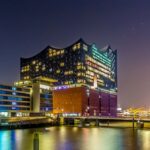
- HafenCity Architecture and Elbphilharmonie Views from the Water
- Duration, Comfort, and What to Bring
- Price and Value: Is $22 Worth It?
- Who This Hamburg Harbor Cruise Fits Best
- Should You Book This HafenCity Harbor Cruise?
- FAQ
- How long is the Hamburg Harbor Cruise?
- What route will you see on the boat?
- Where is the meeting point?
- What language is the tour guide?
- Are food and drinks included?
- Is the cruise wheelchair accessible?
Key Things You’ll Notice on This Hamburg Harbor Cruise
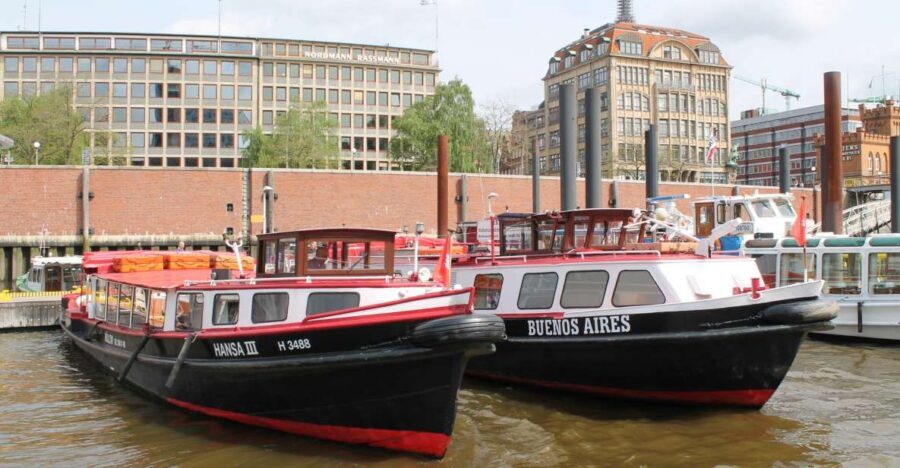
- HafenCity and the Elbphilharmonie from the water: you see the modern skyline as the city moves past you.
- Speicherstadt start near Miniatur Wunderland: an easy-to-find harbor area that sets the tone right away.
- Big-ship action in harbor basins and quays: you’ll watch ocean-going vessels at work.
- St. Pauli bridges and the Blohm and Voss shipyard: classic harbor structures and industry landmarks.
- Tollerort container terminal and museum ships: the port isn’t just pretty views; it’s operations and history.
- Cold-weather window fog is real: bring a small hand towel or tissues to wipe glass.
Getting Oriented at Kajen 1 in the Binnenhafen
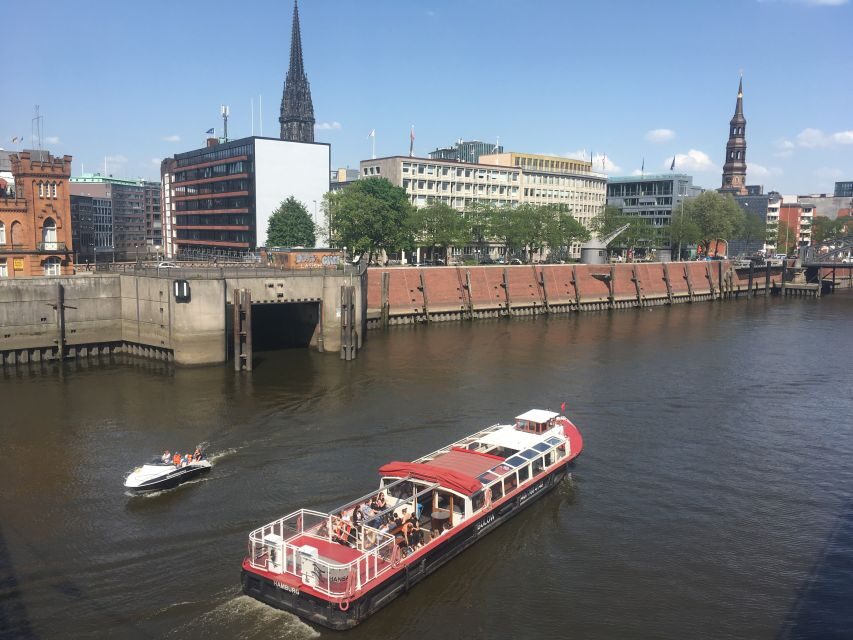
The tour starts at Kajen 1 at the Pontonanlage in the Binnenhafen, on the Kajen and Hohe Brücke streets. The good news is that this area is easy to anchor your navigation to: it’s opposite Miniatur Wunderland in the Speicherstadt. If you’re coming from the bridge, you reach the pontoon from Kehrwiedersteg.
Getting here is half the battle in a city with multiple harbor points. For transit, take the U3 to Baumwall, which puts you close enough to walk without turning it into a whole mini-hike. Parking is available for both cars and buses, which helps if you’re arriving by rental or group transport.
The practical takeaway: give yourself a little extra time to find the pontoon. Once you’re on the water, the cruise is straightforward and the route keeps moving past the major sights.
Other harbor and port cruises in Hamburg

The Speicherstadt-to-Elbe Opening: the harbor in one smooth hour
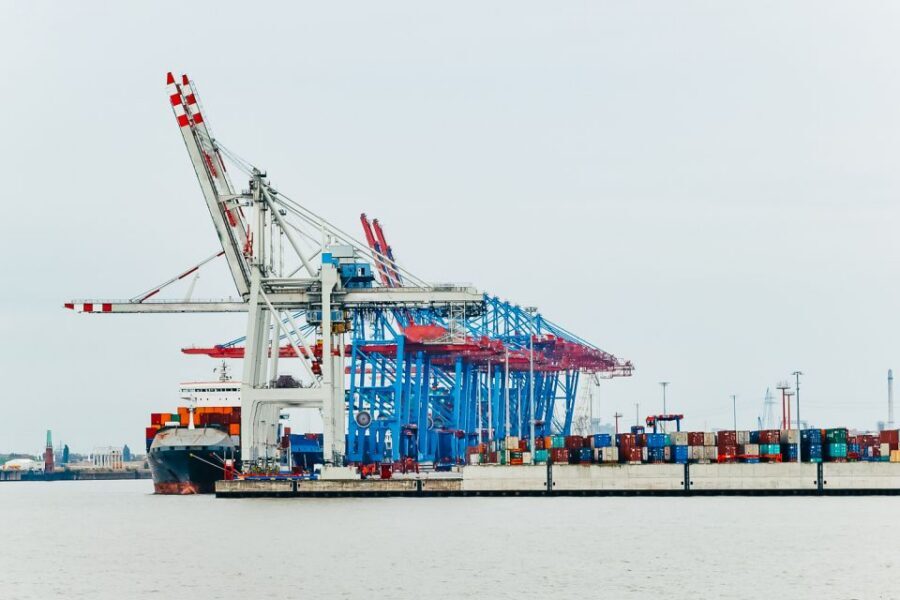
This cruise is designed to show you the harbor’s most photogenic side first, then move into the working port. You start in the warehouse-district zone around Speicherstadt, then travel up the Elbe River toward the harbor attractions. It’s a nice way to understand Hamburg because you’re not just looking at buildings from land—you’re watching how the city’s life connects to the water.
You’ll be out on the water long enough to take in architecture, but not so long that you lose patience or energy. That matters if you’re traveling with mixed interests: people who love skyline views will still get plenty to enjoy, and people who care about ships will appreciate the operational focus.
Also, the tour is guided by experienced skippers and guides. The on-board moderation and explanations are delivered in German, which is great if you’re happy listening. If you’re not, you can still follow visually: watch where the ship turns, where you slow down for landmarks, and how close the harbor traffic feels from the deck.
Harbor Basins and Quays: watching ocean-going ships at work
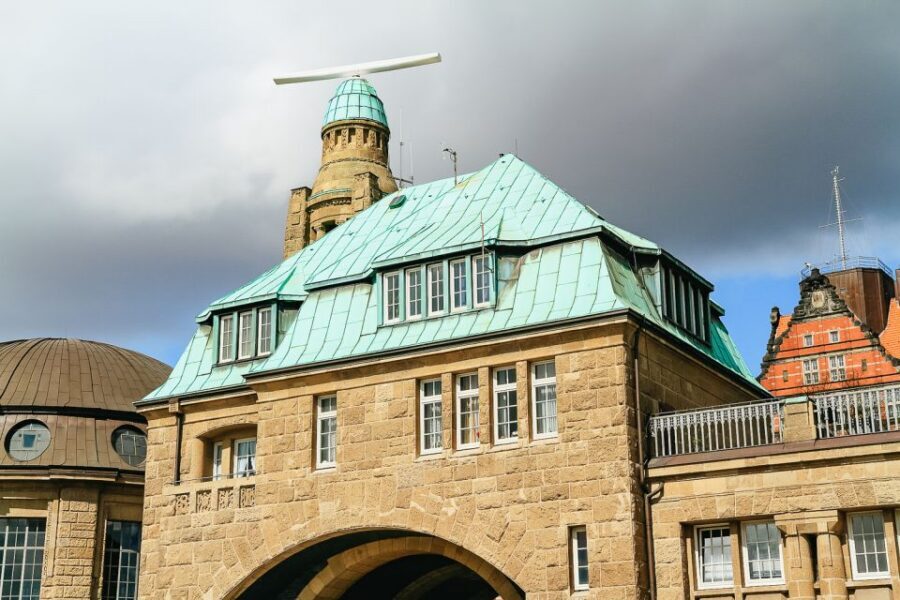
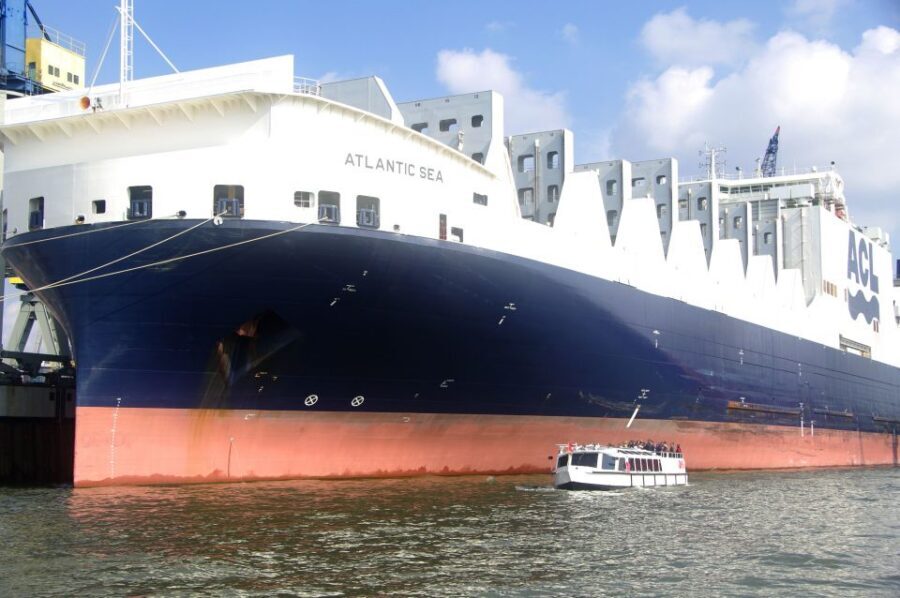
A highlight for me is how the cruise lets you observe the harbor infrastructure in motion. The route runs through harbor basins and quays where current ocean-going ships are active. That’s the difference between a harbor cruise that only shows postcards and one that explains how a major port functions.
From the water, details land differently. You can judge scale fast because you see big cargo ships and supporting boats relative to bridges, terminals, and the quay walls. You also get a stronger sense of why Hamburg’s waterways matter for European shipping routes—this is one of the largest ports in Europe, and the size shows up instantly once you’re viewing the waterfront at close range.
This is also where the guide’s commentary matters most. Even if you only catch portions of the German explanation, you’ll likely understand the big picture: where ships come in, how they move through the harbor approach, and what parts of the shoreline are tied to containers, ship services, or maritime logistics.
Tip for your comfort: if the ride is cold, dress for it. You’ll likely spend enough time near windows or open deck areas to feel the weather change as the boat moves along.
St. Pauli Landing Bridges and Blohm and Voss Shipyard
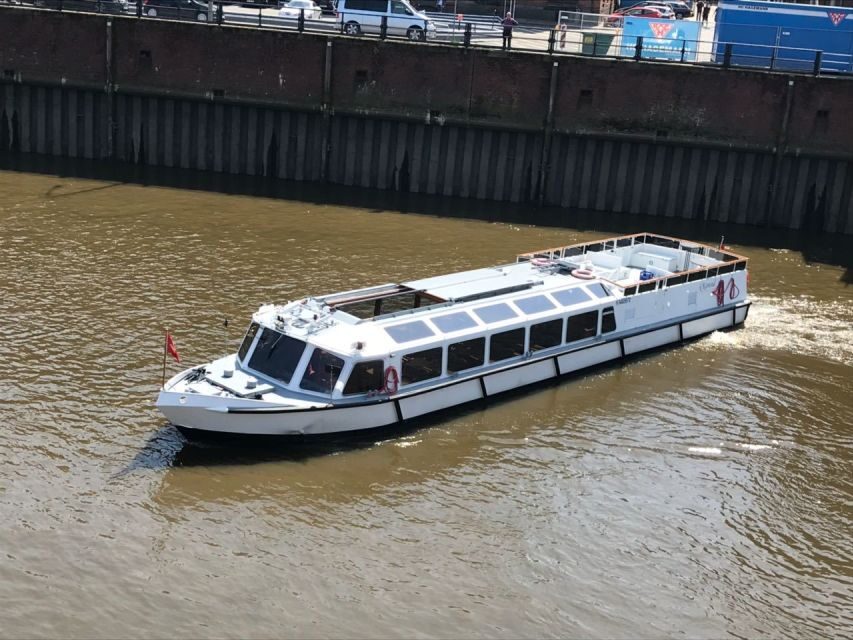
As the boat progresses, you’ll see the St. Pauli landing bridges and the Blohm and Voss shipyard. These stops are valuable because they’re recognizable symbols of Hamburg’s harbor identity—one tied to the movement of people and vessels, and the other tied to shipbuilding and industry.
The St. Pauli landing bridges are a great visual reference point. From the water, they read as structural landmarks, not just something you pass by in photos. You’ll also be able to connect them to what you’re learning about the port’s layout: bridges and crossings aren’t random—they shape how the harbor traffic is organized.
Then there’s Blohm and Voss, which brings you into the shipyard world. Even if you can’t see every operational detail from the cruise line, the scale and layout communicate a lot. You’ll get the sense of a working waterfront where large vessels require space, infrastructure, and careful coordination.
If you’re the type who likes understanding what you’re looking at, this segment is one of the most rewarding. The cruise isn’t pretending the harbor is only scenery. It’s clearly about industry, engineering, and the constant flow of maritime activity.
Tollerort and the Container Terminal: the working port side
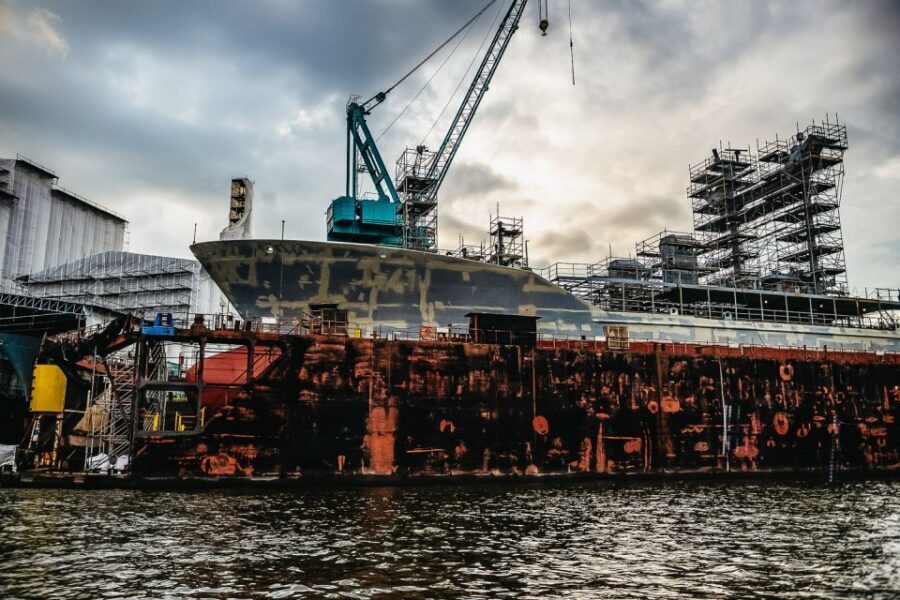
After you move through the major harbor sections, the cruise continues toward the Tollerort container terminal and the HafenCity waterfront. The container terminal piece is the “modern logistics” part of the story. It’s what you’d expect from a place that handles major volumes of shipping: cranes, terminal areas, and a shoreline designed for efficient loading and unloading.
This matters because it changes the feel of the cruise. Early on, it’s about sights and viewpoints. As you head toward terminal areas, the port starts to feel more like a system. You’ll see how the shoreline transforms depending on the purpose—some areas are built for ship services and movement, others for large-scale cargo handling.
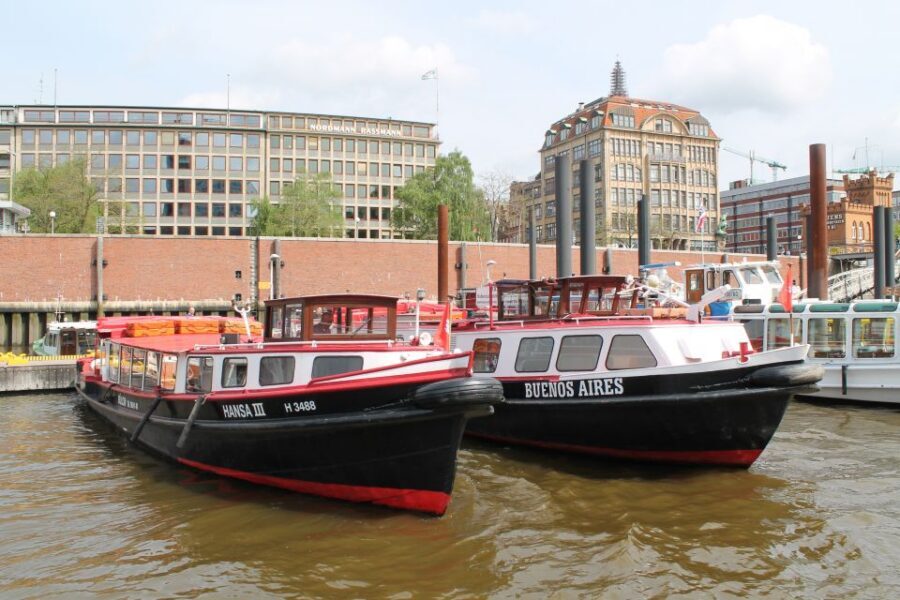
You’ll also spot the cruise center in HafenCity, plus museum ships along the route. That combination is a smart touch: you get the present-day working port, and you also get reminders that Hamburg’s relationship with shipping didn’t start with modern containers. The harbor has long been a stage for maritime life, and the tour reflects that by mixing current industry with preserved maritime culture.
If your ideal cruise is all skyline and zero industrial views, you might feel like the middle portion leans more “maritime operations” than “romantic harbor.” But if you enjoy seeing how cities actually function, it’s exactly the right mix.
Other boat tours in Hamburg
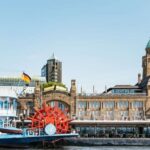
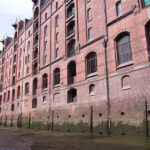
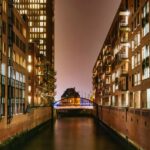
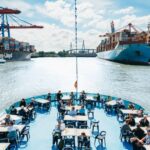
HafenCity Architecture and Elbphilharmonie Views from the Water
HafenCity is one of the most satisfying parts of Hamburg to experience from a boat. The cruise brings you past the new waterfront development, so you can see how modern design sits next to working harbor infrastructure. It’s an eye-catching contrast, and it’s also a good way to understand how Hamburg is reshaping its edges while staying tied to the Elbe.
You’ll see the Elbphilharmonie as part of the sightseeing sequence. Even when you’re not getting a long stop on land, seeing the building from the water helps you understand its proportions. Many people experience the concert hall from street level, where it can feel like a single landmark. On the harbor route, it reads as part of a wider skyline composition—one of several points that frame the modern harbor view.
Also, the route includes quays and museum ships, so you’re not just staring at one signature building. You get a layered view: architecture up top, maritime textures below, and the harbor’s working energy all around.
If you love photography, this is where the time feels most worth it. The cruise gives you motion, which makes the view more interesting than a static waterfront stroll. You can catch different angles as the boat slides along, and that’s often the secret sauce to getting better harbor photos.
Duration, Comfort, and What to Bring
On paper, the cruise is 1 hour. The practical reality can vary depending on the departure and conditions, and some departures have run longer in the winter. Plan your schedule with a little flexibility so you’re not rushing straight to your next stop.
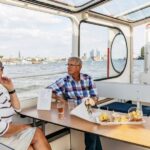
Comfort-wise, window views are the key factor. One cold-weather issue that comes up is window fog—windows can fog up and you have to clear them to see well. Bring a small pack of tissues or a hand towel if you’re cruising in winter. It’s a small thing that can make a noticeable difference in whether you feel like you’re watching the landmarks or staring through a misty layer.
Because the tour is moderated and guided in German, it’s helpful to lean into the ride as an experience first, not a language test. Even without understanding every sentence, you’ll still be following along through repeated landmark segments: starting area by Speicherstadt, main harbor features, terminal and museum ships, then HafenCity and the Elbphilharmonie viewpoints.
Finally, remember that no food or drinks are included. If you’re doing this as part of a longer Hamburg day, plan a snack stop before or after. A harbor cruise can be a bit cooler than you expect, and being comfortable makes the hour easier.
Price and Value: Is $22 Worth It?
At $22 per person, this cruise is priced like a practical sightseeing option rather than a premium private boat. In my view, that’s what makes it good value: you’re paying for an expert-guided water route through the port’s most meaningful areas.
You get a full one-hour port tour from experienced skippers and guides, plus the key sights: Speicherstadt area starts, major harbor landmarks, museum ships, HafenCity development, and views of the Elbphilharmonie. You also learn about the harbor’s development through decades to the present day, which helps you turn what you see into something you understand.
What’s not included is also part of the value equation. Food and drinks cost extra elsewhere, and that shifts the total cost slightly depending on your plans. But even with that, it still stacks up well if your goal is to get a lot of Hamburg in a short time without the hassle of coordinating multiple viewpoints.
Who This Hamburg Harbor Cruise Fits Best
This cruise is ideal if you want big views in a short time. It’s also a strong match if you like ships, ports, and the real working side of cities, not just the scenic bits.
You’ll likely enjoy it if:
- You’re curious about how Europe’s major ports work.
- You want architecture and industry shown together.
- You’d rather sit on a boat and learn than walk between far-apart viewpoints.
It may be less ideal if:
- You need wheelchair access, since most ships are not suitable for wheelchair users.
- You expect a long stop on land at the Elbphilharmonie or other sights, because the experience is focused on the moving water route.
Should You Book This HafenCity Harbor Cruise?
Yes, I’d book it if you’re prioritizing Hamburg’s harbor identity. The combination of HafenCity and Elbphilharmonie views with the working-port landmarks gives you a balanced picture of the city—modern waterfront energy alongside heavy maritime operations.
If you’re visiting in winter, still book it, but come ready for fog on the windows. A small wipe-down habit can keep the views sharp. If you’re traveling with limited time, this is also one of those straightforward activities that slots in cleanly without needing a complicated plan.
But if accessibility is a concern, or if you only want a relaxed, purely scenic cruise with minimal industry content, you might want to compare options. This one leans into the port story, and that’s exactly why many people find it worthwhile.
FAQ
How long is the Hamburg Harbor Cruise?
The cruise lasts 1 hour.
What route will you see on the boat?
You start at Kajen 1 in the Binnenhafen area near Speicherstadt, travel up the Elbe River, and continue through the harbor basins and quays. Along the way you’ll see sights including St. Pauli landing bridges, the Blohm and Voss shipyard, the Tollerort container terminal, HafenCity, museum ships, and the Elbphilharmonie area.
Where is the meeting point?
Meet at the Pontonanlage in the Binnenhafen at Kajen and Hohe Brücke, opposite Miniatur Wunderland in the Speicherstadt. You reach the pontoon from the Kehrwiedersteg bridge.
What language is the tour guide?
The tour guide provides live guidance in German, and the moderation is also in German.
Are food and drinks included?
No. Food and drinks are not included.
Is the cruise wheelchair accessible?
Unfortunately, most of the ships are not suitable for wheelchair users.