REVIEW · HAMBURG
Hamburg St. Pauli – guided walk for school groups
Book on GetYourGuide →Operated by Stattreisen Hamburg e.V. · Bookable on GetYourGuide
St. Pauli has lessons in every corner. This school-focused 90-minute walk turns the famous Reeperbahn and Große Freiheit area into something you can actually talk about, and I like that the guide keeps the stops tied to clear themes like the Beatles and religious minorities. The other big win is the route: you start at the port at Landungsbrücken, then move through the nightlife streets in a planned loop. One consideration: the tour covers topics tied to prostitution and the red-light business, and it’s not suitable for children under 15.
I also appreciate how straightforward this feels for groups. It’s a private group experience (up to 20 in the package), guided in German or English, and it’s wheelchair accessible, so teachers and chaperones can plan without guessing how it will run on the ground.
In This Review
- Key highlights at a glance
- St. Pauli’s “port-to-nightlife” route starts smarter than you’d think
- Landungsbrücken: where the guide sets the tone
- Davidstraße and Reeperbahn: famous streets, and why the guide links them
- Hans-Albers-Platz: a pause that keeps the story coherent
- Große Freiheit: where the Beatles and nightlife intersect
- Spielbudenplatz: finishing at a place you can keep exploring
- Price and value: what $188 per group really covers
- Who this is best for (and who should skip it)
- What you’ll learn from St. Pauli besides the postcard version
- The booking call: should you go?
- FAQ
- How long is the Hamburg St. Pauli guided walk for school groups?
- Where does the tour start and where does it finish?
- What’s included in the price?
- What language is the tour offered in?
- What is the price and group size?
- Is it suitable for children?
- Is the tour wheelchair accessible?
Key highlights at a glance
- From ships to street stories: you begin at Landungsbrücken near the port, not in the middle of the nightlife.
- School-group framing: the information is put together specifically for students, so you get more than street-level sightseeing.
- Major St. Pauli landmarks in 90 minutes: Davidstraße, Reeperbahn, Hans-Albers-Platz, Große Freiheit, and Spielbudenplatz.
- Beatles + local culture connections: the walk treats the Beatles as part of Hamburg’s St. Pauli story, not as a random trivia stop.
- Thoughtful inclusion topics: religious minorities and the former Chinatown are part of the walk’s themes.
- Private group control: it’s designed as a group tour with a set start and a set finish, good for teaching flow.
St. Pauli’s “port-to-nightlife” route starts smarter than you’d think
Most people picture St. Pauli as pure nightlife. This tour nudges you to look at it differently. The walk begins at Pegelturm St. Pauli Landungsbrücken, where you’re close to the waterfront and the working side of Hamburg. That matters because it explains why the district looks the way it does. You get the sense that sailors, workers, and ships helped shape who came through here and why the neighborhood became a magnet.
From there, the route steadily shifts from maritime energy into the street grid of St. Pauli. You’re not just wandering past neon and pubs. You’re moving from place to place with context, which helps if you’re bringing a class, or if you just want your visit to feel more anchored.
Other Reeperbahn and St. Pauli tours we've reviewed in Hamburg



Landungsbrücken: where the guide sets the tone
The first named stop is Landungsbrücken, with the tour guiding you from the meeting point area around the Uhrturm (clock tower). Even if you already know St. Pauli’s reputation, this starting point changes the lens. It’s close to Hamburg’s port world—ships, sailors, and workers—and it gives you a reason for the district’s position and influence.
Practical tip: if you’re going with students, this early stage is perfect for setting expectations. The guide can establish what you’re going to cover (Beatles, religious minorities, the former Chinatown, prostitution-related history) and how you’ll move through an area that still functions as a real neighborhood, not a museum.
Davidstraße and Reeperbahn: famous streets, and why the guide links them
Next up is Davidstraße, then the walk continues to Reeperbahn, one of the best-known entertainment streets in Hamburg. This section is where people usually expect a quick “look at the bars” moment. The tour does something better: it ties the street scene to the idea of nightlife as an ecosystem—clubs, pubs, and the other businesses that grew around the district.
Reeperbahn also connects to the tour’s darker but important themes. The route explicitly brings in the red-light business, including prostitution. You don’t need graphic details to understand the point; the value here is framing the district honestly, so students can ask better questions instead of just collecting impressions.
What you might notice as you walk: St. Pauli feels like multiple layers stacked on top of each other—entertainment, everyday life, and identity histories. The guide’s job is to keep those layers from turning into chaos, especially in a group setting where attention spans can wander.
Hans-Albers-Platz: a pause that keeps the story coherent
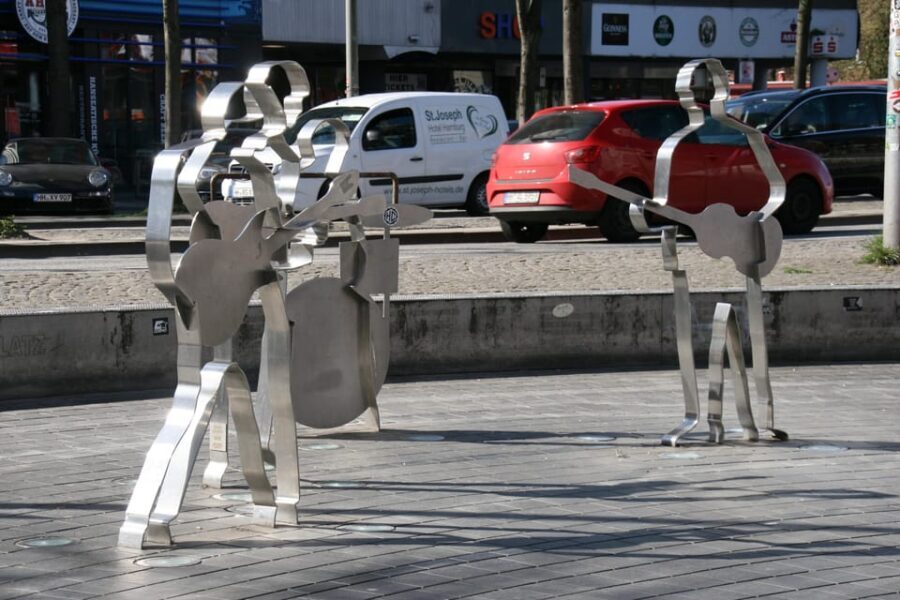
You’ll pass through Hans-Albers-Platz, which works like a mental checkpoint. In a 90-minute experience, you need places where the guide can tighten the thread and reset the group. This stop helps because it breaks the walk into segments rather than turning it into one long sprint down a busy street.
Even without technical “museum” explanations, a checkpoint is useful. It gives teachers a moment to check in, students a chance to re-focus, and you a chance to catch your bearings. If you’re the kind of traveler who likes to understand neighborhoods as systems, this is the part that makes the rest of the route feel planned rather than random.
Große Freiheit: where the Beatles and nightlife intersect
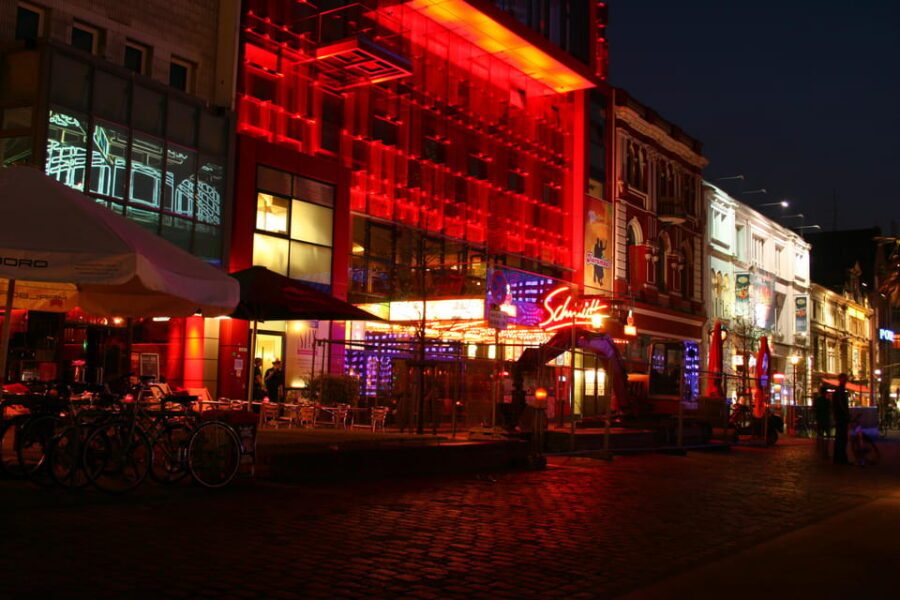
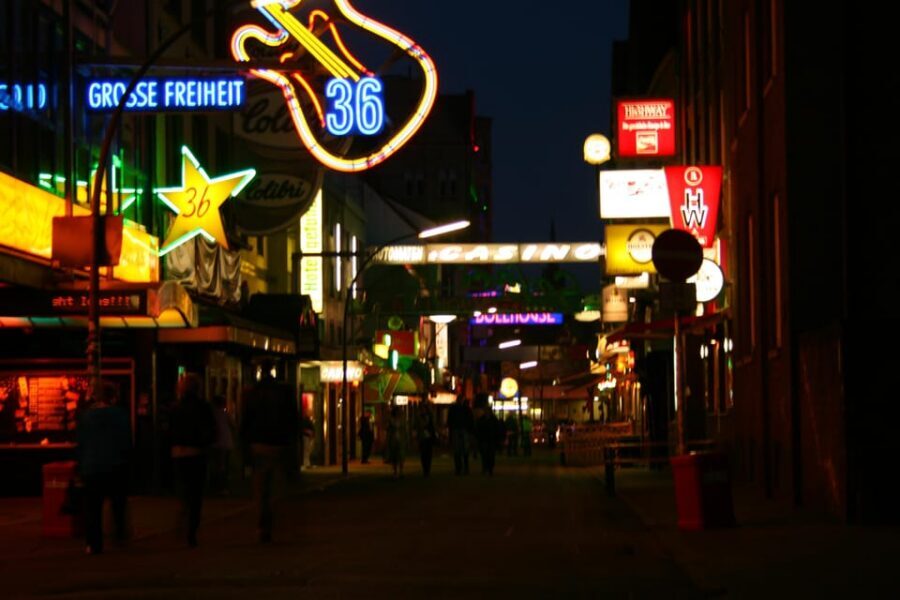
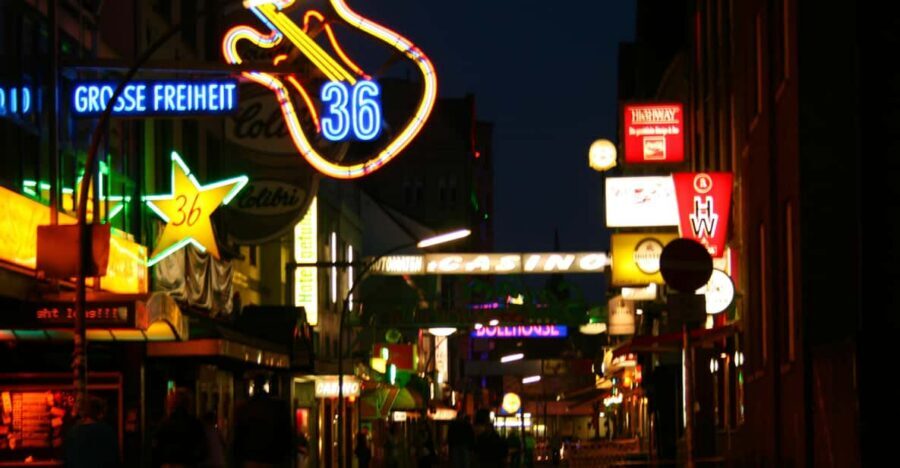
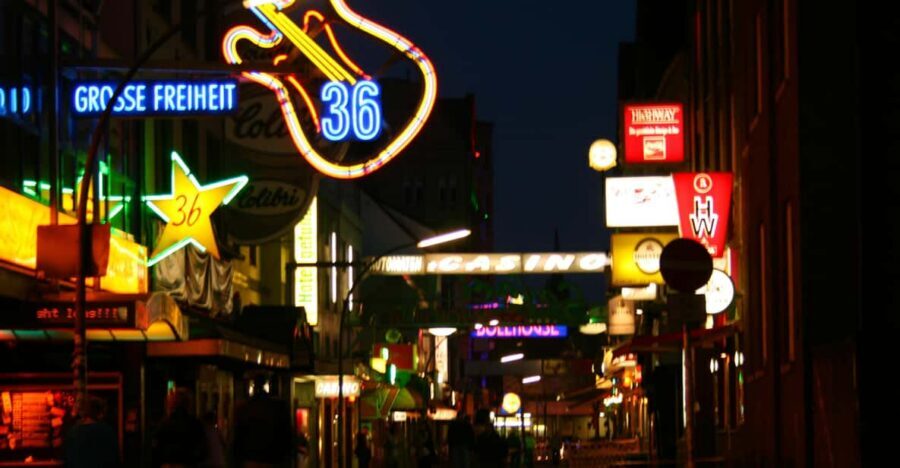
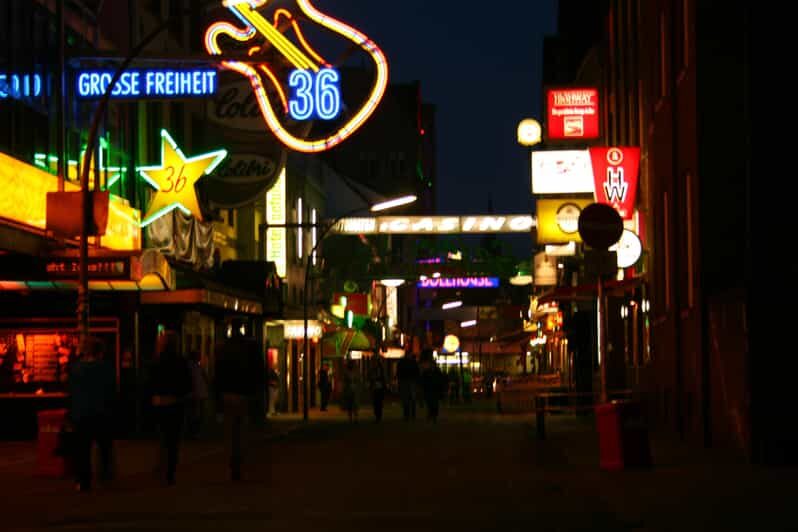
Then comes Große Freiheit, another name that’s synonymous with St. Pauli nightlife. Here’s where the Beatles connection becomes more than a slogan. The tour includes the Beatles among the issues covered on the stroll, and it places that pop-culture link into the actual streets where St. Pauli’s music and nightlife culture took shape.
This part of the walk is often what people remember most because it’s recognizable. But the real payoff is that you’re not learning Beatles trivia in a vacuum. You’re connecting a global phenomenon to a local setting—Hamburg’s entertainment district—and to the social realities around it.
One consideration: because this is a nightlife zone, the atmosphere can feel adult and intense. The tour is designed for school groups, but you should still think about the maturity level of your group and be clear about what questions are appropriate.
Other walking tours we've reviewed in Hamburg






Spielbudenplatz: finishing at a place you can keep exploring
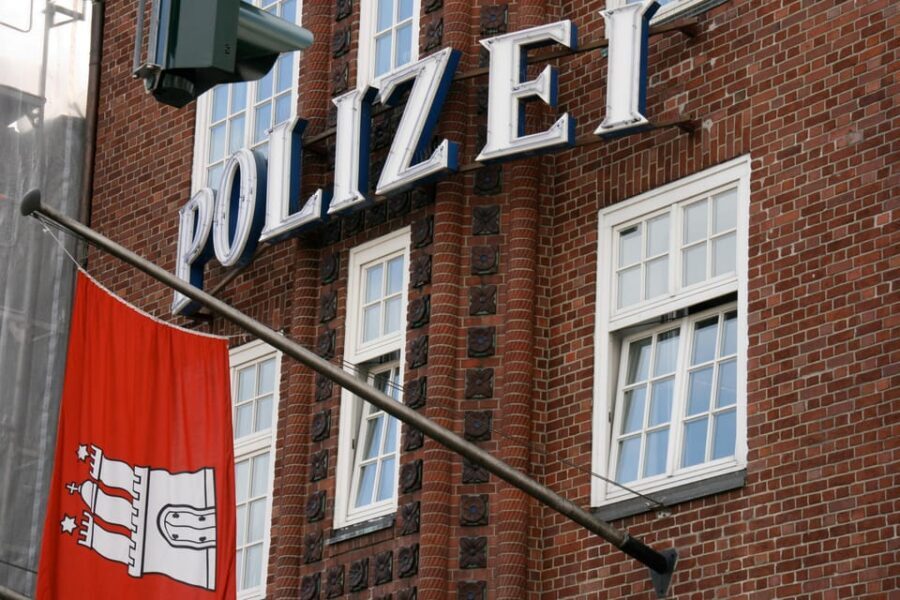
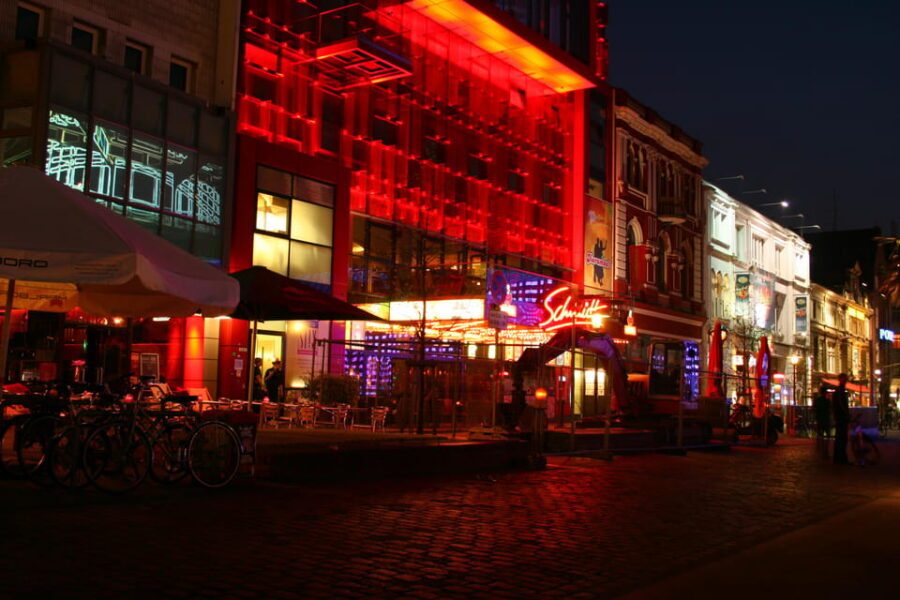
The walk loops back and ends at Spielbudenplatz. Finishing here is practical. It’s a central St. Pauli hub, so you don’t end up stuck at the edge of the district with no easy way to continue.
For a class day, ending at a well-known public square also makes logistics simpler. For independent travelers, it’s a good “base point” for the next step: you can stay for a meal, walk a bit more, or just regroup without the pressure of finding your way back.
If you want a smooth follow-up plan, treat the end as your off-ramp. After 90 minutes of structured storytelling, you’ll likely be ready to wander—slowly—using the themes you’ve just been given.
Price and value: what $188 per group really covers
The price is $188 per group up to 20, for 90 minutes with a live guide. For school groups, this is usually about control and predictability, not bargain hunting. You’re paying for a guided route that’s tailored for students and paced for a group walk rather than an open-ended “see what happens” stroll.
Here’s how I think about the value:
- If you have a full group near the 20-person limit, the per-person cost becomes reasonable fast.
- You’re getting more than sightseeing because the tour is put together especially for school groups, with themes like religious minorities, the former Chinatown, and the Beatles.
- The guide helps you avoid awkward moments where students ask questions you weren’t ready to answer on the spot. A good guide frames topics in a way that supports learning.
If your group is small and far from the 20-person cap, you’re still buying education + structure, but the math is less forgiving. In that case, I’d weigh whether you want a specific theme-focused walk versus something more general.
Who this is best for (and who should skip it)
This walk is a strong match for:
- School groups (it’s built for that, and it keeps the story tied to learning themes)
- Teachers and chaperones who want a guided framework in a complicated neighborhood
- Students old enough to handle adult-adjacent topics responsibly (the tour is not suitable for children under 15)
It may be a tougher fit if:
- You’re traveling with younger kids who need a simpler, lighter route
- Your group expects a purely entertainment-focused tour with no real-world topics
Also, it’s private group and wheelchair accessible, which is a big deal if you’re dealing with mixed mobility needs. And with guide language options in German and English, you can match the group’s comfort level.
What you’ll learn from St. Pauli besides the postcard version
The themes matter here. The tour explicitly includes:
- Religious minorities
- The former Chinatown
- Prostitution / red-light business
- The Beatles
- Street culture around clubs and pubs in the St. Pauli residential and nightclub quarter
This is why the tour can feel useful even to students who don’t care about celebrity history. St. Pauli becomes a case study in how a neighborhood changes with immigration patterns, entertainment economies, and social boundaries. You come away with a more complete picture than the usual “party street” narrative.
And you’ll likely notice something else: the guide doesn’t treat St. Pauli as one single story. It’s multiple stories that overlap in the same streets. That’s exactly the kind of neighborhood reading that travels well into the classroom—or into your own ability to make sense of big cities.
The booking call: should you go?
Book it if you want a structured, school-oriented walk through major St. Pauli landmarks, with context on topics like religious minorities, the former Chinatown, the Beatles, and the district’s red-light business. At $188 per group up to 20 for 90 minutes, it’s also a practical way to get a qualified guide without turning the day into a logistics headache.
Consider skipping or choosing another option if your group is under 15, or if you want a purely scenic nightlife tour with no heavier subject matter. This one is about meaning, not just sights—and it’s strongest when your group is ready for that.
FAQ
How long is the Hamburg St. Pauli guided walk for school groups?
The tour lasts 90 minutes.
Where does the tour start and where does it finish?
It starts at Pegelturm St. Pauli Landungsbrücken (meeting at the Uhrturm) and finishes at Spielbudenplatz.
What’s included in the price?
The tour includes a live tour guide.
What language is the tour offered in?
The guide can run the tour in German or English.
What is the price and group size?
The price is $188 per group up to 20.
Is it suitable for children?
No. It is not suitable for children under 15.
Is the tour wheelchair accessible?
Yes, it is wheelchair accessible.