REVIEW · HAMBURG
Hamburg: Line A Sightseeing Hop-On Hop-Off Bus Tour
Book on GetYourGuide →Operated by Hamburger Stadtrundfahrt - · Bookable on GetYourGuide
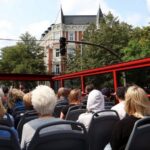
Hamburg clicks into focus from the top deck. I love how the GPS audio with headsets turns street names into clear stories, and I also like that the route hits the harbor, Speicherstadt, HafenCity, and Reeperbahn in one easy loop. One thing to plan around: the top deck can feel a bit tight in headroom, and the German loudspeaker can sometimes make it harder to hear your English channel.
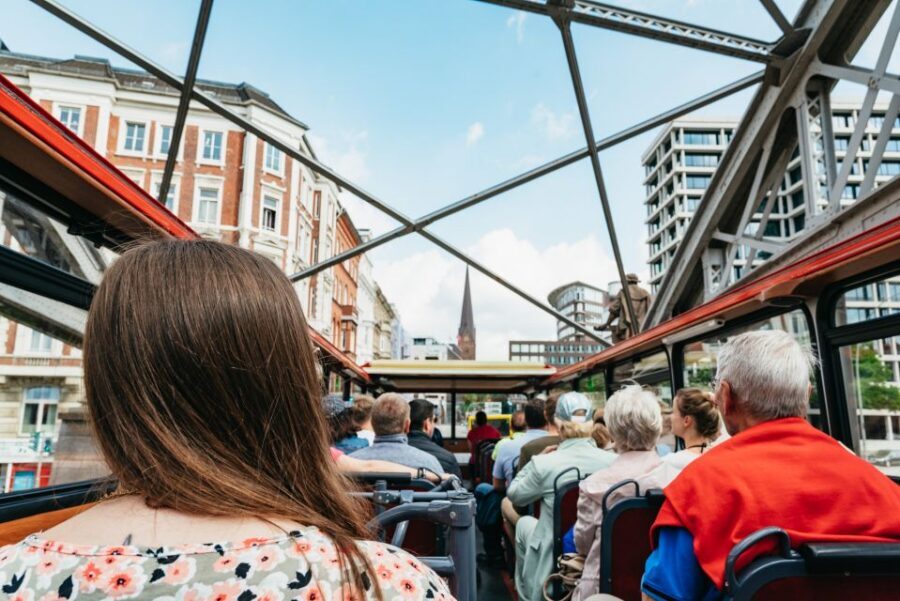
With a 1-day ticket, you can ride at your pace, get off when something grabs you, then board again at any of the stops. In good weather, you’ll also get open-air views, which makes the harbor feel wider and the Alster lakes feel brighter. If you’re short on time and want an overview before you start walking, this bus is a practical way to spend the day.
In This Review
- Key points worth knowing before you ride
- First Look at Hamburg from the Red Double-Decker Line A
- Price and value: why $24 can make sense here
- How the hop-on hop-off ticket plays out in real life
- The audio guide system: GPS steering plus headset reality
- Route walkthrough: harbor drama to nightlife street energy
- Stop-by-stop: what you’ll see and what to do with it
- U S Landungsbrücken (starting point)
- Elbphilharmonie (passing by)
- Überseequartier (passing by)
- HafenCity (passing by)
- Speicherstadt (passing by)
- Holzdamm (passing by)
- The Fontenay (passing by)
- Hamburg Dammtor (passing by)
- Park Planten un Blomen (passing by)
- Hamburg Messe (passing by)
- Jungfernstieg (passing by)
- Townhall, Hamburg (passing by)
- St. Michael’s Church, Hamburg (passing by)
- Reeperbahn (passing by)
- Return to U S Landungsbrücken
- Timing and frequency: plan around seasonal gaps
- Practical tips that make the day smoother
- Who this tour fits best (and who should consider something else)
- Should you book Hamburg Line A Hop-On Hop-Off?
- FAQ
- FAQ
- How long is the Hamburg Line A tour?
- How much does the bus tour cost?
- Where can I board the bus?
- Does the ticket include headphones and audio?
- What languages are available on the audio guide?
- Can I hop on and off during the day?
- Is the bus wheelchair accessible?
- What about cancellation or flexible booking?
Key points worth knowing before you ride
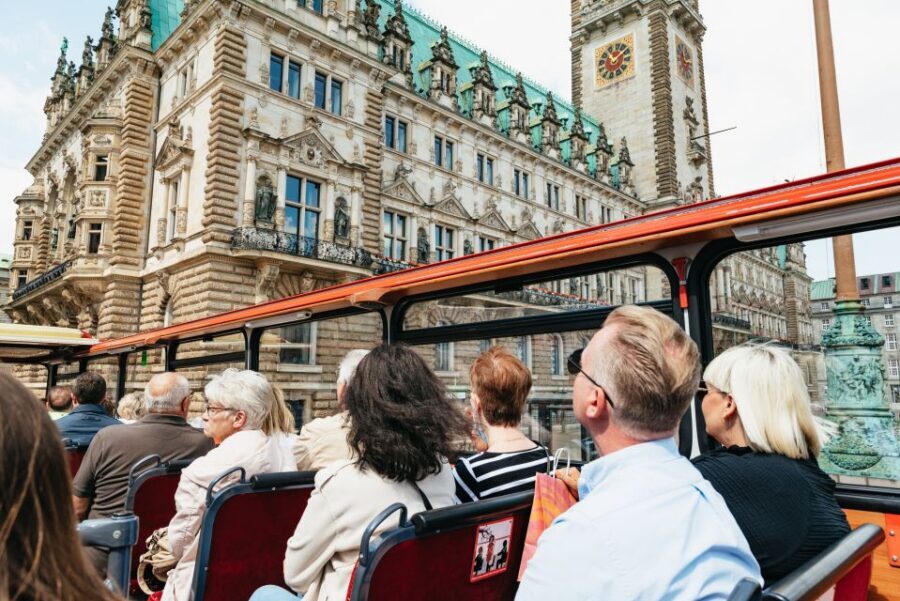
- 11-language GPS audio via supplied headsets helps you follow the route without guessing
- A top-deck, double-decker viewpoint makes Elbphilharmonie, HafenCity, and the harbor easier to understand
- Hop-on hop-off for 20 bus stops gives you flexibility for museums, waterfront walks, and coffee breaks
- Speicherstadt and HafenCity in one day shows how Hamburg mixes old trading warehouses with newer waterfront development
- Reeperbahn stops the story at street level so you get the city’s nightlife energy, not just the postcard views
- Seasonal frequency changes (especially in colder months) affect how tight your plan needs to be
First Look at Hamburg from the Red Double-Decker Line A
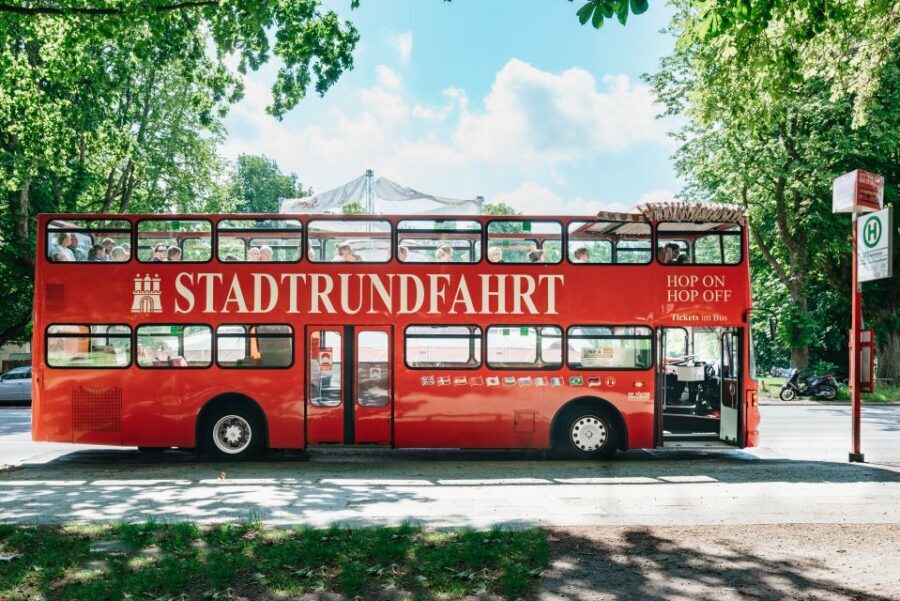
The best part of this tour is how fast it helps you build a map in your head. One minute you’re looking at the harbor’s working edges, and the next you’re gliding past landmark buildings and neighborhoods that feel totally different. From the top deck, the city doesn’t blur together—you can actually tell where the waterfront ends and the central areas begin.
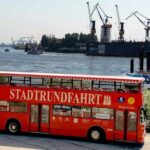
I also like that the day doesn’t depend on you finding an exact stop or timing a connection. You board at U S Landungsbrücken (St. Pauli area), and from there you get an organized loop through the key Hamburg areas. If you’re someone who gets restless on long public-transport routes, the bus is a welcome reset button: sit, listen, and watch.
Other hop-on hop-off bus tours in Hamburg


Price and value: why $24 can make sense here
At $24 per person for a full day, Line A is priced like a straightforward “get your bearings fast” tool. And in Hamburg, that’s a real value, because the big sights are spread out and the waterfront areas take time to understand on foot.
Here’s what you’re really buying:
- A full day on one ticket (so you’re not paying extra just to wait and ride another loop segment)
- Hop-on hop-off access across 20 stops, meaning you can tailor the day to your interests
- Headphones and GPS-controlled narration in 11 languages, so you’re not stuck with signage-only orientation
You do have to accept the trade-off that comes with any bus tour: you won’t linger in every spot. But for one-day planning, the cost-to-sight ratio often works out well—especially if you use the hop-off freedom instead of trying to see everything from the seat.
How the hop-on hop-off ticket plays out in real life
This is built for flexible pacing. You get your ticket for the day, hop on and off at the listed stops, and you can keep returning to the route as long as your ticket is valid for that day.
In practice, I suggest using it like this:
- Ride first to learn the geography.
- Then, hop off for a second pass at the places you actually want to explore longer.
That strategy matters because the narration helps you decide what you care about. Without the audio, it’s easy to rush past HafenCity style architecture or miss the vibe of the older Speicherstadt area. With the narration, you know what you’re looking at—and then your walks make more sense.
The audio guide system: GPS steering plus headset reality
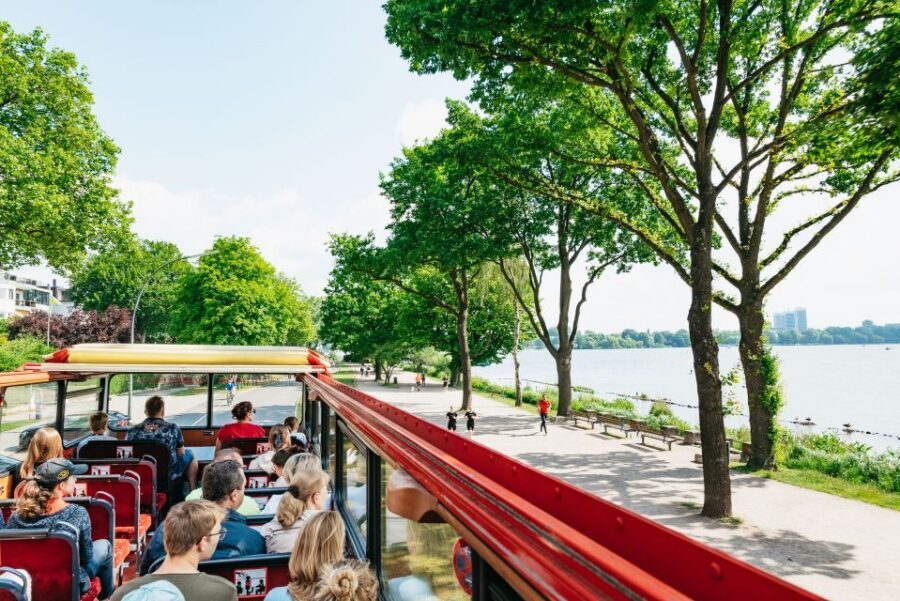
The onboard setup is one of the strongest parts of the experience. You get headphones and a GPS-controlled audio guide with narration in English, German, French, Italian, Spanish, Portuguese, Japanese, Russian, Chinese, Arabic, and Danish. The audio is designed to be clear and timed to your position, so you don’t feel lost.
A practical heads-up, based on what I’ve learned from how people experience it: the bus sometimes has German commentary through a loudspeaker at the same time as your headset audio. If you’re sensitive to overlapping sound, bring patience and keep your headset volume at a level that you can manage without blasting it.
Also, don’t be shocked if the headset audio doesn’t always feel perfectly synchronized. It’s technology on a moving vehicle—sometimes it works great, and sometimes you might miss a point when the sound cuts out for a moment. If you do catch a gap, simply wait for the next location cue and you’ll usually get back on track quickly.
Route walkthrough: harbor drama to nightlife street energy
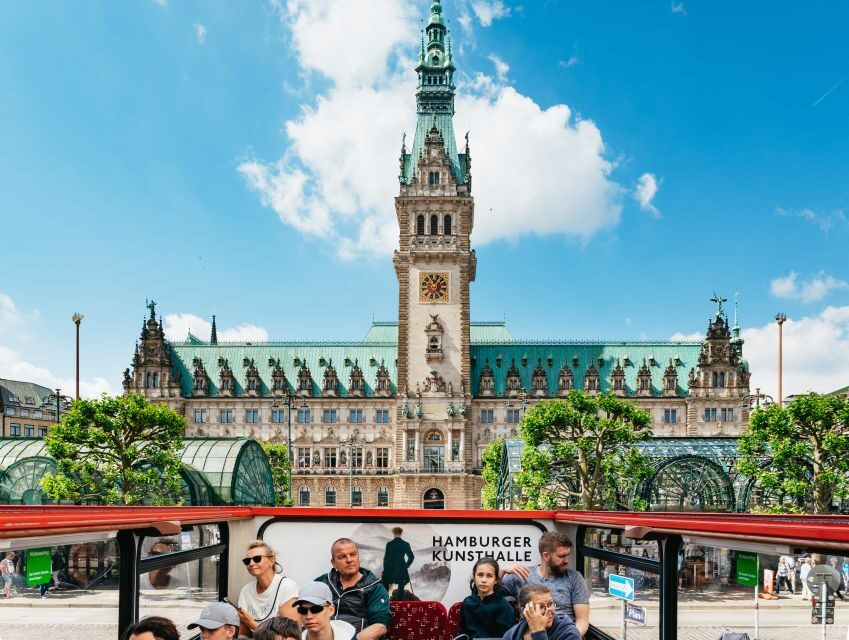
Line A stitches together three very different Hamburg moods: the waterfront and harbor, the historic warehouse district, and the city’s famous nightlife area.
You start at U S Landungsbrücken, which is already a classic Hamburg port scene—boats, water, and the feeling that the city was built by trade. From there, the bus moves through the city’s major waterfront storylines, including the modern showpieces around HafenCity and Überseequartier, then back into older brick-and-iron textures in Speicherstadt.
Then comes the shift. As the route heads toward the central landmarks and down to the Reeperbahn, the narration—and the sights—change tone. It stops being only architectural and starts feeling like you’re watching daily life and nightlife unfold.





Stop-by-stop: what you’ll see and what to do with it
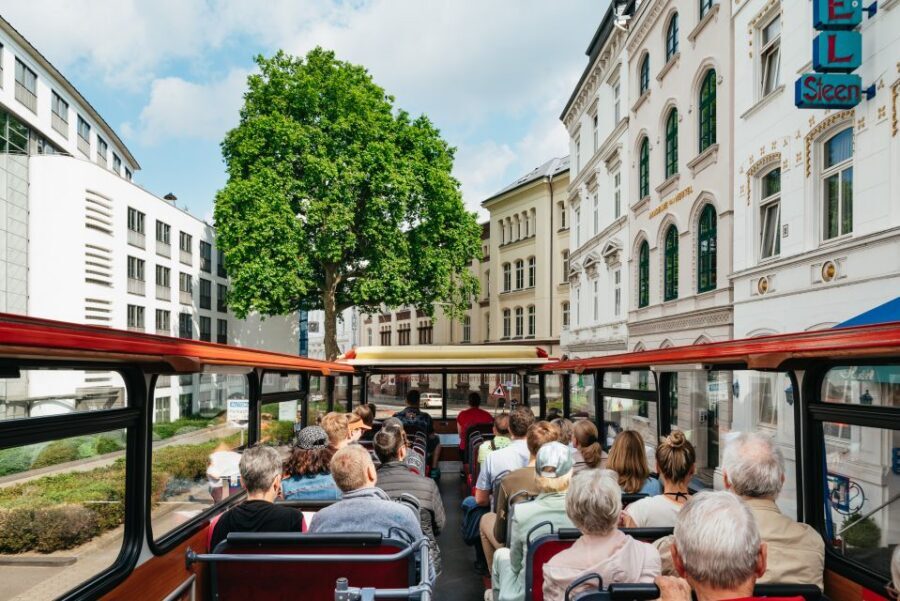
Below is the ride’s main sequence, with practical ideas for what each moment is best for. On a hop-on hop-off ticket, some of these spots are better as quick “look and learn” stops, while others are great for hopping off and exploring.
U S Landungsbrücken (starting point)
This is where Hamburg’s harbor identity is easiest to grasp. Even if you only sit on the top deck for the first few minutes, you’ll see how much of the city’s center turns toward the water. If you’re planning to do one thing before the tour ends, this is also a good place to orient yourself for later walks.
Tip: if you’re arriving by train, give yourself extra buffer time finding your boarding stop. The bus line is well marked, but it still helps to double-check you’re on the correct red double-decker.
Elbphilharmonie (passing by)
You’ll get strong views of the Elbphilharmonie, one of the most recognizable Hamburg silhouettes. From a double-decker, you don’t just see the building—you see it in relation to the surrounding harbor area and skyline. It’s a great “anchor sight” for your mental map.
Best use: stay on board and watch how the bus angle changes your perspective. That helps you understand where the concert hall sits compared to the water and the road network.
Überseequartier (passing by)
This area gives you a cleaner look at the modern waterfront side of Hamburg. It’s the kind of stop where the narration helps you connect what you’re seeing (new development) to why it exists (the city’s evolution as a port and business center).
Best use: listen closely here. The visuals make more sense when you know what you’re looking at.
HafenCity (passing by)
HafenCity is one of the big reasons people choose this route. Hamburg takes its harbor past and repackages it for today—new architecture, broad waterfront lines, and a different feel than the older districts.
Best use: treat it as your modern contrast section. Compare what you see here with what you’ll see soon at Speicherstadt.
Speicherstadt (passing by)
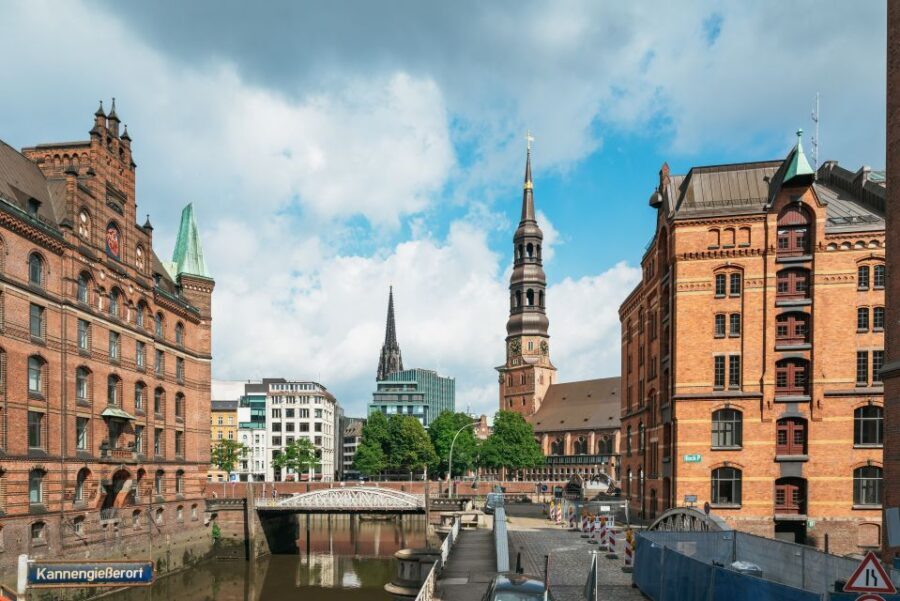
This is where the tour turns more historical. You’ll glide past Speicherstadt, Hamburg’s famed warehouse district, and you’ll get a better sense of why the area matters. Even without entering anything, the views from the bus make the district feel like a planned trading world—built with purpose.
Best use: if you want photos, this is a prime moment for shots from the upper deck while you still have clear sightlines.
Holzdamm (passing by)
The bus passes Holzdamm, which helps bridge the harbor-and-warehouse story back toward central Hamburg. Think of it as a connector scene: not flashy like a headline landmark, but useful for understanding how the waterfront links into the rest of the city.
Best use: keep your eyes up. This is a “read the city’s wiring” stretch.
The Fontenay (passing by)
You’ll see The Fontenay as the tour tracks along the waterfront corridor. It’s one of those buildings that visually communicates modern Hamburg—less about trading warehouses, more about today’s luxury and branding.
Best use: if you like architecture and city contrast, don’t zone out here. The narration makes the differences click.
Hamburg Dammtor (passing by)
Hamburg Dammtor is another landmark-style pass that helps you place the city center relative to the waterfront. It’s useful for your mental map because it signals you’re moving from the water’s edge toward major inner-city landmarks.
Best use: listen for the way the commentary connects districts. That’s what turns random stops into a coherent story.
Park Planten un Blomen (passing by)
This is your green break moment. Even though you’re mostly seeing it from the road, it gives the city a breath of open space. It’s a good sign that Hamburg isn’t only port infrastructure and dense streets.
Best use: if the weather is nice, consider using your hop-off freedom here to stretch legs—then re-board when you’re done.
Hamburg Messe (passing by)
Passing Hamburg Messe adds a “different Hamburg” layer. It’s the city as business and events, not just heritage and sightseeing.
Best use: if you travel for conferences or events, this helps you understand where that side of the city lives.
Jungfernstieg (passing by)
Jungfernstieg is central and easy to recognize. It’s one of those places where you feel the city’s heartbeat—the move from waterfront and landmarks into shopping and everyday streets.
Best use: this is a good candidate for a hop-off if you want a longer stroll segment before returning to the bus.
Townhall, Hamburg (passing by)
As the bus approaches the Townhall, you’ll see the civic center vibe. It’s a classic “this is where power and administration sit” stop.
Best use: keep your camera ready, but also listen. Civic architecture often hits harder when you know the story behind it.
St. Michael’s Church, Hamburg (passing by)
You’ll pass St. Michael’s Church, one of the city’s most recognizable church landmarks. It adds a strong cultural layer to the route—especially because it comes after you’ve been through the port, warehouse district, and central core.
Best use: if you like religious architecture or Hamburg’s skyline landmarks, this is one of the moments where the top deck angle really helps.
Reeperbahn (passing by)
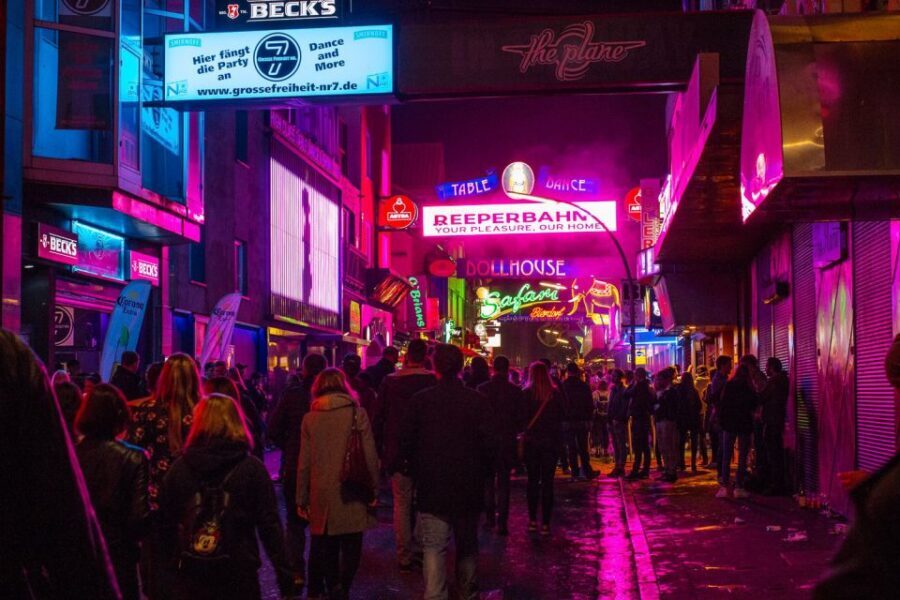
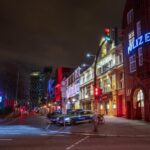
Then you reach the Reeperbahn, Hamburg’s famous Red Light district. This section shifts tone from scenic to street-level. From the bus, you’ll get the energy and the context fast, without you having to navigate every side street right away.
Best use: if nightlife interests you, hop off for a short walk after the bus passes through. If you’d rather keep it strictly daytime, stay onboard and use it as a guided introduction.
Return to U S Landungsbrücken
Coming back to the harbor area closes the loop. It’s also practical. Starting and ending in the same spot makes it easier to plan a final meal or waterfront walk.
Timing and frequency: plan around seasonal gaps
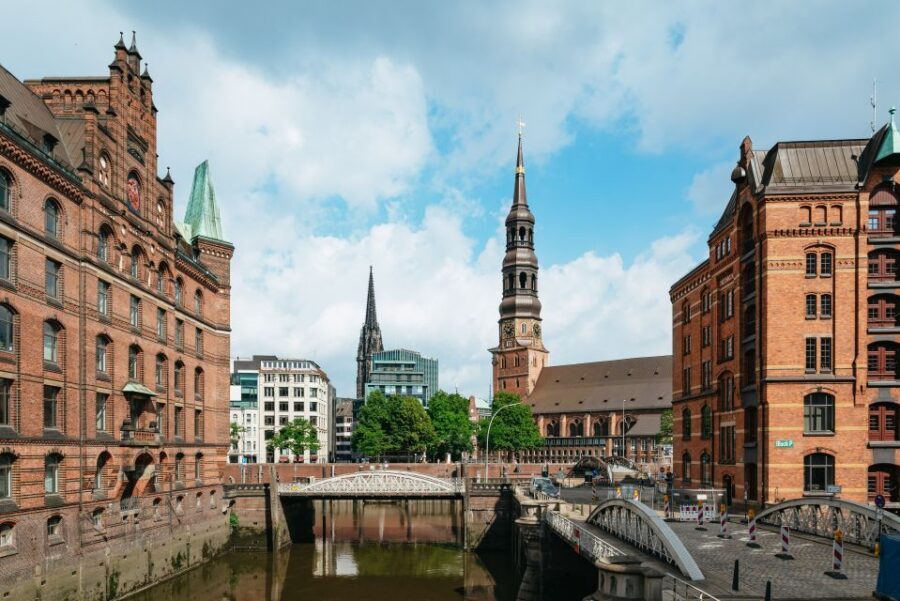
When I plan bus days, I treat frequency like a hidden cost. If you’re waiting too long, you lose the benefit of hop-on hop-off freedom.
Here’s what you can count on from the schedule details:
- From November to April: buses depart every 60 minutes Monday–Thursday, and every 30 minutes Friday–Sunday.
In warmer months, service can feel much tighter. Some riders have noted around every 15 minutes. Either way, I recommend you check the operator’s schedule ahead of time and build a small buffer if you’re relying on a hop-off plan.
Practical tips that make the day smoother
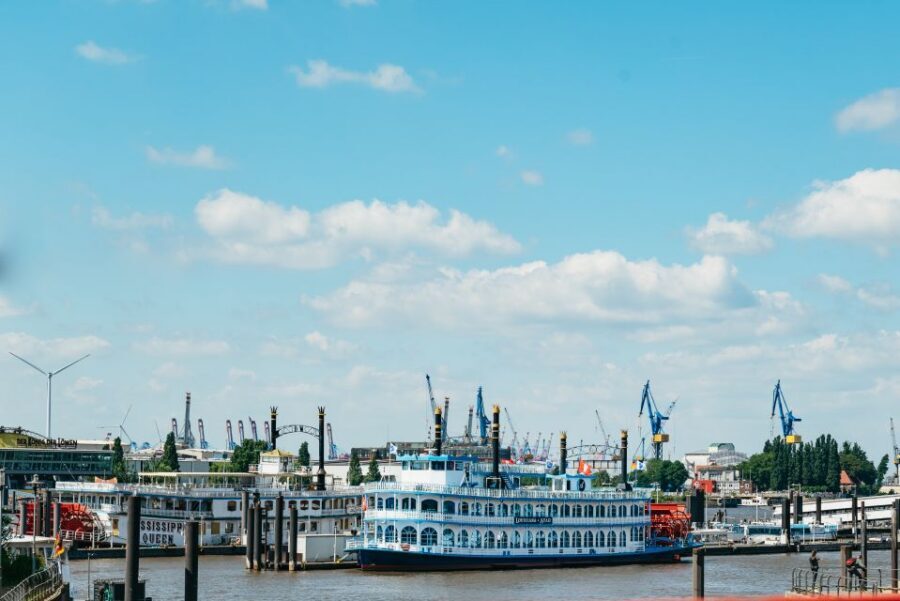
A few small moves can prevent the most common headaches:
- Pick your boarding stop confidently. You can start at Central Station/Kirchenallee or St. Pauli Landungsbrücken 1–2, or any of the other stops on Line A. Look for the red double-decker.
- Don’t mix up line options. The route experience depends on staying on Line A, and confusion can happen when multiple lines show up near the same general area.
- Manage the sound. If German loudspeaker announcements compete with your selected headset language, lower the headset volume slightly and listen for clearer GPS prompts.
- Watch the headroom. If you’re around or over six feet tall, the upper deck can feel tight. Choose a seat higher up only if you’re comfortable with the space.
- Use the headset setup early. Get settled and test the audio before you get too far down the route.
Who this tour fits best (and who should consider something else)
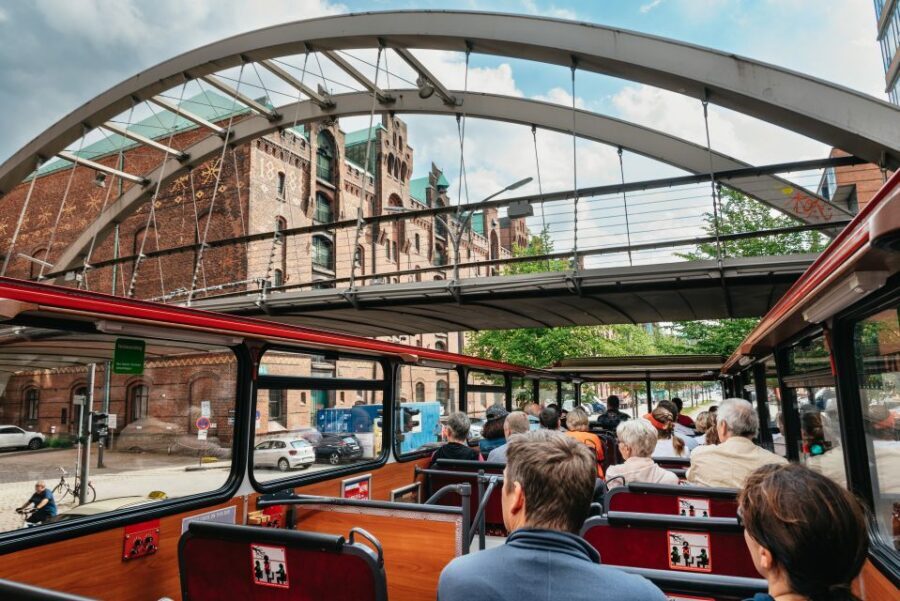
This works best if you:
- have one day in Hamburg and want a clear orientation
- want to cover the big contrasts: harbor → warehouse district → modern waterfront → central landmarks → Reeperbahn
- prefer structured sightseeing but still like freedom to get off and wander
It might be less ideal if you:
- want long time in a single site and don’t care about geography
- are very sensitive to overlapping audio on public transport
- need a strict, minute-by-minute plan (winter frequency can slow you down)
If your goal is to understand Hamburg quickly, this is a strong match.
Should you book Hamburg Line A Hop-On Hop-Off?
Yes, I’d book it if you want a practical one-day overview that you can shape to your interests. For $24, the value comes from the mix of 20 stops, headset narration in 11 languages, and the fact that the route includes both the historic Speicherstadt and the modern HafenCity, ending with a reality check at the Reeperbahn.
If you hate bus tours and only enjoy slow museum time, you’ll likely feel constrained. But if you want an efficient first pass through Hamburg—especially on a tight schedule—this one is worth it.
FAQ
FAQ
How long is the Hamburg Line A tour?
The tour is listed as a 1-day experience.
How much does the bus tour cost?
It’s priced at $24 per person.
Where can I board the bus?
You can board at Central Station/Kirchenallee, St. Pauli Landungsbrücken 1–2, or any of the other Line A stops.
Does the ticket include headphones and audio?
Yes. The tour includes headphones on the bus and a GPS-controlled audio guide system in 11 languages.
What languages are available on the audio guide?
The audio guide languages listed are English, German, French, Italian, Spanish, Portuguese, Japanese, Russian, Chinese, Arabic, and Danish.
Can I hop on and off during the day?
Yes. The day ticket allows you to hop on and hop off at stops along the route (20 bus stops are mentioned).
Is the bus wheelchair accessible?
Yes, the bus is wheelchair accessible.
What about cancellation or flexible booking?
Free cancellation is available up to 24 hours in advance for a full refund, and you can reserve now and pay later.