REVIEW · HAMBURG
Hamburg Hop-on Hop-off Sightseeing Tour on Red Double Decker Bus
Book on Viator →Operated by Hamburger Stadtrundfahrt Die Roten Doppeldecker GmbH · Bookable on Viator
Hamburg moves fast, so this bus slows you down. This hop-on hop-off ride is a simple way to cover a lot of the city in 90 minutes, then spend the rest of your day where you actually want to linger. You get an audio guide in English (plus other languages) and a route with dozens of stops.
What I really like is the freedom. You can sit through the full loop for a quick city “preview,” or jump off at major sights like the Rathaus (City Hall), St. Michael’s Church, and the Reeperbahn area, then rejoin when you’re ready.
One drawback to plan for: the loud German bus announcements can interfere with hearing your English audio clearly through headphones. If you’re sensitive to overlapping sound, bring patience and be ready to adjust volume.
In This Review
- Key points
- The Red Double-Decker Route: a fast way to get your bearings
- Price and value: when $25.29 feels fair
- Where to board: St. Pauli port or Hamburg Central Station
- The audio test: English is there, but volume matters
- Stop-by-stop highlights along the harbor and Speicherstadt world
- Central Hamburg essentials: Rathaus, theaters, and art institutions
- St. Michael’s Church to the Reeperbahn: two Hamburg moods in one loop
- Harbor cruise upgrade: the Elbe angle (April to October)
- When things go sideways: construction, early cutoffs, and crowded stops
- Comfort and practical tips: seats, weather, and the restroom reality
- Should you book this Hamburg hop-on hop-off bus?
- FAQ
- How long is the Hamburg Hop-on Hop-off bus tour?
- Where can I board the bus?
- Is this a hop-on hop-off day ticket?
- Do you offer English commentary?
- Is there an option to add a harbor cruise?
- What is the price per person?
- Are there restrooms on board?
- What are the tour’s operating hours?
- What is the cancellation policy?
Key points
- 29 hop-on hop-off stops give you real control over your pace
- English audio guide available across 11 languages on board
- Top sights on the route: Rathaus to St. Michael’s Church and the Reeperbahn
- Optional harbor cruise upgrade runs April to October only
- Possible hiccup: German narration from the speakers may overpower other languages
- Watch for schedule changes on some days due to road works or disruptions
The Red Double-Decker Route: a fast way to get your bearings
If you land in Hamburg with limited time, this is one of the easiest “first-day” moves you can make. A hop-on hop-off bus gives you a city overview without forcing you into one rigid walking route. You can choose the order of what you see, and you can do it on your feet or while sitting down (important when weather swings).
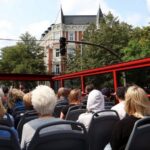
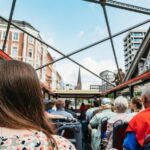
On the bus, you’ll hear recorded commentary in English and other languages. Seats are split between a covered indoor section and an open-air upper deck style experience, depending on the setup and weather. That matters because Hamburg can go from crisp to rainy fast, and you’ll appreciate having a place that doesn’t turn into a wet sock.
The route is built around the places most visitors want: the harbor and warehouse areas, the grand central landmarks, and the neighborhoods around St. Pauli and Reeperbahn. Even if you only stay on the bus for the full circuit, you’ll leave with enough context to navigate the rest of the day without feeling lost.
Other hop-on hop-off bus tours in Hamburg


Price and value: when $25.29 feels fair
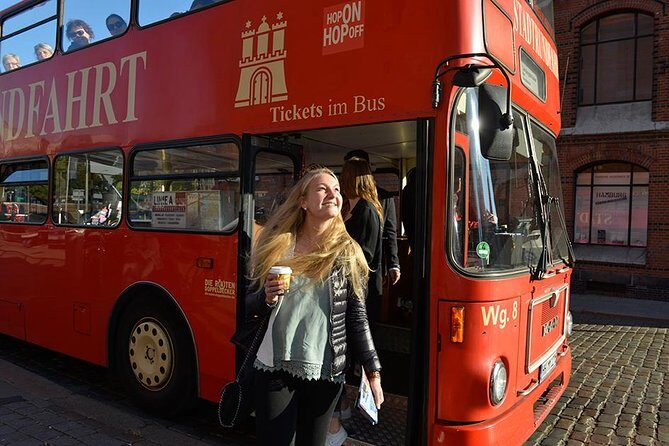
At $25.29 per person for a day ticket, the value depends on how you travel. This isn’t a “one-time” ticket. The whole point is that you can hop on and off as many times as you like during the day. If you plan to visit several stops instead of only taking a single loop, the price starts to feel very reasonable.
You also get something that’s hard to buy separately: an audio guide that ties landmarks together as you pass them. That helps when you’re trying to make sense of Hamburg’s mix of old-world architecture, modern waterfront redevelopment, and port industry.
If you’re the type who likes to walk, pop into museums, and stop for photos, you’ll usually get good mileage out of this ticket. If your goal is just one quick ride with no real stops, it can feel like an expensive taxi for views. For that scenario, it might be smarter to use local transport and spend that money on one paid entrance.
Where to board: St. Pauli port or Hamburg Central Station
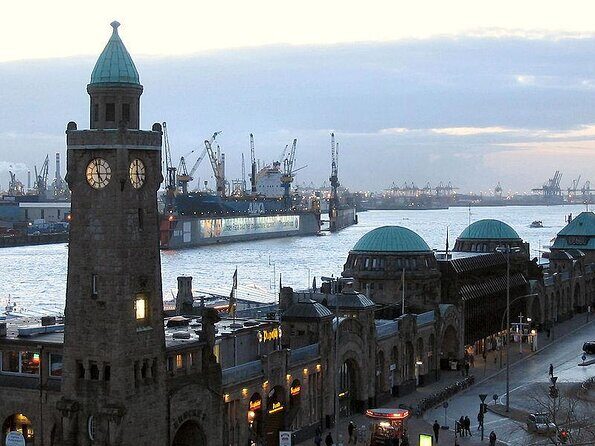
The two main starting points are straightforward: St. Pauli Landungsbrücken (Port of Hamburg) and Central Station (HBF). That’s great because you can match the pickup point to your hotel and avoid awkward cross-city transfers.
Still, pickup spots can be confusing in busy areas. Some people find themselves wandering at first before the bus becomes obvious. My practical advice is simple: arrive a little early, stand where people are clearly waiting, and confirm the stop name on your ticket before you move on. If you’re on a tight schedule, build in time for that first “finding the bus” moment.
If you’re coming from a cruise stop, there’s an extra reality check. Hamburg’s cruise areas don’t always place you right next to every tour pickup, so you may need a short transfer to reach a hop-on stop. The good news is that there is a stop right near the St. Pauli port area, which is one of the big advantages of this route.
The audio test: English is there, but volume matters
This is the big thing to know before you settle in. The tour includes 11 languages through the onboard audio guide, and English is available. On paper, that’s perfect.
In practice, the bus speakers can be loud with German narration. That can make the translated audio in your headphones harder to hear cleanly. On some rides, the overlap becomes so noticeable that you’ll need to turn down the speaker volume (if there’s a control) or adjust your listening position.
So here’s how to set yourself up:
- Bring earbuds or headphones you’re comfortable adjusting quickly.
- Stay alert for your language selection and volume level as you start.
- If the German broadcast is overwhelming, move toward a quieter part of the bus when possible.
Some people also report that the driver occasionally adds extra commentary in German. That’s one more reason headphones may not feel like total control. It doesn’t ruin the ride, but it does mean you should expect occasional moments where you’re not hearing everything at once.
Stop-by-stop highlights along the harbor and Speicherstadt world
The best part of Hamburg is that it doesn’t feel like one style of city. It’s port, it’s commerce, it’s grand civic buildings, and it’s neighborhoods with character. This route gives you a strong sampling, starting near the Port of Hamburg.
From the harbor-area starting point at St. Pauli Landungsbrücken, you’ll head toward the water-focused sections. Along this stretch, you’re looking for a change of scenery: industrial and waterfront views, big structures tied to maritime life, and the sense that Hamburg is still working.
Key stops you’ll care about here:
- Elbphilharmonie / HafenCity: You get a clear look at the modern waterfront landmark called out on the route. It’s the kind of structure that you’ll want to see from multiple angles, and the bus loop helps with that.
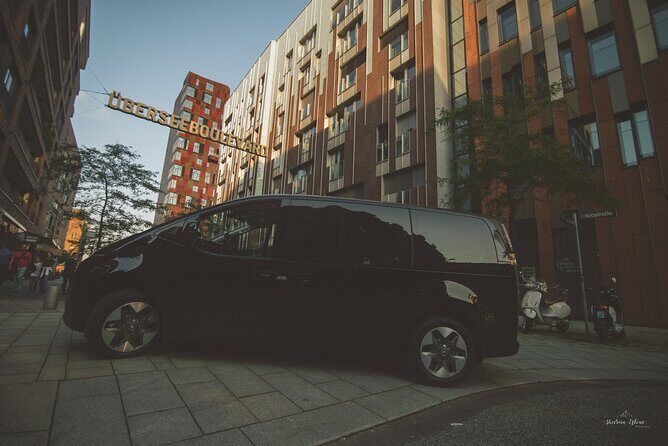
- Überseequartier / Cruise Terminal area: This is where the harbor mood feels very “Hamburg logistics,” not just postcard tourism.
- Auf dem Sande (including Hamburg Dungeon and Miniaturwunderland): If you want attractions that are easier to visit without planning a long walk, this stop puts you close. It’s also a good option if the weather turns ugly.
- HafenCity / Speicherstadt area via Singapurstraße: This section matters because it’s a signature Hamburg area tied to warehouses and historic maritime commerce. If you like architecture and the way old and new sit side by side, this is a high value get-off.
- Kontorhausviertel / UNESCO World Heritage at Steinstraße: This stop is where the route shifts from port-focused to architecture-focused. It’s also close to the area associated with the Chilehaus highlight, which is often a main reason people get on this bus in the first place.
If you’re wondering what to do if you hop off here: start with a short walk from the bus stop, then pick one place to go deeper (either an indoor attraction like Miniaturwunderland or a focused architecture stroll around the heritage area). Don’t try to do everything in one stop—your best photos come from lingering.


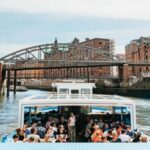


Central Hamburg essentials: Rathaus, theaters, and art institutions
Once you move away from the harbor and toward the inner city, the bus becomes more about civic beauty and everyday Hamburg life. You pass along some of the city’s more recognizable public areas and institutions.
A few major stops that anchor the center:
- Hamburger Kunsthalle near Spitalerstraße: This is the stop to use if you want art without guessing where museums are. Even if you don’t enter, it’s a helpful orientation point for your walking day.
- Alster lakes areas at Außenalster Ost (Holzdamm) and Außenalster West (Fontenay), plus Binnenalster (Neuer Jungfernstieg): These stops are where Hamburg slows down. You’re trading port views for water-and-building scenes. It’s a perfect time for photos and for simply watching the city.
- Universität / University of Hamburg at Moorweidenstraße: This adds a “Hamburg has brains” angle to the route. It can be a good place for a quick break or a casual look at campus life from the edges.
- Dammtor station: If you’re trying to plan movement around the city, this helps you understand where train connections sit relative to sights.
- Planten un Blomen park (Planten un Blomen): This stop is a nice change of pace. If you want green space without committing to a big hike, this is a sensible get-off point.
- Colonnaden / Esplanade: You’ll see an elegant stretch that works well for walking between the bigger landmarks.
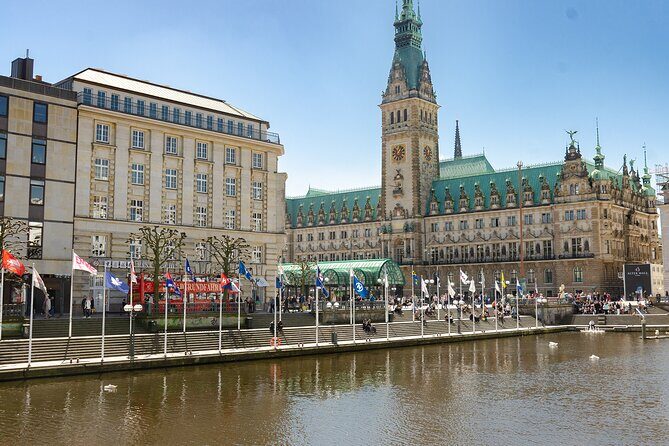
- Rathaus (City Hall) at Rathaus: This is one of those places you want to see in person. It’s also a strong “finish or reset” point. If you’re tired, get off, take a look, then decide if you want more downtown exploring or a return ride.
- Großer Burstah near the finance district: Great if you want a quick view of the city’s business side without treating it like a full commute.
The central section is best if you’re the kind of traveler who likes to structure a day around two or three anchor sights, then let everything else become supporting context.
St. Michael’s Church to the Reeperbahn: two Hamburg moods in one loop
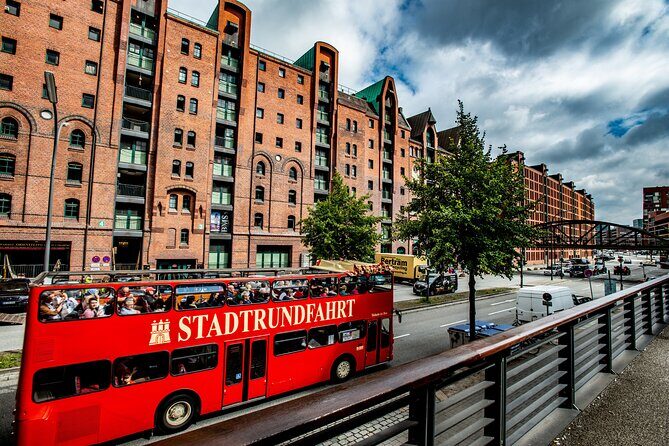
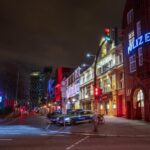
This part of the route is where Hamburg stops trying to be polite and starts being itself. You’ll go from major landmark architecture to streets known for nightlife and the famous St. Pauli energy.
- St. Michael’s Church (stop near Ludwig-Erhard Str.): This is a classic Hamburg icon. It’s also the kind of stop where you can spend a little time just looking at the surrounding streets, not only the building.
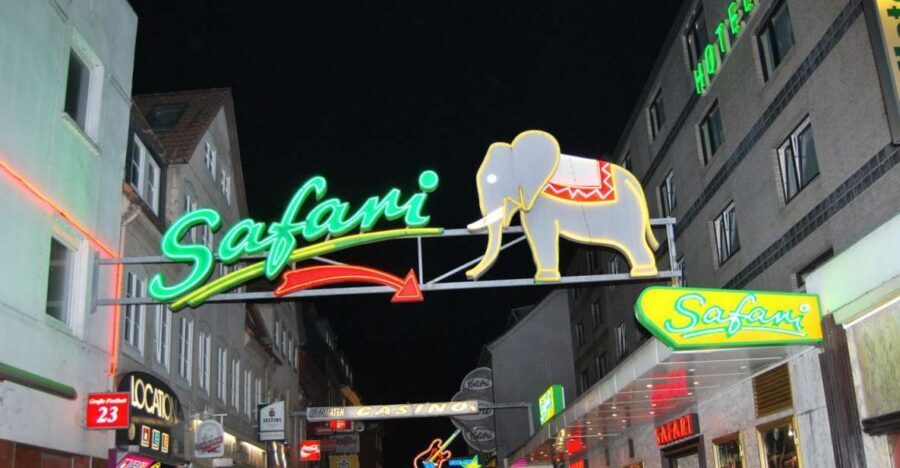
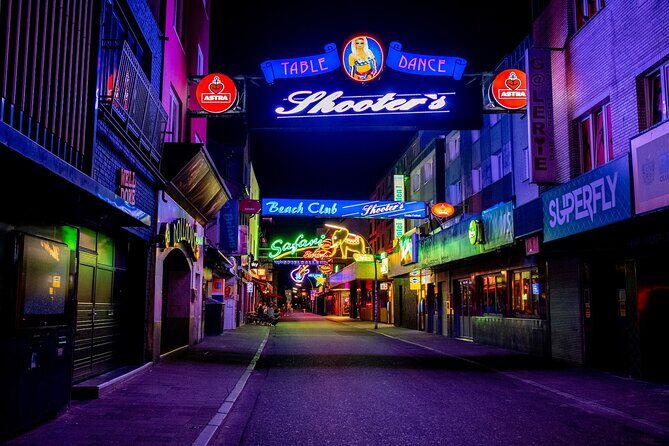
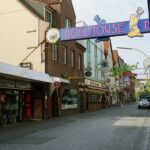
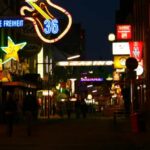
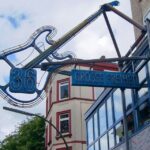
- Bernhard-Nocht-Straße / Reeperbahn: This is the entry point to the area that’s often described as Hamburg’s red-light district. Even if you don’t plan to go inside venues, the streets are part of the show. Expect a different vibe than the quieter waterfront stops.
There’s also a strong note to the St. Pauli fish market—linked with big Sunday crowds—so if your visit lines up with a weekend, this area has a lot more life around it.
My advice: don’t force this section if you’re not in the mood. If you’re traveling with kids or you’d rather skip the late-night atmosphere, stay on the bus for the views and pick another stop instead.
Harbor cruise upgrade: the Elbe angle (April to October)
If you want a change of pace from the city streets, upgrade to include the harbor cruise. It runs April to October only, so if you’re outside those months, the bus will be your best harbor option.
This upgrade matters because the harbor isn’t just something you see from land. Container ship terminals, warehouse districts, and the Elbphilharmonie area look different from the water. You also get a calmer rhythm for a day that can otherwise be all stops and starts.
One practical way to use this upgrade: do your bus sightseeing first, so you know what the cruise is showing you. Then, when you’re on the boat, you can connect the buildings and docks you already recognized from the route.
When things go sideways: construction, early cutoffs, and crowded stops
Hop-on hop-off tours are simple, but they are not magic. This kind of bus route depends on streets staying open and traffic cooperating. On some days, construction can mean the bus misses certain stretches, which forces a longer walk to the next stop.
Crowds can also change your experience. Even when the ride is efficient, busy stops mean you may need to wait longer than the average. One of the most helpful behaviors is to assume you’ll be flexing. If you see a delayed bus, don’t panic and don’t sprint like it’s the last train on earth. Just regroup and plan to walk a bit if you must.
There are also reports of earlier-than-usual end times due to disruptions. So if you’re trying to catch a later plan (especially with a fixed schedule like a cruise departure), treat the bus as an outline, not a guarantee. Build in buffer time.
Comfort and practical tips: seats, weather, and the restroom reality
This tour gives you plenty of comfort options, mainly through the seating choice and your ability to stop for breaks. But there are a couple of practical realities to respect.
- The bus route is weather-dependent for the outdoor experience. When it’s wet, windows can fog up. If you want clear views, having something simple like a cloth can help you de-fog periodically.
- Some people report that on hot days, the bus can feel warm if there’s limited cooling. If you’re visiting in peak summer heat, plan to hydrate and consider doing the open-air time in shorter bursts.
- There’s no restroom on board. So don’t treat this as something you’ll ride for hours without planning a stop. Use your hop-off time for quick breaks.
Also, keep a close eye when you’re boarding and re-boarding. A common frustration with any hop-on bus is missing the moment the doors close. If you’re at the stop, be ready when it arrives.
Should you book this Hamburg hop-on hop-off bus?
You should book if you want:
- A straightforward way to see big Hamburg highlights across harbor, center city, and St. Pauli
- Audio support in English, so you can follow what you’re seeing
- Flexibility to hop off at a few priority stops and not commit to one long guided walk
You might skip it (or choose a different plan) if:
- You’re very sensitive to audio issues and hate overlapping narration
- You expect a totally smooth, uninterrupted route with no disruptions
- You want long indoor time with on-board amenities like a restroom
My honest bottom line: this is a good value orientation ride for a first day. The only real gamble is the audio mix and the occasional operational hiccup. If you go in knowing that, you’ll use the route to get your bearings fast and then spend your energy on the stops you actually care about.
FAQ
How long is the Hamburg Hop-on Hop-off bus tour?
The tour runs about 1 hour 30 minutes.
Where can I board the bus?
You can board at the St. Pauli port area (St. Pauli Landungsbrücken 1–2 / Main starting point) or at Central Station (HBF / Kirchenallee).
Is this a hop-on hop-off day ticket?
Yes. It’s a day ticket, and you can hop on and off as many times as you like.
Do you offer English commentary?
Yes. The tour is offered in English, and there is audio guide commentary in 11 languages.
Is there an option to add a harbor cruise?
Yes. You can upgrade to include a city harbor cruise, which runs April to October only.
What is the price per person?
The price is $25.29 per person.
Are there restrooms on board?
No. A restroom on board is not included.
What are the tour’s operating hours?
The service runs Monday through Sunday from 10:00 AM to 3:00 PM.
What is the cancellation policy?
Free cancellation is available. You can cancel up to 24 hours in advance for a full refund.