REVIEW · HAMBURG
St. Pauli: Daytime Tour
Book on GetYourGuide →Operated by Hamburg Erlebniswelt e.K · Bookable on GetYourGuide
St. Pauli is the kind of place that lives in stories. This daytime walk turns the usual nightlife buzz into an easy, human-scale tour where you learn how the neighborhood got its reputation. You’ll cover famous corners like Reeperbahn, Herbertstraße, and Davidwache while hearing strange and scandal-adjacent history explained in plain language.
I especially liked how the guide makes the past feel real, with thrilling, humorous stories you can picture as you stand on the street. I also like that the route stays short and focused: 1 hour gets you enough landmarks to understand the area without eating your whole day.
The one drawback to consider is that it’s a walking tour and it’s not suitable for wheelchair users, so bring comfortable shoes and expect city walking.
In This Review
- Key Things You’ll Really Get From This Tour
- St. Pauli by Day: Why This Walk Feels Better Than You’d Think
- Starting at Davidwache: Getting Oriented in 10 Minutes
- Reeperbahn and the Daytime Beat: The Street That Started It
- Davidwache Police Station: Order, Drama, and Local Legend
- Herbertstraße: Understanding the Neighborhood’s Most Notorious Label
- Hans-Albers-Platz: Stars, Stories, and Hamburg Pride
- Große Freiheit and the Beatles Footsteps
- The Finish at Reeperbahn 174: Leaving With a Map, Not Just Memories
- Price and Value: Is $19 for an Hour Worth It?
- What to Bring, and How to Make the Most of the Day
- Who This Tour Fits Best
- Should You Book This St. Pauli Daytime Tour?
- FAQ
- How long is the St. Pauli Daytime Tour?
- What language is the tour guide speaking?
- Where do I meet the guide, and where does the tour end?
- What is included in the price?
- Is this tour wheelchair accessible?
- What should I bring?
Key Things You’ll Really Get From This Tour
- A day-to-day version of St. Pauli: learn the famous backstory without relying on nightclubs as context
- Davidwache Police Station as a visual anchor: see the place tied to the neighborhood’s ongoing legend
- Herbertstraße, the “sinful” focus: understand why this street became a symbol
- Hans Albers and Beatles connections: follow cultural footprints through real streets like Große Freiheit
- A guide who tells stories out loud: expect a mix of humor and grit, not just names on a plaque
St. Pauli by Day: Why This Walk Feels Better Than You’d Think
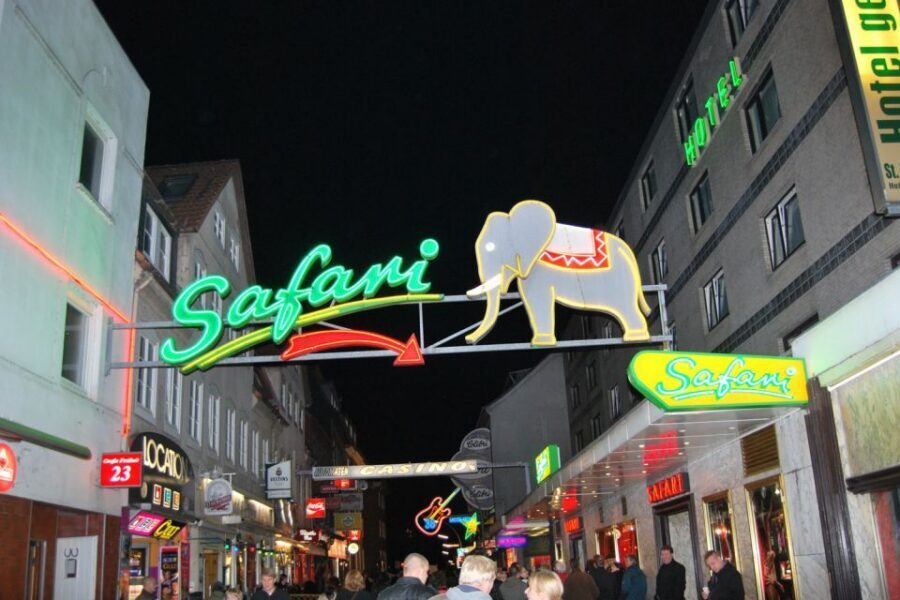
St. Pauli is known worldwide for its adult nightlife, but in daylight it’s something else. The streets look like normal Hamburg streets—shops, facades, people going about their business—while the tour gives you the missing context. That contrast is the whole point.
You’ll hear how the neighborhood earned its reputation through sailors, partygoers, and the work that happened around the Reeperbahn area. The big theme is that the old days are gone, but the symbolism and the street-level lore remain.
And yes, this is a “sinful mile” area. But the daytime framing makes it easier to process. You’re not chasing loud distractions; you’re learning how St. Pauli became the place it is.
Other Reeperbahn and St. Pauli tours we've reviewed in Hamburg



Starting at Davidwache: Getting Oriented in 10 Minutes
The tour begins at Polizeikommissariat 15 – Davidwache, where the guide meets you right at the Davidwache spot. This matters more than it sounds. Davidwache is a recognizable reference point, so you’ll understand where you are and why it’s repeatedly mentioned in St. Pauli stories.
From there, you move toward the Reeperbahn area, getting your bearings fast. Think of it like this: the first stretch helps you build a mental map before the tour turns more specific and more story-heavy.
The guide will keep things moving along a set route, with stops that match the landmarks most tied to St. Pauli’s identity. It’s one hour total, so you don’t have time for long detours, and you shouldn’t want them.
Practical note: if you’re sensitive to adult-themed topics, you’ll still be in a neighborhood that openly references sex work. The tour is guided and explanatory, but it’s not a sugar-coated version of Hamburg.
Reeperbahn and the Daytime Beat: The Street That Started It
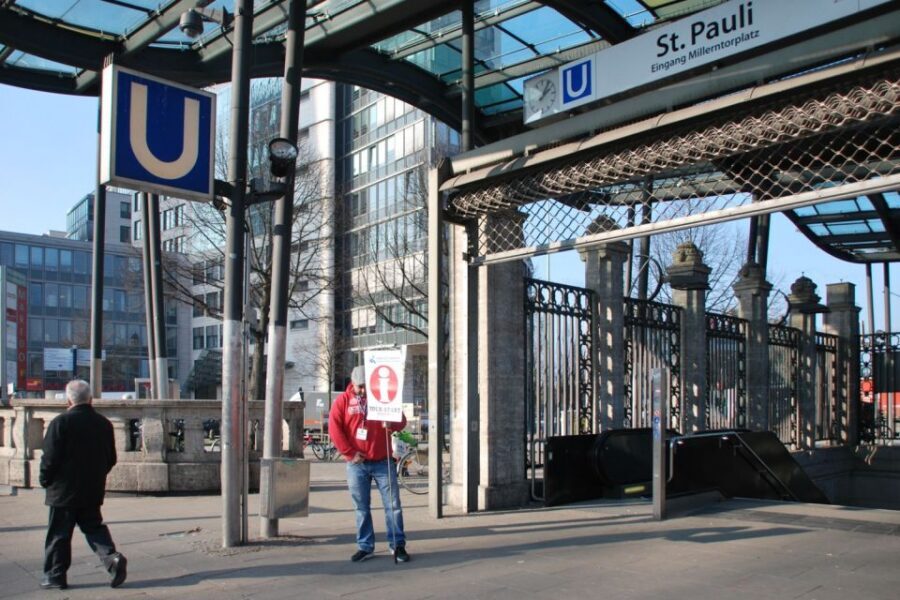
You’ll spend time walking the Reeperbahn, which is the spine of the district. In daylight, the Reeperbahn doesn’t look like a single straight line of clubs and chaos. It looks layered: music-world history beside commerce, people walking through, and buildings that have seen decades of change.
What makes this stop valuable is the way the guide connects the street to characters who shaped St. Pauli’s image. The tour’s focus isn’t only on scandal. It’s also about how entertainment culture, sailors, and local hustlers shaped how the neighborhood was talked about and remembered.
If you’ve ever heard St. Pauli described as both trashy and artistic, this is where that tension becomes understandable. You’re seeing the geography that supported everything from hard living to famous music references.
Davidwache Police Station: Order, Drama, and Local Legend
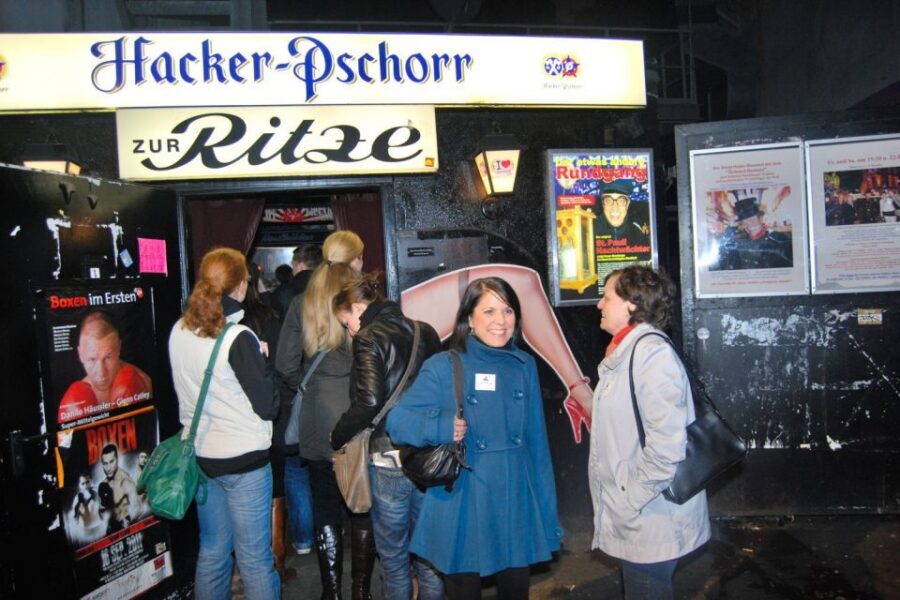
You’ll also stop specifically at the Davidwache Police Station, and the guide talks about what that location represents in the neighborhood’s story. A police station might sound like the least glamorous place on the route, but here it becomes a key storytelling device.
Why? Because St. Pauli’s history isn’t only about nightlife and commerce. It’s also about the relationship between the neighborhood and the authorities that tried to manage, respond, and record it. Standing near Davidwache gives you a sense of how the district was seen from the outside and how it kept functioning anyway.
The payoff is that you don’t just hear about events in the abstract. You’re looking at a real landmark while someone explains why it shows up again and again in local lore.
This kind of stop works especially well if you like your sightseeing grounded. You’ll leave with more than a list of names; you’ll understand the street logic behind the stories.
Herbertstraße: Understanding the Neighborhood’s Most Notorious Label
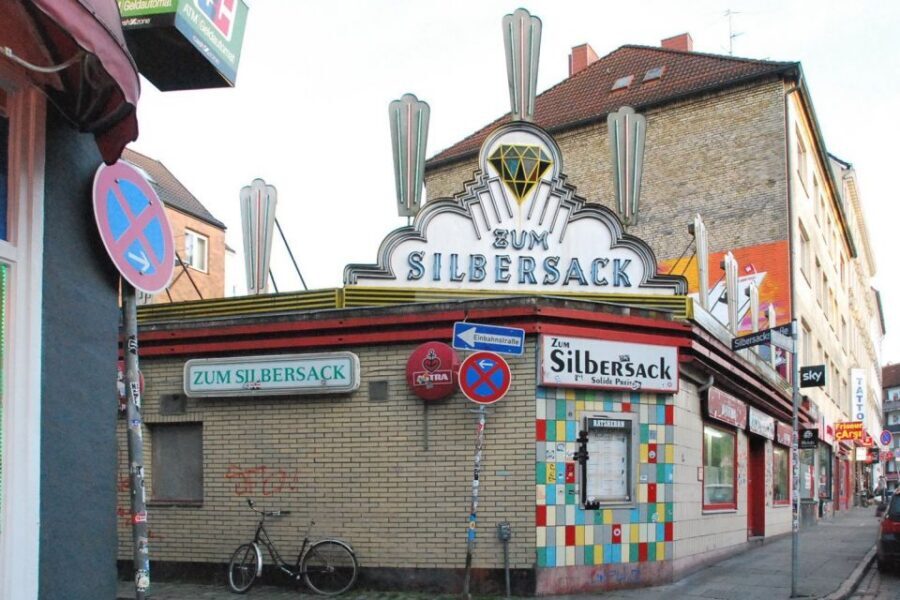
One of the standout moments is a guided look at Herbertstraße, often described as the area’s most infamous street. This is the part of the tour where the tour’s title theme becomes practical. It’s not just an abstract idea of sex work history; you’ll see the place people point to when they talk about St. Pauli’s “sinful” reputation.
The guide’s job here is important. You’re learning the history of sex work in a way that keeps the tone explanatory, not sensational. You’ll hear how this street and the broader area became known, and why that notoriety spread.
A good way to think about Herbertstraße on this daytime walk: it’s a lesson in how locations become symbols. Even after eras change, the street’s label sticks, and people keep using it as a reference point for the district as a whole.






Hans-Albers-Platz: Stars, Stories, and Hamburg Pride
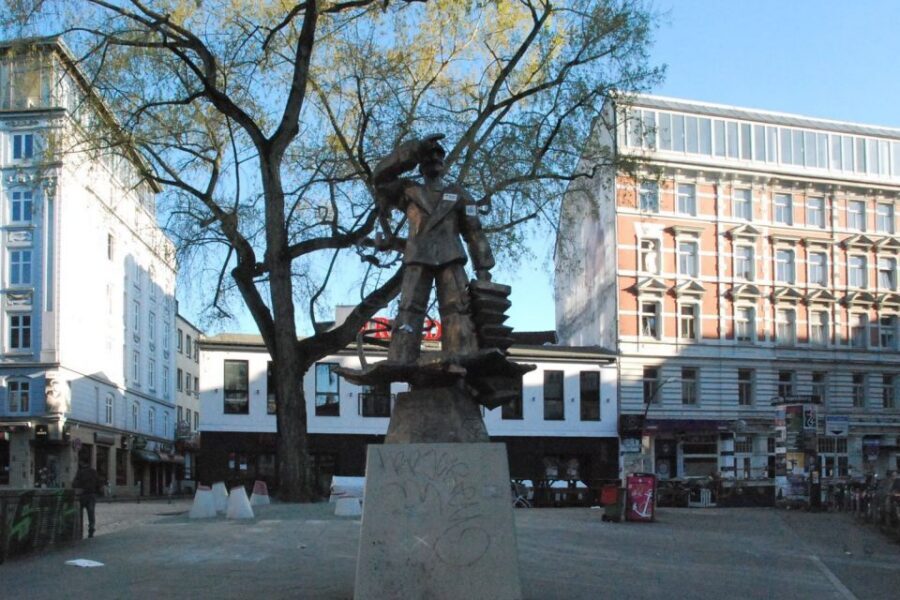
Next up is Hans-Albers-Platz. This is one of those stops that helps you understand St. Pauli isn’t only about adult entertainment. It’s also about performance culture and famous names that made the district part of Hamburg’s bigger story.
The tour follows in the footsteps of stars like Hans Albers, alongside other famous references tied to St. Pauli’s cultural reputation. The guide also connects the dots between the neighborhood’s characters and the fame that grew out of that scene.
This stop can be a relief if you came in thinking St. Pauli would feel one-note. Here you get more variety in the stories, and you start to see how the area’s identity overlaps with entertainment history rather than existing in a single category.
You’ll also pass key squares and landmarks along the way, including Spielbudenplatz. Even if you don’t memorize every detail, the guide’s narration helps you connect those places to what St. Pauli is known for.
Große Freiheit and the Beatles Footsteps
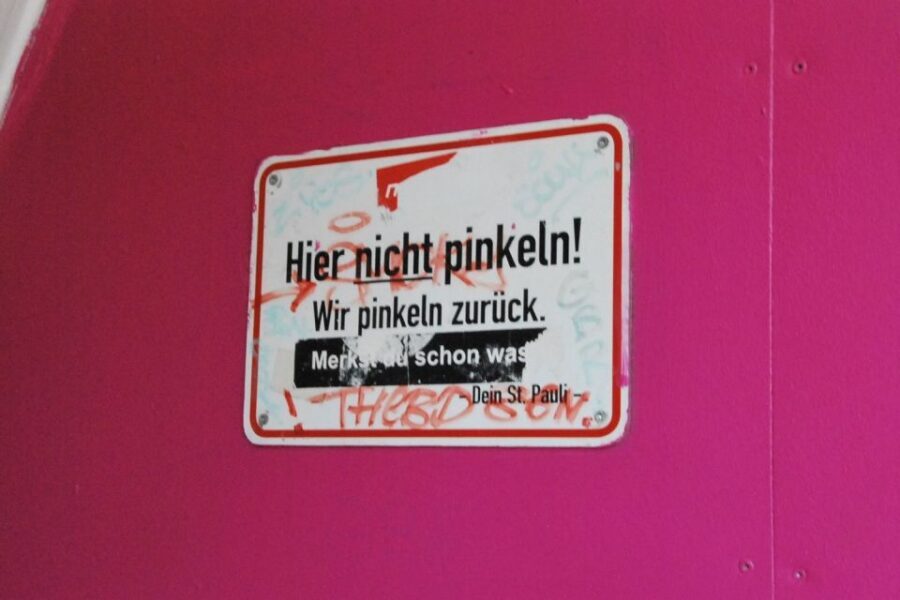
A highlight for many people is Große Freiheit, a street the tour links to defining cultural moments—especially the Beatles connection. This is where St. Pauli moves from local legend to international recognition.
The guide ties the neighborhood’s entertainment energy to the way major artists and bands are associated with the area. You’ll hear how the street mattered not only for St. Pauli, but for music history in a broader sense.
Standing there during the day helps too. You’re not in a nightclub atmosphere. You’re in an ordinary street, with an extraordinary backstory attached. That’s often the best way to learn: you experience the present, then the guide gives you the past that explains why people care.
If you’re a music fan, this is the moment you’ll remember most clearly later. It’s one of those locations where a famous story is anchored to a real street you can point to.
The Finish at Reeperbahn 174: Leaving With a Map, Not Just Memories
The tour ends back at the meeting area area on Reeperbahn 174. Ending on the Reeperbahn is smart. It keeps you in the neighborhood instead of dropping you somewhere remote, so you can keep walking afterward if you want.
By the time you finish, you’ll have a stronger sense of how the district is laid out: where the “sinful” reputation is concentrated, where the police landmark fits in, and how cultural references like Hans Albers and Beatles show up in the streets themselves.
And because the tour is only 1 hour, it doesn’t trap your schedule. You can do this earlier in the day, then decide later what you want to see or try on your own.
Price and Value: Is $19 for an Hour Worth It?
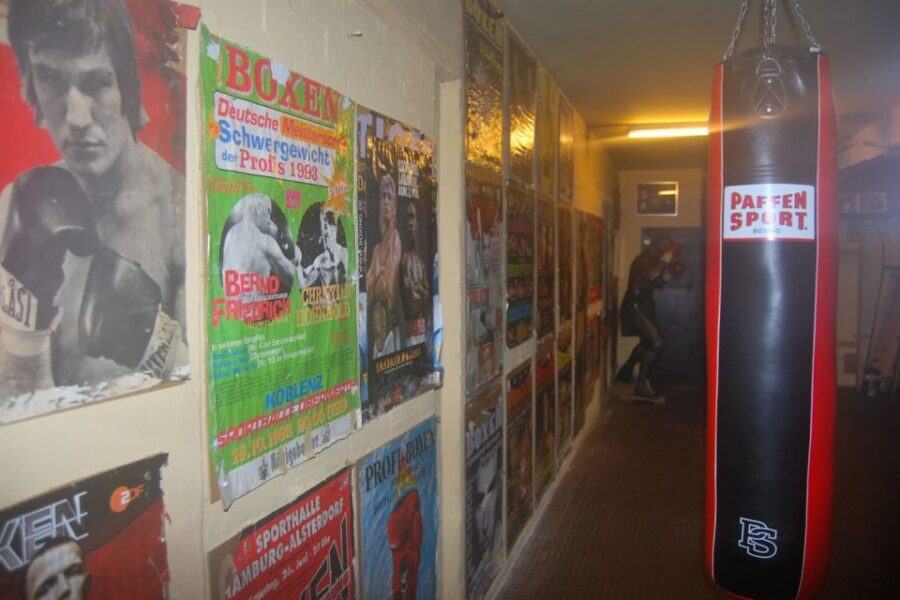
At $19 per person for a 1-hour English guided walk, the value comes down to what you want most: explanation or wandering.
If you try to self-tour St. Pauli, you can absolutely walk the streets. But you’ll miss the connective tissue—the reason Davidwache matters, why Herbertstraße became a label, and how Große Freiheit earned its cultural weight. This tour is basically buying you a storyteller who can point, explain, and connect landmarks quickly.
Also, the guide’s tone is part of the value. The experience highlights thrilling and humorous stories firsthand, which matters because St. Pauli history can tip into either dry facts or sensational gossip. A good guide keeps it readable and grounded.
So if your goal is to understand the district fast (and not spend your whole day piecing it together), this price feels fair.
What to Bring, and How to Make the Most of the Day
Bring comfortable shoes. That’s the big practical line, and it’s a good one. The route is short, but you’re still on foot through a real city neighborhood with real sidewalks.
I’d also recommend mentally preparing for topics related to sex work history. The tour is daytime, guided, and explanatory, but the subject is the subject.
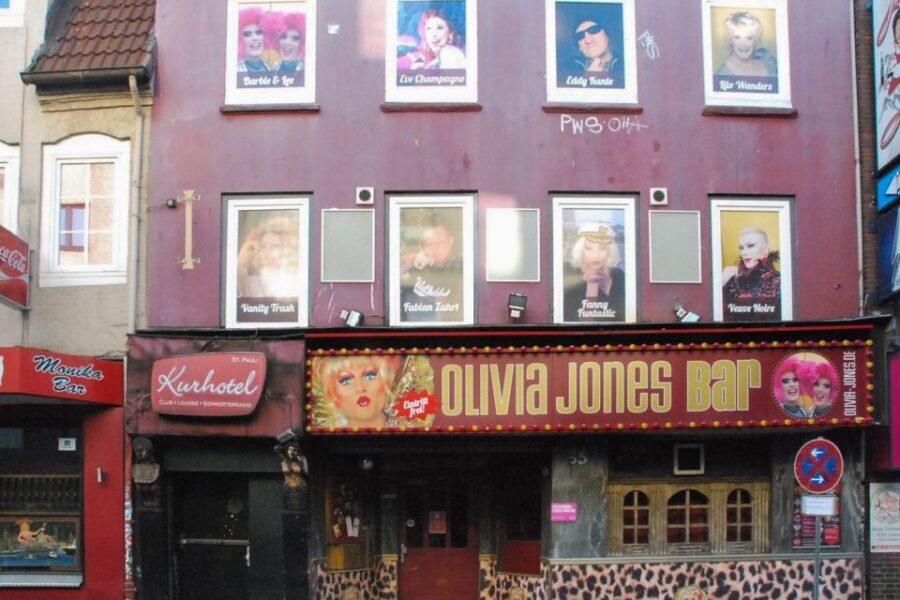
Finally, use this tour as a setup for what you do after. The end of the hour gives you a starting point for dinner, a second walk, or checking out venues and famous spots you’ve heard about during the route. The tour also references places like the Dollhouse and the legendary clubs connected to Olivia Jones, which gives you more to search for when you’re out on your own.
Who This Tour Fits Best
This St. Pauli tour is a good match if you:
- Want a quick, guided orientation to one of Hamburg’s most talked-about neighborhoods
- Like history told through places, not only museums
- Are curious about sex-work history and how it’s woven into city life, with a guided tone
It’s less ideal if you:
- Need wheelchair access
- Want a strictly family-friendly, no-adult-topics experience
Should You Book This St. Pauli Daytime Tour?
If you’re the kind of traveler who likes your sightseeing to come with context and stories, I’d book it. For $19 and 1 hour, you get an efficient route that hits the landmarks tied to St. Pauli’s identity—Davidwache, Herbertstraße, and Große Freiheit—plus the cultural connections to the Beatles and Hans Albers.
On the other hand, if you dislike walking tours, or you want a fully polished, sanitized version of the district, you might find the subject matter too direct. But if you can handle a guided, explanatory look at the neighborhood’s darker reputation, you’ll leave with a much better understanding of why St. Pauli is so famous.
FAQ
How long is the St. Pauli Daytime Tour?
The tour lasts 1 hour. Starting times vary, so it’s best to check availability for when tours run.
What language is the tour guide speaking?
The live tour guide speaks English.
Where do I meet the guide, and where does the tour end?
The tour starts at Polizeikommissariat 15 – Davidwache. It ends back at Reeperbahn 174, 20359 Hamburg.
What is included in the price?
The price includes a guided city tour.
Is this tour wheelchair accessible?
No. The tour is not suitable for wheelchair users.
What should I bring?
Wear comfortable shoes since it’s a walking tour.