REVIEW · HAMBURG
Hamburg: FC ST. PAULI-MUSEUM Entrance Ticket
Book on GetYourGuide →Operated by FC St. Pauli-Museum · Bookable on GetYourGuide
A club like no other gets a museum like no other. That idea drives the FC St. Pauli Museum at Millerntor Stadium, where you can trace how the club grew into a symbol for its neighborhood. I love that the focus isn’t on trophy glitter. It’s on people, choices, and the long arc of club identity.
I also really like the way the exhibition uses modern storytelling tools—especially film and video projection rooms—to make the history feel present, not dusty. One thing to consider: this is a history-and-culture museum, so if you’re hoping for a trophy wall and lots of match-day spectacle, you may feel a bit “less wow” than you expected.
In This Review
- Key things to know before you go
- FC St. Pauli Museum at Millerntor Stadium: what you’re paying for
- Inside KIEZBEBEN: how the museum tells the club’s story
- Video projection rooms: the stand-feel effect
- Special exhibitions and what “600 square meters” means for your time
- Who runs the museum (and why that changes the tone)
- The optional Millerntor Stadium walking tour: adding the matchday feeling
- Practical advice for a smooth one-day plan
- Value check: is it worth $8?
- Should you book the FC St. Pauli Museum entrance ticket?
- FAQ
- What is included with the Hamburg FC St. Pauli Museum entrance ticket?
- Where is the FC St. Pauli Museum located?
- How much does the ticket cost?
- How long is the experience?
- Is the guided walking tour included?
- Are drinks included?
- What languages is the host or greeter available in?
- Is the museum wheelchair accessible?
- Do I need to match an exact start time?
- What is the cancellation policy?
- Can I reserve now and pay later?
- Is there a permanent exhibition at the museum?
Key things to know before you go
- The permanent exhibition is called KIEZBEBEN and it anchors the whole visit
- Expect fan-built storytelling run by a non-profit museum organization founded by supporters
- There’s more than 110 years covered through photos, texts, film, and installations
- The museum spans about 600 square meters, so plan real time inside
- Video-projection spaces can feel like you’re in the stadium rather than just reading panels
- You can add a Millerntor Stadium walking tour if you want the matchday feeling
FC St. Pauli Museum at Millerntor Stadium: what you’re paying for
This ticket gets you into the FC St. Pauli Museum located at Millerntor Stadium, in Hamburg. The price is low enough that you can treat it as a proper half-day or full-day “culture stop” without stressing your budget—especially in a city where lots of attractions charge a chunk more. At about $8 per person for entrance, the value comes from depth: you’re paying for a story that’s organized, curated, and designed to be walked at a museum pace.
What’s especially smart about this museum is the intent behind it. The museum isn’t trying to sell you a highlight reel. It’s trying to explain how the club became what it is over decades. The motto is basically: a club like no other deserves a museum like no other. That line matters because it explains why the experience leans toward history, artifacts, and installations, not “look at our trophies” marketing.
A practical note: the museum is on the stadium grounds. So your visit connects football culture with place. Even if you’re not a lifelong St. Pauli supporter, you’re still stepping into a real part of Hamburg—not a generic sports theme space.
Other Reeperbahn and St. Pauli tours we've reviewed in Hamburg



Inside KIEZBEBEN: how the museum tells the club’s story
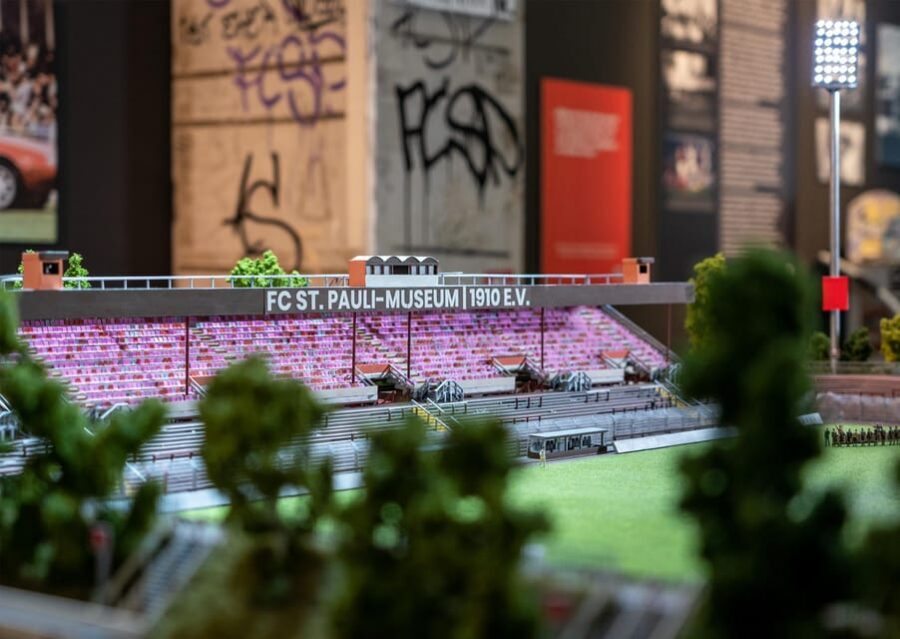
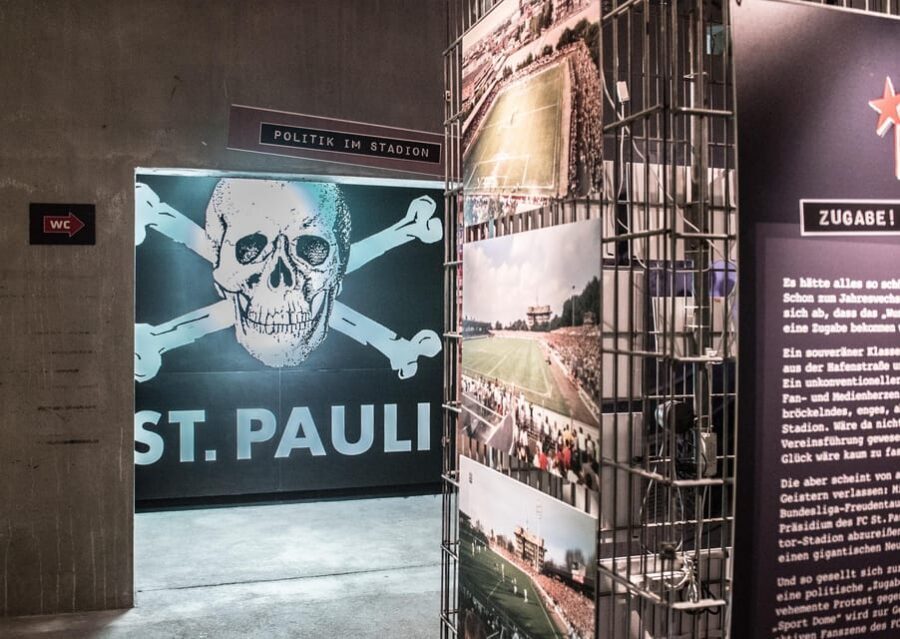
The heart of the visit is the permanent exhibition KIEZBEBEN. It tells the story of FC St. Pauli’s evolution over more than 110 years, and it does it across roughly 600 square meters. That’s a lot of room, which usually means you won’t be forced through in a rush. The museum uses pictures, texts, and film, plus installations and historical objects to build the narrative.
Here’s what I think makes this permanent section work: it treats the club as something shaped by time and community, not just by seasons and results. The setup encourages you to connect the dots—how an identity forms, how it changes, and how it stays recognizable.
Also, one detail that stands out from how the museum is described by visitors: don’t expect a trophy showcase as the main event. There just aren’t lots of trophies doing the talking. The real “pull” is the club history and how it developed from the beginning to today. If you’re the type who likes explanations—why something exists, how it formed—that museum style will feel satisfying.
And if you’re traveling with someone who isn’t obsessed with football stats, that’s a plus. This feels like a club history, yes, but it also reads like neighborhood history. One of the most praised ideas in feedback is the link between the club and the district culture it carries forward. So you’re not only learning about a team—you’re learning about a place.
Video projection rooms: the stand-feel effect
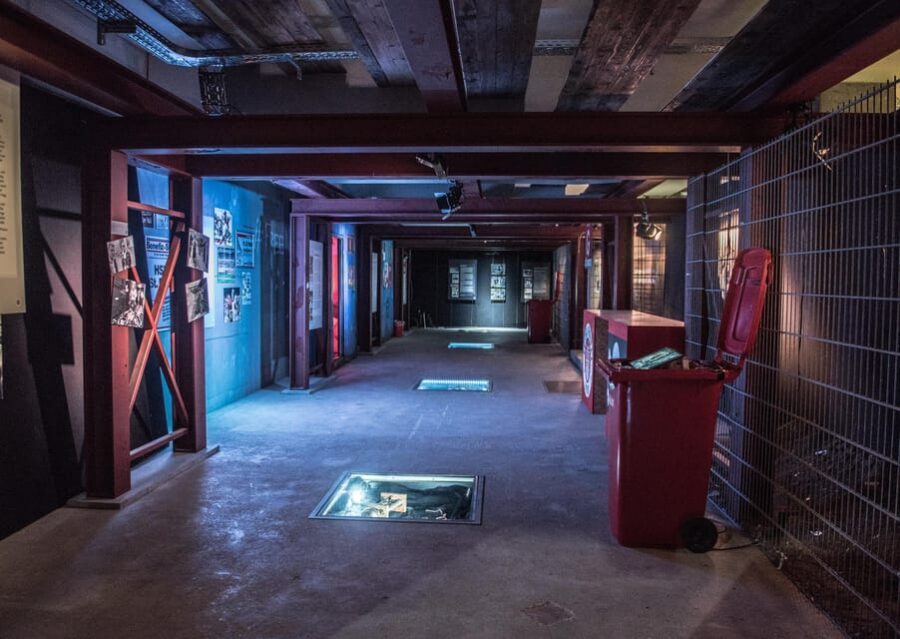
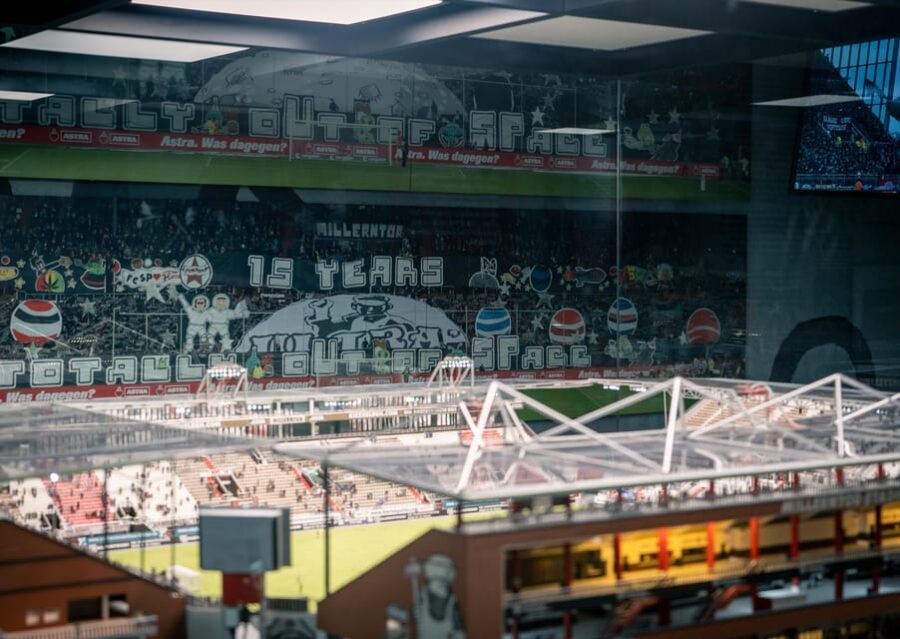
One of the most memorable parts for people is the room featuring video projections. The description is pretty specific: it can make you feel like you’re sitting in a packed stadium. That’s a big deal because it turns the museum from “read and watch” into something more physical—your attention gets pulled in.
How should you use this in your own visit? Don’t treat that room like a quick stop. Slow down for it. Let it set the tone before you continue through the rest of the exhibition. These projection areas work best when you give your brain a minute to settle into the rhythm of the visuals and sound.
Also, because the museum uses film and installations, you’ll see the story in multiple formats. The point isn’t just variety—it’s persuasion. The museum nudges you to understand that club identity isn’t only written in books. It’s also remembered through moments, crowds, and atmosphere.
Special exhibitions and what “600 square meters” means for your time
Beyond KIEZBEBEN, there are changing special exhibitions. That means two things for your planning:
- You’ll usually get a slightly different “extra layer” depending on when you go.
- You should plan enough time to not feel like you’re sprinting through the permanent section to catch the temporary one.
Since the museum covers about 600 square meters, it’s not a “five-minute photo and out” place. Think of it as a slow wander where you decide what to linger on. If you’re the type who reads most of the panel text, you’ll naturally take longer. If you skim, you still should leave room for the installations and video spaces.
The other smart angle here is the museum’s design. Feedback repeatedly points to thoughtful room layout, and that matters because an organized space helps you keep your place in the story. You’re less likely to feel lost mid-visit and more likely to finish with a clear sense of the club’s arc.
Who runs the museum (and why that changes the tone)
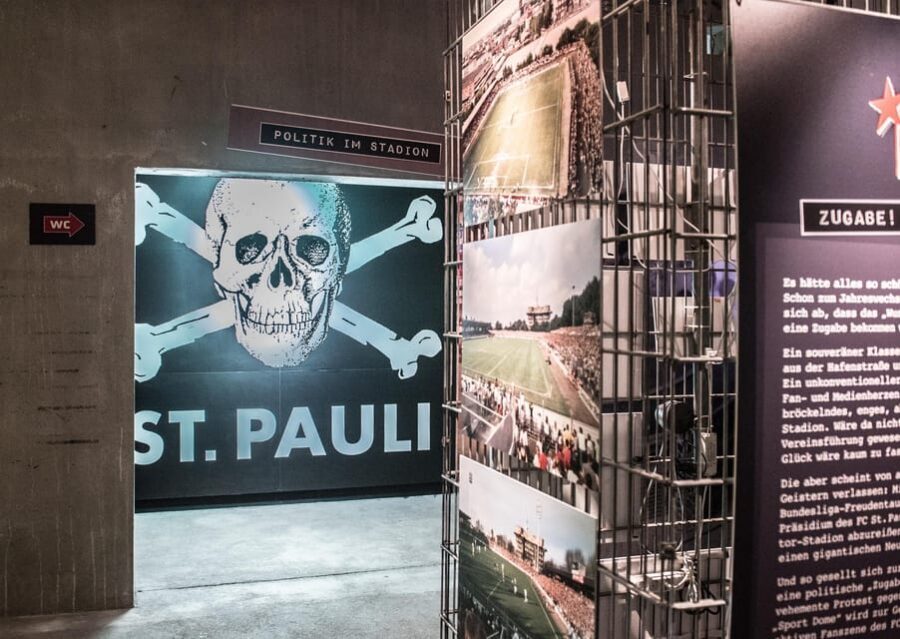
This museum is operated and financed by a non-profit: 1910 – Museum für den FC St. Pauli e.V., founded by fans in 2012. That “fan-run” piece isn’t just trivia. It explains the tone of what you see.
When supporters are part of the institution behind the scenes, you tend to get a less polished, less corporate approach to storytelling. You also tend to get content that emphasizes meaning over branding. In practice, that often leads to exhibitions that feel like they’re made for understanding—not for selling.
So when you read or watch something in the museum, you can assume the goal is transmission of identity: how St. Pauli became St. Pauli. That’s why so many visitors walk out with the sense that the museum leaves a lasting impression.
A few more Hamburg tours and experiences worth a look





The optional Millerntor Stadium walking tour: adding the matchday feeling
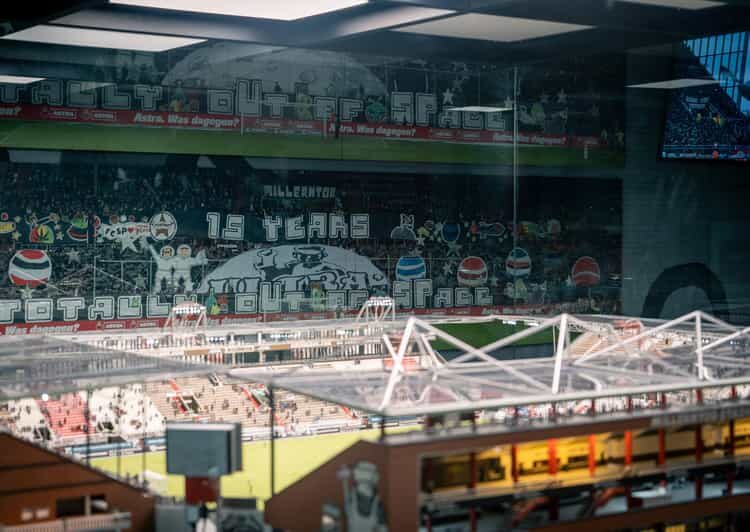
The museum experience can stand alone—you’ve got your entrance ticket and a full exhibition to explore. But the experience description also points you toward an add-on: you can book a Guided Walking tour through the Millerntor Stadium.
Since the walking tour isn’t included, you’ll want to think about whether you care about the stadium itself beyond the museum. If you want “place + story,” the stadium tour is a strong pairing. It’s also the kind of add-on that helps football fans connect the exhibition’s mood to physical locations.
One clue from feedback: people mention wanting the stadium tour on a home game for the full feeling. You can’t count on matchday access unless your schedule aligns, but even without a match, a guided walk can help you read the space better after you’ve studied the club’s history inside.
If your time is limited, here’s a simple way to decide:
- Choose the museum alone if you want a cultural, indoor experience with storytelling focus.
- Add the stadium walking tour if you want your visit to connect directly to the physical ground where the club lives.
Practical advice for a smooth one-day plan
You’re working with a 1-day ticket that’s tied to starting times, so I’d treat this like a booked entry rather than a “wander anytime” stop. Pick a time that fits your day flow and then build around it.
Because the museum uses multiple media formats and covers a lot of space, I recommend a relaxed pacing strategy:
- Plan for a couple of “pause points,” not just a straight line through rooms.
- If you hit the video-projection section, treat it like a highlight moment and slow down.
- If you see a special exhibition that looks deep, don’t feel you must choose only the permanent section. Give the temporary portion at least a fair chunk of time.
Also, staff support is a real part of the experience. Visitors note the team as helpful and supportive, and that matters in practical terms—if you want to know where to focus or how long you can reasonably spend, the staff can help you shape a visit that matches your interests.
Finally, since drinks aren’t included, plan for hydration and snacks based on your travel style. Strolling through 600 square meters plus a stadium-style exhibition can take more out of you than you’d expect.
Value check: is it worth $8?
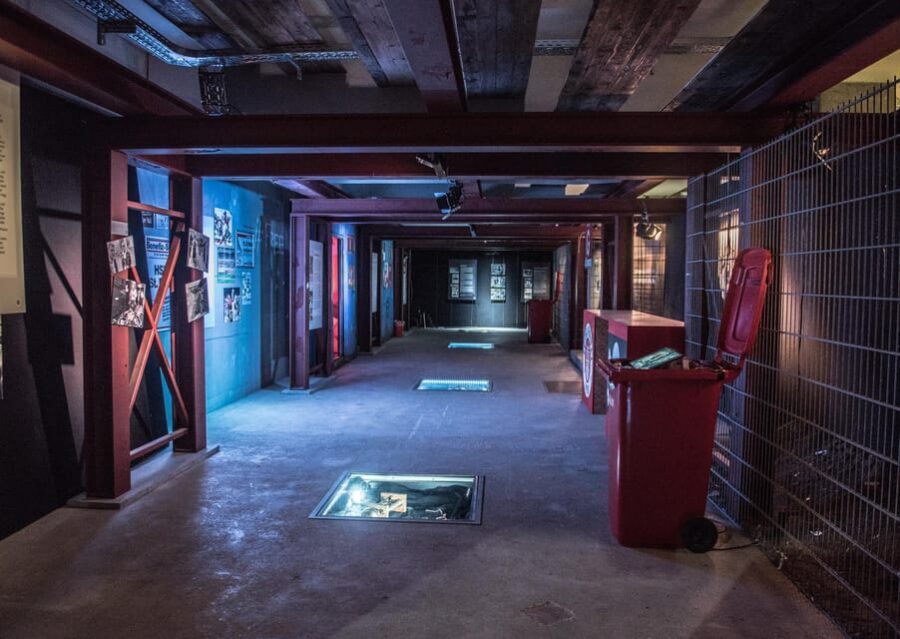
For $8 per person, the museum’s value is strong if you like story-driven exhibits. You’re not paying for a single photo spot. You’re paying for an organized explanation of how a football club’s identity evolves over decades—using photos, texts, film, installations, and objects.
Where the value might feel lower is if your expectation is mostly entertainment or “trophies and memorabilia.” The museum is clear about its priorities: it’s about history and club identity, not a trophy wall.
But if you’re even mildly curious about how football connects to community—and you like museums that feel designed, not chaotic—this is the kind of ticket that earns its money quickly.
Should you book the FC St. Pauli Museum entrance ticket?
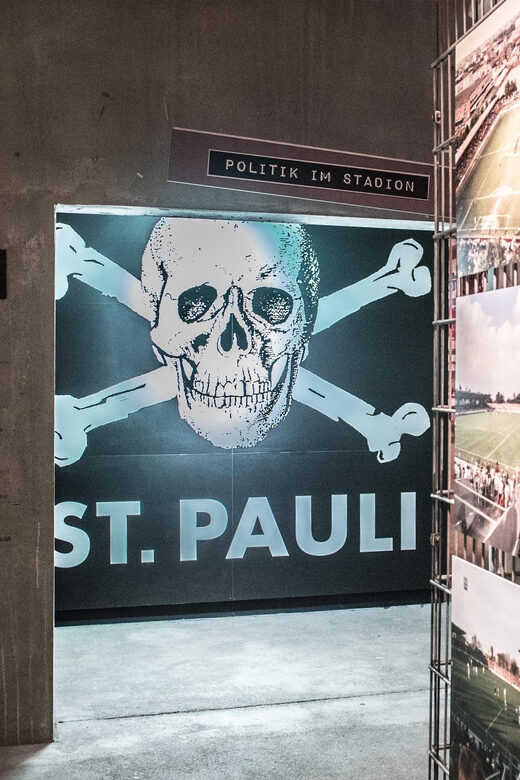
Book it if you want a meaningful Hamburg stop inside a real stadium setting, with storytelling that focuses on identity and the club’s fan-driven roots. It’s especially a good fit if you’ll enjoy KIEZBEBEN, media-heavy exhibits, and you like learning the why behind a place.
Skip or rethink if you’re mainly chasing trophies, match-day adrenaline, or a short “quick hit” attraction. This is better when you’re ready for a careful walk through history, with time to watch and read.
FAQ
What is included with the Hamburg FC St. Pauli Museum entrance ticket?
You get entrance to the FC St. Pauli-Museum at Millerntor Stadium.
Where is the FC St. Pauli Museum located?
It’s located at Millerntor Stadium in Hamburg, in northern Germany.
How much does the ticket cost?
The price is $8 per person.
How long is the experience?
It’s listed as 1 day.
Is the guided walking tour included?
No. The guided walking tour through the Millerntor Stadium is not included, but it can be booked separately.
Are drinks included?
No. Drinks are not included.
What languages is the host or greeter available in?
The host or greeter is available in German and English.
Is the museum wheelchair accessible?
Yes. The experience is wheelchair accessible.
Do I need to match an exact start time?
It’s valid for 1 day, and you should check availability to see starting times.
What is the cancellation policy?
You can cancel up to 24 hours in advance for a full refund.
Can I reserve now and pay later?
Yes. There’s a reserve now & pay later option, so you can book your spot and pay nothing today.
Is there a permanent exhibition at the museum?
Yes. The permanent exhibition is called KIEZBEBEN, along with changing special exhibitions.