REVIEW · HAMBURG
Hamburg: RICKMER RICKMERS Museum Entry Ticket
Book on GetYourGuide →Operated by Museumsschiff RICKMER RICKMERS · Bookable on GetYourGuide
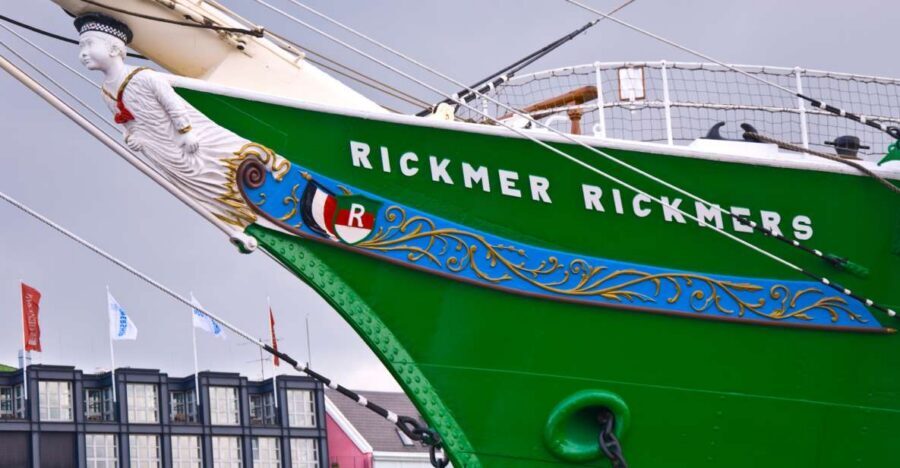
A ship museum that feels alive. On Hamburg’s RICKMER RICKMERS, I love the carefully restored crew and officers’ quarters and the maritime exhibitions that make the windjammer story click fast. One consideration: it is not suitable for wheelchair users or people with mobility impairments.
This is a three-master merchant ship, built in Germany and now moored right in the heart of the port. You can wander through the museum areas at your own pace, then step out for panoramic skyline views over the harbor. It’s the kind of visit where the details reward you even if you only have part of a day.
At about $8, the value is mostly about access: your entrance ticket gives you full access to all areas of the museum ship experience, plus an information booklet. If you want food, plan on paying separately since food and drinks aren’t included.
In This Review
- Key things to know before you go
- Hamburg’s RICKMER RICKMERS: a windjammer museum that’s easy to enjoy
- Getting in at Landing Bridge 1 (and planning your timing)
- Entering the museum area: history, restoration, and quarters
- Exhibition area: restored nautical objects, plus rotating art and photos
- Learning life onboard a windjammer: what the ship teaches you
- Panoramic port views: where to slow down
- Onboard restaurant: Hamburg dishes after the ship walk
- Price and value: is $8 really worth it?
- Who should go (and who might be frustrated)
- Should you book RICKMER RICKMERS in Hamburg?
Key things to know before you go
- Full access ship ticket: museum and exhibition areas are included with your entry
- Restored quarters: crew and officers’ areas are carefully brought back to life
- Windjammer daily life: you’ll learn how sailors lived onboard a classic sailing merchant ship
- Port skyline viewpoints: you can see Hamburg from onboard as part of the experience
- Honorary captains exhibit: the ship’s story includes the concept of honorary captains
- Onboard restaurant option: you can sit down for Hamburg dishes and nautical-style food
Hamburg’s RICKMER RICKMERS: a windjammer museum that’s easy to enjoy
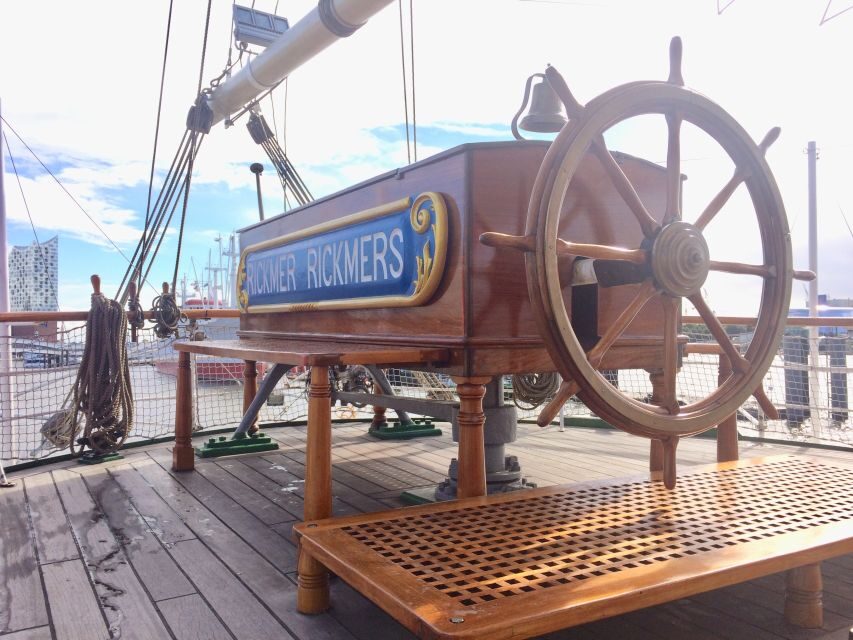
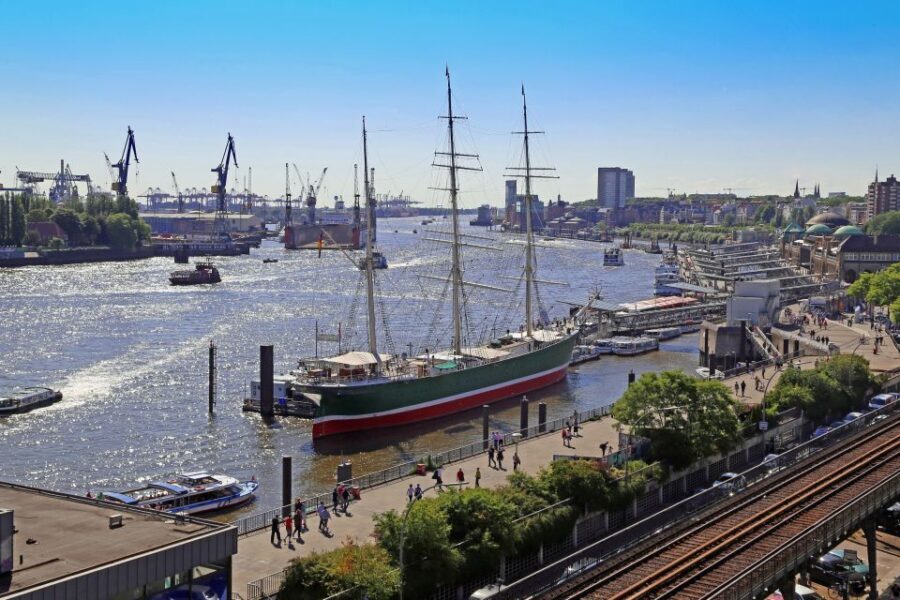
Hamburg knows how to use its waterfront. The RICKMER RICKMERS is one of the last big sailing ships and it’s right where you’d expect it: in the working port area. That location matters. Instead of feeling like an isolated attraction, it gives you that sense of context you can’t fake with indoor-only museums.
What makes this ship museum work is the way the experience is built around living spaces and working spaces. You’re not just reading panels. You’re walking through a ship that’s been divided into areas that each tell a different part of the story: history and restoration, hands-on-feeling exhibitions, and then a place to sit and eat while you watch the port.
Other maritime museums and historic ships in Hamburg
Getting in at Landing Bridge 1 (and planning your timing)
The ship is located at Landing Bridge 1. Follow the signs to the entrance area, and you’ll find the way in without much fuss.
Your ticket is valid for one day, and you can check availability to see starting times. That matters because the ship experience is designed for walking. If you time it well, you’ll have enough room to slow down in the restored areas and still catch the views onboard.
For the practical side: wear comfortable shoes. Ships are full of angles, stairs, and deck-to-deck movement. Good footwear makes the difference between a pleasant stroll and a rushed, foot-sore visit.
Entering the museum area: history, restoration, and quarters
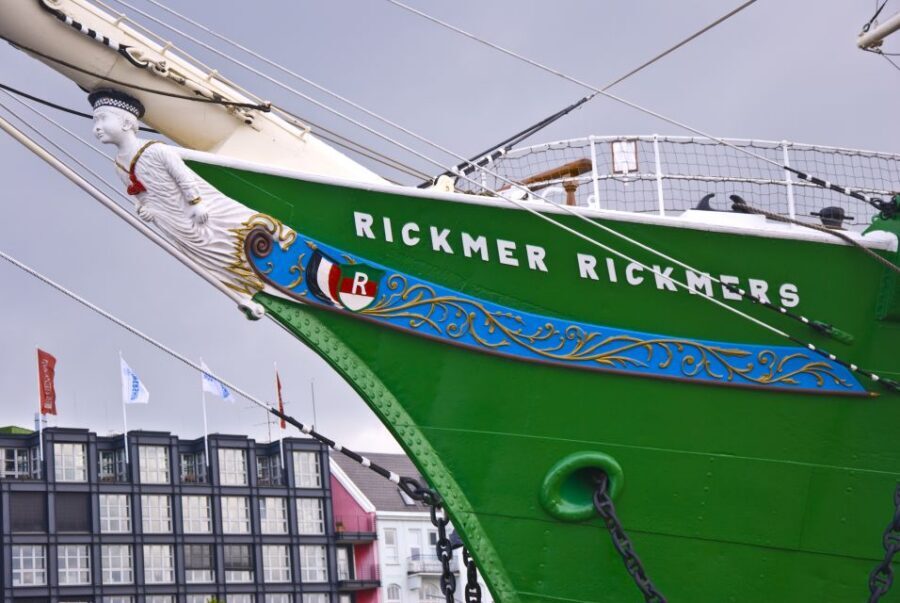
When you step into the museum area, the tone is clear: this is about the ship as it was used as a German merchant ship, not just a pretty display. You’ll see how the ship’s story connects to life onboard, with details restored and organized so you can move through it logically.
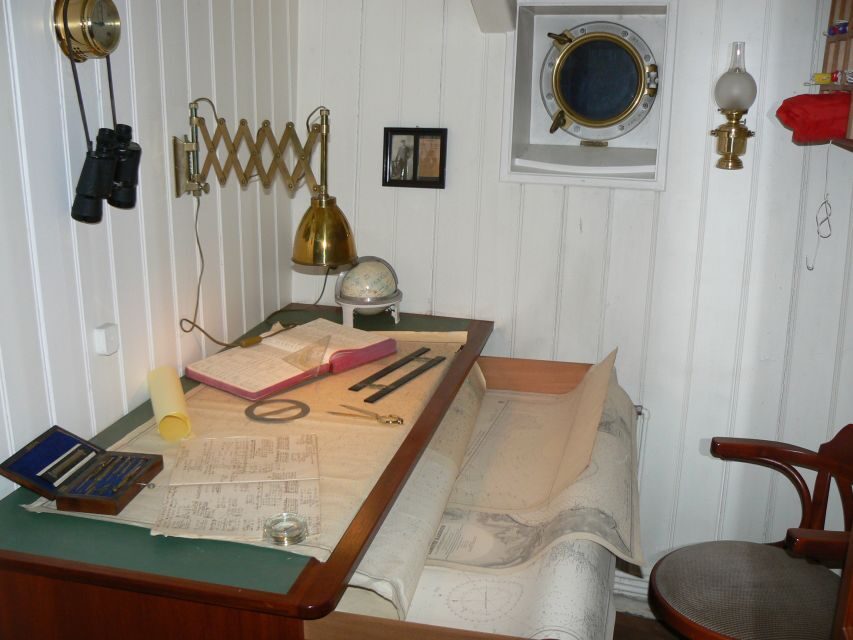
The experience is especially strong in the carefully-restored crew and officers’ quarters. Those spaces are where you start to understand the hierarchy and the routine of life on a windjammer. Even if your sailing knowledge is basic, the layout helps you get oriented quickly: who lived where, how spaces were arranged, and why daily life on a ship isn’t the same as life on land.
You’ll also learn about the ship’s role and the onboard worldview through exhibits that focus on life at sea. One of the details I like here is the way the museum covers not only the ship itself, but the people who belonged to it. That’s what turns a ship-shaped museum into a human-scale story.
Exhibition area: restored nautical objects, plus rotating art and photos
After the core museum spaces, you move into the exhibition area. This is where the ship broadens beyond strict maritime history. You’ll find a mix of restored nautical objects and changing temporary exhibitions, including photography displays and other art-style presentations.
This section is a smart contrast. The restored quarters tend to pull you toward the practical reality of onboard life. The exhibition area adds breathing room and keeps the visit from feeling like one long hallway of the same theme.
Because the exhibition part includes temporary elements, it can feel slightly different each time you visit. If you like museums where you might see something you’ve never seen before, this is the part you’ll appreciate most.
Learning life onboard a windjammer: what the ship teaches you
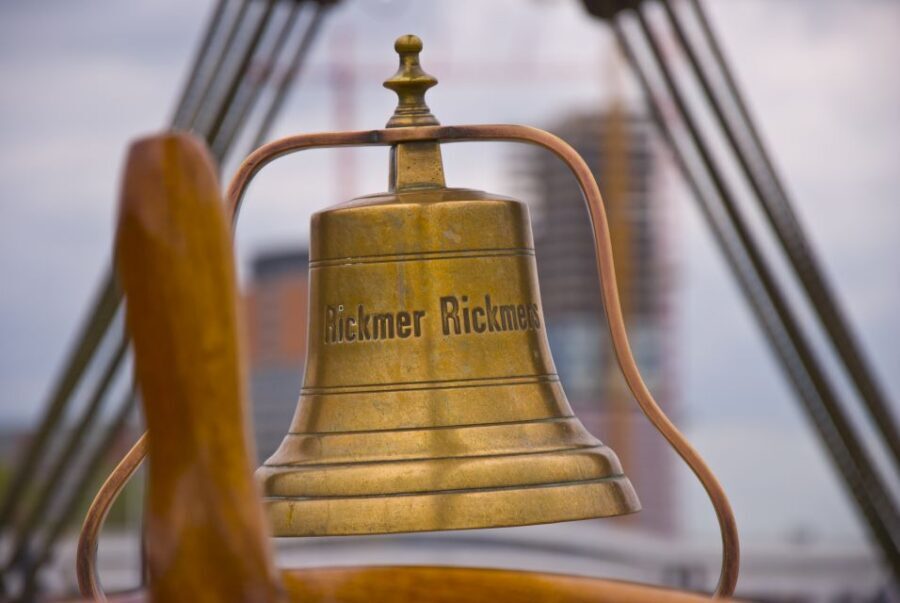
The whole point of RICKMER RICKMERS is that it’s not only a vehicle for sailing-era photos. It’s an interactive museum focused on life onboard a windjammer. As you walk, the ship structure itself becomes a teaching tool.
Here’s what you’re likely to take away:
- How sailors and officers lived with limited space
- How the ship’s compartments shape routines
- How maritime work connects to daily living
This matters because windjammer ships sit in that interesting space between romance and hard work. On the water, the beauty is real, but so is the reality. A museum ship like this helps you balance the two. You get the story without needing a sailing class first.
Also keep an eye out for the exhibit about honorary captains of RICKMER RICKMERS. That adds a layer beyond the original crew. It hints at how the ship has been respected and represented over time, and it gives the museum a sense of continuity rather than treating the ship like a closed chapter.
A few more Hamburg tours and experiences worth a look





Panoramic port views: where to slow down
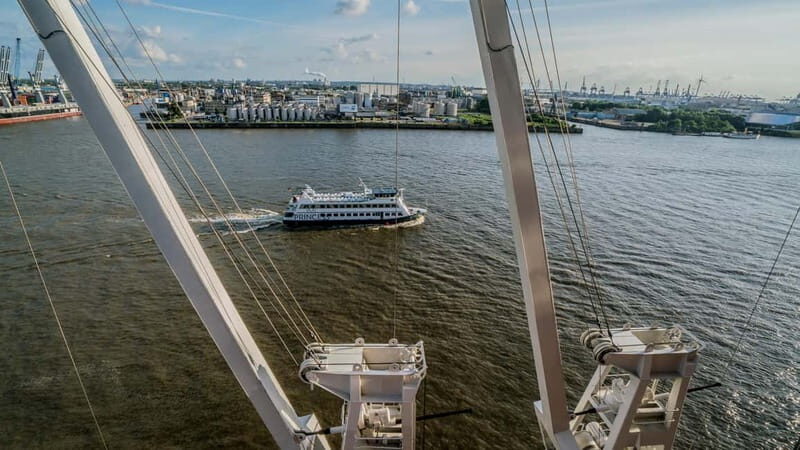
One of the best parts of this visit is the chance for panoramic skyline views from onboard the ship. It’s not just a photo stop. The viewpoint changes how you understand the ship’s setting.
Standing where sailors would have worked and traveled through decks makes the harbor feel tied to the ship, not separate from it. You can look out over the city and port areas and see why this place was a natural home for a merchant sailing ship.
If you’re deciding when to take your view break, I’d do it after you’ve walked the museum sections. You’ll appreciate the skyline more once you understand what’s inside the ship.
Onboard restaurant: Hamburg dishes after the ship walk
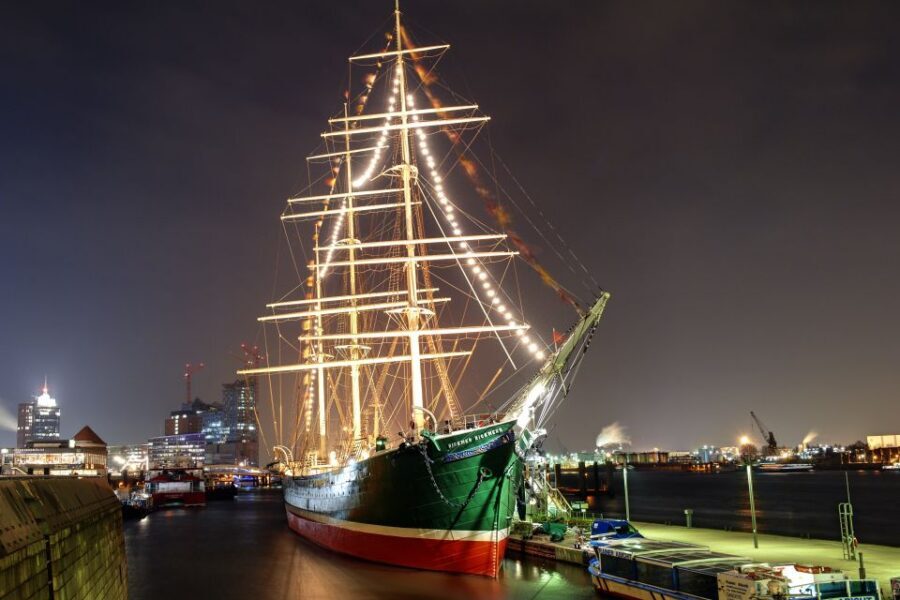
When you need a rest, the ship has an onboard restaurant. The food is described as authentic Hamburg dishes plus typical nautical food. It’s a convenient option because it lets you stay on the museum ship experience instead of leaving and recalculating your plans.
Plan for this clearly: food and drinks are not included in the ticket price. That’s normal for most museum sites, but it affects value. If you’re hungry, treat the restaurant as part of your overall budget, not a surprise add-on.
Even if you don’t eat, sitting for a short break can help you absorb what you saw. A ship museum can be mentally dense, especially if you stop for details in the restored quarters and exhibitions.
Price and value: is $8 really worth it?
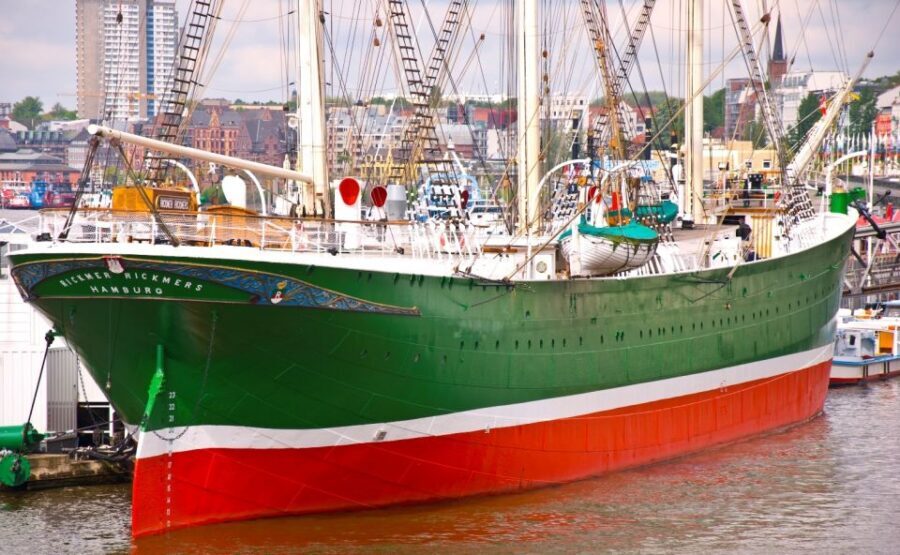
For around $8 per person, the big value point is full access. Your entrance ticket includes entry to the ship with access to the exhibition and museum area, plus an information booklet. In other words, you’re paying for time and wandering rights, not for a narrow, limited tour.
Here’s how I think about the cost:
- If you enjoy museum ships or hands-on maritime settings, the ticket price is low enough that you can spend longer without feeling guilty.
- If you’re on a tight schedule, the layout still works because you can focus on the museum area first, then do exhibitions and views.
- If you’re expecting included meals, the price won’t cover that. The restaurant is a pay-as-you-go extra.
Compared to more complicated ticketed experiences, this one is refreshingly straightforward. You walk in, you explore, you exit. You’re not forced into a timed script.
And the rating—4.6 with a solid number of entries—signals that the ship’s restoration detail and overall experience land well for many people. The strongest praise I saw tied to two themes: the detail and care of the restoration and the sense that the museum ship experience feels more engaging than you’d expect.
Who should go (and who might be frustrated)
This museum ship is a great fit for:
- People who like maritime themes but don’t want to learn sailing theory first
- Anyone who enjoys restored historic spaces and “walk-through” museums
- Travelers who want port views without a separate viewpoint ticket
- Families who can manage walking around a ship environment (as long as they don’t use strollers)
It’s not a good fit for:
- Wheelchair users or people with mobility impairments, since it is not suitable
- Anyone relying on baby strollers, since strollers aren’t allowed
If you’re deciding based on comfort, plan around the ship layout. Bring good shoes and a realistic pace. This is a walking experience on a vessel, not a smooth flat museum floor.
Should you book RICKMER RICKMERS in Hamburg?
If you want an honest, low-stress way to understand a windjammer and see Hamburg from the port, I’d book it. The ticket price is modest, and full access means you can shape the visit: quarters and history first, then exhibitions, then skyline views.
Skip it only if mobility limits or stroller needs make ship spaces difficult for you. Otherwise, this is one of those experiences where the ship itself does the storytelling, and the restoration makes that story feel real.