REVIEW · HAMBURG
The Local Tour of Hamburg Historic Centre
Book on Viator →Operated by Robin and the Tourguides · Bookable on Viator
Hamburg has a history you can walk. In about two hours, this English guided walk lines up the Town Hall, the St. Nikolai WWII memorial area, and the port-world of Speicherstadt. I like two things most: the easy meet-up right by the historic Town Hall at Rathausmarkt, and the small-group feel that keeps the pace human and questions answered. The main thing to plan around is that Elbphilharmonie is mostly an outside stop, and the concert-hall ticket is not included.
You pay a small reservation fee up front, then settle afterward based on what you think is fair. Most stops along the route are free to enter, which makes this a low-pressure way to get oriented without pulling out a wallet for every landmark. The guide makes the difference, and names like Viktor, Leo, Lucas, and Victor show up in the feedback for storytelling, humor, and staying patient with questions.
In This Review
- Key Things to Know Before You Start
- Hamburg Historic Centre, Built for First-Time Orientation
- Rathausmarkt to St. Michael’s Park: Logistics That Actually Work
- Town Hall Stop: Seeing Power Up Close
- St. Nikolai Memorial: WWII in a City That Remembers
- Trostbrücke and Deichstraße: Where Old and Daily Life Meet
- Speicherstadt Warehouses: Shipping History You Can See
- Elbphilharmonie: A Modern Landmark Stop Without the Ticket Pressure
- St. Michael’s Church: The Landmark That Ends the Walk
- Professional Guides and the Storytelling Factor
- Price and Pay-What-Feels-Right Budgeting
- How to Fit This Tour Into Your Hamburg Day
- Who Should Book, and Who Might Skip
- Should You Book the Hamburg Historic Centre Walk?
- FAQ
- How long is the Hamburg Historic Centre walking tour?
- Where do I meet the guide?
- Where does the tour end?
- Is the tour in English?
- Are tickets included for all stops?
- What is the upfront cost and how does payment work?
Key Things to Know Before You Start
- Meet-up is simple: start at Rathausmarkt 46, in front of Hamburg’s historic Town Hall area.
- Small-group pacing: the experience is described as limited to 8 people, with a maximum group size listed as 25.
- Many stops are free: Town Hall, St. Nikolai memorial, bridge area views, Speicherstadt, and St. Michael’s Church are ticket-free on this walk.
- Elbphilharmonie is outside and not included: you’ll see it, but you won’t get a concert-hall entry ticket as part of the tour.
- Pay-after model: a small booking fee is collected first, and then you pay what you feel is correct after the tour (payment is expected).
Hamburg Historic Centre, Built for First-Time Orientation
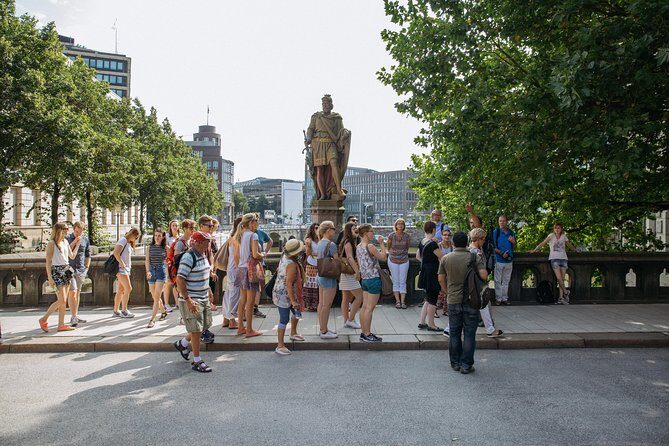
This is the kind of city walk that helps you stop guessing. Hamburg can look confusing at street level, especially around water, warehouses, and rebuilds after major events. This tour strings together the key “why” behind the city: government power, disaster and memory, trade and shipping, and the big modern landmark you’ll keep seeing in photos.
I also like the length. At roughly two hours, you’re not stuck with a half-day plan that leaves you tired before dinner. The route is compact enough that you’ll get a real sense of the center, but paced enough that you can still pause for photos and let stories land.
The small-group setup matters more than you might expect. With fewer people, the guide can slow down when someone asks about a detail, and you’re less likely to feel like you’re being marched through a checklist.
Other walking tours we've reviewed in Hamburg


Rathausmarkt to St. Michael’s Park: Logistics That Actually Work
The start is easy to find: Rathausmarkt 46, right at the historic Town Hall area. If you arrive early, you won’t be searching the entire square. That sounds basic, but it’s a big deal when you’re also trying not to burn time in Hamburg’s wind.
You end near Martin-Luther-Straße 35, and the route finishes in the park close to St. Michael’s Church. That’s a smart finish, because St. Michael’s is a natural anchor for where to go next—either toward a viewpoint, a café break, or onward to explore the surrounding streets.
The tour also runs in English, and you’ll receive a mobile ticket. If you prefer low-fuss check-ins, this fits the bill.
One practical tip: wear shoes you trust. Even with a “walk only” format, you’ll cover multiple stops with short segments between them, and Hamburg streets can be a little uneven near older areas and bridges.
Town Hall Stop: Seeing Power Up Close
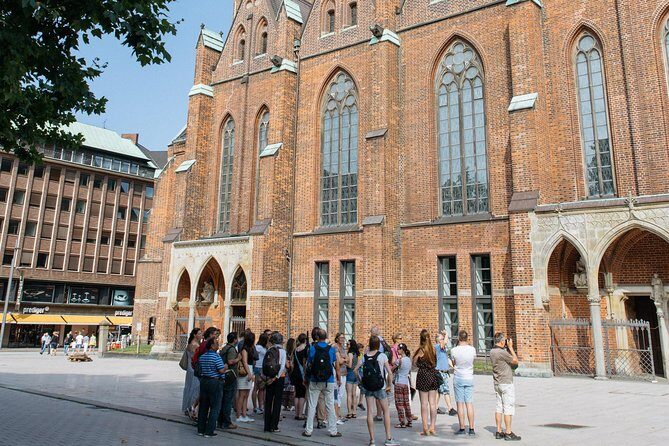
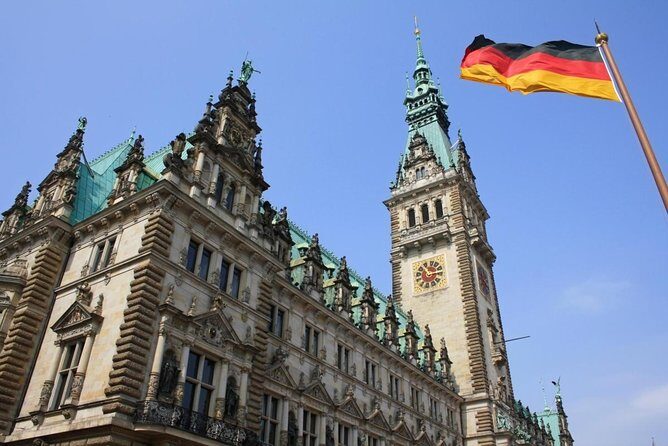
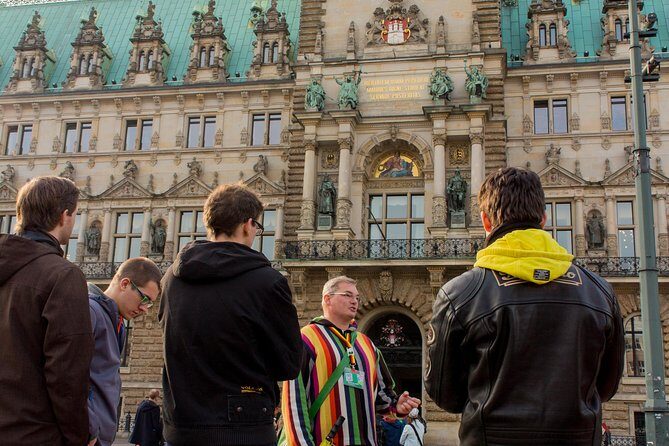
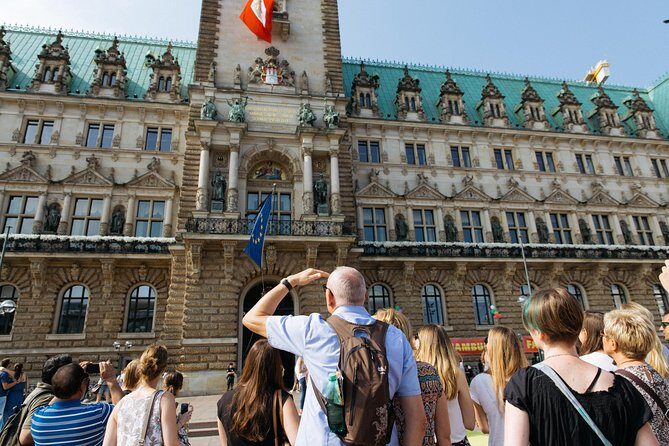
The tour begins at Hamburg Town Hall for a reason. It’s not just pretty architecture. It gives you a visual entry point into the city’s civic identity—how Hamburg organized itself and represented authority over centuries.
You’ll get around 25 minutes here, and that time is long enough to look at the façade details instead of just glancing and moving on. If you like architecture, this stop sets up the rest of the walk: you start at the center of governance, then later you move into the areas shaped by war, rebuilding, and commerce.
Also, the entry is free for this stop. That reduces friction. You can spend attention where it matters—on what you’re seeing—rather than lining up for tickets.
St. Nikolai Memorial: WWII in a City That Remembers
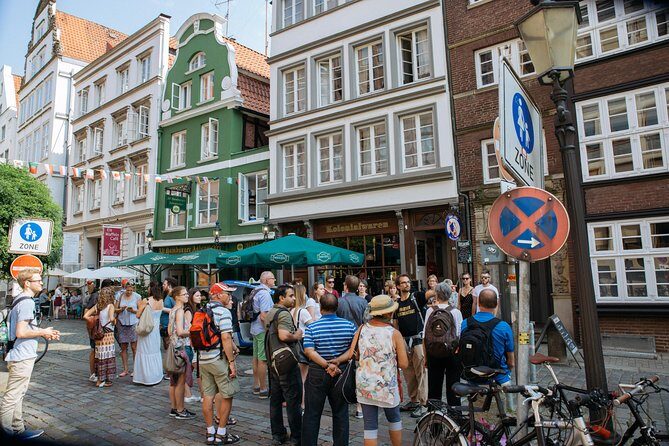
A short walk brings you to the Mahnmal St. Nikolai, focused on the WWII bombings of Hamburg. This stop is about memory and context, not just viewing a plaque.
You’ll have about 15 minutes here. It’s enough time for the guide to connect the site to what happened and why it still matters. Hamburg’s identity is tied to the way the city faced destruction and then rebuilt. Seeing this memorial in the middle of a normal urban walk makes the story feel grounded rather than abstract.
Admission here is free, so you can treat it as a meaningful pause without worrying about an extra cost.
If you prefer tours that explain not only what you’re seeing, but also what the city learned afterward, this memorial stop is one of the strongest parts of the route.
Trostbrücke and Deichstraße: Where Old and Daily Life Meet
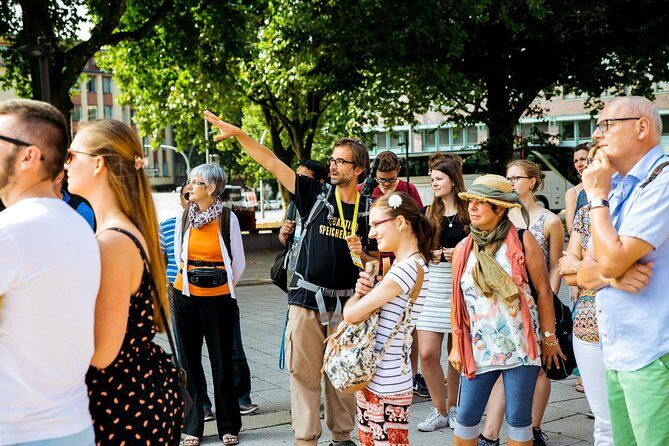
Next comes Trostbrücke, a historic bridge that connects parts of the old and newer city. Even if you don’t spend long here (about 10 minutes), a bridge stop works well for orientation. It gives you a “line in the landscape” that helps you picture how the city connects across water and neighborhoods.
After that, you go to Deichstraße, a street known for traditional Hamburg cuisine. You’ll also get about 10 minutes here, which is less about a long meal and more about understanding the street as a living part of the city. If you’re hungry, this is a good moment to think ahead: you’ll likely want to return later for a proper bite.
Both Trostbrücke and Deichstraße are free stops for this tour. That means you can use the time for observation—signs, street layout, and the general rhythm of the area—without turning it into another ticketed event.
Other historical tours in Hamburg


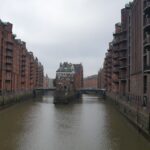

Speicherstadt Warehouses: Shipping History You Can See
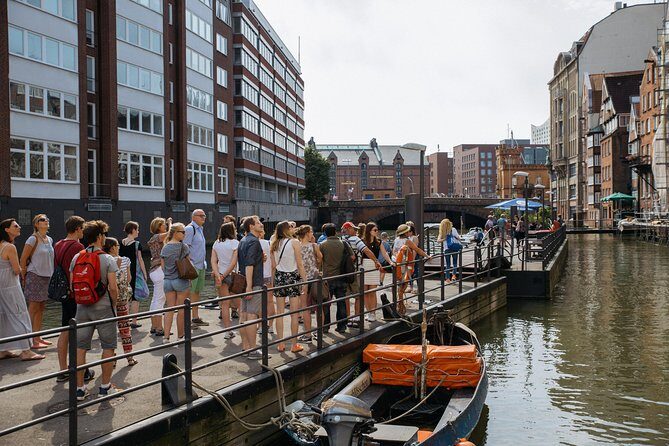
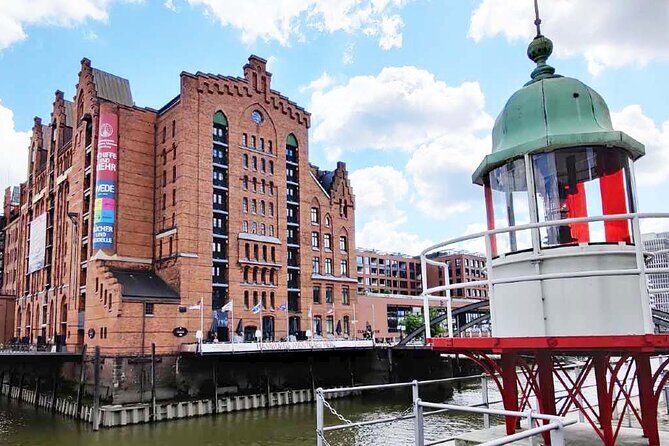
The walk heads into Speicherstadt, the former warehouse district in the historic port area. This is one of the best parts of Hamburg to understand through your eyes, because the buildings still look like they were designed for trade and storage.
You’ll spend about 10 minutes here. That’s brief, but it can still be satisfying if your guide points out the “how” behind the structures—why these warehouses were built the way they were and how that shaped daily life for port workers and merchants.
In your planning, think of Speicherstadt as a place to reset your mental picture of Hamburg. Before this stop, you’ve been in civic space and memory space. Now you’re in the working heart that explains why Hamburg became such a major player in European trade.
Admission is listed as free for this stop, so you can focus on the exterior atmosphere and what your guide connects to it.
Elbphilharmonie: A Modern Landmark Stop Without the Ticket Pressure
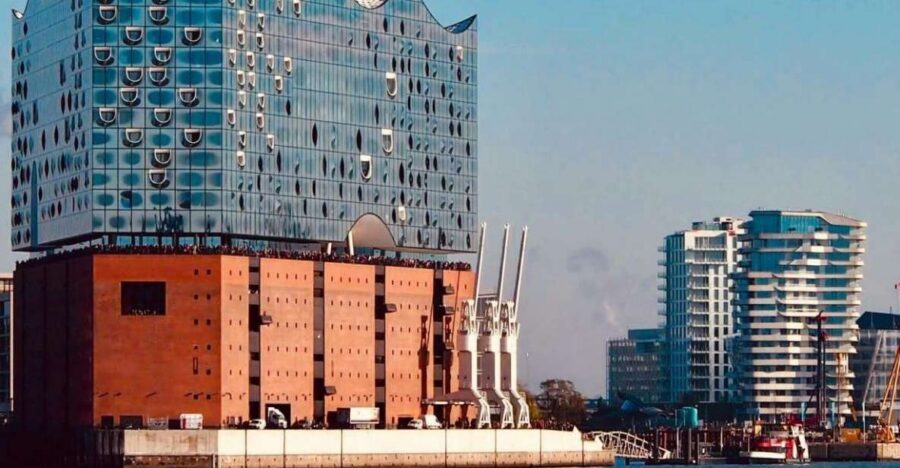
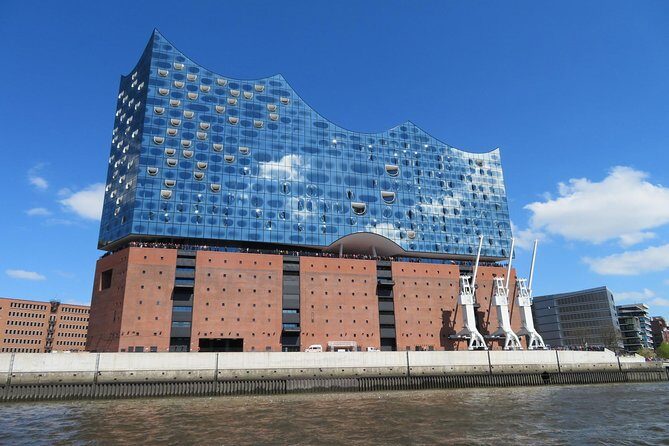
You’ll see Elbphilharmonie, Hamburg’s big new concert hall. The time allotted is about 10 minutes, and here’s the key detail: the stop does not include admission.
That doesn’t make the stop bad. It just changes the goal. You’re there to understand why the building matters in the city’s newer identity and to spot it in relation to the older port area you just saw.
The best way to approach this is to treat it like a photo-and-orientation moment. If you were hoping for full interior access, plan for that separately on your own, because the tour itself won’t bundle the concert-hall ticket.
So, if you’re the kind of traveler who wants one “wow” stop that’s modern and iconic, you’ll like that the tour includes it. If you’re the type who wants maximum access, you might feel this portion is shorter than you hoped.
St. Michael’s Church: The Landmark That Ends the Walk
The final stop is St. Michael’s Church, with about 15 minutes on site. This is a landmark stop, and it works as a strong finish. After learning about Hamburg’s governance, wartime memory, bridges, street life, and warehouses, you end with a major religious and architectural presence.
This stop is listed as free for admission. You can spend the time looking at the church’s prominence in the city center and absorbing how the skyline and streetscape fit together.
Since the tour ends in a park close by, you’ll also have room to breathe after the walk. This matters because you’re not forced into an immediate “next activity” before your legs catch up.
Professional Guides and the Storytelling Factor
A walking tour can turn into a facts-only march. This one aims for the opposite: the guide is the product.
In the feedback, guides like Viktor and Leo are mentioned for making history feel alive with humor and well-paced storytelling. Lucas is credited with taking people through centuries of history and sites around the city center in the two hours allotted. Brent, Lukas, and Victor also show up in the notes for being personable, handling questions patiently, and keeping the group engaged.
One practical takeaway for you: because the guide matters so much, show up ready to participate. Ask questions when you’re curious. If something clicks, follow that thread. With a smaller group, you’ll actually get an answer instead of a generic “we’ll move on.”
Also, pace seems to be a real strength here. Several comments point out a comfortable flow and time for photos. That’s what you want in a city-center walk where the weather can turn quickly.
Price and Pay-What-Feels-Right Budgeting
The listed price is $3.62 per person, and the model described here includes a small reservation fee upfront (around $3). The rest of what you pay happens after the tour, on a pay-what-you-feel-is-correct basis. Payment for the guide is expected.
Here’s how I’d think about value. You’re getting a professional guide, a structured route through major historic points, and explanation that ties the stops together. You’re also avoiding extra costs at most stops because many entries are free.
So the smart budget move is simple: treat the reservation fee as the booking cost, and set aside extra for the guide when the tour ends. If you like the experience, tip accordingly. If you didn’t, adjust your contribution to match your level of satisfaction.
That’s the heart of this kind of tour: it’s flexible, but it still relies on you doing your part at the end.
How to Fit This Tour Into Your Hamburg Day
This is best as an early anchor. If you do it on your first day, you’ll understand how the old city connects to the port and where the big landmarks sit relative to each other. Even if you only remember a handful of details, you’ll move through Hamburg with less confusion.
It’s also good when you don’t want to commit to museum tickets, but you still want a guided structure. The route keeps entry costs low, with the big exception being that Elbphilharmonie admission isn’t part of the walk.
If you’re traveling with someone who prefers “see it and understand it” rather than “walk around and hope you figure it out,” this tour is a great match.
Who Should Book, and Who Might Skip
This walk is a solid fit for people who:
- want a guided English overview of Hamburg’s center
- enjoy walking between landmarks with short, focused time at each
- like stories that connect architecture, war memory, and commerce
You might want to skip or adjust expectations if:
- you need long time inside major attractions (Elbphilharmonie ticketed access is not included)
- you dislike walking for any reason, since the tour is still a city walk with multiple stops
- you’re expecting a start-to-finish return to the exact same place (the ending point is near St. Michael’s)
Should You Book the Hamburg Historic Centre Walk?
Yes, if you want an efficient way to understand what shaped Hamburg. The route hits the civic center, a WWII memorial, and the port-era warehouses, then closes with a landmark that gives you a clean mental finish line. The small-group format and English-guided storytelling are the ingredients that make it worth your time.
I’d book it if you’re the type who likes getting your bearings fast, and I’d treat Elbphilharmonie as an outside look unless you plan your own ticketed add-on later. If that approach sounds good, you’ll likely leave with a clearer sense of the city’s past and where the modern parts sit in the same picture.
FAQ
How long is the Hamburg Historic Centre walking tour?
It lasts about 2 hours.
Where do I meet the guide?
You meet at Rathausmarkt 46, 20095 Hamburg, Germany.
Where does the tour end?
The tour ends in a park next to St. Michael’s Church, near Martin-Luther-Straße 35, 20459 Hamburg, Germany.
Is the tour in English?
Yes, it’s offered in English.
Are tickets included for all stops?
Many stops are listed as free (including Town Hall, the St. Nikolai memorial, Speicherstadt, and St. Michael’s Church). Elbphilharmonie is noted as admission not included.
What is the upfront cost and how does payment work?
You pay a small reservation fee upfront (about $3) and the price is listed as $3.62 per person. Payment for the guide is expected after the tour, based on what you feel is correct.