REVIEW · HAMBURG
Hamburg: UNESCO-World Heritage Sites Tour
Book on GetYourGuide →Operated by Stattreisen Hamburg e.V. · Bookable on GetYourGuide
Hamburg can look ordinary, then history starts talking. This short UNESCO walking tour ties together the Kontorhäuser (merchant office buildings), the red-brick Speicherstadt warehouses, and the port world that helped Hamburg grow. Two things I especially like: you get the architecture explained in plain language, and you also get hands-on flavor like spice samples tied to how the port works. One drawback to plan for: the ferry part only runs on Saturdays, so on other days you’ll miss that extra ride.
You’ll walk a compact route—enough to see the big hits without feeling trapped in a long guided slog. The pace is designed for a 2-hour visit, and the guide’s clear, detailed commentary makes the details stick (especially if the guide is Albert, who’s been singled out for strong, easy-to-hear explanations). Since it runs in all weather, you’ll want to dress for rain or wind.
In This Review
- Key highlights you should care about
- Why Hamburg’s UNESCO parts work so well in two hours
- Meeting at Jakobikirche: starting where the city feels old and navigable
- Sprinkenhof and the Kontorhaus world: office buildings that explain trade
- Chilehaus: the famous landmark and the reason people keep photographing it
- Meßberg and Dar es Salaam Square: quick context that links districts
- Speicherstadt: red-brick warehouses, canals, winches, and carpet storage
- How the port is explained: ferry on Saturdays, pictures, and spice samples
- Magdeburg Harbour finish: maritime museum landmarks and river views
- Price and time: is $18 worth it for a 2-hour walk?
- What kind of traveler this tour fits best
- Should you book this UNESCO World Heritage Sites Tour?
- FAQ
- FAQ
- How long is the Hamburg UNESCO World Heritage Sites Tour?
- How much does the tour cost?
- Where does the tour start?
- What language is the guide speaking?
- Is the tour only indoors or does it happen outside?
- Which places will we see during the tour?
- Is a ferry ride included?
- What special elements are part of the port explanation?
- What are the cancellation and booking options?
Key highlights you should care about
- Kontorhäuser explained for real life: stories of clerks, money-counting tables, and how office buildings powered global trade
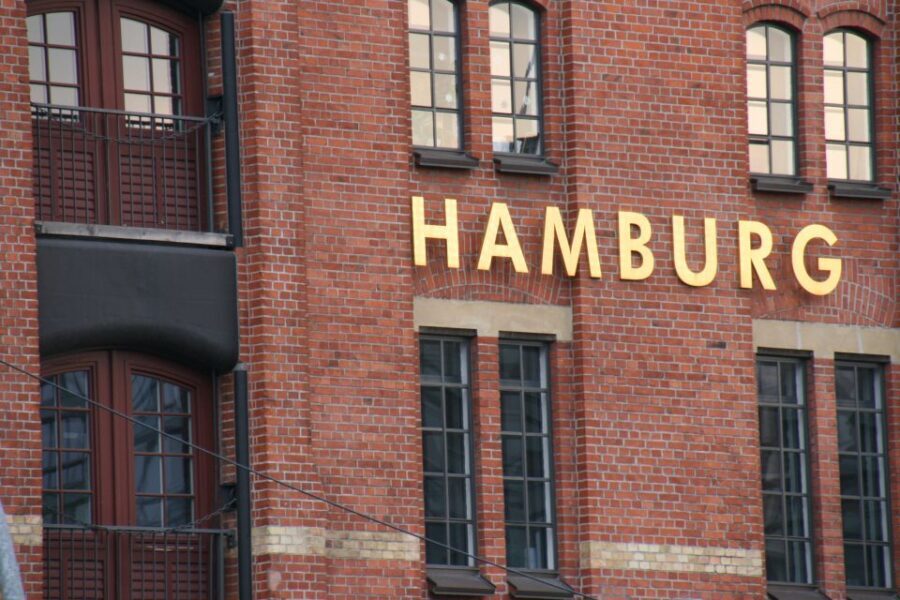
- Speicherstadt on foot: classic red-brick warehouses with canals, dock views, and memorable textures
- Small port details: old rope winches and carpet storage show how this place functioned
- Chile House stop: a highlight tied to Hamburg’s skyline and the UNESCO story
- Magdeburg Harbour finish: you end near maritime landmarks like the International Maritime Museum and Überseequartier
- Saturday bonus: a short ferry trip is included only on Saturdays
Why Hamburg’s UNESCO parts work so well in two hours
The UNESCO area here isn’t just about pretty buildings. It’s about how Hamburg did business—how money moved, goods arrived, and decisions got made in office blocks. In a compact route, you get the logic of the city: workspaces in the Kontorhaus era, then warehouses in the Speicherstadt, then the wider port network pulling it all together.
I also like that the tour doesn’t treat architecture as a museum object. Instead, you hear how the buildings supported people and processes: clerks, trade, storage, and distribution. That’s the difference between “I saw a building” and “I understand why this building mattered.”
The second big win is contrast. You’ll notice old brick facades and canals next to newer dock and river-facing architecture. That visual mix helps you read Hamburg like a living system, not a single time period.
Other historical tours in Hamburg

Meeting at Jakobikirche: starting where the city feels old and navigable
You start at Jacobikirche, at the corner of Bugenhagenstraße and Barkhof. It’s a smart meeting point because it’s central enough to set you up for quick walking connections, but it still feels grounded in real city streets instead of a tourist bubble.
From the beginning, the tour frames what you’re about to see: this is Hanseatic Hamburg and its later growth spurts, told through buildings. That early setup matters, because by the time you hit the big landmarks, you’ll understand what to look for.
Sprinkenhof and the Kontorhaus world: office buildings that explain trade
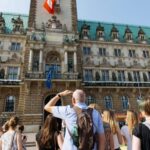
One of the stops is Sprinkenhof, a key piece of the Kontorhäuser story. This is where the tour’s main theme clicks: these were office buildings designed for commercial power—world-reaching companies, not just local paperwork.
You’ll hear the human side of it: stories about clerks and the money counting tables that went with day-to-day trade operations. Even if you don’t care about office history, it’s a useful way to understand why the architecture looks the way it does. It wasn’t built to impress tourists. It was built to run business.
A good thing for your expectations: this section is structured so you don’t get lost in jargon. The guide keeps tying each building feature back to how Hamburg worked.
Chilehaus: the famous landmark and the reason people keep photographing it
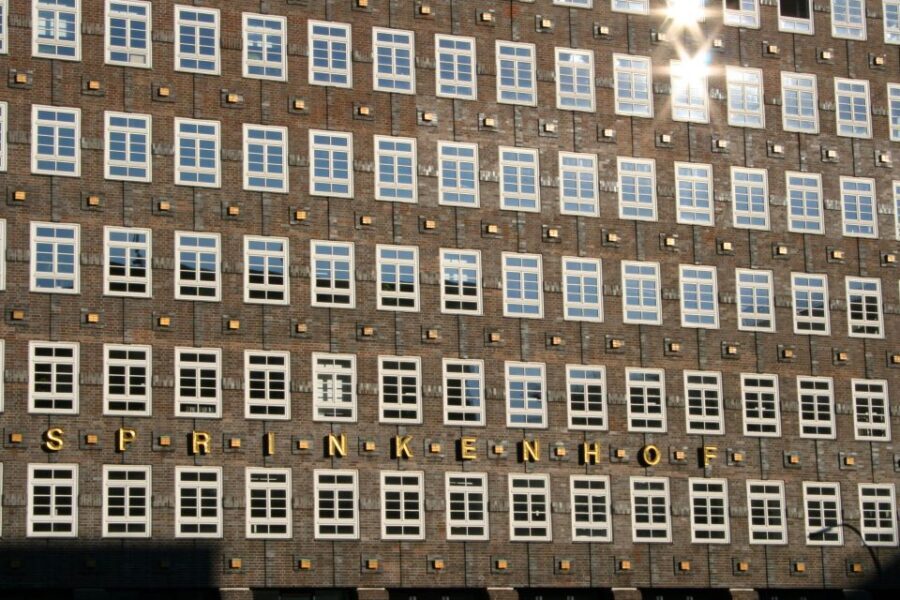
Next comes the Chile House (Chilehaus), one of the most recognizable names in Hamburg’s UNESCO story. The tour covers it as part of Hamburg’s development—how these merchant office buildings signaled economic growth and worldwide influence.
If you like architecture with a story, this is a highlight. The guide connects the building to the city’s commercial era, so you aren’t just admiring the shape. You’re seeing it as a physical sign of ambition, investment, and trade networks.
If you’re thinking about timing, this stop is also a practical one: it’s an anchor point in the walk. It helps you orient mentally for the rest of the route, especially once the tour starts shifting from offices to warehouses.
Meßberg and Dar es Salaam Square: quick context that links districts
After the Kontorhaus area, the walk continues toward Meßberg and then Dar es Salaam Square. These stops matter because they act like connective tissue between two very different parts of the UNESCO zone: the office district logic and the warehouse/port logic.
You’ll hear how the tour’s two districts represent Hamburg’s changing development. That framing is helpful for you because it turns what could feel like random stops into a single story line: commerce → storage → shipping → port networks.
Because this is a short tour, these segments keep moving. That’s a plus if you like a tight itinerary, but it can also mean you won’t have long to wander independently. If you want slow photography and long pauses, you may prefer adding extra time after the tour.



Speicherstadt: red-brick warehouses, canals, winches, and carpet storage
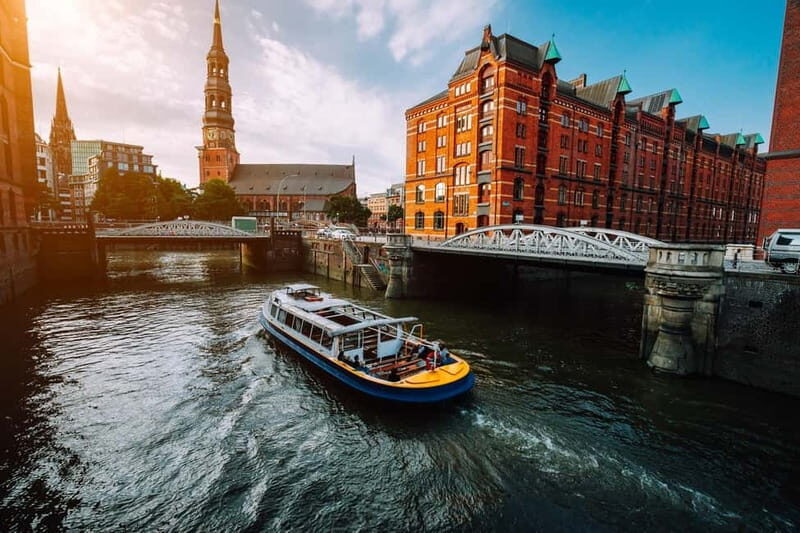
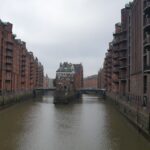
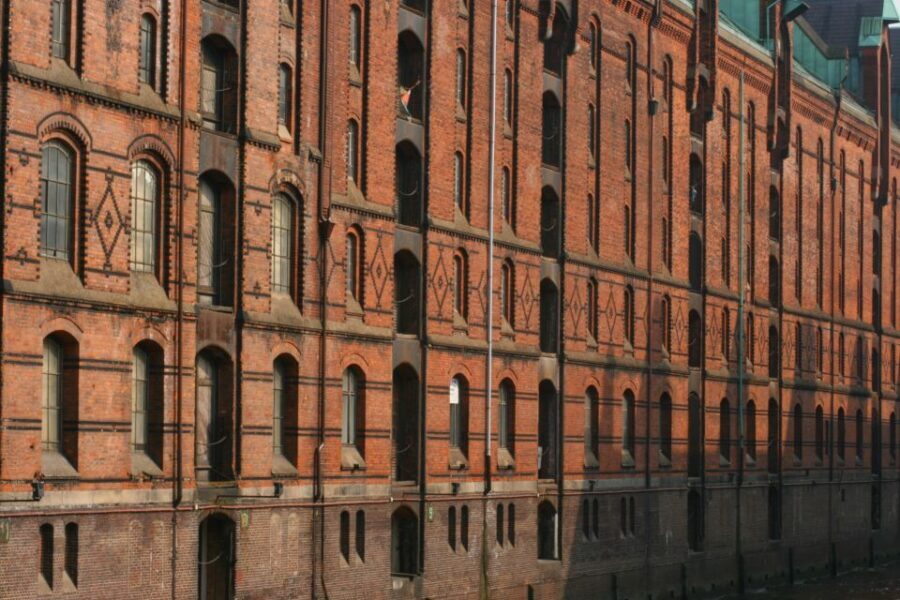
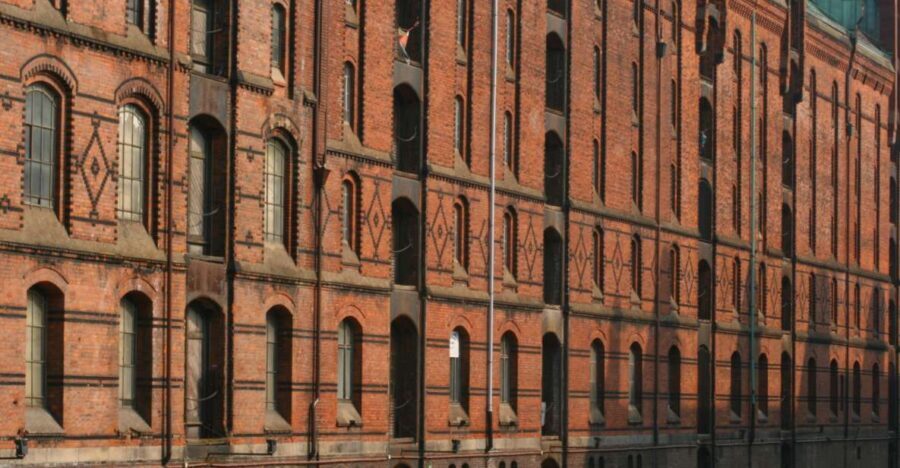
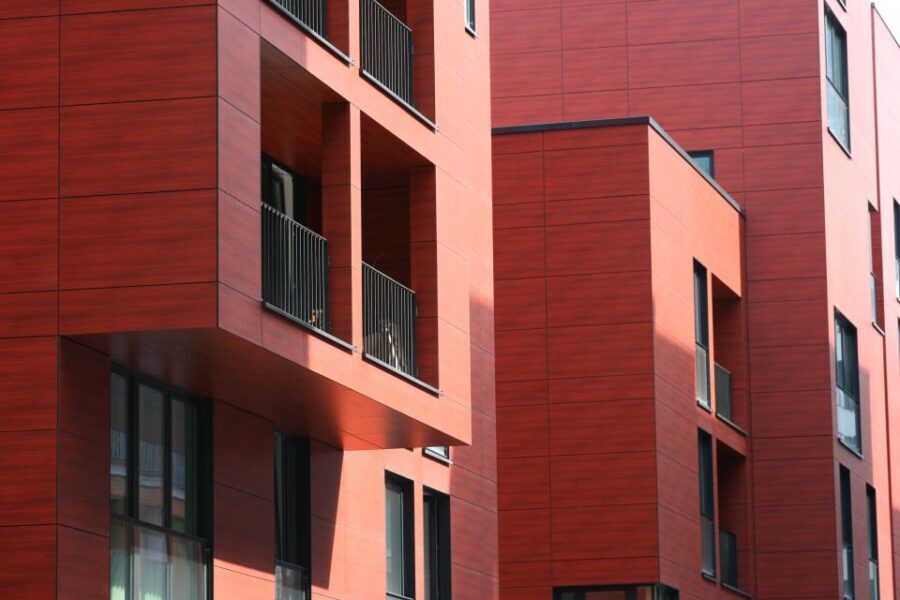
Then you reach the Speicherstadt—historic warehouse buildings known for their red-brick look and canal setting. This is the part where the UNESCO label becomes visible in everyday detail: the shapes, the textures, and the sense of function.
The tour doesn’t stay generic. You’ll see the historic Speicherstadt and you’ll get specific functional details such as old rope winches and carpet storage. Those examples help you picture the work that happened here. It’s not just “warehouses.” It’s storage technology and practical logistics.
You’ll also notice the contrast the tour promises: old brick facades and canals next to more modern dock areas. And you’ll get views over the river Elbe, which gives your brain a breather between the dense warehouse details.
One practical consideration: the Speicherstadt is best read on foot, but it can feel tight and busy visually. The guide’s job here is to help you slow down mentally, even while you’re still walking.
How the port is explained: ferry on Saturdays, pictures, and spice samples
A distinctive part of this experience is the way the guide explains the working port. You’ll hear about how the port works, supported by pictures and samples of spices. That hands-on sensory element makes the port feel real, not like a distant industrial map.
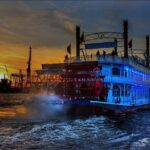
There’s also a short ferry trip only on Saturdays. If your schedule lines up, this is a smart add-on because it shifts you from streets and canals into views tied to water movement. Even if you miss the ferry, the port explanation still gives you a sense of how goods flow through Hamburg.
This section is a good example of why the tour is more than architecture. You’re getting the “what happens here” layer, which helps you understand why the warehouses and offices were built where they were.
Magdeburg Harbour finish: maritime museum landmarks and river views
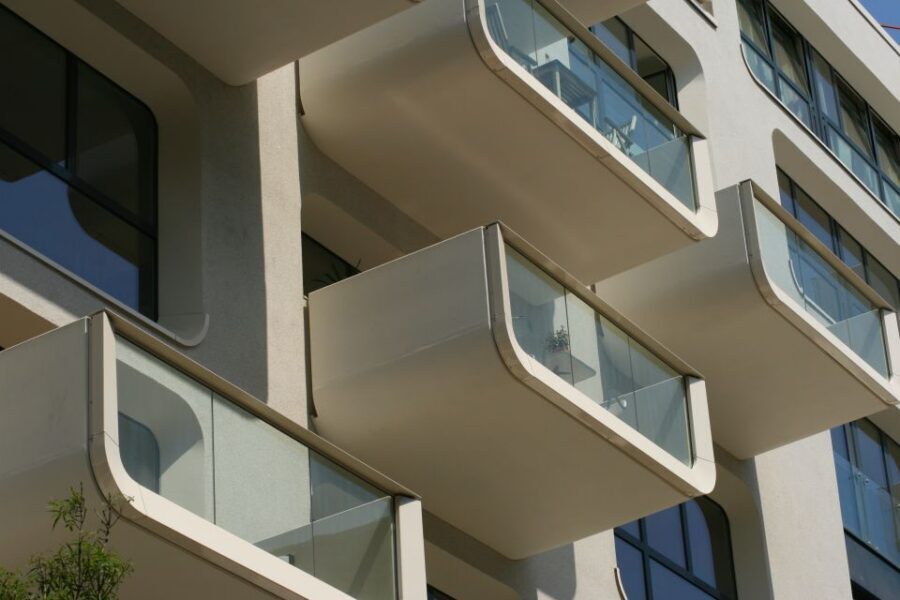
The tour ends at Magdeburg Harbour. From here, you can connect the UNESCO story to the bigger maritime picture, including the International Maritime Museum and the Überseequartier.
Finishing at a port-linked area is practical. It nudges your thinking from “historic districts” to “Hamburg’s living economy.” And if you want to keep exploring, this end point makes it easier to extend the day on your own.
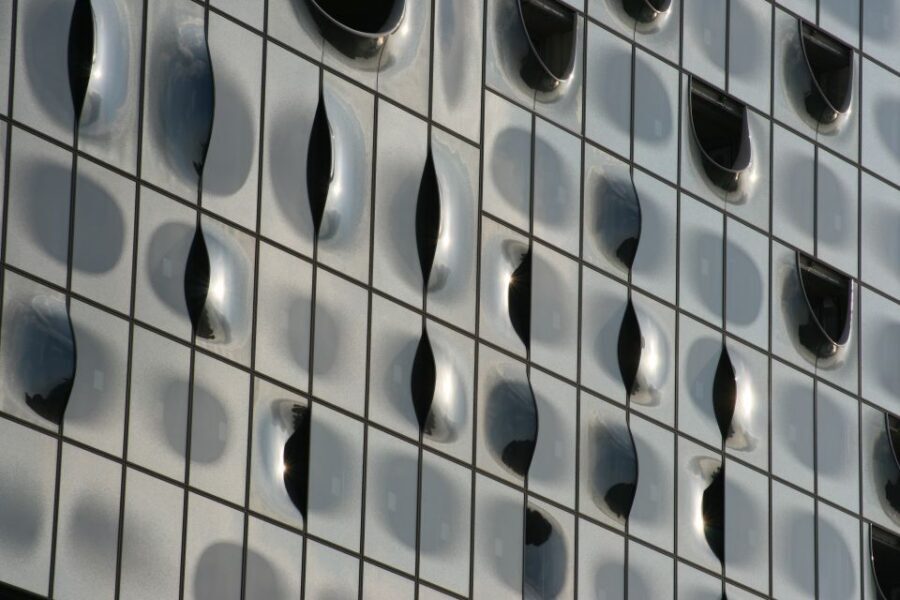
Also, the tour’s promise about variety lands here. You move from canal-side brick warehouses to a river-and-dock setting with modern architecture and the kind of views that remind you this whole UNESCO zone exists next to shipping, not in spite of it.
Price and time: is $18 worth it for a 2-hour walk?
For $18 per person and a 2-hour duration, the value is strong if you want a guided overview that actually teaches you something. In this kind of city zone, the cost isn’t just time—it’s interpretation. Someone has to connect the buildings to the stories: clerks and money counting, storage systems, and port logistics.
Two hours also keeps your commitment low. You don’t have to plan a whole day just to get the key UNESCO highlights. You get Chilehaus, Speicherstadt, and the Kontorhaus theme in one route, with port context added on.
The trade-off is depth. This is not a slow, hour-by-hour photo expedition, and you won’t linger for long at every spot. If you’re the type who likes to read every plaque and take long detours, plan extra time before or after.
What kind of traveler this tour fits best
This tour is ideal if you want a guided walk that stays focused on meaning: what these buildings were for, not just how they look. It also suits you if you like architectural details with practical explanations, like rope winches and storage.
It’s less ideal if you need a lot of downtime, or if you only can travel on non-Saturday days and were hoping for the ferry. Also, it’s German-speaking, so if you don’t feel comfortable with German, look for another language option.
If you’re in Hamburg for a short stay, this is a smart “first-taste” plan. It gives you the vocabulary to understand what you’ll see later, whether you go back to Speicherstadt on your own or explore the harbor areas further.
Should you book this UNESCO World Heritage Sites Tour?
Yes—if you want a compact, well-framed way to understand Hamburg’s UNESCO districts. You’ll get the big architecture names like Chilehaus, the warehouse core of Speicherstadt, and the port connection made tangible with pictures and spice samples. The walk is long enough to feel satisfying, short enough to stay flexible.
Book it especially if you like tours where the guide’s explanations are clear and the pace is workable in real time. One caution: plan your clothes for all weather, and if you care about the ferry, aim for Saturday.
If you’d rather wander without a schedule, or you only want interior access (this tour sounds like it’s built around outdoor viewing and storytelling), you might prefer a more self-guided option.
FAQ
FAQ
How long is the Hamburg UNESCO World Heritage Sites Tour?
The tour lasts 2 hours.
How much does the tour cost?
It costs $18 per person.
Where does the tour start?
Meet at Jacobikirche, at the corner of Bugenhagenstraße and Barkhof.
What language is the guide speaking?
The guide speaks German.
Is the tour only indoors or does it happen outside?
It’s a walking tour and takes place in all weather conditions, so you should expect to be outside.
Which places will we see during the tour?
You’ll visit areas including Sprinkenhof, Chile House, Meßberg, Speicherstadt, Dar es Salaam Square, and finish at Magdeburg Harbour, with landmarks such as the International Maritime Museum and Überseequartier mentioned along the way.
Is a ferry ride included?
A short ferry trip is included only on Saturdays.
What special elements are part of the port explanation?
The port is explained using pictures and spice samples.
What are the cancellation and booking options?
You can cancel up to 24 hours in advance for a full refund, and there’s an option to reserve now and pay later.