REVIEW · HAMBURG
Hamburg: Guided Port Walk for Families
Book on GetYourGuide →Operated by Stattreisen Hamburg e.V. · Bookable on GetYourGuide
Hamburg’s harbor comes alive fast. This 2-hour family port walk mixes waterfront sights with hands-on storytelling, so kids stay curious while parents get real answers. I especially liked the way it turns big-port topics into kid-sized moments, including spice samples and pictures of how goods move.
Two highlights really landed for me: the chance to see Speicherstadt and the Elbphilharmonie from the water-view angles you usually only get by wandering for hours. And the guide approach matters here—guides like Klaus-Peter and Dörte have a reputation for keeping explanations kid-friendly and the pace lively.
One possible drawback: if you’re expecting nonstop industrial action the whole time, the tour can feel more focused on landmark buildings (some people felt the title overpromised the amount of “port” itself). With cold or bad weather, it can also be a quick-shiver walk outdoors.
In This Review
- Key Things to Know Before You Go
- A 2-Hour Hamburg Port Walk Built for Kids Ages 6–12
- Starting at Deichstraße and Steintwiete: Your Easy First Minutes
- Deichstraße and HafenCity Canals: Port Life Made Picture-Smart
- Speicherstadt Warehouses: Why Buildings Sit in the Water
- Elbphilharmonie Views and the Harbor Scale
- The Short Ferry Ride to Landungsbrücken: A Needed Break
- Ships, Dry-Docks, and the English Closet: What the Guide Really Covers
- Price and Value: Is $14 Worth a Family Harbor Stop?
- Weather, Clothing, and Pacing with Kids
- Who This Tour Fits Best (and Who Might Want Something Else)
- Should You Book This Hamburg Guided Port Walk for Families?
- FAQ
- How long is the Hamburg guided port walk for families?
- How much does the tour cost?
- What ages is the tour designed for?
- What language is the live guide?
- Where do we meet and where does the tour finish?
- What’s included and what’s not included?
- Do kids need to be accompanied by an adult?
Key Things to Know Before You Go
- 2 hours with a ferry moment: mostly walking, with a short ride (about 5 minutes) for a change of pace.
- Built for ages 6–12: stories and activities are shaped for this age group, not for adult-only attention spans.
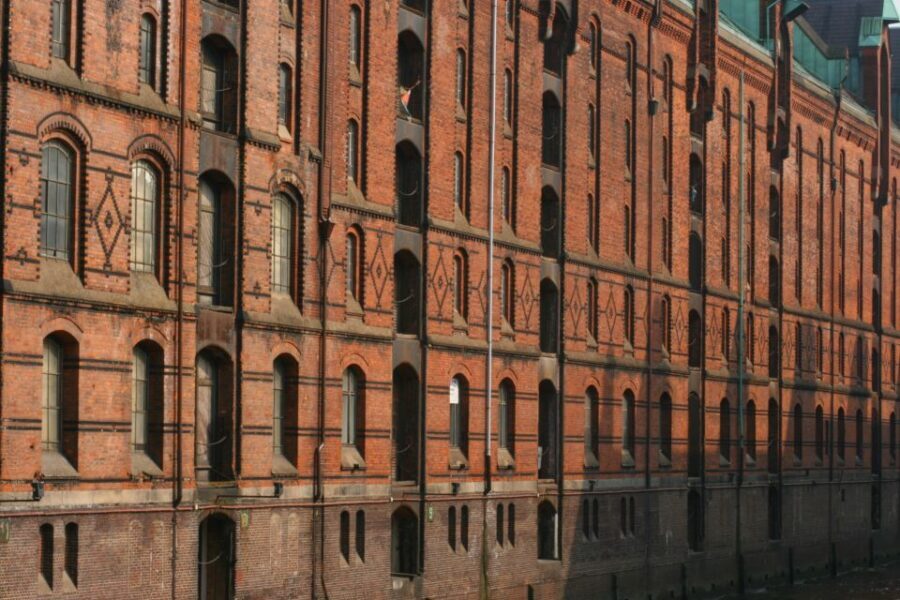
- Speicherstadt + Hafencity + Deichstraße: you’ll connect the dots between old merchant buildings and the working harbor.
- Elbphilharmonie and Landungsbrücken viewpoints: classic harbor scenery without needing extra planning.
- Spice samples and picture-based explanations: you’re not just looking—you’re learning with tangible clues.
- German live guide: language matters, though group tours can be arranged in English for individual dates.
A 2-Hour Hamburg Port Walk Built for Kids Ages 6–12
This tour is designed for families, not museum trippers. You’re walking the Hamburg waterfront with a qualified guide, and you’ll keep moving long enough to avoid that end-of-tour kid meltdown. At the same time, you’re not just sightseeing—your guide turns the port into a story about people, goods, and ship systems.
If your kids like ships, water, and “how does that work” questions, you’ll probably see more interest here than on a standard landmark walk. You’ll also notice the balance: there’s time for big visuals like warehouses and concert-hall views, plus smaller moments like answering kid questions along the way.
You should also know what the tour tries to do academically. It covers how Hamburg’s modern port developed and why the waterfront looks the way it does—so it’s part sightseeing, part “explainer” tour. That mix can work beautifully, but it does mean the pacing depends on the group and the guide’s ability to keep explanations short.
Other harbor and port cruises in Hamburg



Starting at Deichstraße and Steintwiete: Your Easy First Minutes
The meeting point is at the corner of Deichstraße and Steintwiete, right by the action zone you’ll be exploring. The starting location is listed as Deichstraße 30, which helps if you’re using maps apps to get there quickly.
This first stretch is more important than it sounds. In the first minutes, you’re getting oriented to Hamburg’s port geography—where canals and waterways shape the whole area. If you arrive a bit early, you’ll also have time to help kids get their bearings before the guide starts turning streets and buildings into a story.
Practical tip: with kids, you’ll want everyone settled before you move onto the waterfront. Once you’re out near the harbor edges, it’s harder to take a quick “wait, where’s my jacket?” pause.
Deichstraße and HafenCity Canals: Port Life Made Picture-Smart
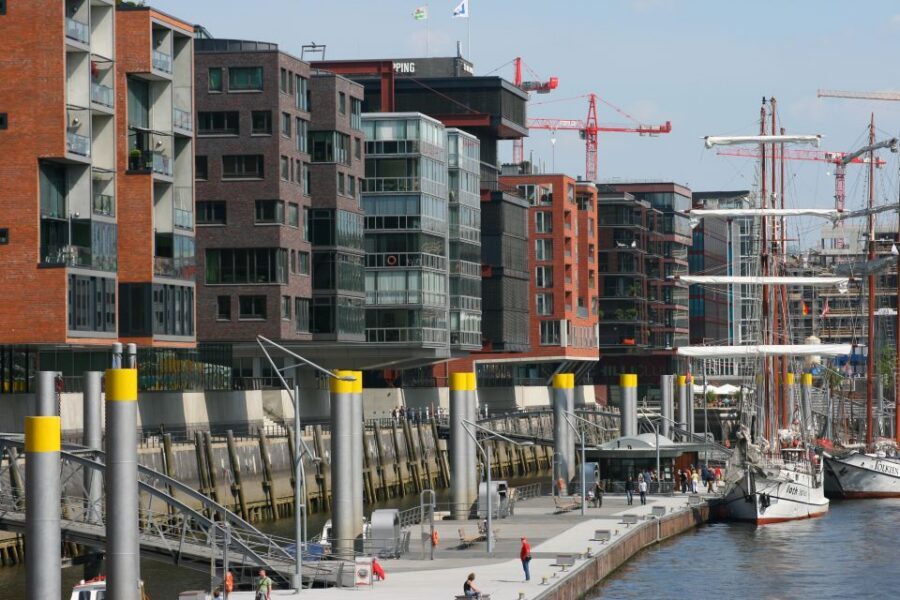
Once you’re underway, the tour leans into the maritime atmosphere—waterways, canal-like views, and the sense that goods and ships are still the heart of Hamburg’s economy. The guide walks you along areas tied to the port’s evolution, so you’re not just looking at scenery; you’re connecting it to how the place functions.
A nice touch is that the guide uses pictures and samples of spices to explain global trade. That matters for kids. When the story includes sensory cues—smell, sample, a visual reference—it sticks better than only hearing a description.
Expect a mix of light drama and practical explanations: merchants’ stories, a pirate-ish flavor in the storytelling, and hands-on answers to curiosity questions. If your kids enjoy naming what they see—cranes, vessels, warehouse façades—you’ll likely get more out of the walk.
Possible drawback to keep in mind: some families felt there were a lot of explanations during the walk. That doesn’t mean the tour is bad; it just means your child’s attention style matters. If your kid likes movement and less talking, plan for a few gentle “let’s watch the water” resets so the guide doesn’t feel like the only show in town.
Speicherstadt Warehouses: Why Buildings Sit in the Water
This is where the tour’s “wow” factor becomes real. You’ll spend time in Speicherstadt, and you’ll get an explanation for what you’re actually looking at—like how the merchants’ houses and warehouse buildings relate to the water.
Some people go to Speicherstadt for photos. You’ll go here for the “why.” Your guide talks about what’s inside the famous warehouses and why this district looks the way it does along the waterfront. The goal is to help kids understand storage, trade, and the port’s needs—without turning it into a lecture.
This is also the reason the tour can feel slightly different from what some families expect from the word port. If your ideal Hamburg port day is mostly ships, docks, and working industrial scenes, you might feel the balance tilts toward the architectural side. On the other hand, Speicherstadt is part of the port story, and it’s hard to separate the two if you want to understand how merchants operated.
For most families, the lesson lands: the port isn’t just cranes and containers. It’s buildings, systems, and planning. And in Speicherstadt, you see the planning on every corner.
Elbphilharmonie Views and the Harbor Scale
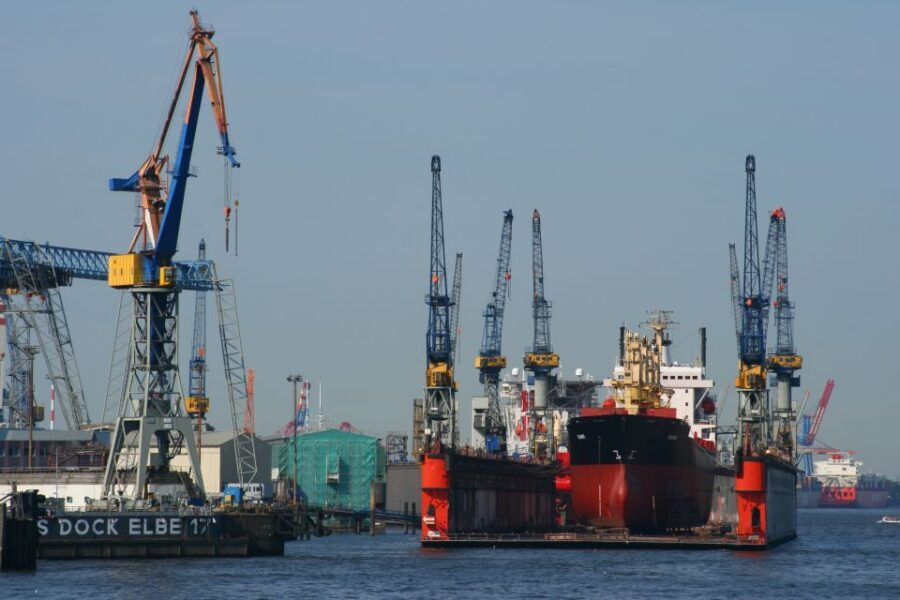
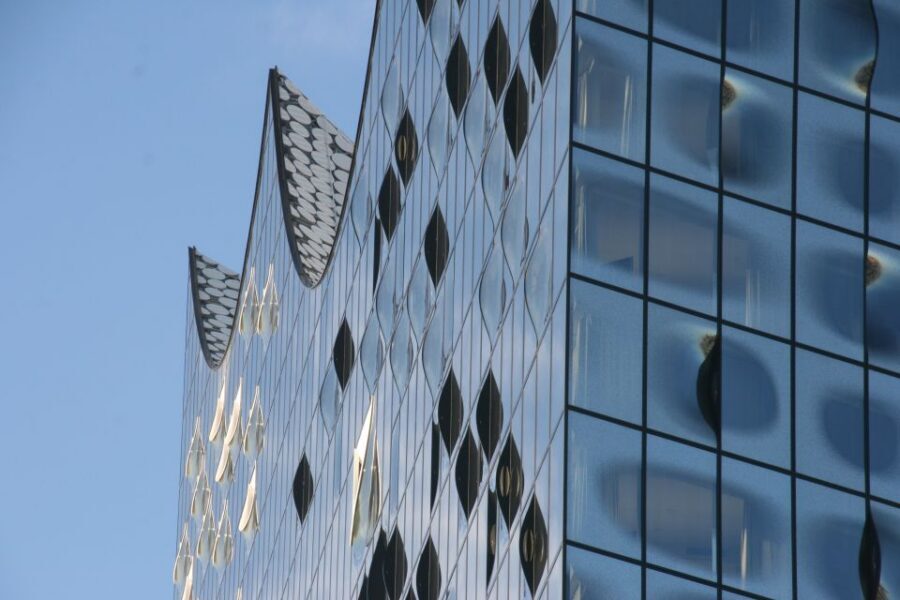
Then comes a high-impact change of scenery: the Elbphilharmonie area. Even if you’re not going inside, the harbor views from this part of town make the tour feel bigger than a neighborhood walk.
This stop helps you connect old trade infrastructure to modern Hamburg. You see how the city’s identity extends beyond warehouses—how the port’s success helped shape a whole skyline and a modern cultural brand.
For kids, it helps because it gives them a “landmark” moment that feels like a reward. They can point it out, and it becomes a mental marker for the day: we’re not just walking through boring water streets. We’re in a real Hamburg story.
The main consideration here is time and weather. The waterfront can be exposed, so dress for wind and cold. One review highlighted how quickly they were freezing when conditions weren’t great—so don’t assume Hamburg feels mild just because the sky looks decent for a moment.
Other family-friendly tours in Hamburg




The Short Ferry Ride to Landungsbrücken: A Needed Break
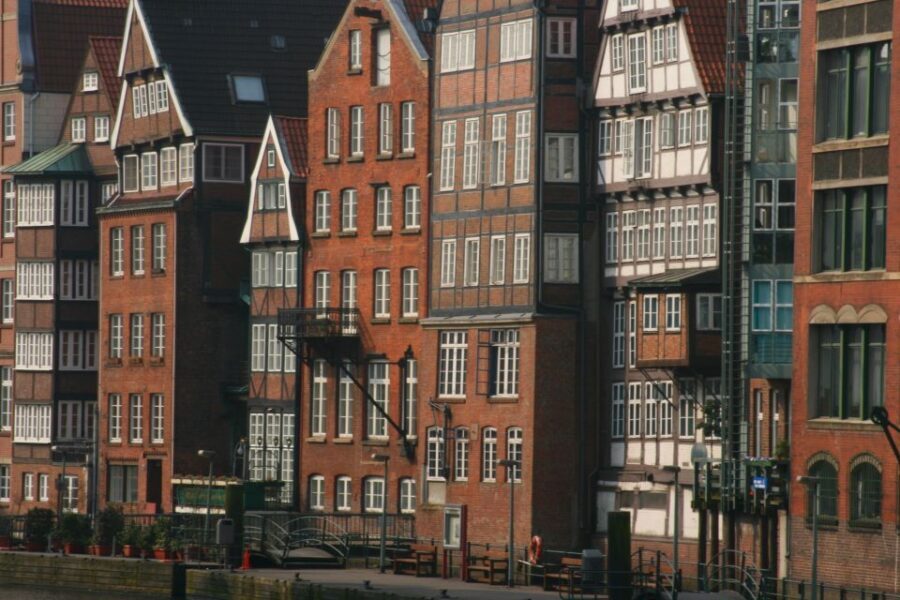
You’ll take a brief ferry ride—about 5 minutes—which is a smart move for family pacing. Kids get a visual shift, a little movement in the middle of the walk, and you get a slightly different angle on the harbor.
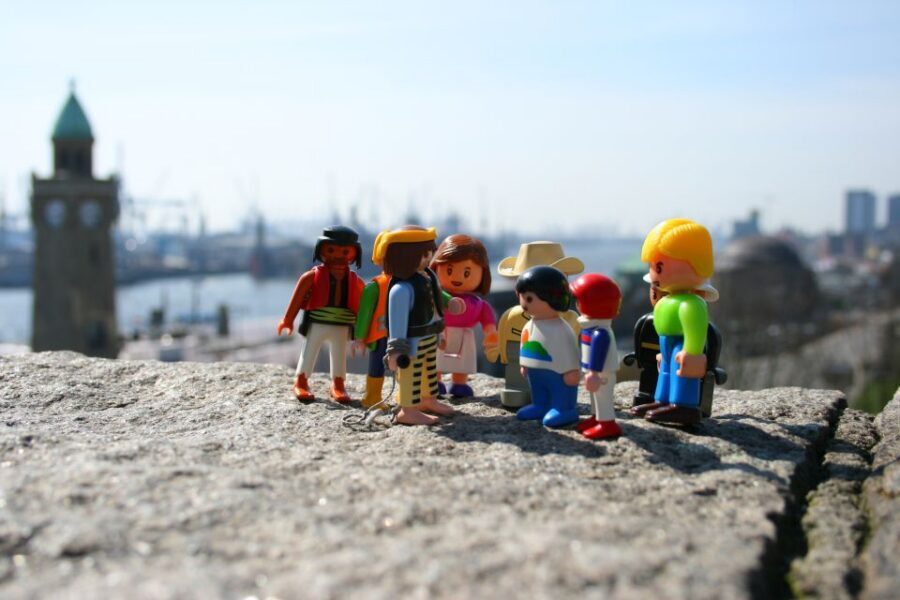
After that, you head to Landungsbrücken, which is the kind of place where the port mood becomes obvious. It’s a natural place to end because it feels like the harbor center—water all around, constant activity nearby, and lots of sight lines.
Finishing at Landungsbrücken is also practical. It’s a known reference point. If you want to keep exploring after the tour, you’re already in a lively area where it’s easier to decide what to do next.
Ships, Dry-Docks, and the English Closet: What the Guide Really Covers
One of the most interesting parts of this experience is the “how things work” layer. Your guide answers questions like:
- how ships get into a dry-dock
- what’s behind the warehouse setup in Speicherstadt
- why merchants’ houses relate to the water setting
- what an English closet is
That last one alone tells you what this tour is doing. It’s mixing everyday curiosity with port history and practical function. Kids love weird-but-explainable terms, and parents like knowing there’s substance behind the storytelling.
You’ll also hear about how goods and spices traveled from all over the world—connected to the port’s development. That’s not just “cool trade facts.” It gives context for why Hamburg’s waterfront looks like it does and why the port shaped the city’s growth.
I like this approach because it turns passive looking into active learning. If your kids ask questions, the guide has a framework ready. And if your kids don’t ask much, you still get guided prompts through pictures and samples.
Price and Value: Is $14 Worth a Family Harbor Stop?
At $14 per person for a 2-hour guided walk, this can be good value—especially because the experience includes more than just a straight stroll. You get a ferry segment, a qualified guide, and guided access to the port area’s most famous waterfront landmarks and explanations.
What’s not included matters too: you’ll need public transport tickets for the tour. If you’re already planning to use transit, it’s easy to fit in. If not, factor in the cost and time of getting to the meeting point.
I think the real value is in the guide-led structure. You’re paying to have someone connect the dots—why things exist, how ships and storage work, and what the buildings mean. For families, that’s often more satisfying than doing a self-guided loop, because kids get answers on demand.
Also, the tour is specifically aimed at kids 6–12. That niche focus helps the guide tune the pacing and content. When guides like Dörte and Klaus-Peter are doing it right, the tour feels shorter than it is—because kids aren’t stuck in “sit still and listen” mode for long stretches.
Weather, Clothing, and Pacing with Kids
This one is simple: the waterfront can be cold and exposed. Plan for wind off the water, even if you don’t expect it to be brutal. If you know your child gets cold quickly, bring layers and something that blocks wind.
Also think about pacing. The tour is 2 hours, and it doesn’t feel like a long marching day. Still, some families felt there were more explanations than they wanted. If your kids get restless during talk-heavy moments, give them small jobs: spot something shaped like a boat part, find a detail on a warehouse façade, or keep an eye out for the next “change of scene.”
If weather is awful, don’t expect a perfect outcome. The tour still has to keep moving and talking, and you’re outside for much of it. But for most families, the mix of landmarks plus ferry helps reset attention.
Who This Tour Fits Best (and Who Might Want Something Else)
This tour is a strong fit for families who want:
- a guided introduction to Hamburg’s port area
- classic sights like Speicherstadt, Elbphilharmonie, and Landungsbrücken
- kid-friendly explanations, ideally with a guide who keeps stories engaging
It’s also a good match if your kids are curious about trade, ships, and how big infrastructure works. The dry-dock talk and the quirky term English closet make it feel playful, not only factual.
Who might want to think twice? If your main goal is seeing the working port up close with lots of industrial motion and minimal talking, you could find the building-focused portions too dominant. A family who expected more “port operations” described the title as misleading. That’s a reasonable caution: set expectations that you’re getting architecture and explanation as part of the port story, not only a dockside viewing deck.
Should You Book This Hamburg Guided Port Walk for Families?
I’d book it if you want a family-first way to understand Hamburg’s port without building your own itinerary from scratch. The combination of walking + a short ferry, landmark highlights, and port explanations that kids can actually process makes it an easy “yes” for many families.
If you’re bringing kids who love sights and stories, you’ll likely enjoy the pace, especially when the guide brings personality—reviews specifically call out child-focused energy from guides like Dörte and Klaus-Peter. And the spice samples and pictures are the kind of detail that turns a standard waterfront day into something memorable.
If you’re expecting pure industrial port action the whole time, consider it may be more balanced than that. Still, the route ends at Landungsbrücken, so you’ll likely feel the harbor atmosphere even after the tour wraps.
FAQ
How long is the Hamburg guided port walk for families?
It lasts 2 hours.
How much does the tour cost?
The price is listed as $14 per person.
What ages is the tour designed for?
It’s described for kids aged 6–12, along with their parents.
What language is the live guide?
The live tour guide is German. Group tours can be arranged in English for individual dates.
Where do we meet and where does the tour finish?
You meet at the corner of Deichstraße and Steintwiete. The tour finishes at Landungsbrücken.
What’s included and what’s not included?
Included: a walking tour with a qualified guide. Not included: public transport tickets, which are required for the tour.
Do kids need to be accompanied by an adult?
Yes. Children have to be accompanied by an adult.