REVIEW · HAMBURG
Alternative Hamburg / Street Art Private Tour
Book on GetYourGuide →Operated by Alternative Hamburg Tours · Bookable on GetYourGuide
Street art tells on Hamburg. In a focused 2-hour walk through Sternschanze and St Pauli, you get the stories behind the paint, from graffiti walls and stencils to 3D installations and community projects. It’s the kind of tour where you start noticing details you’d miss on your own.
I particularly like how the guide connects art to real-life issues like gentrification and local resistance movements. You’ll also get specific local context, including the history around Rote Flora and how St Pauli football culture shapes community initiatives. A possible drawback: this isn’t a stay-just-for-the-photos tour. It leans into conflict, protests, and controversial projects, so it’s better for curious minds than for anyone hoping for a purely “pretty murals” stroll.
In This Review
- Key things you’ll notice on this Alternative Hamburg street art tour
- Street art in Sternschanze and St Pauli: why this tour feels different
- How the meet-up works at Sternschanze (and how to avoid a slow start)
- What you’ll see: murals, graffiti, stencils, and 3D installations
- The politics behind the walls: gentrification, protests, and Rote Flora
- Repurposed WW2 bunkers and urban gardens: art in unexpected spaces
- St Pauli football energy: Millerntor stadium and community initiatives
- Karoviertel’s cafe culture and an urban greenhouse project
- Price and group value: $235 per group up to 15 people
- Who should book this Alternative Hamburg street art walk
- Should you book Alternative Hamburg Tours, or skip it?
- FAQ
- FAQ
- How long is the Alternative Hamburg / Street Art Private Tour?
- What is the price?
- Is this a private tour?
- Where do we meet?
- Which languages are offered?
- Is the tour wheelchair accessible?
- Is there a cancellation policy?
- Can I reserve and pay later?
- What kinds of street art will we see?
- Will the tour cover neighborhood issues like protests and gentrification?
Key things you’ll notice on this Alternative Hamburg street art tour
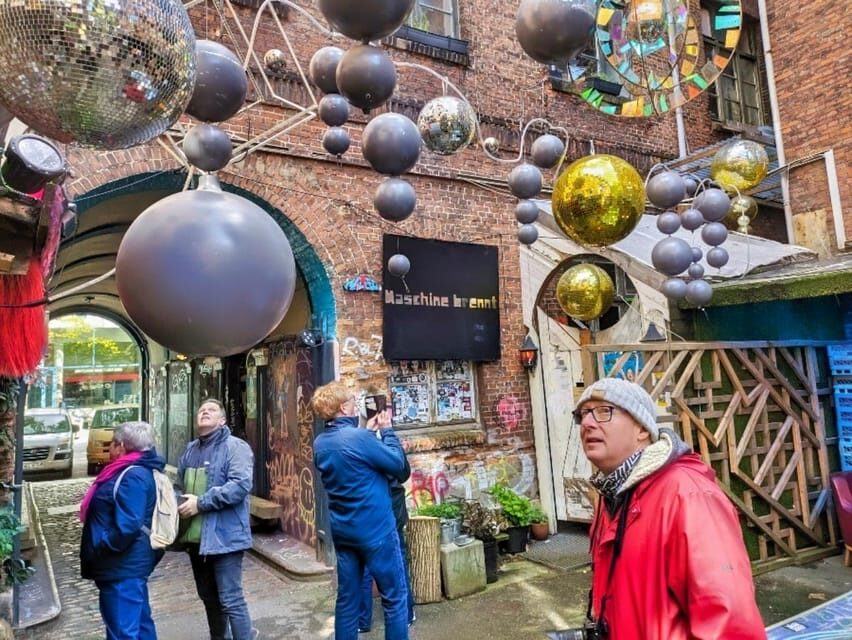
- Adrian’s storytelling style: energetic, full of anecdotes, and genuinely engaged with the scene
- Street art you can name: murals, stencil work, graffiti walls, and 3D installation art explained as you see it
- Local context, not just locations: gentrification threats, community protests, and the history around Rote Flora
- Repurposed WW2 bunkers and urban gardens: art and activism living in unusual spaces
- St Pauli influence on the street: you’ll pass the Millerntor stadium and see how football energy feeds the wider culture
- Karoviertel’s creative vibe: an urban greenhouse project sits right by the neighborhood’s cafe culture
Street art in Sternschanze and St Pauli: why this tour feels different
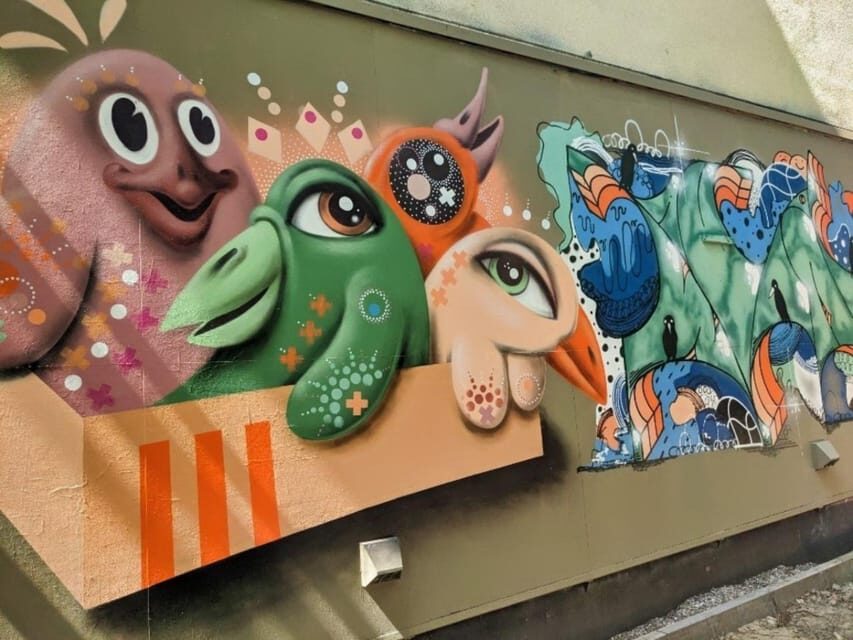
Hamburg has plenty of classic sights. But this tour turns the city inside-out and asks a simple question: who made this, and why now? The answer is usually tied to belonging, money, power, and who gets to shape the neighborhood.
This walk focuses on Hamburg’s alternative scene—street art, graffiti culture, and the community projects that grow around them. You’re not just looking at walls. You’re learning how people use art to claim space, defend local lifestyle, and push back when the city changes too fast.
The vibe is practical. You’ll move through side streets, parks, and bohemian neighborhoods where urban creativity shows up in layers: tags and stencils, bigger murals, and even 3D pieces that turn flat walls into something you can almost step into. The guide adds the meaning, so you’re not stuck guessing what you’re looking at.
And yes, the stories matter. One standout theme from the tour experience is how strongly the guide links street art to events and tensions, including the infamous G20 demos and community responses around them. That turns the artwork into a kind of living timeline.
Other private tours in Hamburg


How the meet-up works at Sternschanze (and how to avoid a slow start)
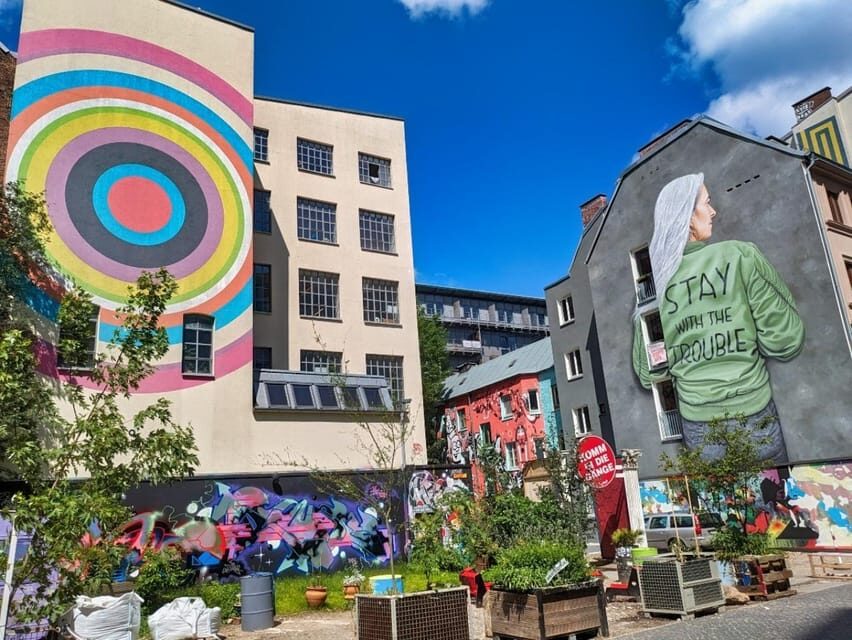
You meet at a small square directly opposite the S-Bahn exit of Sternschanze station. Sternschanze has two exits, so make sure you use the S-Bahn one, not the U-Bahn. After you exit, there’s a juice stand to your left. Cross the road to reach the paved area with street benches and a small rotunda/hut.
This matters more than people think. Alternative street art tours work best when you start on time and stay in rhythm—especially because you’re walking between neighborhoods and you want the guide’s context while you can still see the details that sparked the stories.
If you’re coming by transit, give yourself extra time for the station navigation. It’s not hard, but it’s one of those small things that can steal 15 minutes you’d rather spend with the first mural.
What you’ll see: murals, graffiti, stencils, and 3D installations
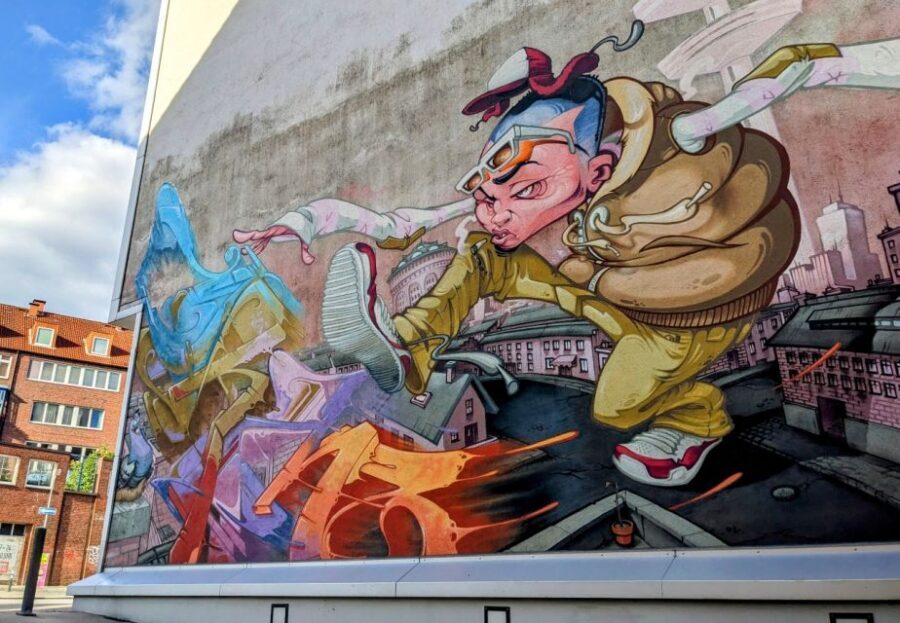
The core of the experience is the art itself. You’ll look at graffiti, murals, and stencil work, plus examples of 3D installation art. That mix is important. Many street art tours focus on one style, like murals only. Here, you get a broader map of how artists express themselves.
When you’re walking past a stencil or a layered wall of graffiti, you’ll learn to spot the visual cues the guide cares about—how the piece is built, how it interacts with the surrounding space, and what kinds of messages those styles tend to carry in Hamburg.
And then there’s the 3D angle. Those installations change the way you see street art. Instead of reading it as a flat image, you start noticing depth, perspective, and how the artist turns architecture into part of the artwork. It’s the kind of thing that makes you think, Okay, this city is playing with perception on purpose.
One more practical note: the tour includes a lot of walking through back streets and parks. So bring shoes you can trust. You’ll want to stop when the guide points out a particular wall, and you’ll want to keep going without sore feet doing the talking.
The politics behind the walls: gentrification, protests, and Rote Flora
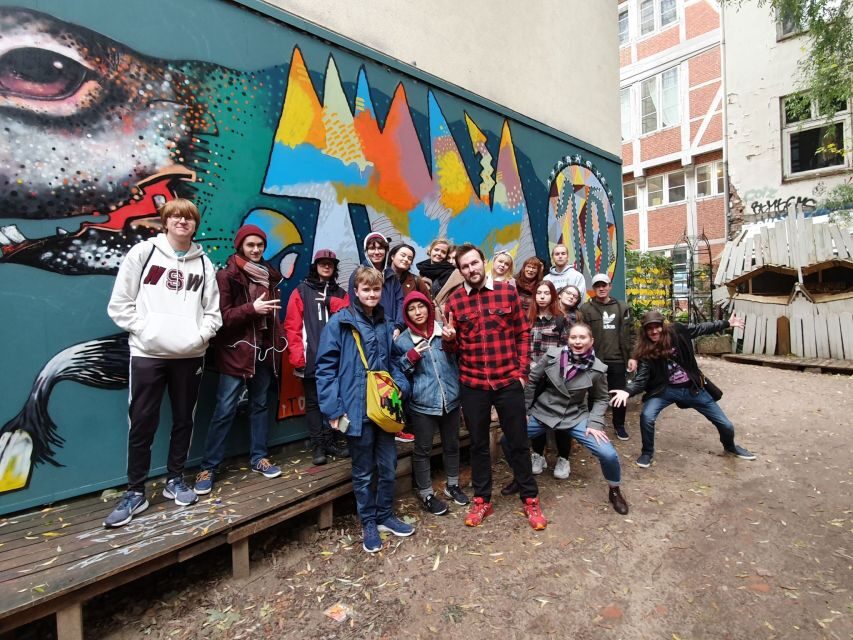
Street art isn’t just decoration in Hamburg. It’s frequently a response to pressure—especially gentrification. On this tour, you hear about how Hamburg has been affected by that trend, and why some artists and community groups treat public art like a defense mechanism.
You’ll also discuss controversial projects that affect the community, including the infamous G20 demos. That kind of context changes how you interpret certain works. A piece stops being only aesthetic and becomes a record of conflict: who felt threatened, who organized, and how people used visibility to make themselves harder to ignore.
A key local story is the history of Rote Flora. Even if you’ve never heard the name before, the guide frames it in a way that helps you understand why this place matters in the street culture conversation. It’s one of those topics where the art on the street and the politics of the street are impossible to separate.
If you prefer tours that keep things neutral and light, this section might feel intense. But if you want your street art to make sense—if you want the why behind the where—this is the heart of the value.
Repurposed WW2 bunkers and urban gardens: art in unexpected spaces
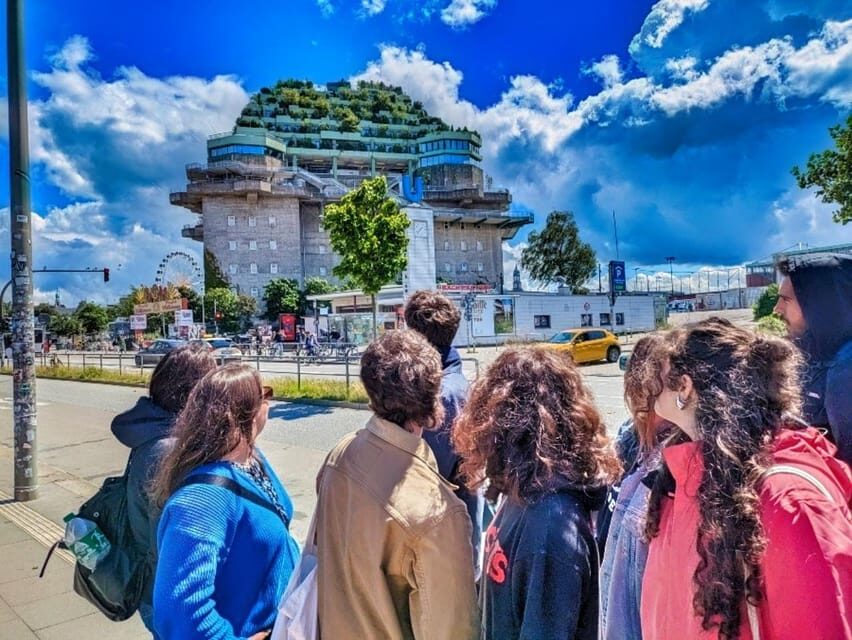
One of the most memorable parts of the tour theme is the use of unusual locations: repurposed WW2 bunkers, urban gardens, and creative hubs. This is where Hamburg’s alternative culture gets physical.
Bunkers sound like history storage, but on this kind of tour they become proof of transformation—space that once had a hard, military purpose gets reworked into something communal and creative. That contrast is powerful because it’s not symbolic only. You can feel the repurposing in the environment.
Urban gardens add another layer. They show that alternative culture isn’t only about walls and spray paint. It’s also about cultivation, slow community building, and maintaining local space in a city where development pressure never really disappears.
A useful way to approach these stops: don’t just look at the artwork. Look at the setting. Ask how the building or garden changes what the art can say. The guide helps with that kind of interpretation, which is why people tend to rate this tour highly.
Other private tours in Hamburg




St Pauli football energy: Millerntor stadium and community initiatives
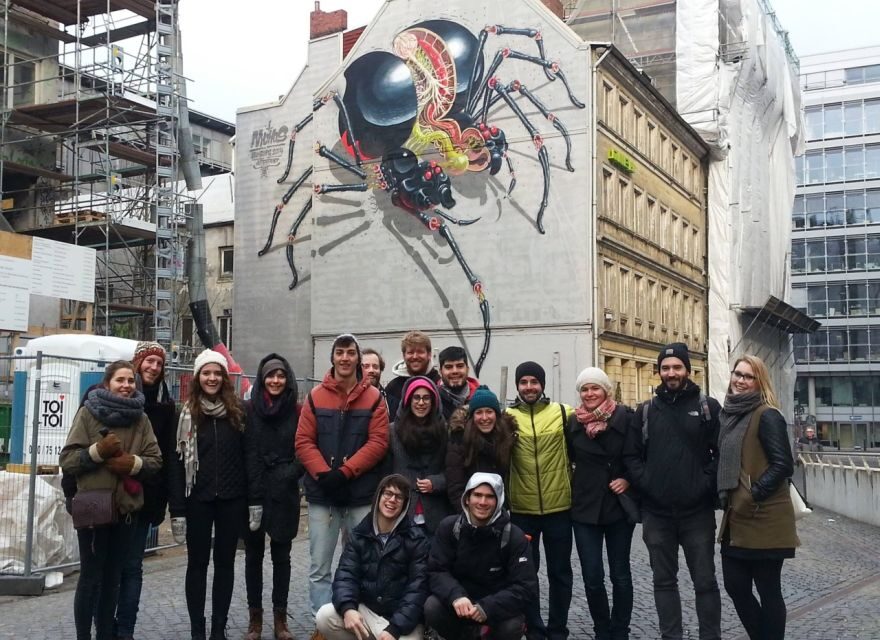
St Pauli is more than a football club. In this tour’s framing, it’s a community engine. You’ll learn how the club’s spirit contributes to neighborhood projects and support for creative arts and the music scene.
As part of the walk, you pass by the Millerntor stadium. Even if you’re not a football person, the guide’s explanation gives you a clearer picture of why that stadium sits at the center of local identity. It’s not just about sports. It’s about how culture keeps people connected.
This connects back to street art naturally. When a community has ongoing support structures—sports, music, small projects, collective action—artists often have more chances to create. They also tend to get stronger back-and-forth between the art and the people living around it.
If you want one reason this tour can feel more meaningful than a basic “street art highlights” walk, it’s that the guide ties the art scene to the community that feeds it.
Karoviertel’s cafe culture and an urban greenhouse project
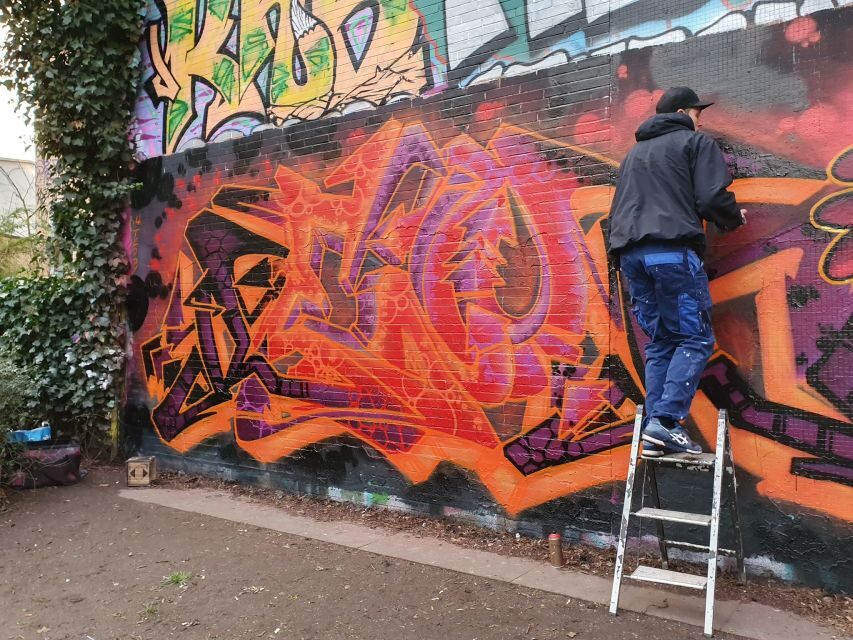
Another standout detail is the urban greenhouse project adjacent to the thriving Karoviertel area and its cafe culture. That pairing matters. It’s a reminder that creativity doesn’t only happen at night, on grimy corners, or in abandoned structures.
Instead, you get a picture of how alternative culture can stay visible in day-to-day life. A greenhouse is slow, practical, and grounded—very different from spray paint and stencils. Yet it belongs to the same ecosystem: people making room for something that wouldn’t exist if everyone only followed the usual city plan.
The cafe culture nearby also helps you understand how neighborhoods socialize. Art, music, food, and conversation all overlap here, which is why this kind of tour works best when you’re in the mood to watch how a neighborhood really moves.
Price and group value: $235 per group up to 15 people
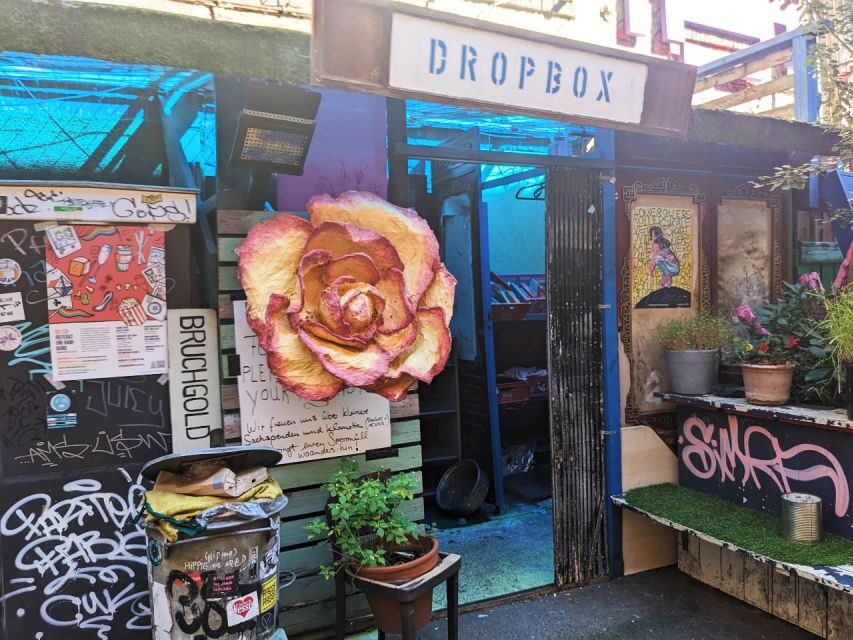
The price is $235 per group, for up to 15 people, with a duration of 2 hours. That’s worth evaluating as value, not just cost.
If you’re traveling solo, a private format can feel like a big number compared to group tours. But here’s where the math can flip in your favor: if you have friends, a school group, or a company team, you’re essentially splitting the guide time. And because it’s private, you can match the pace to your group—asking more, pausing longer at specific murals, or spending time on the topics you care about most.
For a 2-hour walking tour, you’re also getting a guide who focuses on context and story, not just pointing at walls. From the reported experience, the guide’s engagement stands out—people specifically mention how much they learned about artists and works, not just general impressions. There’s also mention of the guide staying longer and grabbing a drink with the group, which hints at a less rushed, more human style of guiding.
Bottom line: if you’re 6 to 15 people, this can be a strong deal for a private, narrative street art experience. If you’re only 1-2 people, you’ll want to compare it to standard group street art tours and see whether you’d pay extra for privacy and tighter focus.
Who should book this Alternative Hamburg street art walk
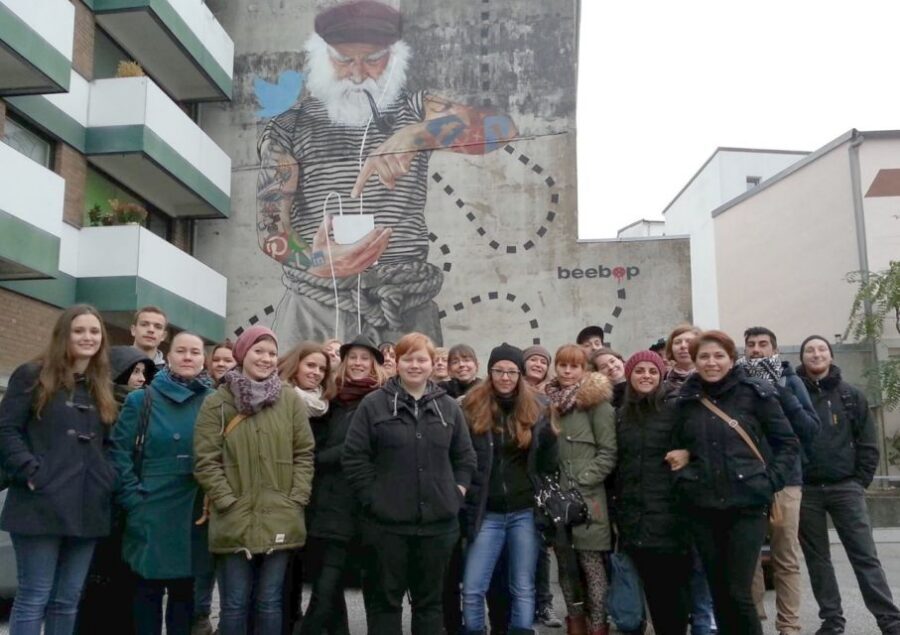
This tour fits best if you want street art with meaning, not just photos. It’s ideal for:
- friend groups who like walking and storytelling
- company trips that want something creative and a bit rebellious
- school excursions that benefit from local social context
- families who can handle a 2-hour city walk and enjoy neighborhoods with character
It’s also a good option if you speak English or German. The tour runs with a live guide in English and German, and that language flexibility is useful in Hamburg where mixed groups are common.
One more practical point: it’s wheelchair accessible, which matters for a walking tour where uneven streets can otherwise become a problem.
Should you book Alternative Hamburg Tours, or skip it?
Book it if you want Hamburg street art explained through the lens of community—gentrification pressure, protests, Rote Flora history, and the way St Pauli culture supports creative life. This tour is built around stories, and the guide’s energy shows up repeatedly in the overall experience.
Skip it if you’re tired of political themes and want a purely scenic mural stroll. Also skip it if you hate walking. Even though it’s only 2 hours, it’s still a neighborhood walk with stops that take time.
If you’re the kind of traveler who likes your cities to have opinions, this one will suit you.
FAQ
FAQ
How long is the Alternative Hamburg / Street Art Private Tour?
It lasts 2 hours.
What is the price?
The price is $235 per group, up to 15 people.
Is this a private tour?
Yes, it’s a private group tour.
Where do we meet?
Meet by the small square directly opposite the S-Bahn exit of Sternschanze station. Use the S-Bahn exit (not the U-Bahn). After exiting, cross the road to the paved area with street benches and a small rotunda/hut.
Which languages are offered?
The tour guide speaks English and German.
Is the tour wheelchair accessible?
Yes, it’s wheelchair accessible.
Is there a cancellation policy?
Yes. Free cancellation is available up to 24 hours in advance for a full refund.
Can I reserve and pay later?
Yes. You can reserve now and pay later.
What kinds of street art will we see?
You’ll see graffiti, murals, stencil art, and 3D installation art, along with urban gardens and creative hubs.
Will the tour cover neighborhood issues like protests and gentrification?
Yes. You’ll discuss controversial projects, including the G20 demos, community protests, gentrification threats, and the history of Rote Flora.