REVIEW · HAMBURG
Hamburg: Private Tour Down Town around City Hall
Book on GetYourGuide →Operated by Schoenes Hamburg · Bookable on GetYourGuide
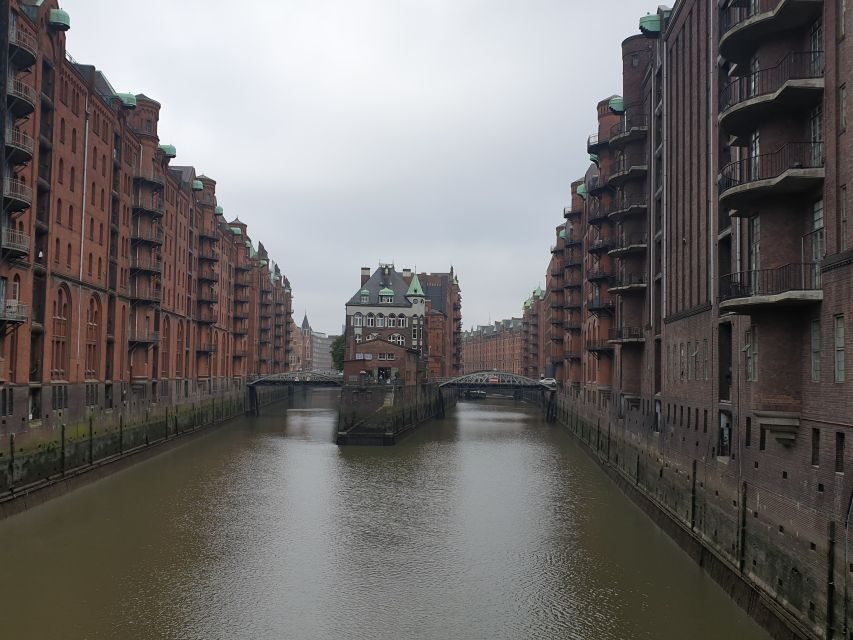
Hamburg has a way of telling stories through buildings. In this private Downtown tour around City Hall, I like how it connects the Hanseatic city’s big moments to places you can actually see: the old town hall area, St. Nicholas’ Church, and the famous Chilehaus. Two standout parts for me are the walk through the underground bunker world and the surprise history stops that explain how Hamburg went from half-timbered narrow streets to a fast-changing commercial city.
You’ll get a guide who knows how to keep the pace light and the details clear—names that have shown up include Birgit, Jörn Löding, and Frau Stange. With so many stops packed into 2 hours, the only real tradeoff is time: you’ll see plenty, but you won’t linger long in one place. If you love one specific building, plan a return trip after the tour.
In This Review
- Key things you’ll enjoy on this Hamburg City Hall private tour
- Hamburg City Hall, churches, and the Hanseatic story you can walk through
- Underground Hamburg: bunkers and a pneumatic post from 1864
- Mönckebergstraße and Sprinkenhof: why Hamburg’s shopping streets feel like corridors of the past
- Kontorhausviertel and Chilehaus: architecture that tells you who paid for power
- Trostbrücke and the harbor-linked memory moments
- What the 2-hour private format gets right (and what to plan for)
- Price and value: $294 per group up to 15 people
- Who this Hamburg City Hall tour suits best
- Should you book this private Downtown around City Hall tour?
- FAQ
- How long is the Hamburg Downtown around City Hall private tour?
- What group size is this private tour designed for?
- What languages are available with the live tour guide?
- Where does the tour route go?
- What major landmarks and themes should I expect to see?
- Is it possible to cancel or change plans?
Key things you’ll enjoy on this Hamburg City Hall private tour
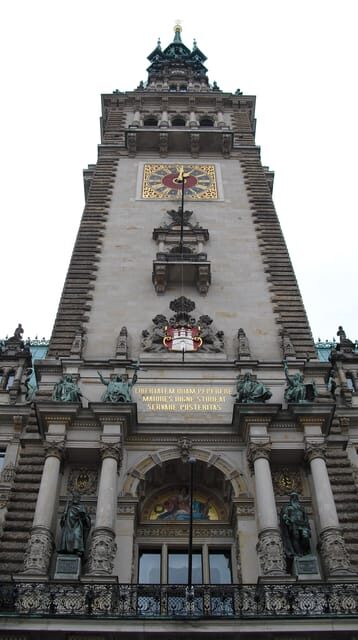
- Old Town Hall area and Hanseatic landmarks that make the city’s power feel real
- Germany’s large underground bunker system (700+ bunkers) explained in plain language
- The 1864 pneumatic post story, including the date 24 October 1864
- Mönckebergstraße, aka Mö, where shopping streets become history lessons
- Chilehaus and Kontorhausviertel architecture you can read like a design timeline
- Trostbrücke and Trost memory moments that anchor the tour emotionally
Hamburg City Hall, churches, and the Hanseatic story you can walk through
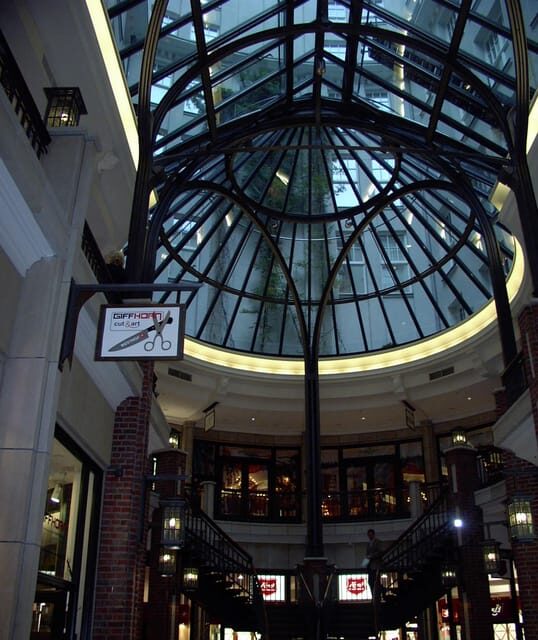
I love starting with civic power—because in Hamburg, power meant trade, shipping, and clever urban planning. Your route centers on the City Hall area, and that’s a smart choice. You’re not just passing monuments; you’re learning how this city thought, acted, and rebuilt.
Near the start, you’ll spend time around the downtown core, including a stop at St. James’ Church. Churches here aren’t only for architecture photos. A good guide turns them into a snapshot of how the city’s community and identity evolved alongside its commerce.
Then you move toward the Chamber of Commerce area and into the wider town center story. The point is to show you how the Hanseatic era didn’t stay stuck in the past. It influenced how Hamburg developed its “today” streets, street-level designs, and the way the city presents itself.
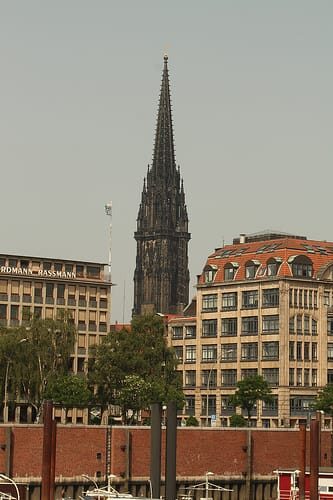
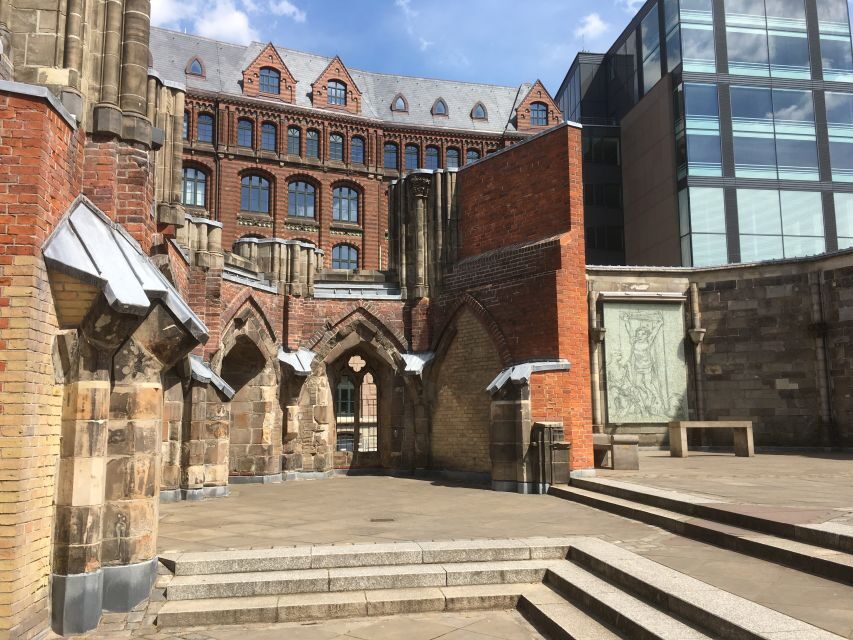
And yes, St. Nicholas’ Church is part of the emotional punch. It’s one of those anchors that makes downtown feel like a single place instead of random stops. If you enjoy history you can see from street corners, you’ll feel rewarded quickly.
Other private tours in Hamburg



Underground Hamburg: bunkers and a pneumatic post from 1864
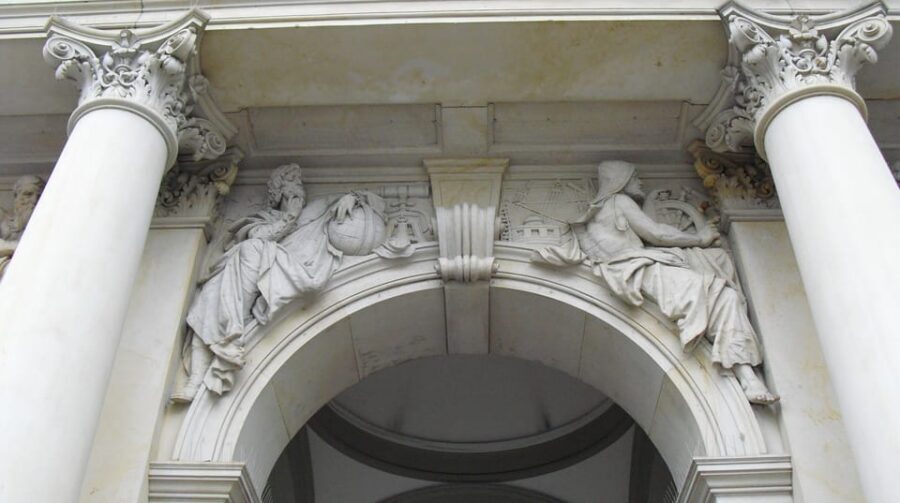
This tour’s most surprising segment is the one people don’t expect on a downtown walk: the underground bunker system. Hamburg is linked with one of the largest bunker systems in Germany, and it’s not a vague fact—it’s explained in a way that helps you picture scale: over 700 bunkers.
That matters because bunkers can feel like an abstract “war-era” topic. When your guide connects it to the city layout and what was happening during those years, it becomes a real underground chapter of Hamburg. You’ll likely find yourself looking at the ground differently afterward, like you’re thinking about what sits beneath the street grid.
Then comes another fun twist: the pneumatic post, put into operation on 24 October 1864. That’s a wonderfully specific detail for a walking tour because it gives you a timeline anchor. You’re not just hearing that Hamburg was advanced—you’re learning when it started using pneumatic delivery systems and how transportation tech shaped everyday life in a trading city.
If your idea of history is “dates plus meaning,” this portion is worth the price all by itself.
Mönckebergstraße and Sprinkenhof: why Hamburg’s shopping streets feel like corridors of the past
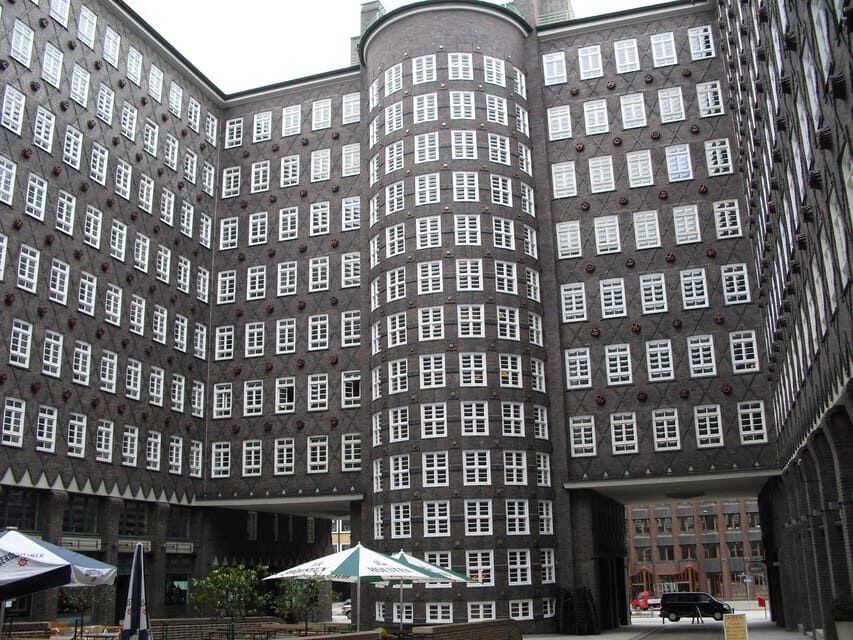
After the “under” story, you shift to the “above” story: downtown streets that evolved into modern shopping arteries. Mönckebergstraße is one of the key stops, and you’ll hear the local shorthand—Mö. That’s not just a cute nickname. It’s a clue that this street has been central to how Hamburg moves people and money.
A good guide uses the shopping street for more than a photo stop. You’ll learn how Hamburg changed its look from narrow streets and passageways with half-timbered houses into a more modern commercial city within a relatively short time. The lesson isn’t only about architecture. It’s about disruption, recovery, and the fast decisions cities make when trade and population are at stake.
Along the way you’ll also pass through the Sprinkenhof area. That’s helpful because office-and-business structures tell a different kind of history than churches. They show how commerce shaped the streetscapes you see today, and how city planning moved toward big-project thinking.
The best way to enjoy this segment is to slow down for the guide’s story beats. Stand where you can see both street details and street “lines” (the way the road pulls your eye forward). Your guide will point out features you might miss if you were just browsing.
Kontorhausviertel and Chilehaus: architecture that tells you who paid for power
If there’s one stop that feels like a “visual lecture,” it’s Chilehaus. The description you’ll hear—imposing, hard to ignore—matches what you’ll feel when you arrive. This building doesn’t politely sit in the background. It projects confidence through its shape and presence.
And the reason this works on a tour is that Chilehaus sits inside the wider Kontorhausviertel, the office district story. Office districts can feel boring if you only see them as work places. Here, they become a lesson in how Hamburg’s wealth expressed itself in stone and design.
You’ll also have time around other points in the office-and-commercial zone, including areas like Reichenstraßen. That’s useful because it helps you connect architecture to pedestrian flow. You start to see how the city’s business identity lives at street level.
Here’s the practical part: bring your attention to the angles and lines. Your guide’s job is to translate design choices into city choices—who wanted what, and why. You don’t need to be an architecture expert to enjoy it.
Trostbrücke and the harbor-linked memory moments
Not all downtown tours can do both street glamour and emotional grounding in the same 2-hour walk. This one tries, and the Trostbrücke stop is the pivot.
Trostbrücke is a name you’ll remember because it carries meaning. A guide uses that moment to connect local memory to the city’s larger turning points—especially the disasters that forced change and rebuilding. In Hamburg’s case, that includes the Great Fire of 1842, which raged for four days and destroyed large parts of the old town.
When that fire is placed into context, the later city transformation feels less random. It becomes an answer to a specific wound. That’s one reason the tour feels satisfying: it doesn’t treat history like isolated plaques. It shows cause and effect.
There’s also a harbor-related story threaded in. You’ll learn about the city’s first harbor basin inaugurated in 1189. Even if you don’t spend time at a modern dock during these 2 hours, that detail helps you understand why Hamburg’s downtown developed the way it did. Trade doesn’t stay in the harbor. It pushes outward, shaping what gets built, where people live, and what buildings rise next.
Other city tours we've reviewed in Hamburg





What the 2-hour private format gets right (and what to plan for)
This is a 2-hour private group tour priced for groups up to 15 people. That time window is tight, but it’s not rushed-chaos. The structure is built around quick, meaningful pauses at major landmarks so you can cover a lot without turning it into a blur.
You’ll likely move from the downtown station area toward Mönckebergstraße, then on to St. James’ Church and the business district stops around Sprinkenhof and the Kontorhausviertel. After that, you’ll hit Chilehaus, continue through the shopping/commercial streets such as Reichenstraßen, then toward the historic church and memory bridges, including Africa House, St. Nicholas’ Church, and Trostbrücke. You finish back at civic heart points like the Townhall (Hamburg Rathaus) and the Chamber of Commerce area.
The only thing to watch is your expectations. This is not a “sit-down and read every plaque” kind of tour. It’s a guided walking story. If you want slower pace at one specific site—like if Chilehaus is your main obsession—plan to pair this with a self-guided return later.
For photos, you’ll have plenty of moments, especially at Chilehaus and around the church/civic buildings. For getting the best value, I suggest you do what your guide is doing: stop, look first, then listen to the story piece that explains what you’re seeing.
Price and value: $294 per group up to 15 people
At $294 per group for up to 15, this is one of those tours that can be a bargain or just “fair,” depending on your group size.
- If you fill most of the group (closer to 15), your effective cost per person is low enough that you’re basically paying for a guided bundle of the city’s biggest downtown highlights.
- If it’s just a small group, you still get a lot for one guide’s attention, but the per-person cost climbs. In that case, the value comes from whether you care about the bunker story, the pneumatic post detail, and the fire/urban transformation narrative.
The other value factor is language. The tour is offered with a live guide in English, Spanish, French, and German, which matters if you’re traveling as a mixed-language group. A private setting also helps you ask the questions that turn “information” into personal understanding.
With an overall rating of 4.7 from 33 reviews, the signal is clear: this isn’t a generic sightseeing loop. People respond to the storytelling pace and the guide’s ability to connect details to real places.
Who this Hamburg City Hall tour suits best
This tour is a great fit if you like history that has structure. You’ll enjoy it most if you’re the type of person who wants to understand why a city looks the way it does, not only what buildings are called.
It’s especially good for:
- First-time Hamburg visitors who want downtown context fast
- People who enjoy design and want a guided explanation of Chilehaus and the Kontorhausviertel
- Travelers who like “human-scale” history—dates like 1189, 1864, and 1842—tied to street corners
- Anyone who wants a private guide without losing the chance to see major landmarks
If you prefer long museum time, you might find 2 hours too short. But if you want a focused downtown orientation that teaches you how to read Hamburg, it’s a strong choice.
Should you book this private Downtown around City Hall tour?
I’d book it if you want one smart, efficient walk that explains Hamburg’s transformation and gives you a memorable mix of civic buildings, churches, architecture, and unexpected stories underground.
It’s also a good pick if you’re traveling with a group of up to 15 and want everyone to get the same guided thread—especially the tech story of the pneumatic post and the scale story of the bunker system.
One caution: if you’re the kind of traveler who needs lots of free time to wander alone or insists on lingering at every stop, this format may feel a bit quick. The upside is that you’ll leave with a clearer picture of the city and a shortlist of places you’ll want to revisit.
FAQ
How long is the Hamburg Downtown around City Hall private tour?
It runs for 2 hours.
What group size is this private tour designed for?
It’s a private group, priced for a group size of up to 15 people.
What languages are available with the live tour guide?
The live tour guide is available in English, Spanish, French, and German.
Where does the tour route go?
The route includes Hamburg Central Station, Mönckebergstraße, St. James’ Church, Sprinkenhof, Chilehaus, Reichenstraßen, Africa House, St. Nicholas’ Church, Trostbrücke, the Chamber of Commerce, and Hamburg Rathaus.
What major landmarks and themes should I expect to see?
You’ll visit key Hanseatic downtown landmarks such as the old town halls and St. Nicholas’ Church, see Chilehaus, and stop at Trostbrücke. You’ll also learn about Hamburg’s underground bunker system, the pneumatic post, and the Great Fire of 1842.
Is it possible to cancel or change plans?
You can cancel up to 24 hours in advance for a full refund, and you can reserve and pay later.