REVIEW · HAMBURG
Hamburg: City Tour by Bike with Elbphilharmonie
Book on GetYourGuide →Operated by Kaupert-Hamburg-Radtour.de · Bookable on GetYourGuide
Hamburg looks different from the saddle. This bike tour stitches together the city’s key water-and-street scenes, from the Alster lakes to the port districts, with plenty of photo pauses. I love the way the route moves you from postcard views to working-city streets without feeling rushed.
What I also love: you’re not just riding landmarks; you’re hearing real city stories from the guide, with names like Bernhard showing up as a standout for making Hamburg click. One possible drawback is that access around the Elbphilharmonie plaza can be limited on busy days or special events, so the exact “from-the-plaza” photo moment may not always happen.
In This Review
- Key things to know before you ride
- Riding from Rotherbaum to the Alster lakes: where Hamburg opens up
- Gängeviertel and the Brahms marker: art in a preserved neighborhood
- Fleet-Island, Neuer Wall, and the Deichstraße port spine
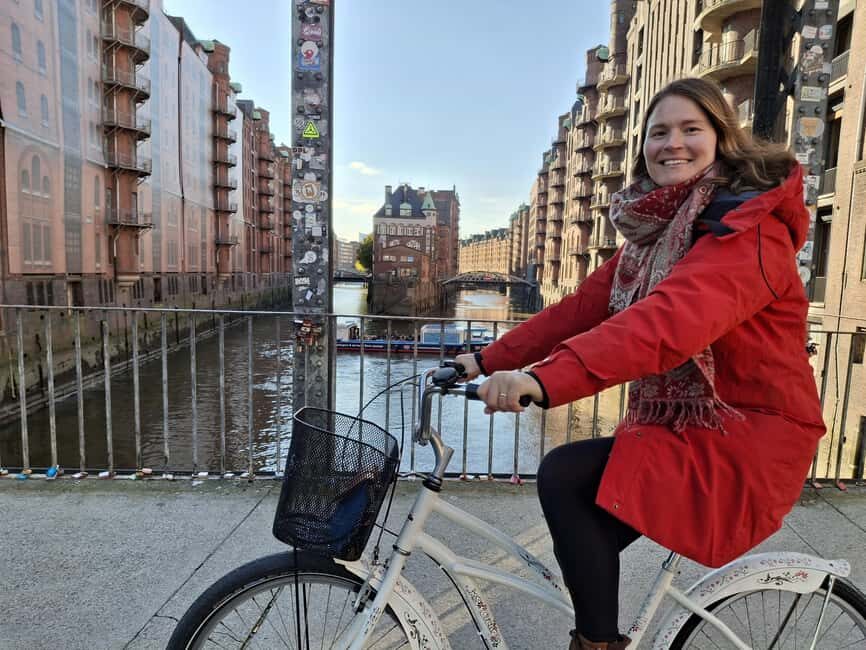
- Speicherstadt: UNESCO brick warehouses on oak piles in the Fleete
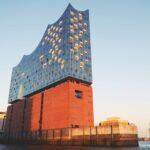
- HafenCity and the Elbphilharmonie: modern form, complicated story
- St. Michael’s Church, Peterstraße, and finishing with St. Pauli piers
- How the timing and pacing really feel (and who it suits best)
- Value check for $39: what you get beyond the bike
- Should you book this Hamburg bike tour?
- FAQ
- How long is the Hamburg bike tour?
- Where does the tour start?
- What does the tour include?
- Are the tours offered in English?
- Will you definitely get to the Elbphilharmonie plaza?
- What happens on major event days?
- Is there free cancellation?
- Can I reserve without paying right away?
- Where does the tour end?
Key things to know before you ride
- Alster Lake to Binnenalster: start with the scenic lake panorama and get your bearings fast.
- Gängeviertel stops: a preserved working-class 18th-century vibe, plus the Brahms connection.
- Speicherstadt UNESCO zone: massive brick warehouses on oak piles, inside the Fleete waterways.
- HafenCity and Elbphilharmonie viewpoints: see the 110-meter hall, including views from below.
- Deichstraße and port traces: ride the area tied to Alt-Hamburg port operations and the 1842 fire.
- St. Michael’s Church to St. Pauli piers: end on classic Hamburg port atmosphere, not just modern sights.
Riding from Rotherbaum to the Alster lakes: where Hamburg opens up
The tour starts at Schlüterstraße 11, outside the Fahrradstation of the University of Hamburg. That’s a smart staging point because you can get moving quickly, and you’re already near some of the city’s smoother cycling corridors.
You begin in the picturesque Rotherbaum area and then work your way along the Außenalster. After a bit of riding, you’ll reach the Binnenalster, where the city starts showing its two faces at once: old brick-and-water Hamburg nearby, and newer, more metropolitan sections emerging as you go.
I like this start because it gives you early “wow” visuals without throwing you into the most complicated-looking port zones first. You get a chance to settle into the pace, take photos, and listen to the guide’s setup before you hit the heavier historical areas.
Other Elbphilharmonie tours in Hamburg

Gängeviertel and the Brahms marker: art in a preserved neighborhood
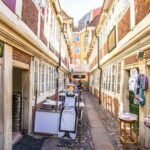
After the lake panorama, you head through the Gängeviertel area—part of the newer city district, but tied to an older story line. You’ll pass through what used to be a preserved working-class district from the 18th century, now known for an active art scene.
One of the coolest details here is the memorial stone connected to Johannes Brahms’ birthplace. It’s the kind of stop that’s small, but it makes the whole walk-and-ride feel anchored in real people, not just big architecture.
If you’re the kind of visitor who likes when guides connect culture to place, this is one of the better segments. You’re not just cycling; you’re learning why this neighborhood looks the way it does today. The tradeoff is that like many bike tours, you’ll see it in motion and during set photo/guided pauses—so don’t expect long wandering time on foot.
Fleet-Island, Neuer Wall, and the Deichstraße port spine
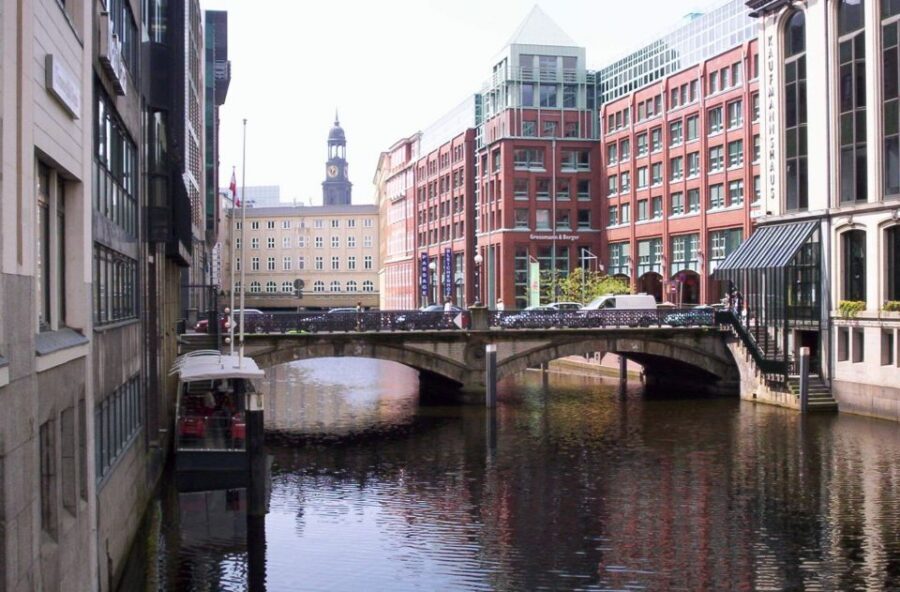
Next comes a shift from residential/creative blocks to the harbor-connected city shape. You’ll ride across Fleet-Island, which is tied to the former harbor. The guide also points out traces connected to the great fire of 1842, which helps you understand how Hamburg’s waterfront history shaped what you see now.
Then the route moves to Neuer Wall, known for its passages and designer shopping. That stop is brief, but it matters. It shows you how Hamburg layers commerce and daily life into the same spaces as historic waterways. Even if you’re not shopping, the street energy helps you picture the city beyond the postcards.
From there you ride along Deichstraße, described as the origin of port operations of Alt-Hamburg. This is one of those “follow the logic of the city” stretches. You’re basically tracing how port work once connected to the streets, and how the present-day city still holds that layout in its bones.
The good part: it keeps the tour from turning into a straight-line list of monuments. The caution: if you prefer lots of downtime, you may find this midsection a bit packed because you’re moving between distinct neighborhoods.
Speicherstadt: UNESCO brick warehouses on oak piles in the Fleete
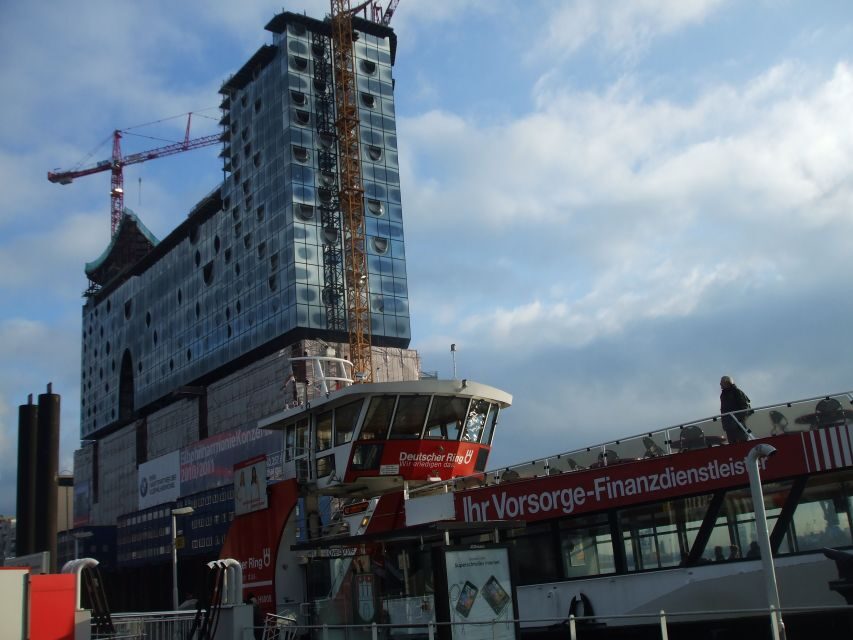
Then you reach Speicherstadt, Hamburg’s famous UNESCO-listed warehouse district. Expect a real change in atmosphere as you get into the massive brick architecture from the 19th century. The buildings feel purposeful and heavy, like they were built to outlast everything.
Here’s the detail that makes this stop click: Speicherstadt sits on millions of oak poles, in the waterways called Fleete. That sounds technical, but the point is simple—this is port infrastructure built for a waterfront city, and the architecture grew from that need.
The guide’s talk during this area is usually where the tour earns its keep. You’re not just seeing old bricks; you’re understanding the system underneath. Smell of water, the sense of place near waterways, and the working-port feel all show up in this segment. It’s very easy to take a dozen photos here because the views are structured—long lines, arches, brick textures, and water channels repeating like a pattern.
If you’re prone to photo sessions that run long, keep an eye on the group pace. The stops here are guided with set photo moments, so you’ll want to plan your shot speed.
HafenCity and the Elbphilharmonie: modern form, complicated story
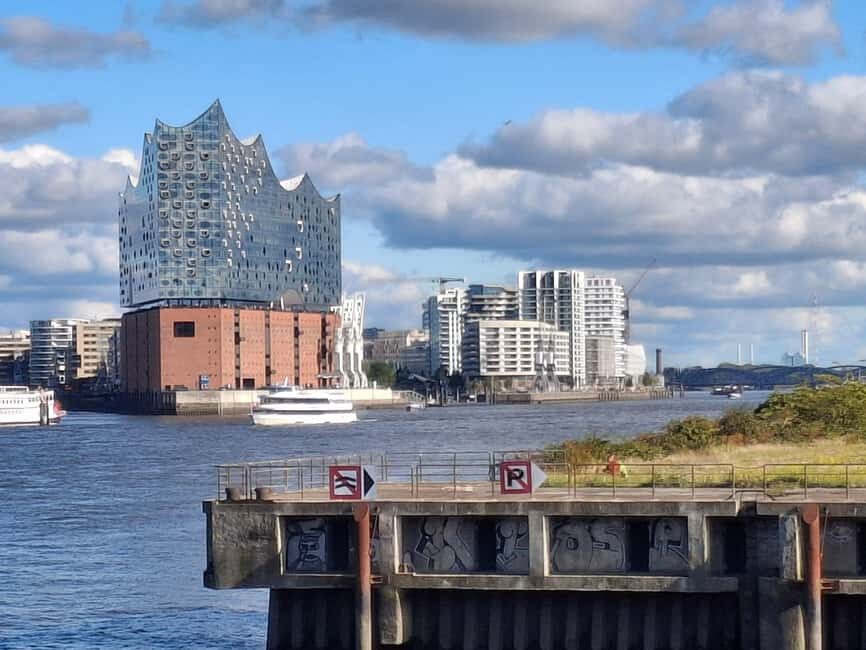
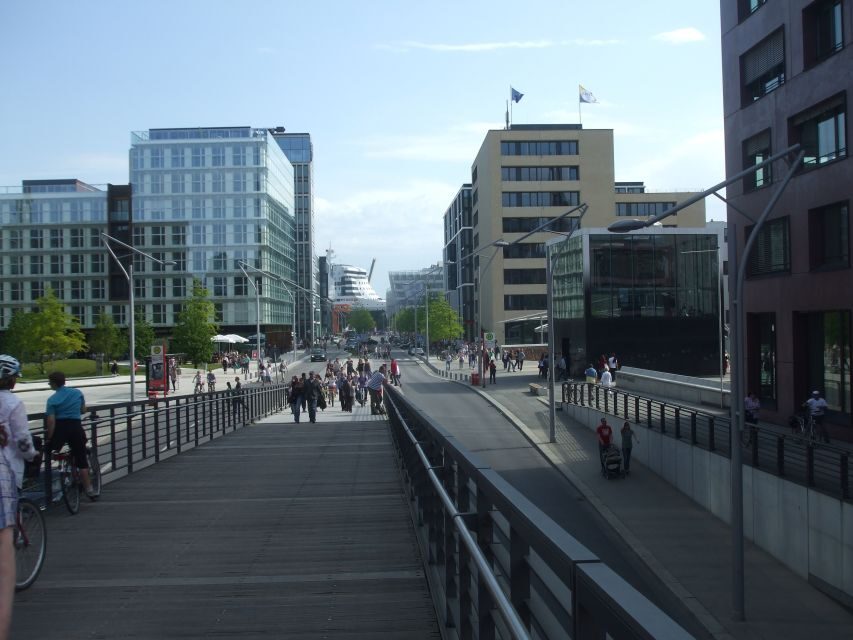
After Speicherstadt, the tour heads into HafenCity, the modern postmodern harbor area. This is where Hamburg shows its “new chapter” identity. The design contrast is dramatic: you go from historic brick warehouses to sleek, contemporary spaces.
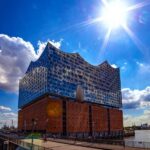
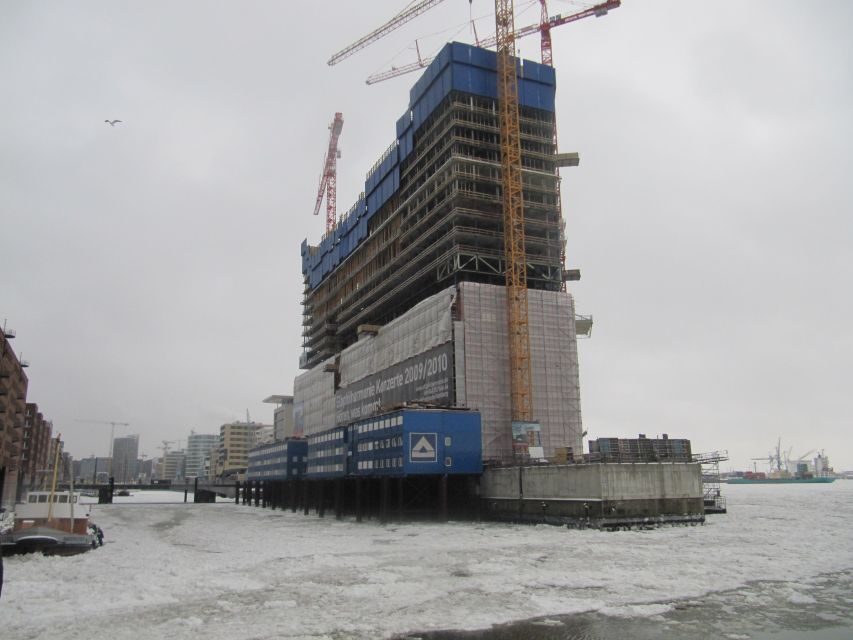
Then comes the Elbphilharmonie, described as controversial and reaching 110 meters high. The guide includes time to get you to strong viewpoints and gives context as you move around the area. Even when the building is just visible for a moment, the size is hard to ignore.
One of the most practical parts of this section is that you also follow a path across the new flood protection system offering splendid views of the Elbphilharmonie from below. That’s a great reminder that Hamburg’s modern waterfront solutions aren’t only engineering—they also create public viewpoints.
If the plaza access near the Elbphilharmonie is possible, you’ll have time to drive to the plaza area, but it’s noted as subject to accessibility and unpredictable situations. In other words: plan your expectations around “best-available viewing,” not a guaranteed single exact photo spot.
As you ride, you’ll also pass the publishing building made of steel at Baumwall. It has a futuristic feel, and it helps connect the dots between Hamburg as a port city and Hamburg as a creative-business city.
Other bike and cycling tours in Hamburg

St. Michael’s Church, Peterstraße, and finishing with St. Pauli piers
Next you pass St. Michael’s Church, one of the city’s best-known historic landmarks. The tour doesn’t treat it like a distant postcard. You’ll ride in a way that makes the surrounding streets and waterways part of the visual story, not just background.
You’ll also go along Peterstraße, where the Brahms- and Telemann Museum sits. This is another Brahms connection, reinforcing earlier moments tied to his birthplace. If classical music is your interest lane, these stops give you a satisfying through-line.
Toward the end, the ride brings you near St. Pauli piers. This is classic Hamburg port vibe territory—water, activity, and the sense that the harbor is still part of the city’s heartbeat. It’s a smart finish because you end with the atmosphere that connects many of the earlier themes: maritime flair, business energy, and daily life close to the water.
The tour then returns back to the starting point area, so you’re not left figuring out transport at the end. That matters on a day when you’ve already spent 3.5 hours cycling and want the trip to feel wrapped up cleanly.
How the timing and pacing really feel (and who it suits best)
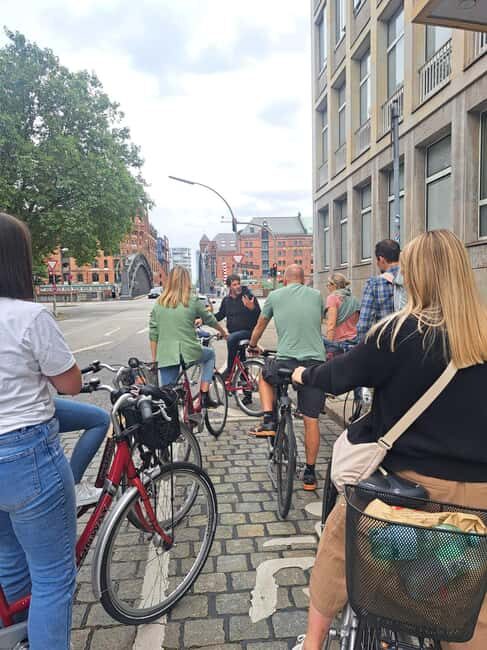
The tour runs about 3.5 hours, with a 3-hour bike tour and guided/photo stops layered in. That timing is a sweet spot for Hamburg because you cover a lot of geography without needing half your day for logistics.
Most of the time is spent on the bike, but the stops are intentionally placed. You’re getting guided context right when the scenery changes—lake to neighborhood, neighborhood to port history, old warehouses to modern harbor, then back to classic landmarks.
This is a good fit if you:
- want an organized way to see major Hamburg sights in one go
- like photography pauses with purpose, not random stops
- enjoy city storytelling that explains why districts look the way they do
If you hate bike tours or need long independent wandering time at each place, this might feel a bit structured. But if you want a guided route that’s practical and information-forward, it’s a strong format.
Value check for $39: what you get beyond the bike
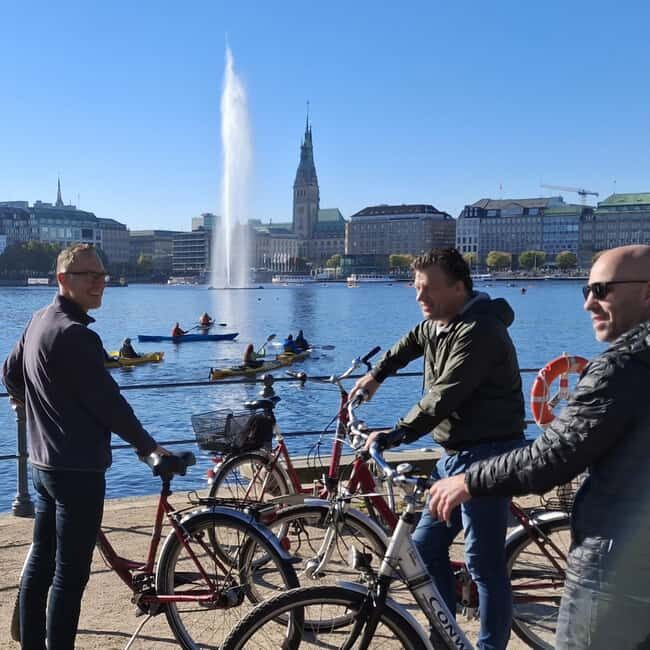
At $39 per person, the headline value is simple: you get a bicycle, a guide, and a city map, plus a photo series sent by email. That last part sounds small, but it’s genuinely helpful. If you’re cycling and shooting on the move, having a follow-up photo set can save you from the “did I get the one I wanted?” stress.
You’re also paying for sequencing. Hamburg’s highlights are spread out, and doing them in the right order matters. This tour doesn’t just point at Elbphilharmonie and hope you’ll connect the dots; it builds the dots by moving through Alster, Speicherstadt, and HafenCity with the guide explaining what each space is for.
And because it’s only 3.5 hours, the cost-to-time ratio tends to land well for short trips. You’re not paying for a long full-day commitment just to cover a few major photos.
Should you book this Hamburg bike tour?
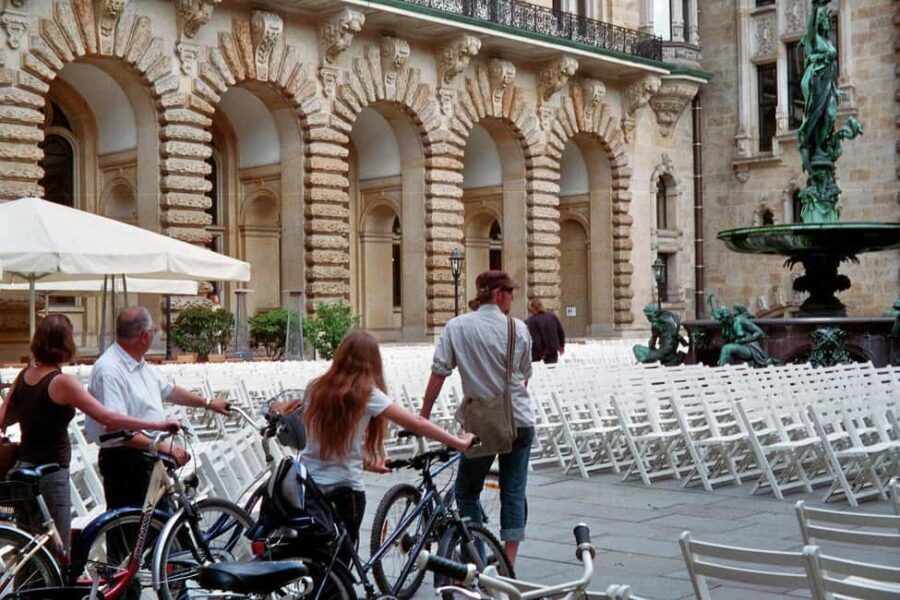
I think you should book if you want a guided “greatest hits” ride that still feels grounded. The standout theme is how the tour links water and port history to the modern city you see today—Alster scenery, Speicherstadt’s UNESCO warehouse logic, HafenCity’s modern planning, and Elbphilharmonie viewpoints from different angles.
I’d skip or reconsider if you’re coming on a day with major events where Elbphilharmonie access may be restricted or closed, or if you need long unstructured time at each landmark. Otherwise, this is a practical way to get real city understanding in just a few hours, with guides who can keep the information coming—like Bernhard, who’s known for having a lot to say about Hamburg.
FAQ
How long is the Hamburg bike tour?
It runs about 3.5 hours. The bike tour portion is listed as 3 hours, with guided and photo stops included.
Where does the tour start?
You meet outside the Fahrradstation of the University of Hamburg. The starting address is listed as Schlüterstraße 11.
What does the tour include?
You get a bicycle, a live guide, a city map, and a photo series about Hamburg sent by email.
Are the tours offered in English?
Yes. The live guide is available in English and German.
Will you definitely get to the Elbphilharmonie plaza?
You’ll have time to drive to the plaza area if it’s accessible. Access can be affected by unpredictable situations.
What happens on major event days?
On days with major events, access to the Elbphilharmonie may be restricted or closed.
Is there free cancellation?
Yes. You can cancel up to 24 hours in advance for a full refund.
Can I reserve without paying right away?
Yes. The option is reserve now & pay later, so you can book your spot and pay nothing today.
Where does the tour end?
The activity ends back at the starting meeting point at Schlüterstraße 11 / the University of Hamburg Fahrradstation area.