REVIEW · HAMBURG
Hamburg – Freemason Walking Tour in German
Book on GetYourGuide →Operated by DIE STADTSPÜRER® · Bookable on GetYourGuide
Masons leave more marks than you think. This German-language walking tour in Hamburg turns the city into a set of clues, with a guide pointing out signs and symbols tied to the Freemasons. You walk past major landmarks while learning how this secret society has left its footprint in everyday urban space.
What I really liked is the way the tour stays practical and focused: you’re not just hearing name-drops, you’re seeing specific places and learning what to look for. Another highlight is the route itself, including stops around the Hamburg Town Hall area and beyond, plus the current headquarters of the Hamburg Masonic Lodge. For the price, you’re getting a guided “reading” of the city that’s hard to recreate on your own in two hours.
One thing to consider: the experience depends a lot on how your guide paces the mix of explanation and storytelling. Some people found it less sharply tied to Freemason symbols on buildings than they wanted, so if you’re mainly after straight factual symbol interpretation, go in with that expectation.
In This Review
- Key Things You’ll Notice on This Hamburg Freemason Walk
- Price and Time: Is $29 for 2 Hours Worth Your Walk?
- Where the Tour Starts: St. Nikolai Memorial Gate
- Trostbrücke: The First Set of Clues on the Route
- Adolphspl. 1: Street-Level Details You Can Actually Reuse
- Hamburg Town Hall: A Landmark Treated Like an Exhibit
- Gänsemarkt: Turning the Plazas Into Part of the Story
- Stephansplatz and Its Surroundings: Where Explanations Meet Real Crowds
- Present Headquarters of the Hamburg Masonic Lodge: The Most Direct Payoff
- What the Guide Actually Does (And Why It Affects Your Experience)
- Who This Hamburg Freemason Walking Tour Is Best For
- Logistics That Matter for a Smooth Two Hours
- Should You Book This Hamburg Freemason Tour?
- FAQ
- Where does the Freemason Walking Tour in Hamburg start?
- How long is the tour?
- Is the tour available in English?
- What are the main places you’ll visit?
- Is the tour wheelchair accessible?
- What is the cancellation policy?
Key Things You’ll Notice on This Hamburg Freemason Walk
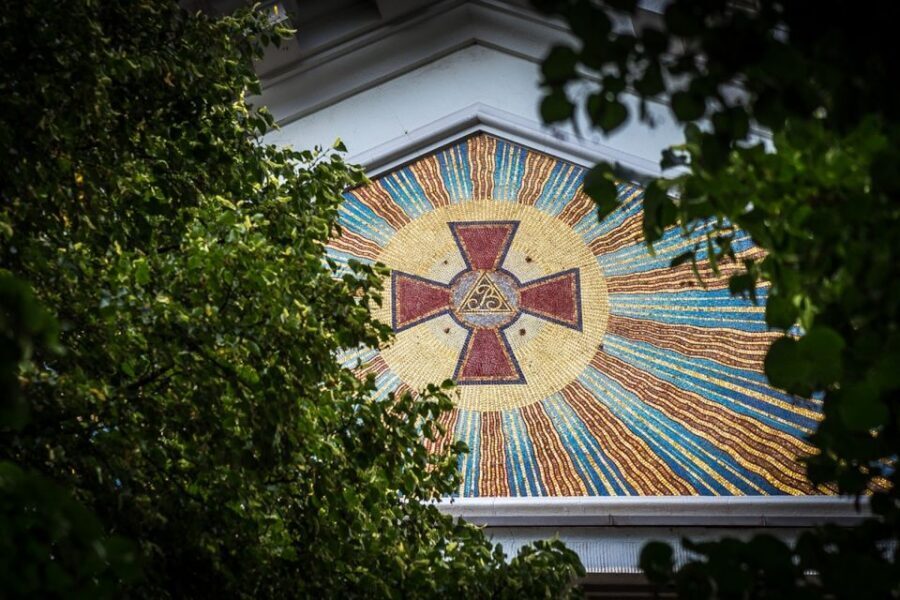
- Starting at the St. Nikolai memorial gate gives you a clear “entry point” before you move into the city center
- Symbol-spotting at landmark stops helps you look at architecture differently, not just admire it
- Trostbrücke and Adolphspl. 1 add smaller, street-level context between the big sights
- Town Hall and surrounding streets become part of the explanation, not just a backdrop
- Stephansplatz area keeps the focus on what’s visible in public spaces
- The Hamburg Masonic Lodge headquarters is the closest you’ll get to the society in one organized loop
Price and Time: Is $29 for 2 Hours Worth Your Walk?
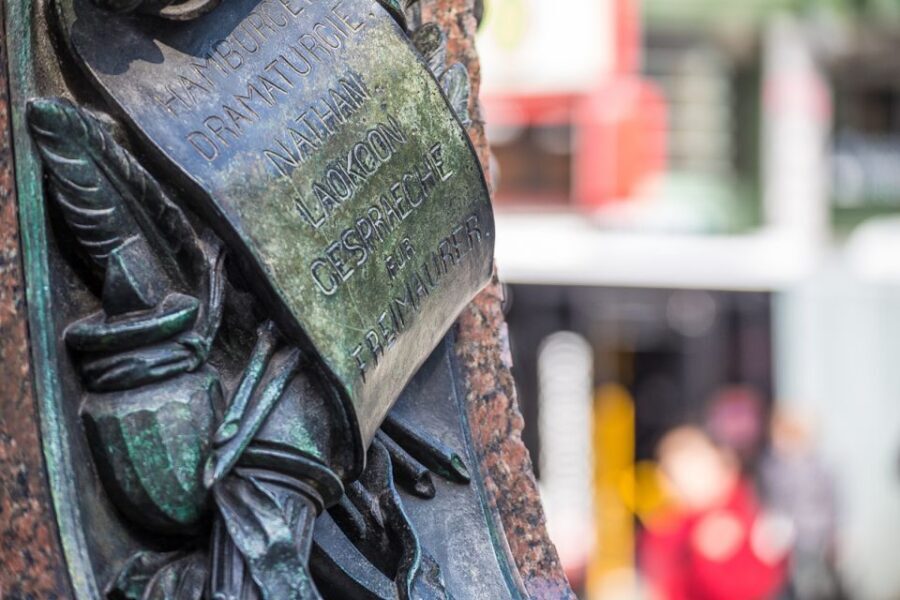
At about $29 per person for a 2-hour guided walk, this tour is aimed at one thing: saving you time while giving you a guided lens. Two hours is short enough that you won’t get tired, but long enough for a real mini-lesson across multiple central locations.
You’re also paying for a specific skill set: learning to connect Freemason-related signs, symbols, and rituals to what you can actually see while walking. If your plan in Hamburg is mostly photos and museums, this type of tour adds a different value—interpretation. It turns the city into a puzzle where the guide tells you what the pieces mean, instead of leaving you to guess.
Is it perfect value for everyone? Not necessarily. If you’re expecting a Hollywood-style secret-society drama or super-detailed building-by-building identification, you might want to mentally adjust expectations. The tour’s best when you like guided explanation at street level and don’t mind that the subject is inherently “mysterious.”
Other walking tours we've reviewed in Hamburg


Where the Tour Starts: St. Nikolai Memorial Gate
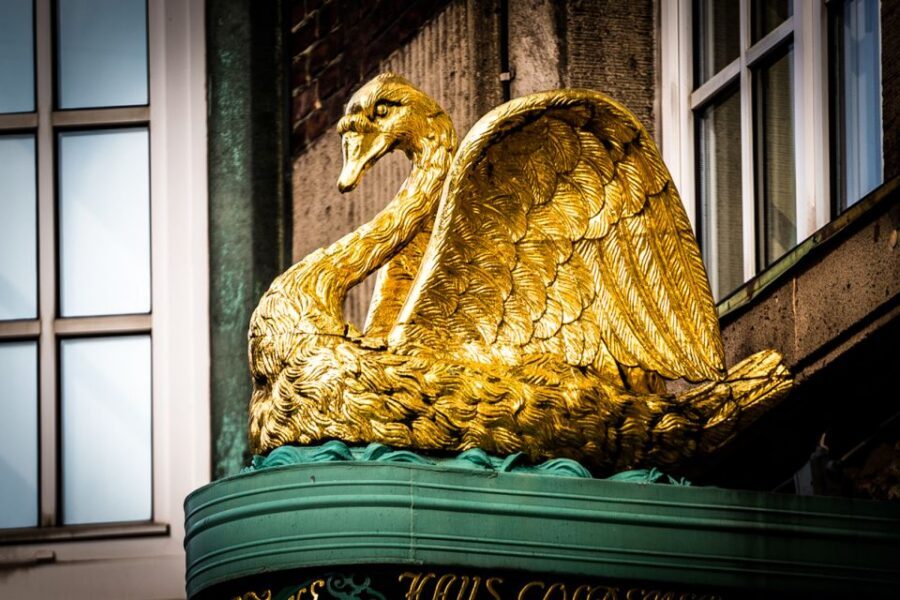
You meet at Am Mahnmal St. Nikolai, Haupteingang. Starting at St. Nikolai matters because it sets a tone right away. Instead of beginning in the middle of the shopping streets, you start at a landmark that already signals Hamburg’s layers of memory and meaning.
Practically, it’s also a good “get oriented” moment: you get the briefing, you learn how the guide will approach symbols and locations, and then you head out with a clearer idea of what to watch for. This is the kind of start that helps you avoid drifting. Even if you only take one tip from the beginning, it’s this: pay attention to what the guide says you might miss if you’re just sightseeing.
If you’re coming from the station area, give yourself a little buffer. This tour is short, so arriving late can squeeze the time you need to absorb the first explanations.
Trostbrücke: The First Set of Clues on the Route
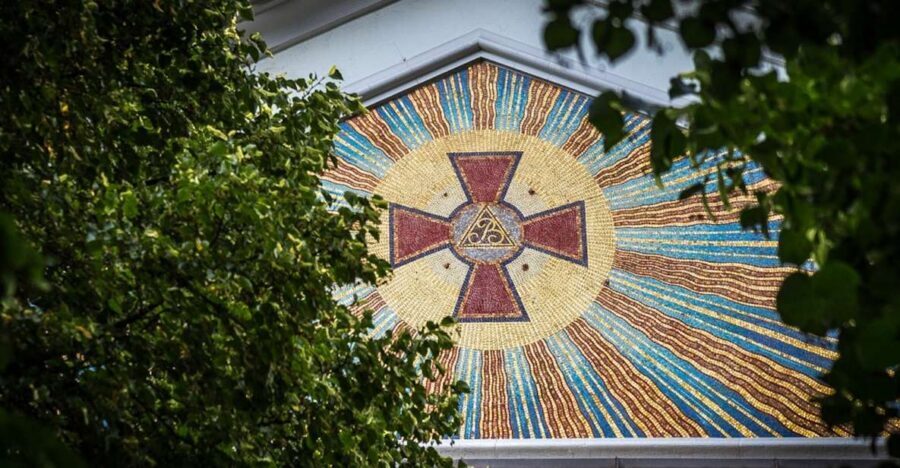
Your first guided walking stop is Trostbrücke. This is a smart “early move” in the itinerary because it gets you into the habit of looking at details right away. A bridge area naturally gives you angles—street sightlines, architectural edges, and small visual references—so it’s a good place to teach how symbolic thinking works in the city.
At this point, you’re still getting your bearings. The guide’s job here is to show you how the tour will work: point to a location, explain what Freemason-related symbolism looks like in public spaces, and connect it to the story of the organization in Hamburg. If the tour feels well structured, it’s often because the first stop helps you learn the guide’s “language.”
Adolphspl. 1: Street-Level Details You Can Actually Reuse
Next up is Adolphspl. 1. This stop adds a different texture than the big-crowd landmarks. When a tour includes at least one address-style location like this, it usually means you’ll spend time on the kind of details you might otherwise ignore: markings, symbols, or visual motifs that don’t scream for attention unless someone teaches you to notice them.
This is also where you start understanding one of the tour’s quiet benefits: after the explanation here, you’ll likely begin seeing “symbol” as a broader concept. Not only a single emblem, but also how signs can live in the city—on buildings, in layout, and in what repeats across locations.
If you’re the type who likes learning how to read a place rather than just visiting it, this stop is a good sign the tour fits your style.
Hamburg Town Hall: A Landmark Treated Like an Exhibit
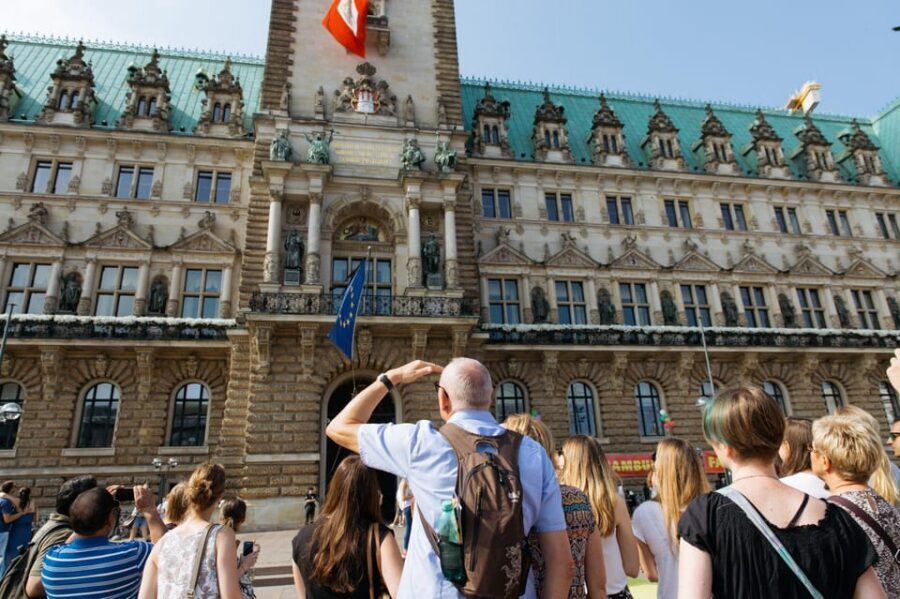
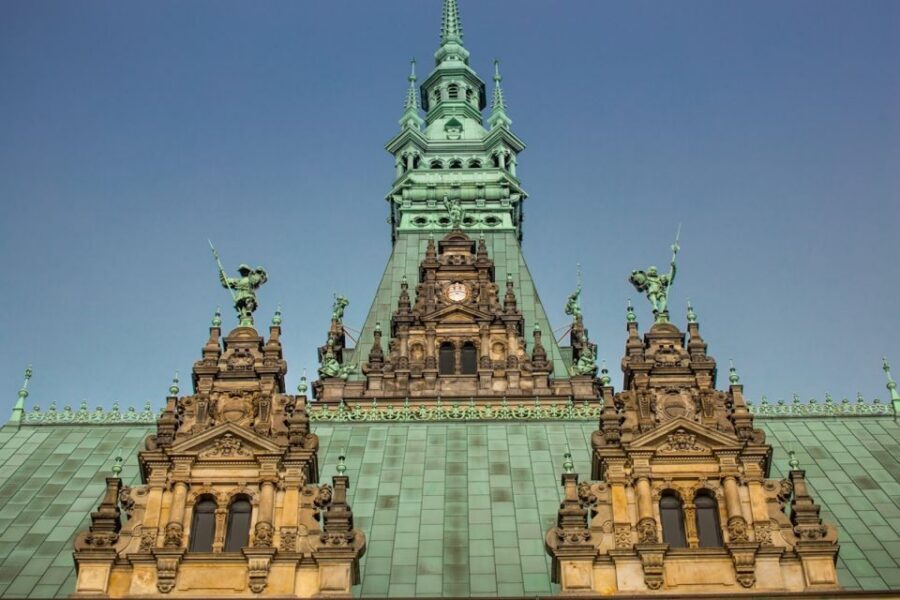
One of the biggest anchors on the walk is the Town Hall, Hamburg. The tour doesn’t treat it like a photo stop. It uses the Town Hall area to connect Freemason presence and influence to a major public site.
Why that matters: Hamburg’s city center is built for movement and power—government buildings, plazas, main streets. If you’re learning about a secret society, the interesting question becomes: where do they show up in plain sight? Town Hall is exactly the kind of place where explanations can make you look twice.
You’re not just standing there waiting for the next photo. You’re learning how symbols and references can relate to the organization’s history in Hamburg. And if the tour has a clear through-line, Town Hall usually helps lock it in.
A practical tip: when you reach the Town Hall area, pause your usual sightseeing mode. Look where the guide points. If you keep scanning for random details on your own, you’ll miss the exact visual cues the guide is training you to notice.
Other German-language tours in Hamburg





Gänsemarkt: Turning the Plazas Into Part of the Story
Then you move to Gänsemarkt. Plazas are great for this kind of tour because they’re open, visible, and full of architectural edges. They also let you understand how symbolism can operate in public spaces without needing special access.
Gänsemarkt helps you connect the “symbol” idea to the rhythm of the city: you see how different streets and squares relate, and you learn how the guide wants you to link locations into a coherent pattern. Even if you don’t remember every detail, this is where the tour can change how you walk through central Hamburg. You stop reading the city as scenery and start reading it as a map of meaning.
If you like walking tours that feel more like a guided lesson than a checklist, Gänsemarkt is often a turning point.
Stephansplatz and Its Surroundings: Where Explanations Meet Real Crowds
The plan includes Stephansplatz and its surroundings. This matters because it’s one of Hamburg’s central areas where you’ll see people constantly moving. That makes it a useful “reality check” stop. Freemason-related symbols, signs, and rituals are the focus, but you’re learning them in the context of everyday life—right where locals and visitors pass by without thinking about symbolism.
This is also where the tour’s style becomes clear. Some guides lean more into storyline. Others keep it anchored to visible references. Either way, Stephansplatz gives you enough urban variety—street corners, building fronts, and sightlines—that the guide has something to work with.
If your goal is to get better at noticing what others overlook, you’ll likely enjoy this section most.
Present Headquarters of the Hamburg Masonic Lodge: The Most Direct Payoff
One of the stated highlights is seeing the present headquarters of the Hamburg Masonic Lodge. This is the part that can feel most satisfying because it gives the subject a physical endpoint.
Up to this point, you’re learning to spot symbols and interpret clues. Reaching the lodge headquarters changes the tone from abstract to grounded. Even though a Masonic lodge is still tied to secrecy as an idea, the headquarters stop gives you a real location to anchor what you’ve heard.
This also helps you appreciate why the tour is structured around multiple stops: the city isn’t presented as random. Instead, you’re following a path that connects the organization’s historical presence with what exists today.
If you want one reason to book, it’s this: you’re not only studying symbolism. You’re walking to the place where the story points.
What the Guide Actually Does (And Why It Affects Your Experience)
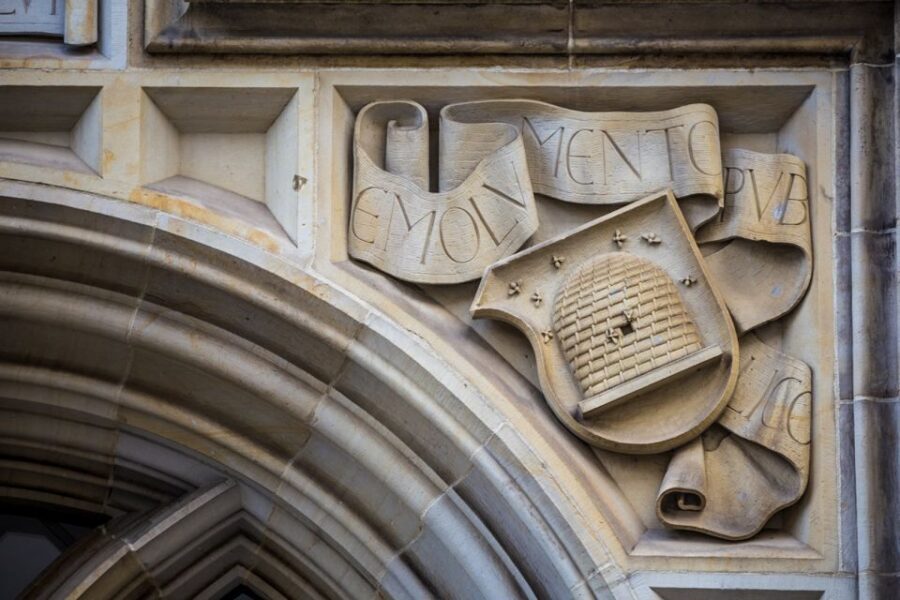
The tour includes an experienced tour guide and runs in German. The guide’s approach is the main variable in whether you’ll feel this tour is tight and focused or more loosely told.
A standout theme from strong feedback is that the best guides make the structure clear—so you don’t feel like you’re wandering through unrelated facts. With the right pace, you’ll get a true thread: where you start, why each stop matters, and how all of it connects back to Freemason influence in Hamburg.
If you’re lucky, you’ll get a guide like Kirsten, who some participants specifically praised for presenting the material in a way that makes you want to keep looking at the city through the lens you’re learning.
How to set yourself up: ask yourself what you want most—symbol interpretation tied to buildings, or more general secret-society storytelling. Choose the tour with your preference in mind, and you’ll likely get more out of every stop.
Who This Hamburg Freemason Walking Tour Is Best For
I think this tour is a strong fit if you like:
- walking through central Hamburg with a purpose
- learning to notice details you’d otherwise skip
- history and symbolism that you can point at in real places
It’s also a good choice for you if you’re traveling with one person who wants museums and another who prefers “see it on the street.” This tour bridges that gap.
The tour is recommended for age 12+. If you’re traveling with teens who enjoy puzzles or architecture details, it can work well. If you want something completely hands-on or interactive in the classic sense, you might not find it that way—but you will get plenty of visual guidance through the route.
The route is listed as wheelchair accessible, which is a helpful practical point. Still, any walking tour depends on comfort level and the pace you set with your guide.
Logistics That Matter for a Smooth Two Hours
This is a tight 2-hour format. That matters because you’ll want to be on time and ready to walk. You’ll also want comfortable shoes—Hamburg’s center is easy to walk, but the goal here is not to linger. The guide is teaching in motion.
The tour is in German, so if you don’t speak German, you might have difficulty getting full value. If you do speak German, it’s a bonus—this topic has details, and nuance is easier when you can follow the guide’s phrasing directly.
There’s a souvenir included, but the real value isn’t the object. It’s the new habit of looking at buildings like they’re part of a message.
Should You Book This Hamburg Freemason Tour?
Book it if you want a focused, city-center walk that teaches you how to read Freemason-linked signs and symbols in specific Hamburg locations—especially if you like the idea of ending at the Hamburg Masonic Lodge headquarters.
Skip it (or reconsider) if you mainly want a dramatic story with lots of speculation, or if you’re expecting extremely detailed, building-by-building symbol decoding. Some people found the delivery less consistently tied to the symbol details on architecture.
My practical take: this is worth it when you treat it like an interpretation lesson. Bring curiosity, follow the guide’s points, and you’ll leave with a Hamburg that looks different—in the best way.
FAQ
Where does the Freemason Walking Tour in Hamburg start?
You’ll meet at Am Mahnmal St. Nikolai, Haupteingang.
How long is the tour?
The tour lasts 2 hours.
Is the tour available in English?
The live tour guide language is German.
What are the main places you’ll visit?
You’ll visit key central locations including Trostbrücke, Adolphspl. 1, the Hamburg Town Hall area, Gänsemarkt, Stephansplatz and its surroundings, and the present headquarters of the Hamburg Masonic Lodge.
Is the tour wheelchair accessible?
Yes, the tour is listed as wheelchair accessible.
What is the cancellation policy?
You can cancel up to 24 hours in advance for a full refund.