REVIEW · HAMBURG
Hamburg: Discover Hamburg from landmark to landmark
Book on GetYourGuide →Operated by Sightseeing For You · Bookable on GetYourGuide
Hamburg’s best story is told on foot. This landmark-to-landmark walk connects the dots from a working port and warehouse complex to today’s global city, with major stops like the UNESCO Speicherstadt and the Elbphilharmonie. I especially liked how the route gives you a clear before-and-after view of Hamburg’s evolution, and how the guide peppers the walk with local details and personality. One possible drawback: at just two hours, it’s more about seeing and understanding the city than hanging around for deep indoor visits.
You start at St. Michaelis Church, known as the Michel, and you quickly get the feeling that the city’s identity is tied to its harbor. Along the way, you’ll also encounter historic corners like Krameramtsstuben and then transition into the modern HafenCity area before reaching the end point at the Elbphilharmonie. It’s a tight, well-paced outing, and the format works great if you want big-picture Hamburg without getting stuck in planning.
In This Review
- Key highlights to look for
- Starting at the Michel: where Hamburg’s landmark story begins
- From photo stop to guided walking: how the route stays interesting
- Krameramtsstuben: a quieter kind of history stop
- Speicherstadt: the UNESCO warehouse district that explains the city
- HafenCity contrast: tradition next to modern design
- Elbphilharmonie: the modern superlative and your final port views
- What you really get in two hours (and what you won’t)
- Price and value: why $25 makes sense for this route
- Logistics that matter: meeting point, walking comfort, and the language
- Who this tour is perfect for
- Should you book the Hamburg from landmark to landmark tour?
- FAQ
- How long is the tour?
- Where do I meet the guide?
- How much does it cost?
- What are the main places you visit?
- Is the tour wheelchair accessible?
- Is the tour offered in English?
- Can I visit the Elbphilharmonie after the tour?
Key highlights to look for
- St. Michaelis Church (the Michel) as the tour’s “big landmark” starting point, right where you’ll begin to orient yourself
- Hamburg’s UNESCO Speicherstadt and the warehouse-era story behind it
- Krameramtsstuben, where Hamburg history gets a more human feel
- HafenCity’s modern contrast right next to the historic port fabric
- Elbphilharmonie views and timing, with a chance to visit on your own when the plaza is open
Starting at the Michel: where Hamburg’s landmark story begins
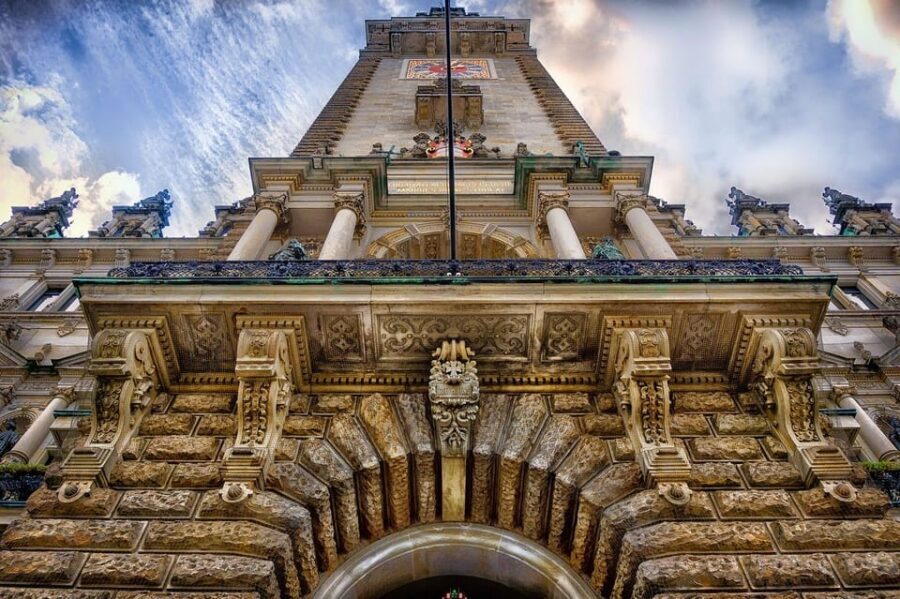
The tour begins at St. Michaelis Church, the Michel. It’s the highest church tower in the city and it’s long been treated as a signature landmark, which makes it a smart place to start. When you’re meeting the guide, go to the right of the main entrance, and look for the team with white shoulder bags.
I like starting points like this because they do two jobs fast: they orient you geographically, and they set the tone. From the Michel, you get that clear sense that Hamburg has always had “major moments” tied to what’s happening on the water and in the city’s commercial life. You’ll also learn what to watch for as you walk—small cues that make the later stops feel earned instead of random.
Other historical tours in Hamburg



From photo stop to guided walking: how the route stays interesting
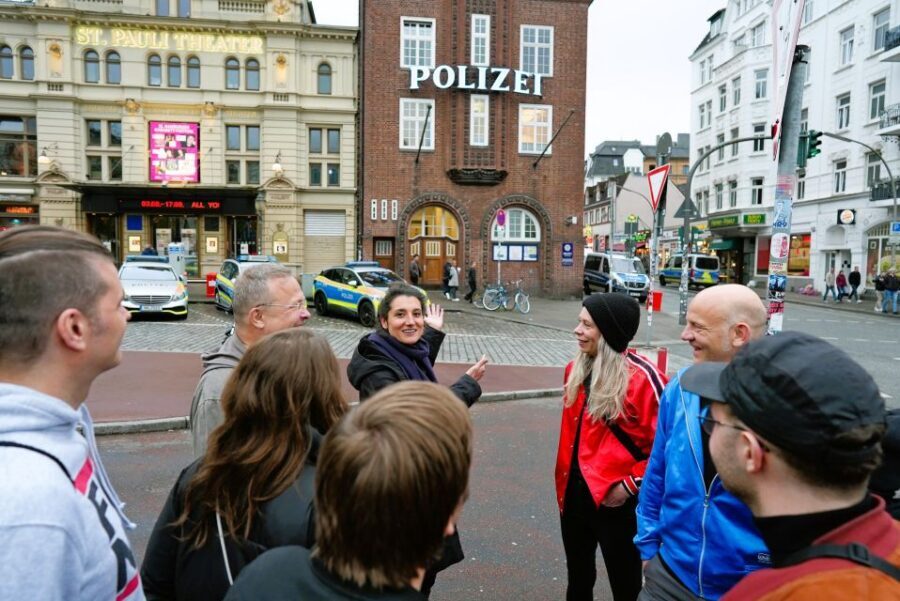
After the start, the walking portion is set up to keep you moving while still explaining what you’re seeing. You’ll hit a guided segment through the west side of Hamburg and you’ll have at least one photo stop built in, so you’re not constantly asking yourself when you’ll be able to stop and take in the view.
A big plus here is that the guide isn’t just listing sights. You’ll get anecdotes about Hamburg personalities and practical gastronomic tips, which matters because it helps you use what you learn later when you’re choosing where to eat or what to do next. If you prefer tours that feel like a conversation with momentum, this style fits well.
Krameramtsstuben: a quieter kind of history stop
One of the stops that adds texture is Krameramtsstuben. It’s not just another façade photo moment. It’s a place where you experience Hamburg’s history in a more grounded way, and the guide ties it into the broader port-to-metropolis story.
This is the kind of stop that works especially well if you’re curious about how everyday commercial life shaped the city. Hamburg isn’t only about one famous building or one dramatic waterfront view. Stops like Krameramtsstuben remind you that the city’s identity was built through occupations, trade, and daily routines—long before the skyline got its modern chapter.
Speicherstadt: the UNESCO warehouse district that explains the city
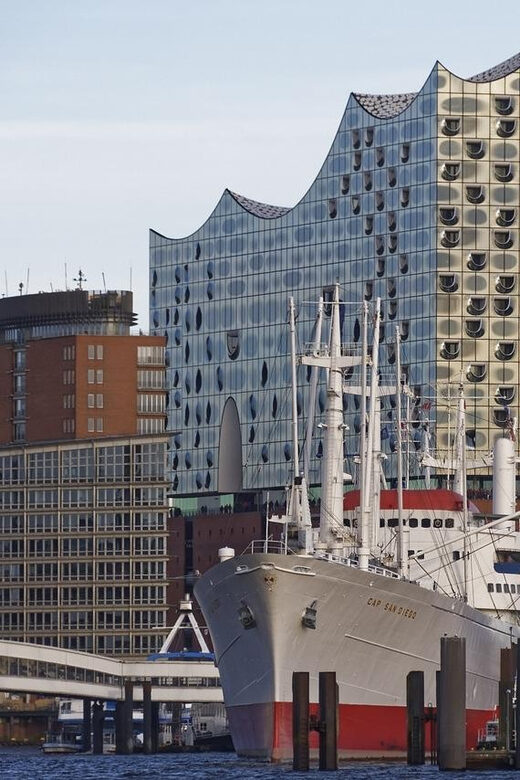
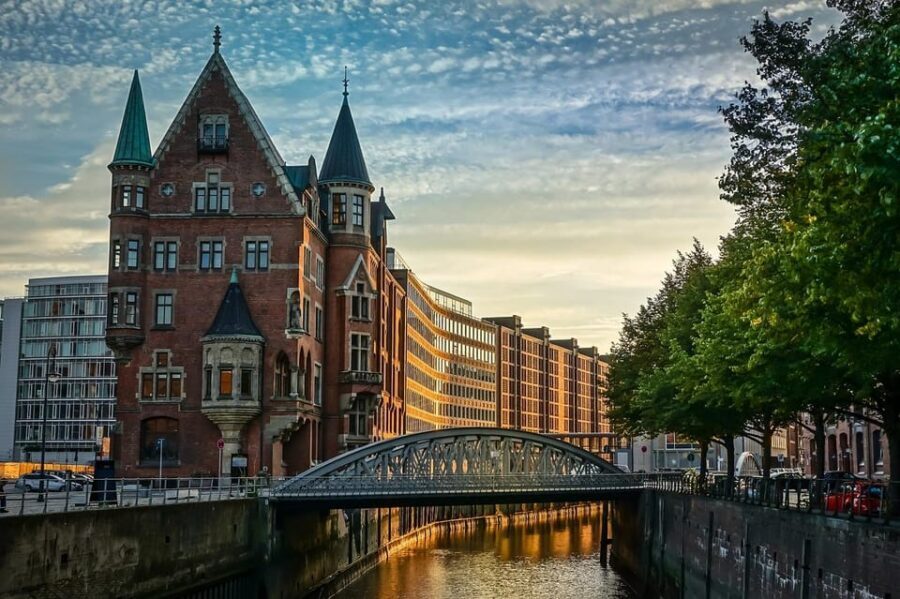
Then you get to the anchor stop: the Speicherstadt, Hamburg’s UNESCO World Heritage Site. This area is the historic center of the city’s warehouse-era identity, and it’s tied directly to the port city beginnings—those massive storage complexes that helped Hamburg process and manage goods.
What I like most about the way this stop is handled is that it doesn’t feel like a lecture about old stones. Instead, you get the “why” behind the district—how the harbor economy shaped the buildings and how those structures now represent a preserved layer of the city. Even if you only see it from the streets during the walk, it gives you context for every later modern detail.
If you love architecture, you’ll likely enjoy how the historic texture contrasts with the later districts. If you prefer stories over styles, you’ll still get what you came for: the city’s evolution in one clear sequence.
HafenCity contrast: tradition next to modern design
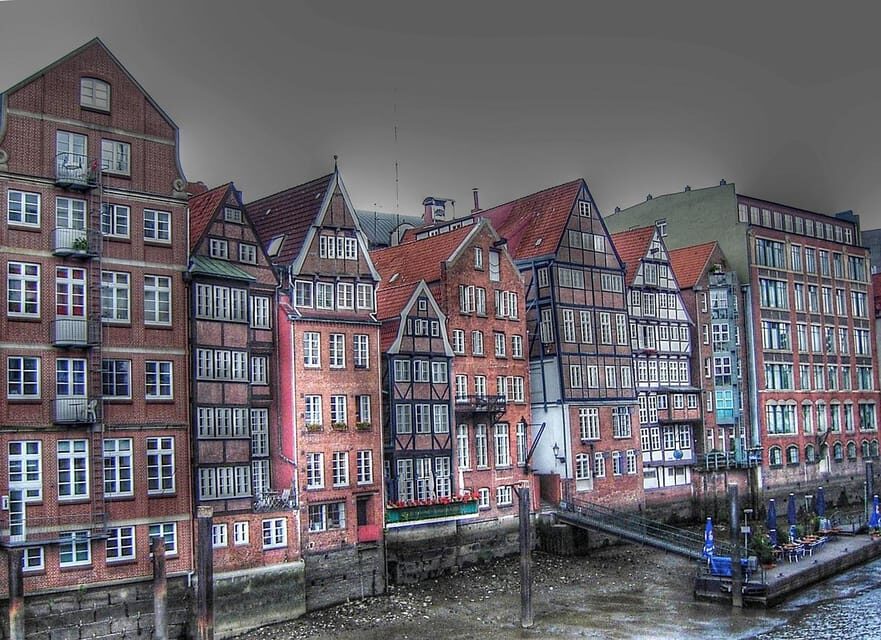
The tour connects Speicherstadt to HafenCity, which is described as connected but completely different. That contrast is the point. HafenCity represents Hamburg’s modern push—new functions, new architecture, and a renewed relationship between the city and its harbor.
This is also where you start to feel the Elbphilharmonie looming as the end goal. The guide explains how the modern district is tied to the harbor’s ongoing identity, not just a separate modern side project. For me, this transition is the moment where the tour starts to feel like a narrative with a destination.
If you’re the type who likes to understand why a city looks the way it does, this section delivers. You’re not just walking through space—you’re walking through time.





Elbphilharmonie: the modern superlative and your final port views
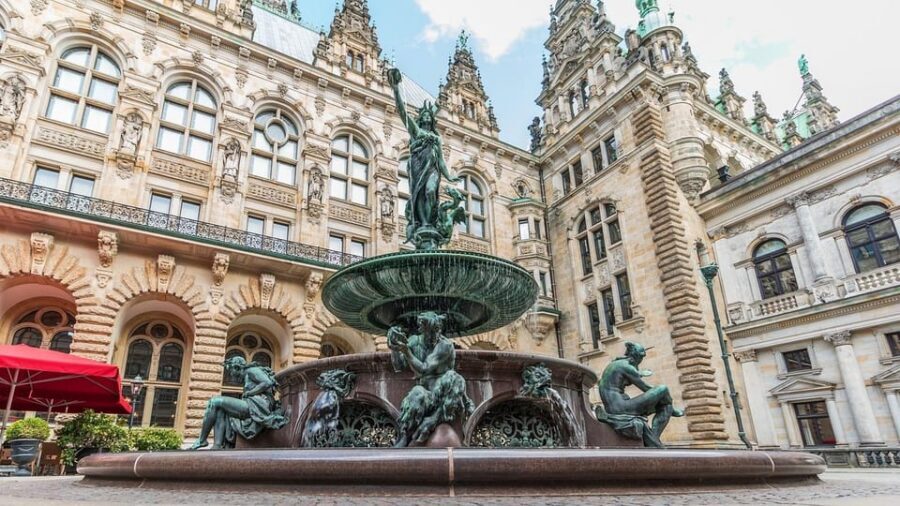
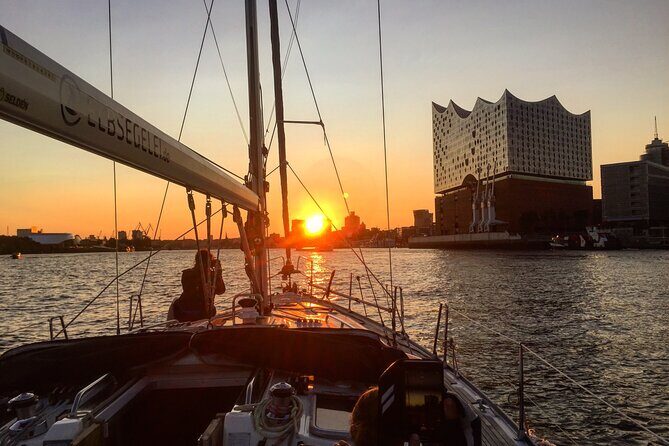
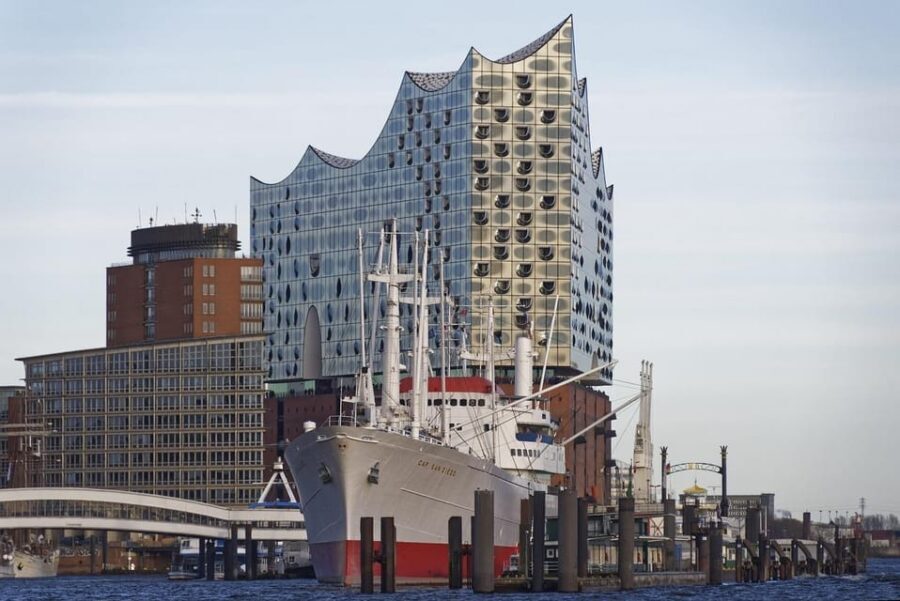
The end point is the Elbe Philharmonic Hall, the Elbphilharmonie. It’s described as the concert hall of superlatives, and the guide treats it as the symbol of the fusion of tradition and modernity in Hamburg’s port.
Here’s the practical value for you: finishing at the Elbphilharmonie puts you in the best position to decide what you want next. The tour includes time to take in the view of the port of Hamburg, and then you can visit the Elbphilharmonie on your own after the guided portion. Just note the plan depends on plaza closures, so if you’re aiming to go inside, keep a little flexibility.
This stop is ideal as a payoff because it ties together everything you just learned. If HafenCity is the modern chapter, the Elbphilharmonie is the readable headline.
What you really get in two hours (and what you won’t)
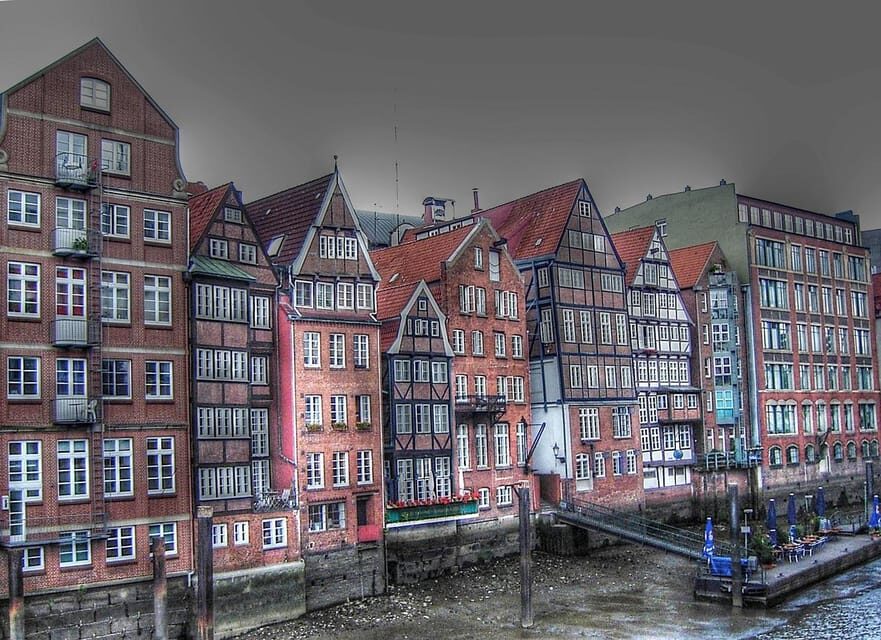
At $25 per person and two hours long, this is a fast, high-impact introduction. You’re getting a guided walk that covers several major Hamburg icons: Michel, Speicherstadt, Krameramtsstuben, HafenCity, and a finish at the Elbphilharmonie. You’re also getting a live guide in German plus stories and tips, not just a route on a map.
But it’s also important to set expectations: this isn’t built for museum-depth exploration. You’ll see and learn, and then you’ll be nudged to continue independently at the end point. If you want to spend a long time inside one of these sites, plan to do that after the tour, not during it.
Price and value: why $25 makes sense for this route
$25 for a two-hour, live-guided, landmark-to-landmark experience is usually strong value in a city like Hamburg, where “high demand” sights can easily eat your time and budget. Here, your money goes into three things you’d otherwise have to piece together yourself: a clear starting orientation at the Michel, an organized sequence through UNESCO Speicherstadt and HafenCity, and an end point at the Elbphilharmonie with a view and self-visit option.
You also get language support from a German-speaking guide, which matters if you want explanations that don’t feel like generic signage translation. In short: you’re paying for direction and interpretation as much as for the buildings themselves.
Logistics that matter: meeting point, walking comfort, and the language
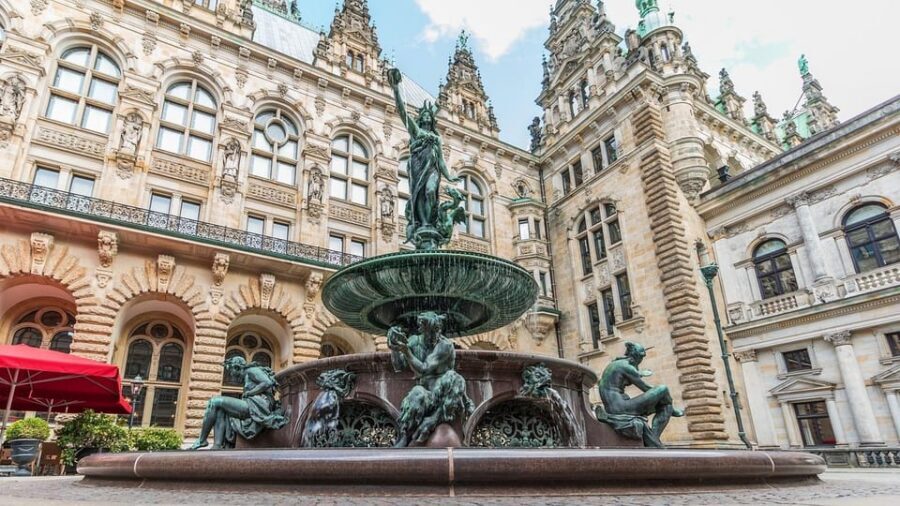
This is a walking tour, so comfortable footwear is non-negotiable. You’ll want clothing that fits the weather, and you should dress for time outdoors rather than hopping in and out of places.
For meeting: go to St. Michaelis Church (Michel), at the right of the main entrance. Your guides are recognized by their white shoulder bags. This matters because the meeting point is specific, and you’ll want to start smoothly.
Language is German, so if you’re not comfortable in German, plan on using the visuals and the route sequence as your main guide. The experience is still easy to follow as a landmark walk, but the storytelling will be best if you can follow German.
Who this tour is perfect for
This tour is a great match if you want a short Hamburg overview with real structure. It’s also a smart choice for people who like architecture and urban history but don’t want to turn their day into a checklist marathon.
It’s also good for families and mixed travel groups. The format explicitly welcomes children and dogs, and it’s barrier-free / wheelchair accessible, which makes it less stressful if mobility is part of your planning. And because it’s built around big sights rather than narrow interior visits, it tends to work well even if your energy is limited.
If you’re traveling solo, it’s also a nice way to get context fast before you branch out on your own.
Should you book the Hamburg from landmark to landmark tour?
I think you should book this tour if you want the clearest “port to metropolis” story of Hamburg in a compact timeframe. The combination of Michel for orientation, Speicherstadt for the UNESCO-era foundation, and the Elbphilharmonie for the modern payoff makes it a smart first or mid-trip outing.
Skip it or consider it only if you specifically need long time inside buildings during the guided portion, or if you strongly prefer English-only guiding. Otherwise, it’s an efficient way to see the core of Hamburg’s waterfront identity, get practical tips from a live guide, and leave with a solid mental map for the rest of your day.
FAQ
How long is the tour?
The tour lasts 2 hours. Starting times depend on availability, so it’s worth checking the schedule when you book.
Where do I meet the guide?
Meet at St. Michaelis Church (the Michel). Go to the right of the main entrance, and look for guides with white shoulder bags.
How much does it cost?
The price is $25 per person.
What are the main places you visit?
You start at the Michel, see Hamburg sights including Krameramtsstuben, explore the UNESCO World Heritage Site Speicherstadt, pass through HafenCity, and finish at the Elbe Philharmonic Hall (Elbphilharmonie).
Is the tour wheelchair accessible?
Yes. The tour is listed as barrier-free and wheelchair accessible.
Is the tour offered in English?
No. The live guide language is German.
Can I visit the Elbphilharmonie after the tour?
You can visit it on your own after the guided walk. Access depends on plaza closures, so plan with flexibility.