REVIEW · HAMBURG
Hamburg: Speicherstadt and HafenCity Tour
Book on GetYourGuide →Operated by Hamburg-Stadtführung · Bookable on GetYourGuide
Two Hamburgs in one walk.
That’s what makes this Spiecherstadt and HafenCity tour such a smart use of time: you get the utilitarian world of the Hanseatic warehouses and then, with only a short stretch of walking, you’re in the sleek modern waterfront.
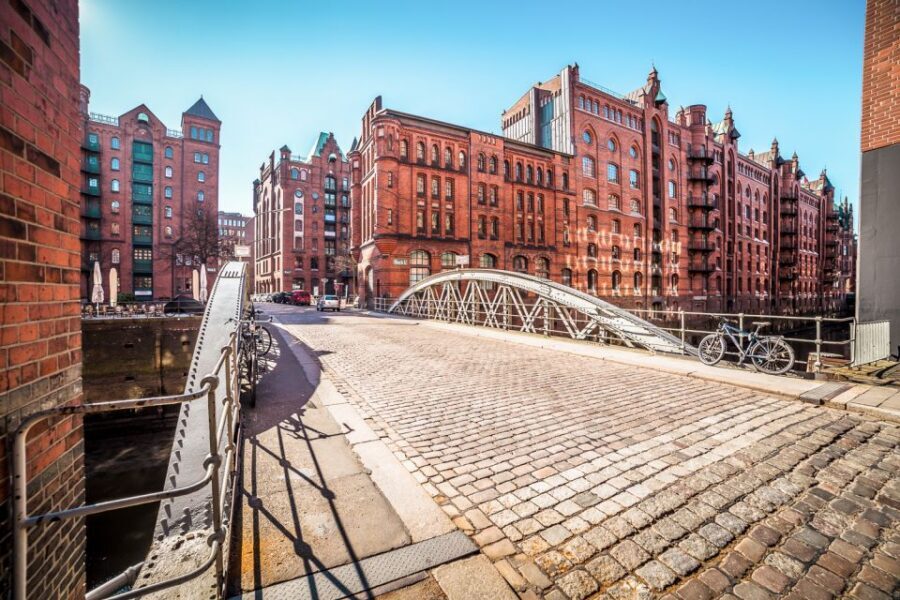
I especially like the way the guide connects Spiecherstadt’s storage logic to why the buildings look the way they do. You’ll learn that this part of Hamburg wasn’t designed as a beauty contest; it was built for convenience, and the result feels unified even though different architects shaped individual buildings.
One thing to consider: the tour is fast—2 hours—so if you want extra time to go inside shops and museums on your own, you’ll need to plan to extend your day afterward.
In This Review
- Key things to know before you go
- Starting at Sandtorkai 74: where the tour gives you bearings fast
- Speicherstadt: built for convenience, not postcard perfection
- What to watch for as you go
- Kesselhaus stop: a useful bonus (except Mondays)
- Following your nose: coffee roaster or Spice Museum options
- HafenCity: modern architecture with maritime flair
- Elbe Philharmonic Hall: the endpoint (and the debate)
- Price and time: is $18 worth a 2-hour walk?
- Guide quality: why names like Hannes and Christian come up
- Who this tour is best for (and who might want a different pace)
- Should you book it? My practical verdict
- FAQ
- How long is the Hamburg Speicherstadt and HafenCity tour?
- What language is the live guide?
- Is the Kesselhaus visit included?
- Where exactly do I meet the group?
- Is the tour wheelchair accessible?
- What’s the price and cancellation terms?
Key things to know before you go
- Two very different architectural moods in a single route: warehouse practicality, then HafenCity modern design.
- Hanseatic-era context for Speicherstadt’s storehouses, so you understand what you’re seeing.
- Kesselhaus visit on most days, but not on Mondays.
- You get to choose your nose route near places like a coffee roaster area or a Spice Museum stop concept.
- Elbe Philharmonic Hall is the big HafenCity endpoint, tied to a controversial project that began in 2007.
Starting at Sandtorkai 74: where the tour gives you bearings fast
The meeting point is directly at Sandtorkai 74, at the corner of Sandtorkai and Kaiserkai. Look for the square area in front of the stairs and the white wall with the hole in the middle—simple, very visible once you’re there.
This matters because the tour covers two neighborhoods with very different vibes. When you start in the right spot, you spend your first minutes learning rather than wandering.
You’ll likely notice that the guide keeps the pace moving but not rushed. It’s built around a clear two-hour loop: historic Spiecherstadt first, then HafenCity, finishing near the signature skyline marker of the area.
Other harbor and port cruises in Hamburg



Speicherstadt: built for convenience, not postcard perfection
When you enter Spiecherstadt, the first impression is scale and function. These buildings are imposing, and the details help you understand the storage mindset of the past—this was about moving and holding goods efficiently, not creating a pretty backdrop.
What I like here is the balanced explanation: you don’t just get dates. You get a mental model. The guide explains how the area grew out of the days of the Hanseatic League and how the storehouses were designed to serve real work.
Even better, the “harmonic bigger picture” idea really makes sense on the walk. Although different architects shaped various buildings, the overall ensemble feels coordinated, partly because the exposed elements and repeated forms keep the street rhythm consistent.
What to watch for as you go
You’ll get the most out of the walk if you slow down for two kinds of details:
- Exposed building elements that show how the structures were meant to work.
- Architectural consistency across buildings, even when styles vary by author.
If you only glance quickly, you’ll still enjoy the scenery. But if you look a bit, the whole place clicks into place as a practical system.
Kesselhaus stop: a useful bonus (except Mondays)
One highlight included in the tour is a visit to the Kesselhaus, and it’s specifically noted that it’s not available on Mondays. So if your travel dates include Monday, plan to still enjoy the rest of the route, just without this added interior visit.
Why this stop is worth caring about: it gives you a change of pace from the street-level architecture talk. The guide can use it as a concrete example while explaining how the area functioned.
Even if you’re not a “museum person,” Kesselhaus can help you make sense of why these industrial-era spaces feel distinctive. You see how the neighborhood isn’t only pretty brick—it’s built around systems.
Following your nose: coffee roaster or Spice Museum options
A fun part of this experience is that you’re not locked into one single add-on. The idea is simple: you follow the sensory trail and decide whether you want a stop connected to a coffee roaster or the Spice Museum style experience.
This is actually good tourism design. Instead of forcing every group through the same doorway, the tour gives you a choice that matches your curiosity. If you love aromas and small craft production, a coffee roaster stop can feel instantly more personal. If you prefer tasting history and trade goods, a spice-focused stop fits better.
Practical tip: if your group splits, don’t panic. You can often regroup with the guide afterward, and the rest of the walk still delivers the big storyline shift into HafenCity.
Other Speicherstadt and HafenCity tours in Hamburg






HafenCity: modern architecture with maritime flair
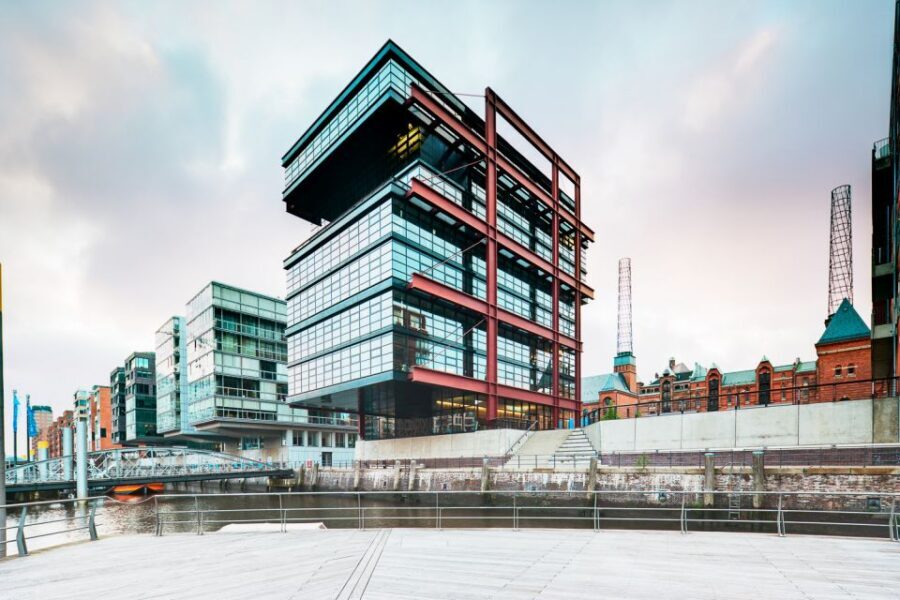
Then the tour pivots. HafenCity feels like Hamburg changed its mind about how it wants to be seen.
Here, the architecture is modern and more “designed,” with a sophisticated look that contrasts strongly with Speicherstadt’s practical warehouse shapes. You’ll walk among buildings that show ambition—clean lines, striking facades, and that maritime setting that never fully disappears, even when the buildings look new.
What I like is how the guide keeps the conversation from turning into pure aesthetics. The explanation ties the present-day waterfront feel to Hamburg’s identity as a port city, so the new structures don’t come off as random modern art.
Elbe Philharmonic Hall: the endpoint (and the debate)
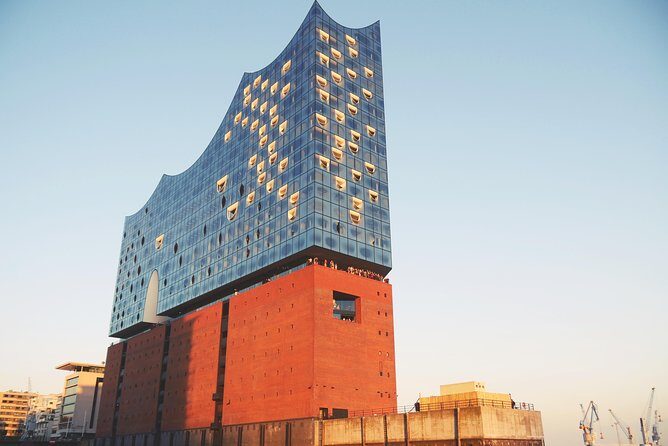
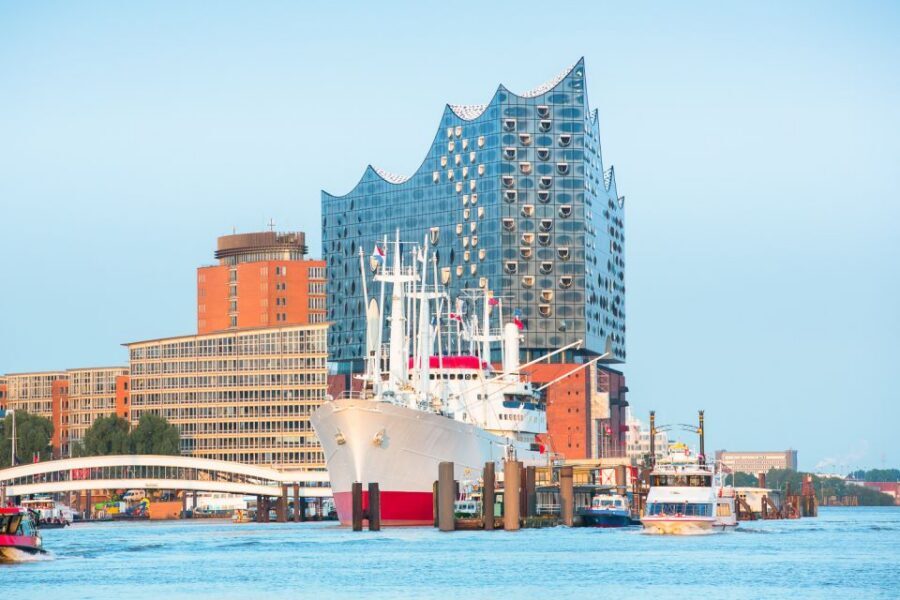
The tour’s walk ends with a major visual anchor: the Elbe Philharmonic Hall, located at the end of HafenCity and Speicherstadt. It’s described as an exciting and controversial project, with construction starting in 2007.
That “controversial” note is useful because it prepares you to see the hall as more than a photo spot. You’ll understand why it grabs attention and why it sparks opinion. When you stand there, you’ll be thinking about more than height and angles—you’ll be thinking about what Hamburg decided to spend, build, and symbolize.
If you’re a design nerd, you’ll love it. If you’re not, you’ll still enjoy how quickly the building forces the story into the present.
Price and time: is $18 worth a 2-hour walk?
At $18 per person for about 2 hours, this tour is strong value if you want orientation and context without committing a full day.
Here’s why it’s good value in real terms:
- You get guided storytelling through two separate areas that can otherwise feel like just “more buildings.”
- The tour includes a Kesselhaus visit (except Mondays), which adds something tangible beyond sightseeing.
- The guide language is German, which means the narration can stay precise and detailed rather than simplified for a mixed-language group.
Two-hour tours can feel thin if you expect slow strolling with long stops. But that’s not what this one is. It’s designed for getting your bearings fast and leaving you with smart questions to explore on your own afterward.
Also, the overall quality seems consistent. The tour has a strong rating and the feedback repeatedly points to guides being well prepared—one review specifically praised a guide using an iPad to show many photos that supported what was being explained.
Guide quality: why names like Hannes and Christian come up
In the reviews, two names pop up more than once: Hannes and Christian. The common thread in the praise isn’t just friendliness—it’s preparedness and clarity.
One reviewer noted a guide with knowledge and a well-organized approach, using an iPad with a lot of photos to back up the spoken details. Another emphasized that the guide was very well informed and delivered lots of interesting facts about history and current-day Hamburg.
That matters because both Speicherstadt and HafenCity can overwhelm you with visuals if you don’t have a storyline. A good guide gives you a framework: what you’re seeing, why it looks that way, and how the old and new parts of the city connect.
Who this tour is best for (and who might want a different pace)
This tour fits you best if you’re looking for:
- A quick, guided intro to Hamburg’s most recognizable port-area contrasts.
- A walk that helps you understand Hanseatic-era storage logic and modern waterfront planning.
- Something that stays active but still readable—lots of “look here” moments, not just lectures.
You might want a slower, longer add-on if:
- You plan to spend lots of time going inside the optional spots like a coffee roaster or the Spice Museum.
- You’re hoping for extended time at HafenCity landmarks, including lingering with the Elbe Philharmonic Hall view from every angle.
For most people, this is a very sane first pass. Think of it as setting the stage, not closing the curtains.
Should you book it? My practical verdict
If you’re spending limited time in Hamburg, I’d book this tour. The Spiecherstadt-to-HafenCity contrast is the whole point, and 2 hours is enough time to understand what makes each part different without losing the thread.
It’s also a good deal if you value context. The tour doesn’t just point at buildings—it explains why Speicherstadt was built the way it was, and it frames HafenCity as a serious modern waterfront project rather than a random photo stop.
One last decision helper: if you travel on a Monday, know you’ll likely miss the Kesselhaus visit, but you still get the core Speicherstadt and HafenCity walk and the finish near the Elbe Philharmonic Hall.
FAQ
How long is the Hamburg Speicherstadt and HafenCity tour?
It lasts about 2 hours.
What language is the live guide?
The live tour guide speaks German.
Is the Kesselhaus visit included?
Yes, it’s included, but it’s not available on Mondays.
Where exactly do I meet the group?
Meet at Sandtorkai 74, at the corner of Sandtorkai and Kaiserkai, on the square in front of the stairs and on the white wall with the hole in the middle.
Is the tour wheelchair accessible?
Yes, it’s listed as wheelchair accessible.
What’s the price and cancellation terms?
The price is $18 per person. You can cancel up to 24 hours in advance for a full refund.