REVIEW · HAMBURG
Hamburg: Private – Town Hall, Speicherstadt, Elbphilharmonie
Book on GetYourGuide →Operated by Schoenes Hamburg · Bookable on GetYourGuide
Rathaus, ruins, and modern design—side by side. This private Hamburg route strings together big moments in one smooth 2-hour walk, from civic power to WWII memory to the city’s newest landmark. I like how the tour keeps moving between eras, and you get a clear story instead of random sightseeing.
Two things I really like: the Hamburg Rathaus inside-and-out focus, and the way the walk links the old port area to the Speicherstadt UNESCO warehouse district. You’ll also get a guide who can explain what you’re seeing in plain language, with photos that help you track how Hamburg changed over time.
One consideration: it’s only 2 hours, so it’s built for seeing and understanding more than for long stays in any single place. If you want extra time inside museums or for lots of wandering time, plan to add that on your own before or after.
In This Review
- Key things to know before you go
- How this 2-hour Hamburg route actually connects the dots
- Hamburg Town Hall: neo-Renaissance power you can feel
- St. Nikolai memorial ruins and Nicolaifleet: the city’s port origin and WWII memory
- Deichstraße and merchant houses: how Hamburg’s 17th-century trade still shapes the street
- Speicherstadt UNESCO: red-brick warehouses, shipping history, and a possible coffee break
- HafenCity to Elbphilharmonie: from redevelopment plans to a 2017 icon
- Price and value: what $294 per group covers (and who it suits best)
- What the guide adds: humor, photos, and clear storytelling
- Timing tips: how to make the most of the two-hour format
- Should you book this private Hamburg tour?
- FAQ
- How long is the tour?
- Is this a private group tour?
- How much does it cost and how large is the group?
- Where does the tour start and where does it end?
- What stops are included on the route?
- Which languages are available for the live guide?
- Is transportation to the meeting point included?
Key things to know before you go
- Private guide, small-group feel: tailored pacing for your group of up to 15
- Time-boxed classic sights: Rathaus, St. Nikolai memorial ruins, Deichstraße, Speicherstadt, HafenCity, Elbphilharmonie
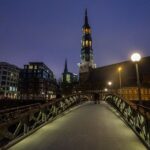
- Great photo moments: Trostbrücke views and water-level surprises around Nicolaifleet
- Speicherstadt with a practical perk: you may stop by a coffee roastery in the red-brick warehouses
- Elbphilharmonie architecture focus: short but meaningful orientation at the concert hall
- Jutta-style storytelling: guides like Jutta use humor and visuals to make history stick
How this 2-hour Hamburg route actually connects the dots
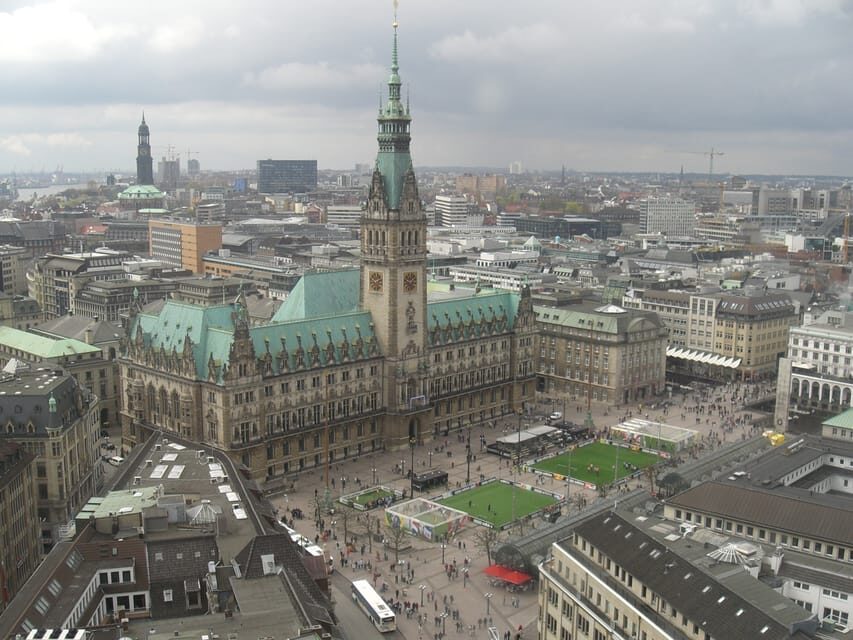
This is the kind of private tour that helps you get your bearings fast. You start in the center of government power at the Rathaus, then move toward Hamburg’s older port story, and finally end at the city’s 21st-century showpiece. It’s a smart sequence because each stop answers a simple question: How did Hamburg become the Hamburg you see today?
You’ll walk at a comfortable city pace with short photo stops and guided time at each major site. That format works well for first-timers because you don’t burn the whole clock figuring out where things are or what matters.
The tour is also flexible in a real-world way. It has built-in short stops for photos and viewpoints, so if the group is hungry, you get a chance to think about snacks—ice cream and simple food breaks are part of the tour’s rhythm.
Other harbor and port cruises in Hamburg



Hamburg Town Hall: neo-Renaissance power you can feel
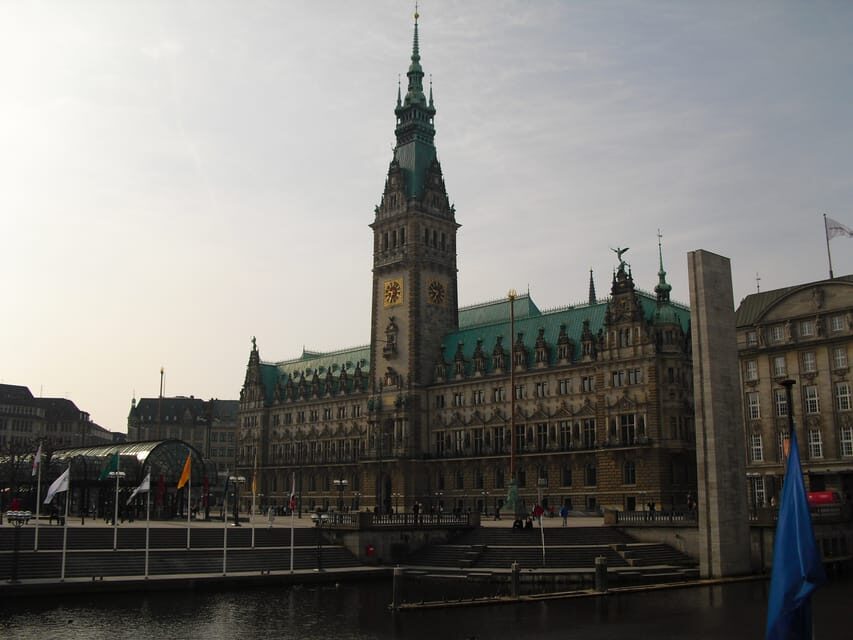
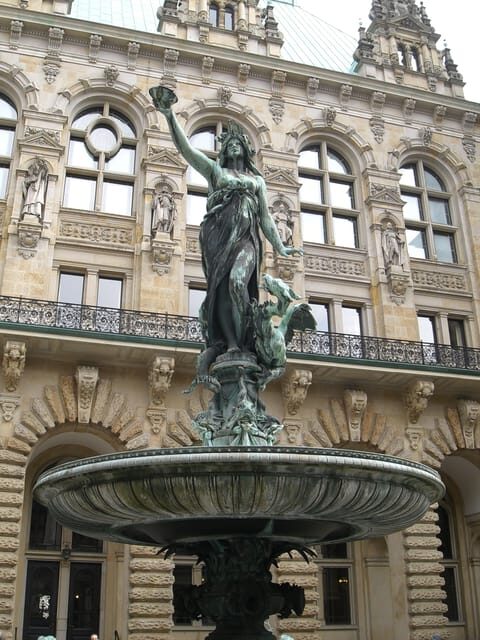
The Rathaus Hamburg is the obvious anchor, and for good reason. The building’s neo-Renaissance style isn’t just pretty—it’s a statement about wealth and civic ambition. Even if you’re not into architecture theory, you can still read the message in the details: Hamburg wanted to look impressive and to govern with confidence.
You start with a photo stop outside, then get time inside for a guided look. The route also points out the chamber of commerce connection—helpful context because this isn’t a dead monument. It’s still part of how the city organizes business and public life.
I also like that the guide doesn’t treat the Rathaus as a standalone postcard. It’s paired with what’s across from it in the old stock-market setting, so you understand why Hamburg’s trade economy shaped its politics and buildings.
Practical note: the stops are planned, so you’ll get orientation quickly. If you want deep time in the building, you’ll likely need to come back later on your own.
St. Nikolai memorial ruins and Nicolaifleet: the city’s port origin and WWII memory
Hamburg’s first port story shows up in the area around Nicolaifleet from the 12th century. You’ll be walking near the water network and seeing what’s left—less about grand reconstructions, more about real historical traces. That makes the walk feel grounded, not staged.
Then comes a very different emotional stop: the St. Nikolai memorial. The church is in ruin because it was destroyed during WWII, and it functions as a Western Europe reminder of that damage. Seeing it in context—after you’ve already understood the port and the city’s economic engine—hits harder, because it shows what war can do to a working city, not just a building.
One small, fun detail the tour leans into: the area around Nicolaifleet can look different depending on the water level. If conditions are right, you may be able to see more from the bridge near the water. If not, don’t worry—you’ll still get the historical geography explained.
Deichstraße and merchant houses: how Hamburg’s 17th-century trade still shapes the street
Deichstraße is where the tour slows down just enough to show you a side of Hamburg that still feels human-scale. You’ll see protected merchant residences and the charm of 17th-century architecture that survived WWII destruction. That’s not a minor point. It’s one of the clearest ways to understand what changed—and what didn’t.
The guide’s job here is crucial: these houses can look like pretty old buildings, but the stories give them weight. You learn why merchant homes and trade streets mattered, and how the city’s wealth built a distinct urban character.
You may also cross or stop near Trostbrücke for short photo-and-view time. It’s one of those places where a 5-minute stop can give you a lasting mental image of how Hamburg’s water channels and streets interlock.
Also, because it’s private, the pace can fit your group. If you want more time photographing façades, or if someone needs a restroom break, you’ll usually have room to adjust within the 2-hour structure.
Speicherstadt UNESCO: red-brick warehouses, shipping history, and a possible coffee break
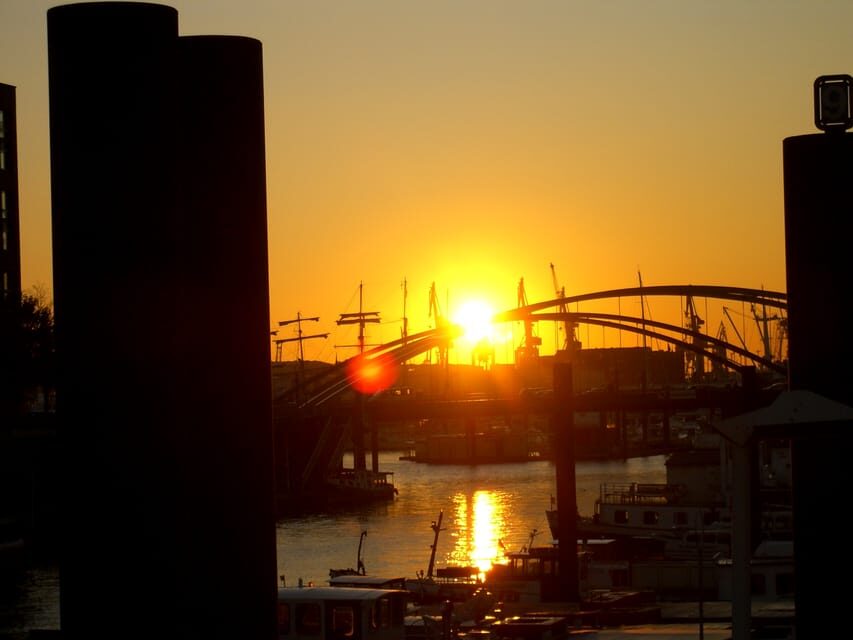
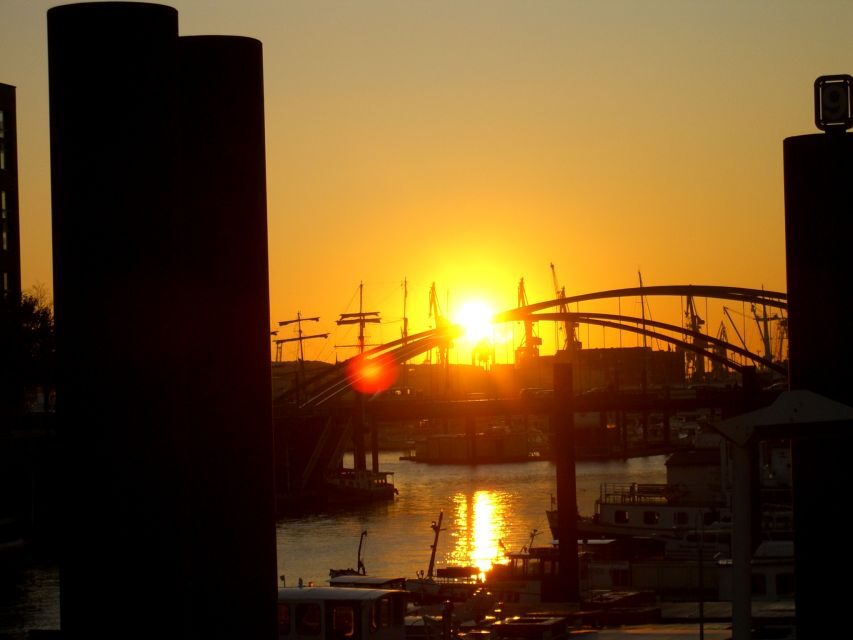
Speicherstadt—Hamburg’s warehouse district—deserves time, and this tour gives you just enough to feel oriented. It’s a UNESCO World Heritage area, and the key idea is simple: these red-brick buildings were built for goods shipped into the city. Seeing them as warehouse architecture helps you understand why Hamburg’s economy produced such a distinctive streetscape.
The tour includes guided time and photo stops, plus a practical possibility: you may be able to visit a coffee roastery in the district. That’s a small add-on, but it’s the kind of detail that turns “sightseeing” into “a day with texture.” Even if you don’t plan to buy anything, watching how coffee is handled in a warehouse setting connects the past logistics to present-day daily life.
If you’re a fan of food stops that don’t feel like tourist traps, this is a nice way to get one. If you’re not into coffee, you can still use the roastery stop as a sheltered break while your guide keeps moving the story forward.
Because the tour is time-boxed, you won’t get full freedom to wander every side street. But you do get the main shape of the district, what it is, and why it’s protected.
Other Speicherstadt and HafenCity tours in Hamburg




HafenCity to Elbphilharmonie: from redevelopment plans to a 2017 icon
After Speicherstadt, you transition into HafenCity, Europe’s big city planning project. This part of the tour helps you connect history to the present. Instead of treating the modern areas like a completely different city, you see how Hamburg is reusing its riverfront and industrial spaces—and how it’s building a new identity where warehouses once stood.
You’ll get photo stop time and guided explanation, typically without long detours. That’s good if you’re on a tight schedule, and it’s still satisfying if you want the “what changed and why” overview.
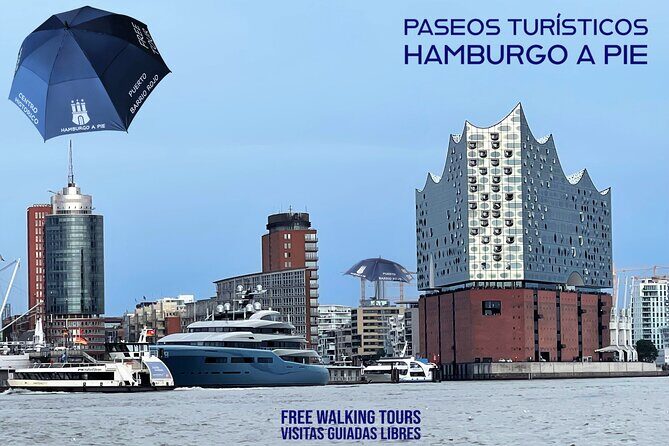
Then the tour ends at Elbphilharmonie, the concert hall inaugurated in 2017. Even if you never catch a concert, the building is worth it for architecture alone. The guide’s orientation helps you see the hall as more than a landmark photo—you understand why it became such a strong symbol for modern Hamburg.
One practical consideration: it’s a tour finish point, so you’ll want to decide ahead of time whether you’re staying nearby for a meal or heading out. The tour includes drop-off options at the Elbphilharmonie area and also at Platz der Deutschen Einheit 1, 20457 Hamburg, depending on how the booking is set.
Price and value: what $294 per group covers (and who it suits best)
At $294 per group (up to 15 people), the pricing is actually pretty reasonable for a private format—especially in a city where transit and time can add up fast. For families, friend groups, or small tour groups who want a single guide managing the route, you’re essentially paying for efficiency and context.
This isn’t a “see everything in Hamburg” deal. It’s a focused 2-hour sampler that hits major anchor points: Rathaus, the St. Nikolai memorial ruins, Deichstraße, Speicherstadt, HafenCity, and Elbphilharmonie. That tight list matters. It means you’re less likely to waste time on “almost right” stops that don’t fully connect.
Because it’s private, you also benefit from a guide who can adjust how much time you spend on each site’s story. That matters most if your group includes mixed interests—someone who loves architecture, someone who wants WWII context, and someone who just wants the signature photos.
Who this suits best:
- First-timers who want a logical, chronological route
- Groups that want personal guide attention without a huge group size
- People who like history explained clearly (and often with humor)
What the guide adds: humor, photos, and clear storytelling
The quality of this experience really depends on the guide, and the strong signal here is that guides like Jutta use a light, human style. The result is that history doesn’t feel like a lecture. It feels like a conversation where facts stick because they’re attached to images and specific details.
If your group is mostly English-speaking, that’s also a practical benefit. You can expect the explanation to stay accessible instead of bouncing into a mix that leaves some people behind. And even if you know some basics about Hamburg, the guide’s photo approach helps you notice what changed and what survived.
It also helps that the tour’s stops naturally support storytelling. You’re not asking the guide to describe abstract history. You’re looking at the buildings and ruins as you go.
Timing tips: how to make the most of the two-hour format
With a 2-hour private tour, your best move is to keep your expectations realistic and your energy steady. Wear comfortable shoes. You’ll be doing a lot of short walks between photo and guided segments, and the old-city areas can be uneven.
Plan your day so you’re not rushed immediately after. Elbphilharmonie is a great final point because the surrounding area is easy to keep exploring on your own, whether you want a meal, a walk along the waterfront, or more photos.
If you’re the type who likes to linger, pick one or two favorite stops and plan to extend them after the tour. This format gives you the shortlist; you decide what deserves extra time.
Should you book this private Hamburg tour?
Yes—if you want a smart introduction to Hamburg that connects major sites across centuries. This tour is especially strong for first-timers because it links Rathaus power, port origins, WWII memory, merchant street survival, UNESCO warehouse architecture, and modern redevelopment in one coherent route.
Skip it only if you’re looking for a long, slow wander with lots of independent exploration inside every site. This is made for a guided overview, not for hours of museum-level deep time.
If you want a clear route with a guide who can explain history in an enjoyable way—using photos and humor—and end with Elbphilharmonie views, this one is an easy choice.
FAQ
How long is the tour?
The tour lasts 2 hours.
Is this a private group tour?
Yes, it’s a private group experience.
How much does it cost and how large is the group?
It costs $294 per group, up to 15 people.
Where does the tour start and where does it end?
The meeting point may vary depending on the option booked. Drop-off includes Elbphilharmonie Hamburg, and also Platz der Deutschen Einheit 1, 20457 Hamburg, Deutschland.
What stops are included on the route?
The highlights include Hamburg Town Hall (Rathaus), Memorial St. Nikolai (ruin), Deichstraße merchant houses, Speicherstadt (UNESCO), HafenCity, and Elbphilharmonie.
Which languages are available for the live guide?
The guide is available in German, English, Spanish, and French.
Is transportation to the meeting point included?
No. Transportation costs to the meeting point are not included.