REVIEW · HAMBURG
Hamburg Private Guided Tour (walking)
Book on Viator →Operated by Schoenes Hamburg · Bookable on Viator
Hamburg works best on foot. You’ll stitch together old merchant power and new harbor ambition in one 3-hour loop. What makes this tour stand out is the mix of St. Michael’s Church views and the big-city contrasts—historic Speicherstadt and modern HafenCity.
Two things I really liked: first, the private guide turns landmarks into a story you can picture, not a list of facts. Second, the walk hits the right neighborhoods, including the Portuguese Quarter and the port-facing areas like Landungsbrücken, so you get a sense of how Hamburg became a trading machine.
One drawback to plan for: Hamburg weather can change fast and it’s often windy, and this is still a walking tour. If you don’t like long stretches outside, bring good layers—or plan to use the option to call a taxi on the spot.
In This Review
- Key things to notice before you go
- A 3-hour private walk that actually fits real life
- Rathaus to St. Michael’s: where Hamburg looks grand and practical
- Speicherstadt: the warehouse city behind the romance
- Town Hall area, Deichstraße, and the city’s older street bones
- Hamburg port reality check: big port, inland sea distance
- HafenCity and the Elbe Philharmonic Hall area: modern Hamburg with scale
- St. Nikolai memorial and the restaurant strip: history with a heartbeat
- Pace, weather, and the practical walking advice you’ll need
- Price and value: $390 for up to 9 people
- Which kind of traveler should book?
- Should you book this Hamburg private walking tour?
- FAQ
- How long is the Hamburg private guided walking tour?
- How many people can be in one private group?
- What language is the tour offered in?
- Where does the tour start and end?
- Do I need tickets or will I receive one on my phone?
- Is admission included for the main stops?
- Does the tour run in bad weather?
- What if someone in my group doesn’t like walking?
- Are food and drinks included?
- Can I cancel for a full refund?
Key things to notice before you go
- Private group of up to 9 means your guide can slow down, speed up, or reshape the route.
- St. Michael’s Church (1763, baroque style) gives you standout views over Hamburg and the Alster area.
- Speicherstadt red-brick warehouse history—from coffee and tea to spices and tobacco.
- HafenCity + Elbe Philharmonic Hall area show how Hamburg reinvented its waterfront planning.
- St. Nikolai memorial adds a sober WWII stop without turning the whole tour dark.
- Hamburg’s port geography matters: it’s a major port in Europe, yet the open sea is about 104 km away.
A 3-hour private walk that actually fits real life
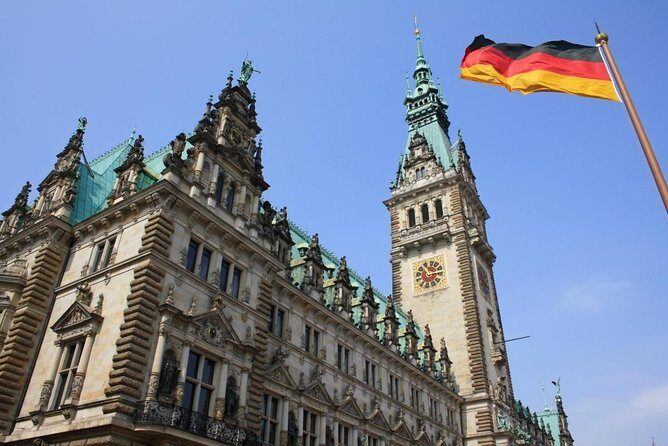
Three hours doesn’t sound like much until you do it in a city like Hamburg, where blocks can feel long and the details matter. This is built as a walking tour with a clear sequence of stops—starting at Rathaus and ending at Michaeliskirche—so you’re not crisscrossing for no reason.
And it’s private, with a cap of 9 people. That size is key. In my experience, once you get beyond a small group, guides have to herd people. Here, the guide can keep the pace human. If you’re traveling with mixed walking speeds, that flexibility showed up clearly in real-world feedback from guides named Maureen, Jutta, and Alexander. I’d take that as a sign that the tour isn’t just “follow me, no matter what.”
Also, you get a mobile ticket, and the tour runs in all weather. That matters because Hamburg can turn a sunny morning into a windy afternoon in a blink. Plan your outfit like you’re going to be outside the whole time—because you are.
Other walking tours we've reviewed in Hamburg


Rathaus to St. Michael’s: where Hamburg looks grand and practical
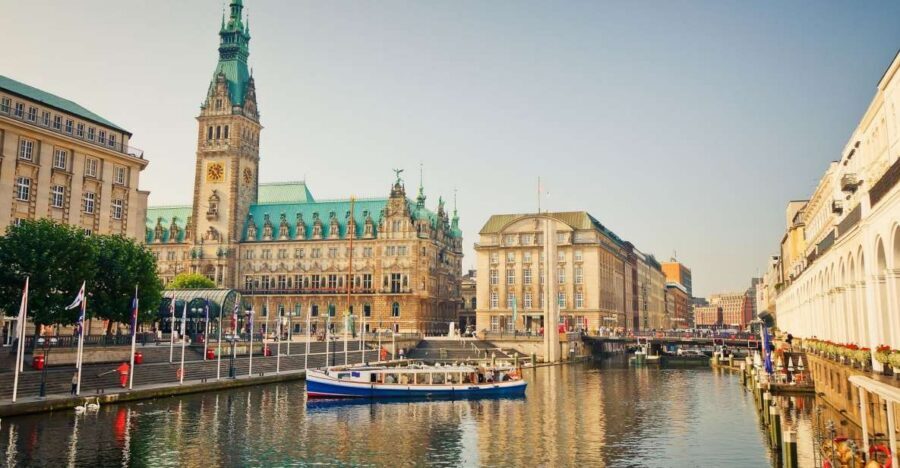
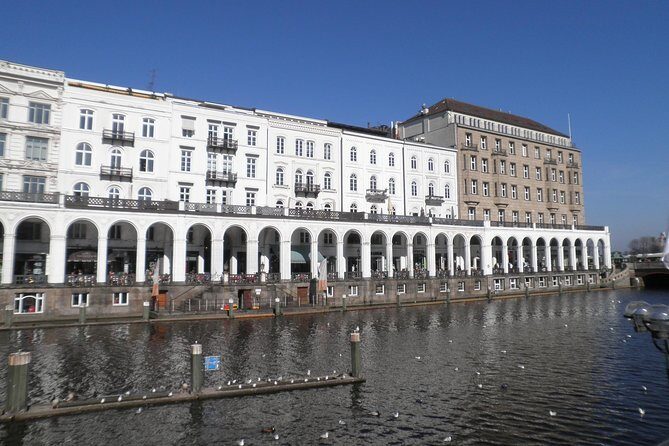
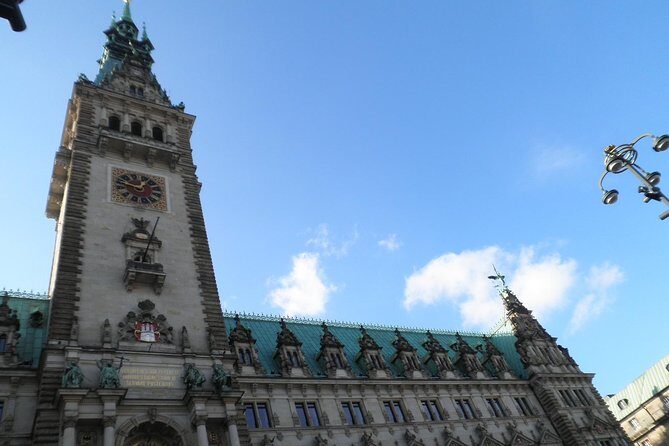
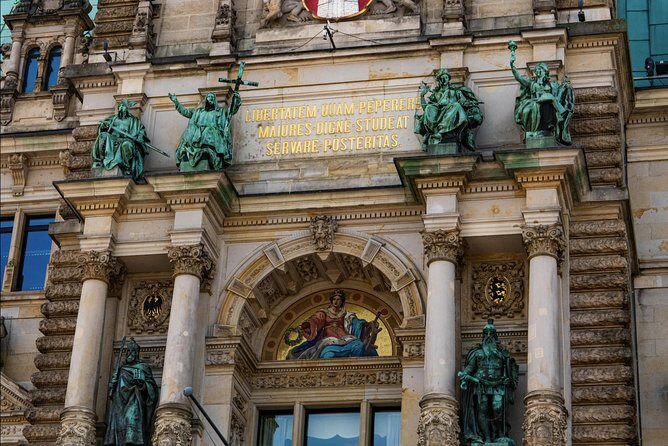
The tour starts at Rathaus (Hamburg Town Hall area) and early on you get a feel for Hamburg’s self-image: big, confident, and architectural. Town Hall is in a neo-renaissance style and dates to 1897. Even if you don’t go inside, it sets the tone. Hamburg has always been proud of governance and trade—this building screams both.
Then you move toward St. Michael’s Church (Michaeliskirche), the baroque church from 1763. This is described as the first Protestant church in Hamburg, and it’s known for lots of marble and gold. What I like about this stop is that it’s not only pretty. It also gives you a visual anchor for the city’s history—Hamburg’s identity shifted with religion, politics, and commerce all at once.
The payoff is the view. From St. Michael’s area, you get fine sightlines over Hamburg and the Alster River region. In a place built on waterways and trade routes, that kind of perspective helps your brain connect the dots. You start seeing streets as part of a larger system, not just places to take photos.
Speicherstadt: the warehouse city behind the romance
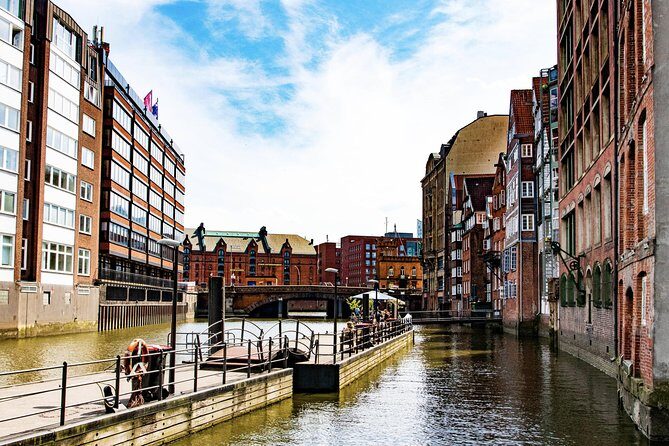
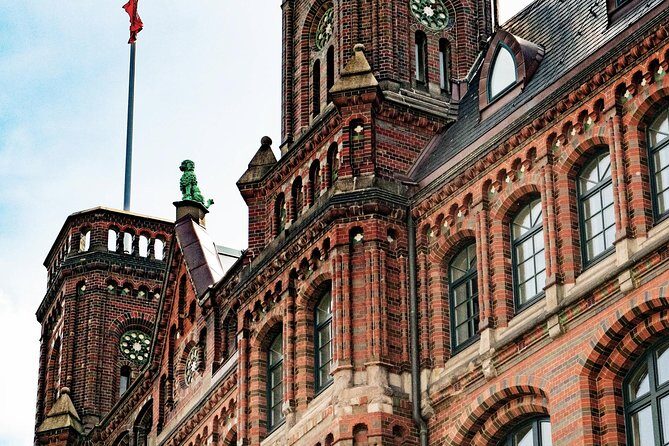
After the church, the tour heads into Speicherstadt, Hamburg’s red-brick warehouse district. This is where the story becomes very physical: heavy brick, arched forms, and long rows that were meant to store goods and protect them.
The details you’ll hear matter. These warehouses were built in 1888 to store things like coffee, tea, cacao, spices, and tobacco. That list isn’t random. It’s the menu of global trade that helped Hamburg become the city it is. When you’re standing in the architecture, the economy stops being abstract.
You also get a good chance to walk through the edges of the district where the atmosphere feels tighter and more “old Europe.” This is one of those places where you’ll notice small street angles and courtyard pockets that you’d miss on a quick stop.
And the tour includes the Portuguese Quarter, which is a strong fit with Speicherstadt’s trading theme. You’ll get a sense of immigrant communities tied to commerce, and the area works well for photos without needing a single big viewpoint.
Town Hall area, Deichstraße, and the city’s older street bones
From there, the tour keeps nudging you into historic Hamburg’s street texture. One stop is Deichstraße, with houses that go back to the 17th century. That’s a big deal because it’s not just about one landmark building—it’s about how the city filled in over time.
Deichstraße also helps you understand why Hamburg’s port story creates its own kind of urban map. Streets like this formed the practical connections between trade, transportation, and where people lived and worked. You start noticing patterns: where movement flows, where markets and services likely clustered, and why certain streets still feel like they lead somewhere important.
The route also references the connection between the Town Hall area and central station. Even if you never stare at a map, you’ll feel the city’s logic: older core, then outward toward the waterfront and the modern redevelopments.
Hamburg port reality check: big port, inland sea distance
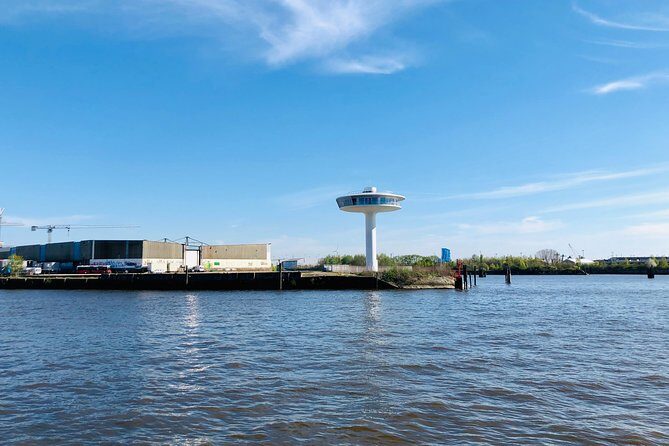
Here’s a fact worth keeping in your head while you’re walking: Hamburg is the third largest port in Europe, and it’s about 104 km from the open sea. That’s not just trivia. It’s the reason you’ll see canals, docks, and the way the city organizes itself around water.
On this kind of tour, that port geography becomes a guiding theme. When you’re near HafenCity later, the waterfront planning will make more sense. When you’re near memorials and old warehouse districts, you’ll better understand what was at stake during wars and rebuilding.
In other words, the tour uses port context like a frame. You’re not just collecting buildings—you’re learning the system that shaped them.
Other guided tours in Hamburg





HafenCity and the Elbe Philharmonic Hall area: modern Hamburg with scale
Then the tour shifts into HafenCity, a major city-planning project that shows Hamburg’s modern side. If Speicherstadt is about thick brick and storage, HafenCity is about design, space, and the future-facing version of the waterfront.
The architecture here is described as state of the art. Even if you’re not an architecture nerd, you’ll still notice the difference right away: wider sightlines, newer materials, and a sense of careful urban planning. It feels less like history you’re stepping into, and more like a city making decisions in real time.
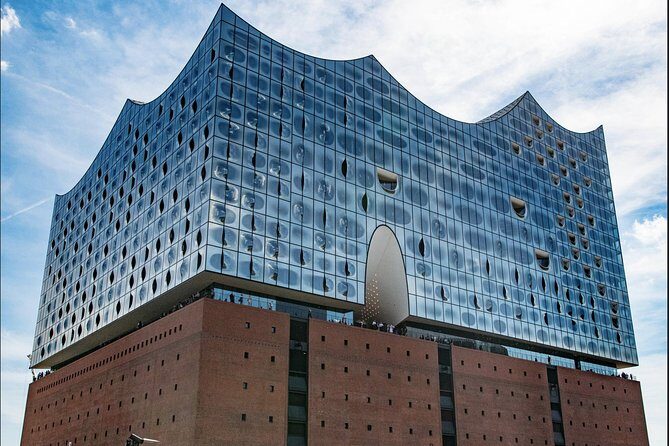
One landmark is the concert hall inaugurated in 2016—the Elbe Philharmonic Hall area. You won’t be going inside. That’s normal for a short walking tour, but it still works. From the outside, you can appreciate it as a modern symbol of Hamburg’s cultural muscle.
If you care about design, this section is where you’ll feel the contrast the most. It’s also where you’ll likely appreciate having a guide, because the “why” behind the planning is what turns visuals into meaning.
St. Nikolai memorial and the restaurant strip: history with a heartbeat
Next comes Mahnmal St. Nikolai, a WWII memorial. This stop adds gravity to the walk. It helps you remember that Hamburg’s story isn’t only trade and rebuilding—it includes destruction, loss, and the long work of recovery.
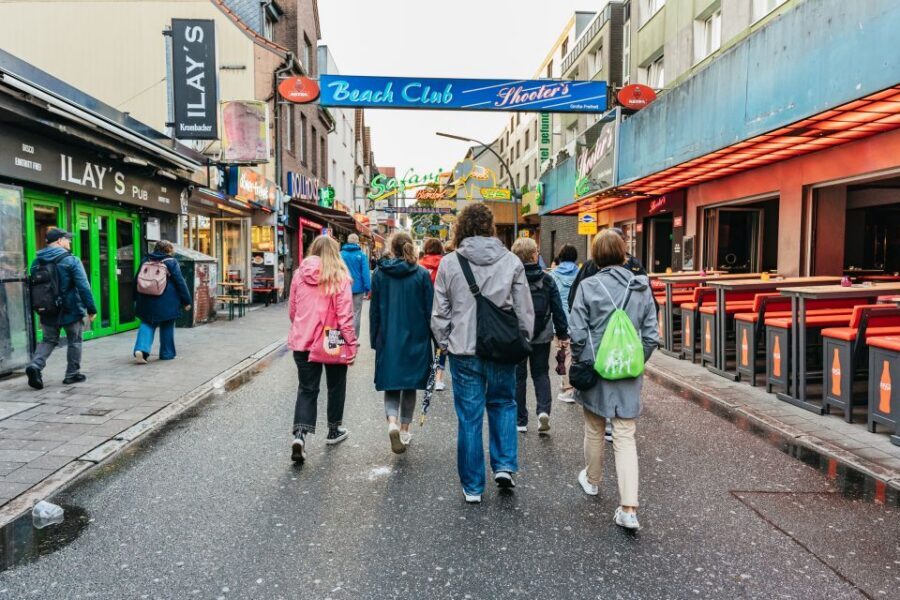
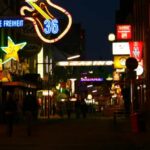
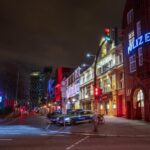
Right after that, you’re guided into an area with lots of restaurants and bars. That mix is important. Hamburg is not a museum city. The memorial connects to lived today: you can feel the city moving forward, even in the same zones where painful history is acknowledged.
Pace, weather, and the practical walking advice you’ll need
This is a walking tour, about 3 hours, and it runs in all weather. Hamburg weather can be windy. So I’d plan like this: layers you can remove, a light rain shell, and shoes with solid grip.
Also, don’t underestimate the psychological load of windy weather. It’s not only comfort—it affects how much you enjoy the details. When you’re fighting the wind, your brain stops paying attention to fine points like carved stonework or the feel of a historic street.
The good news: the tour can be adjusted. If you don’t like walking, you can order a taxi cab on the spot (you pay the taxi driver). And the private nature helps here. One guide named Jutta was noted for waiting for the group when the meeting place was hard to find, and for modifying the tour when some people struggled to keep up. That tells me the operator understands that not everyone walks at the same speed.
Price and value: $390 for up to 9 people
The price is $390.08 per group, for up to 9 people, for about 3 hours. If you divide it by a couple traveling together, it can feel high. If you’re traveling with a small group of 4–6 people, it often feels more reasonable, because you’re paying for a private guide and a focused route you don’t have to plan.
What you’re really buying isn’t just “someone walks with you.” You’re buying:
- a planned sequence of major sites in the right order,
- a guide who can connect port history, religion, architecture, and rebuilding,
- and the freedom to ask questions without feeling rushed.
From the feedback I saw, guides like Alexander and Maureen were praised for humor, personality, and adjusting to interests fast. One guide named George reportedly asked about interests quickly and customized the route. Another point: one person even mentioned ticketing help and directions back to their hotel after the tour. That kind of practical support is part of the value, because it saves time when you’re figuring out a new city.
Which kind of traveler should book?
This tour is best if you:
- like history explained with real-world examples (warehouses, churches, memorials),
- want big highlights without a hectic day,
- enjoy walking but can handle changing weather,
- and value a private guide who can tweak pace or focus.
It’s not ideal if you want zero walking or if you hate being outside in wind and drizzle. In that case, consider either shorter activities or plan to use the taxi option.
Should you book this Hamburg private walking tour?
If you want a shortcut to understanding Hamburg, I think this is a strong choice. You get the core story in one loop: Protestant-era church grandeur, global trade architecture in Speicherstadt, governance at Town Hall, modern waterfront planning in HafenCity, and a sober WWII memorial stop.
Book it if your group can walk for about 3 hours and you’d rather have a guide than self-guided wandering. Skip it only if walking in windy weather is a deal-breaker for you—because this is designed for feet, not just viewpoints.
If you do book, I’d show up ready for outdoor time: good shoes, layers, and a willingness to slow down when the guide asks you to look closer.
FAQ
How long is the Hamburg private guided walking tour?
It runs for about 3 hours.
How many people can be in one private group?
The maximum group size is 9 people per booking.
What language is the tour offered in?
The tour is offered in English.
Where does the tour start and end?
It starts at Rathaus (20095 Hamburg) and ends at Michaeliskirche (20459 Hamburg). The tour can also end at other locations if you want.
Do I need tickets or will I receive one on my phone?
You get a mobile ticket.
Is admission included for the main stops?
The listed stops include free admission for St. Michael’s Church, Speicherstadt, Hamburg Town Hall, and the other areas mentioned.
Does the tour run in bad weather?
Yes, it operates in all weather conditions. You should dress appropriately because Hamburg can be windy and conditions can change quickly.
What if someone in my group doesn’t like walking?
If you don’t like walking, you can order a taxi cab on the spot (payment is made directly to the taxi driver).
Are food and drinks included?
No. Food and drinks are not included.
Can I cancel for a full refund?
Yes. You can cancel up to 24 hours in advance for a full refund. Canceling less than 24 hours before the start time is not refundable.