REVIEW · HAMBURG
Hamburg: Guided Walking Tour
Book on GetYourGuide →Operated by Stattreisen Hamburg e.V. · Bookable on GetYourGuide
Hamburg’s port story is easy to walk. This 2-hour guided route strings together the city’s big contrasts: historic civic power, waterways that shape daily life, and a harbor that has kept evolving. You’ll go from the town hall area out toward the water and HafenCity, with stops built around major landmarks and what they mean for Hamburg’s merchant roots.
I love how the guide ties the scenery to the city’s development instead of just pointing at buildings. You’ll also get a strong dose of historic-to-modern contrasts, from classic sights toward the Elbphilharmonie and the changing waterfront.
One thing to plan for: this is a walking tour through busy central areas, and in crowded spots you’ll want to keep an eye out for where the guide is standing so you don’t lose the group.
In This Review
- Key highlights worth your time
- What you’re really buying for 21 dollars
- Starting at the Town Hall: how the tour gets you oriented
- Town Hall stop: why this landmark sets the tone
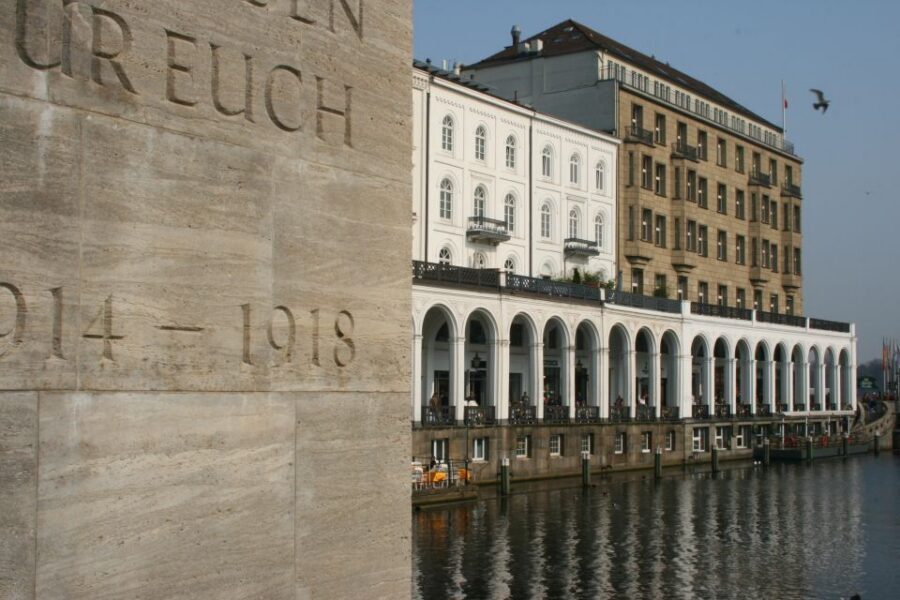
- Alsterarkaden and Jungfernstieg: the city’s elegant waterline
- Trostbrücke: a short stop with a big purpose
- St Nikolai Memorial: adding a human layer
- Deichstrasse: the corridor that leads you toward the warehouse era
- Speicherstadt: where the merchant past becomes a visitor experience
- Port facilities and the Kaiser-era thread: learning to read Hamburg’s waterfront
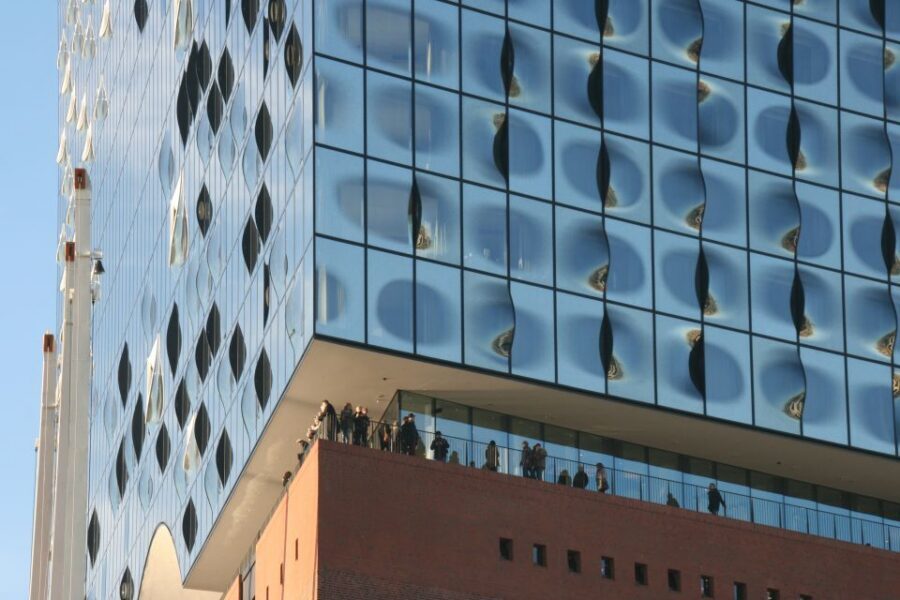
- Elbphilharmonie: modern architecture, big harbor views
- How to pace your day around a 2-hour walk
- Who this tour fits best
- Reviews I’d listen to before you book
- Should you book this Hamburg walking tour?
- FAQ
- How long is the Hamburg guided walking tour?
- Where do I meet the guide?
- What language is the tour guide?
- What’s included in the price?
- Are entrance fees included?
- Are snacks and beverages included?
- Is there free cancellation?
Key highlights worth your time
- Meet right at the Hamburg Town Hall entrance, so you start oriented and walk with a clear plan
- Inner Alster lake viewpoints and the elegant central waterfront streets
- Speicherstadt’s warehouse-world stops, including the Spice Museum area and other well-known attractions there
- Port history meets modern redevelopment, with a look at older harbor facilities turned into urban quarters
- HafenCity and harbor views, ending with a look toward Elbe-side modern architecture
What you’re really buying for 21 dollars
At $21 per person for a 2-hour walking tour, you’re not paying for a museum day. You’re paying for a trained guide who can connect multiple areas of Hamburg—city center, landmark waterfront, Speicherstadt, and HafenCity—into one understandable storyline.
That matters because Hamburg can feel split into “neighborhood worlds” if you visit solo. On foot with a guide, the jump from historic merchant activity to modern redevelopment makes more sense. You’ll also cover enough ground to see several major landmarks without spending your whole day on transport.
The tour is guided by a qualified, live German-speaking guide, and it’s designed as a walk (no snacks included, and entrance fees aren’t included either). That’s a good fit if you want structure, not ticket lines.
Other walking tours we've reviewed in Hamburg


Starting at the Town Hall: how the tour gets you oriented
The meeting point is in front of the main entrance of the Hamburg Town Hall. Starting here is smart. It gives you an anchor point right in the civic center, and from there you can understand how Hamburg’s identity formed around merchants, governance, and the rules of a sovereign city state.
From the first stop, you’re not just learning names. You’re getting context for why certain areas matter and why Hamburg developed the way it did. A guide-led opening like this helps you connect what you see later—especially once you reach the Speicherstadt and the harbor areas.
Practical tip: arrive a little early so you can locate the guide easily before the crowd thickens around the central landmarks.
Town Hall stop: why this landmark sets the tone
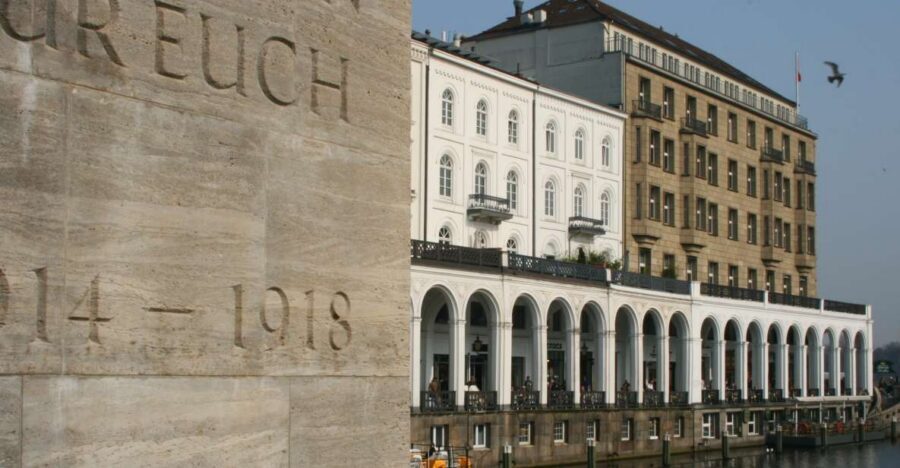
At the Town Hall stop, the tour frames Hamburg as more than a big northern city. The emphasis is on Hamburg’s history as a merchants’ town and its past as a sovereign city state. That explanation isn’t fluff—it’s the key that makes the rest of the walk click.
Once you understand the city’s governance and trade focus, the waterfront route starts to feel logical. You begin to see the tour not as a checklist, but as a path through how power and commerce shaped the city’s layout.
Alsterarkaden and Jungfernstieg: the city’s elegant waterline
Next you head to the Alsterarkaden and then Jungfernstieg. These stops are where Hamburg slows down visually. You get views tied to the inner Alster lake—an important detail because it’s not just background scenery. In a city like Hamburg, water is part of how people move, meet, and build public life.
I like that these stops sit in the middle of the route instead of being treated as a quick photo pause. The guide keeps tying the waterfront streets to the larger city picture, so the route feels connected rather than random.
You’ll also notice how the tour shifts tone at this point: from civic center story to waterfront rhythm. It’s a nice change of pace before the walk turns toward the harbor-side districts.
Trostbrücke: a short stop with a big purpose
At Trostbrücke, expect the guide to use the crossing point as a narrative link. Bridges on waterfront walks are more than routes. They’re where sightlines open up, and the city starts looking like a system of water, movement, and trade connections.
This is one of those “small” stops that can still be worth your attention because it helps your brain map the next areas. If you’re prone to getting lost in big-city touring, these bridge moments are where you rebuild your mental map.
Other walking tours we've reviewed in Hamburg





St Nikolai Memorial: adding a human layer
The tour then includes the St Nikolai Memorial. Even without turning it into a long detour, a memorial stop adds a different kind of meaning to a walking itinerary. It shifts the focus from architecture and redevelopment toward remembrance and the way cities carry past events into present identity.
This is also a reminder that Hamburg’s story isn’t only about commerce and construction. It’s about people and what the city has endured—so the later port-area redevelopment hits with a bit more weight.
If you like tours that balance big-picture “how it was built” stories with “what that history cost,” this stop plays that role.
Deichstrasse: the corridor that leads you toward the warehouse era
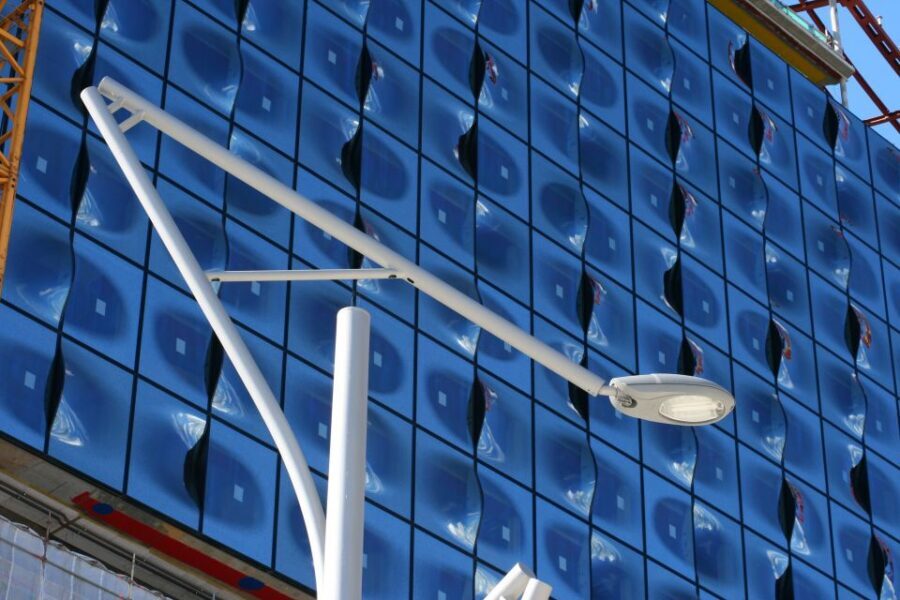
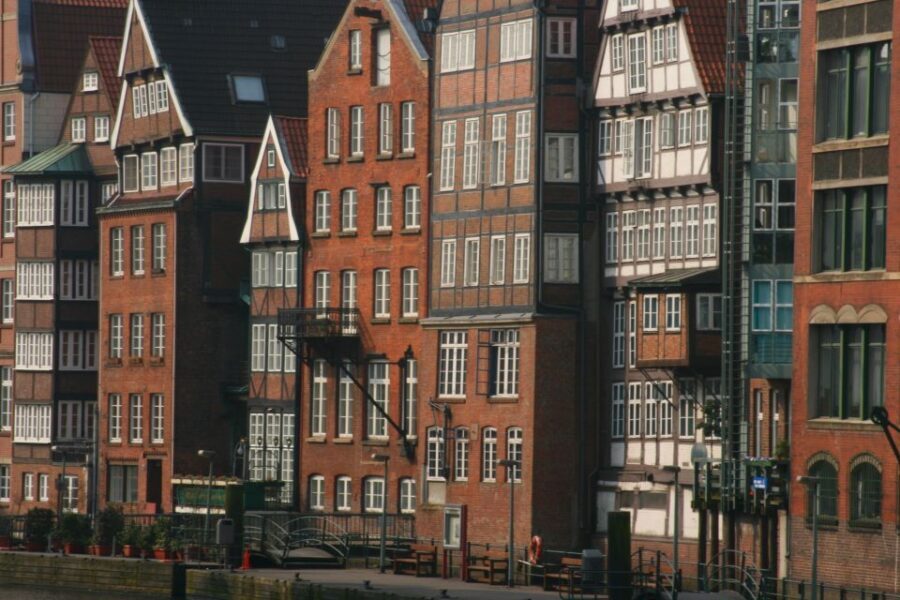
The walk continues along Deichstrasse. Streets like this are often where cities show their practical side—routes shaped by geography, water management, and older urban patterns. In Hamburg, you can feel the water influence in the way neighborhoods line up and how the harbor story eventually comes into view.
This is a good stop to use for adjusting your attention. If you’ve been focused on major monuments, Deichstrasse is a moment to notice the route itself: where the city feels older, how the street connects you to the next district, and how the guide’s story keeps building forward momentum.
Speicherstadt: where the merchant past becomes a visitor experience
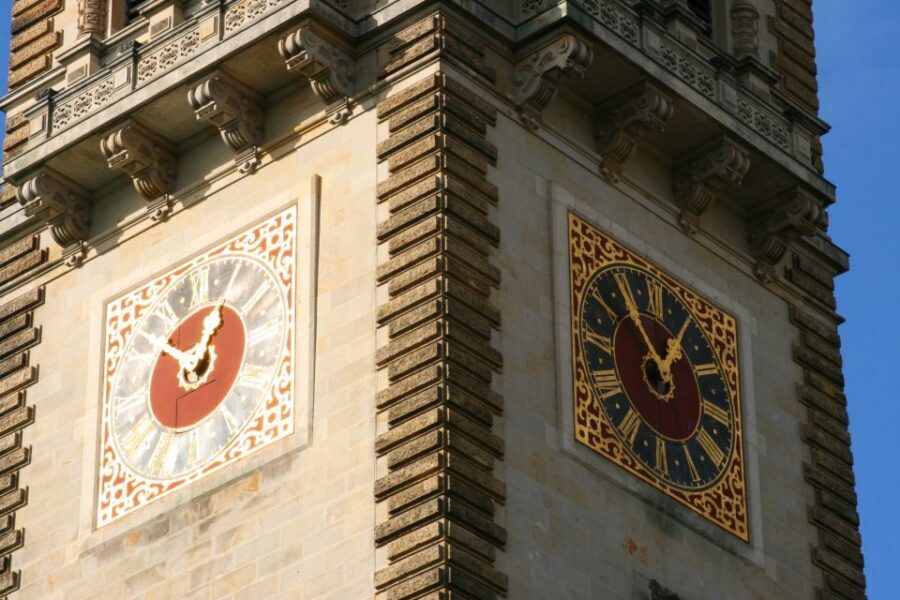
Then you reach Speicherstadt, the famous warehouse district. This is one of the tour’s biggest payoffs because it takes the abstract idea of merchants and trade and turns it into a specific place.
The tour frames Speicherstadt not as a dead historic zone, but as an active cultural area today. You’ll pass by points tied to major attractions, including:
- the Spice Museum
- the biggest model railway in the world
- the Hamburg Dungeon
Even if you don’t plan to enter any sites, seeing the district from outside works. It gives you a clear feel for why warehouses became such a signature part of Hamburg’s identity—and why this area still draws visitors.
What I like here: the walk doesn’t treat Speicherstadt as a single-photo stop. It’s used as the hinge between older port-world Hamburg and the redeveloped harbor quarters that come later.
Port facilities and the Kaiser-era thread: learning to read Hamburg’s waterfront
As the walk pushes closer to the harbor side, the guide’s story widens. You’ll get a look at port facilities dating to the reign of the Kaiser and how those older working structures have been turned into urban quarters.
This is where the tour earns its money. A lot of people visit harbor cities and take photos, but without context the waterfront can feel like one big view. Here, you’re learning how Hamburg transformed its industrial environment over time—without pretending that the past disappeared.
If you like your travel history connected to what you actually see, this is a strong stretch of the walk.
Elbphilharmonie: modern architecture, big harbor views
The final highlight is the Elbphilharmonie. This is the moment when Hamburg’s modern face becomes unmistakable. The tour uses it as a destination and as a way to tie together everything you learned on the way: merchants, development, rebuilding, and the city’s forward-facing architecture.
You’ll also get impressive harbor vistas as part of reaching this area. Even if you don’t go inside (entrance fees aren’t included), the surrounding public viewpoints matter. They help you understand why HafenCity and the Elbe-side redevelopment became such a major chapter in Hamburg’s story.
The walk ends at Am Sandtorkai 66, 20457 Hamburg, so you finish near the harbor atmosphere rather than back at the far side of the city.
How to pace your day around a 2-hour walk
Because the tour runs for 2 hours, it’s best if you don’t schedule it too tight right before something else requiring long transit. You’ll want a little breathing room after the finish point so you can linger for views or grab food nearby.
Also remember: snacks and beverages aren’t included. Bring a bottle of water, especially if you’re walking in warmer months.
Finally, this is a German-language tour. If your German is basic, you can still follow along through visible landmarks and the guide’s structure, but it helps to be comfortable catching the main ideas.
Who this tour fits best
This walking tour is a smart choice if you:
- want a structured overview of Hamburg without map-hopping all day
- like history explained through real places (not just dates)
- enjoy walking between major districts: civic center → inner waterways → warehouses → harbor redevelopment → HafenCity
It may be less ideal if you prefer long museum-style visits or want extensive indoor time. This is designed for movement and story while you walk.
If you’re someone who gets anxious in crowds, treat this as a “stick close to the guide” tour. Arrive early at the Town Hall meeting point and keep your position consistent during stops.
Reviews I’d listen to before you book
The strongest praise centers on the guide’s storytelling quality and clarity. Several comments highlight that the narration is interesting and well delivered, including supportive visuals during the talk. People also appreciated that it felt helpful and not overly long-winded.
The main drawback mentioned is practical: sometimes guides weren’t easy to spot clearly in the crowd, which can be stressful. If you’re booking, plan to take control of your own positioning—stand where you can easily see the guide, and double-check you’re in the right group early.
Should you book this Hamburg walking tour?
Yes, you should book it if you want a high-value, 2-hour “get the story” walk through Hamburg’s key districts. At $21, you’re paying for expert guidance that connects Hamburg’s merchant past, waterfront life, Speicherstadt’s warehouse identity, and the port-to-modern redevelopment transition all in one route.
You might skip or choose a different format if you want a self-paced tour with lots of flexible time inside museums, or if you dislike crowded walking segments. If that’s you, consider picking a time when the city center is less hectic and go in with a plan to stay close to your guide.
If you’re comfortable following directions, enjoying outdoor landmarks, and learning as you walk, this is a practical way to understand Hamburg fast.
FAQ
How long is the Hamburg guided walking tour?
The tour lasts 2 hours.
Where do I meet the guide?
You meet in front of the main entrance of the Town Hall.
What language is the tour guide?
The live tour guide speaks German.
What’s included in the price?
The price includes the walking tour and a qualified guide.
Are entrance fees included?
No. Entrance fees are not included.
Are snacks and beverages included?
No. Snacks and beverages are not included.
Is there free cancellation?
Yes. You can cancel up to 24 hours in advance for a full refund.