REVIEW · HAMBURG
Hamburg: 2-Hour St. Georg Walking Tour
Book on GetYourGuide →Operated by Hamburg Live Tours · Bookable on GetYourGuide
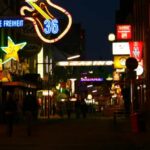
St. Georg tells stories in every doorway. This 2-hour Hamburg Live Tours walk takes you through the neighborhood near the main station, including the coffee-shop vibe of Lange Reihe and the quieter squares you’d miss on your own.
I especially like the way the guide uses the streets themselves as clues—what people built, where they gathered, and how the area changed—so it feels practical, not lecture-y.
You’ll also get a rare mix of topics in a small area, including Hamburg’s gay scene alongside other communities and places of worship. That blend makes the tour feel honest about modern Hamburg, not just postcard Hamburg.
The only catch: 2 hours is fast, so you’ll leave with a set of strong impressions and connections, not a super-deep history course on every single site.
In This Review
- Key things you’ll notice on this St. Georg walking tour
- Getting Oriented at Trinity Church in St. Georg
- Lange Reihe Cafés: Why This Street Sets the Tone
- Religions Close Together: Mosques and the Catholic Cathedral
- Main-Station Side Streets and the Red-Light District Context
- Hamburg’s Gay Scene and the Gay Village Walk
- What You Learn Beyond the Streets: Migrants, Minority Communities, and Student Revolt
- Timing and Pace: How Two Hours Works (and Doesn’t)
- Price and Value: Is $23 Worth It?
- Who This Tour Suits Best
- Should You Book This Hamburg St. Georg Walking Tour?
- FAQ
- How long is the Hamburg St. Georg walking tour?
- How much does the St. Georg tour cost?
- Where does the tour start?
- Where does the tour end?
- What’s included in the ticket price?
- What language is the tour guide?
- Can I reserve and pay later, or cancel for a refund?
Key things you’ll notice on this St. Georg walking tour
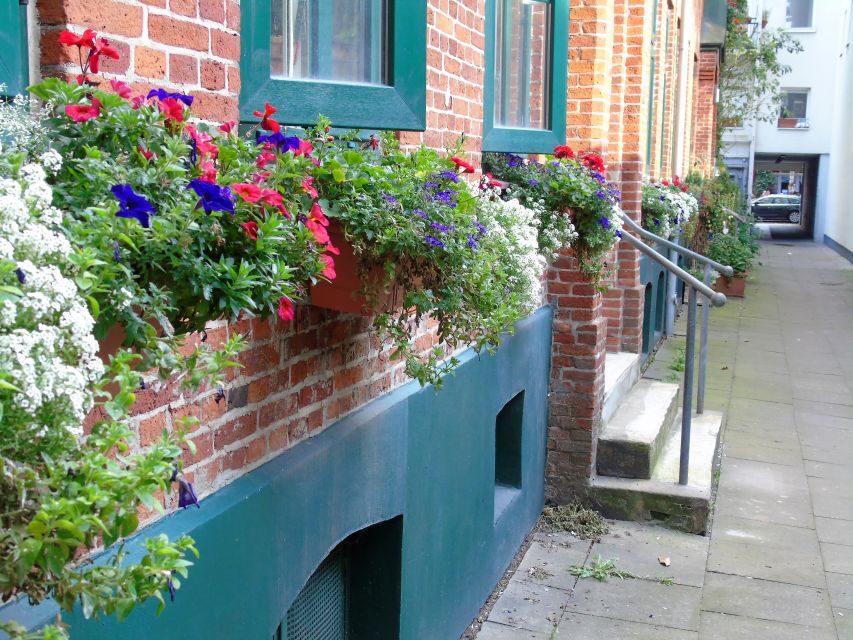
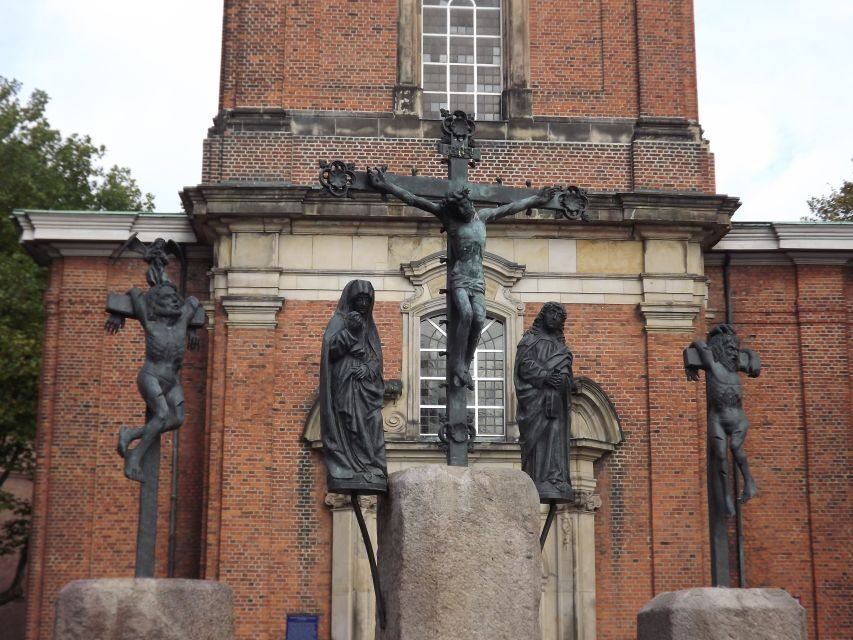
- Start at Trinity Church (St. Georg Kirchhof): You meet in front of the Crucifixion Group statue, right where the neighborhood energy begins.
- Lange Reihe coffee-shop culture: Expect a look at the trendy, everyday side of St. Georg, not just major sights.
- Religions side-by-side: You’ll pass mosques and a Catholic cathedral, and learn what that says about the area.
- Red-light district with context: You don’t just walk past it—you get the why behind the streets.
- Gay village visibility: The tour includes the LGBTQ scene as part of the neighborhood’s everyday reality.
Getting Oriented at Trinity Church in St. Georg
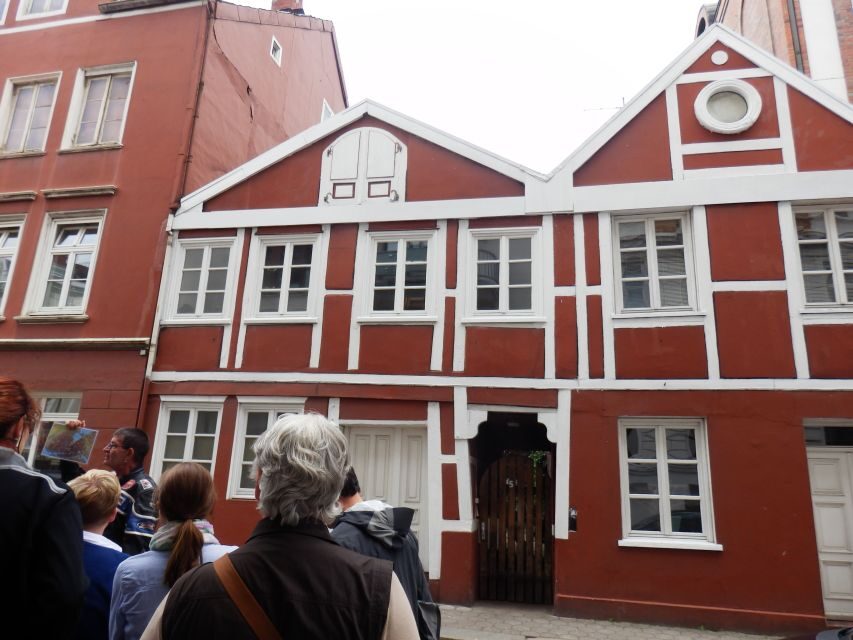
The tour begins at the Crucifixion Group statue in front of Trinity Church, St. Georg Kirchhof, 20099 Hamburg. That location matters. St. Georg can feel like a patchwork—busy, artsy, and international all at once—and starting at a landmark church helps you lock in orientation fast.
Right away, you’re set up for an “alternative Hamburg” experience: this is an area you can step into from the main-station side without hopping on a bus or committing to a long day. You’ll walk a compact route over two hours, with the guide shaping the story as you move.
I like that the meeting point is clear and specific. It’s easier to arrive with confidence and spend your first minutes actually paying attention, rather than trying to find the tour group.
Other food and culinary tours in Hamburg



Lange Reihe Cafés: Why This Street Sets the Tone
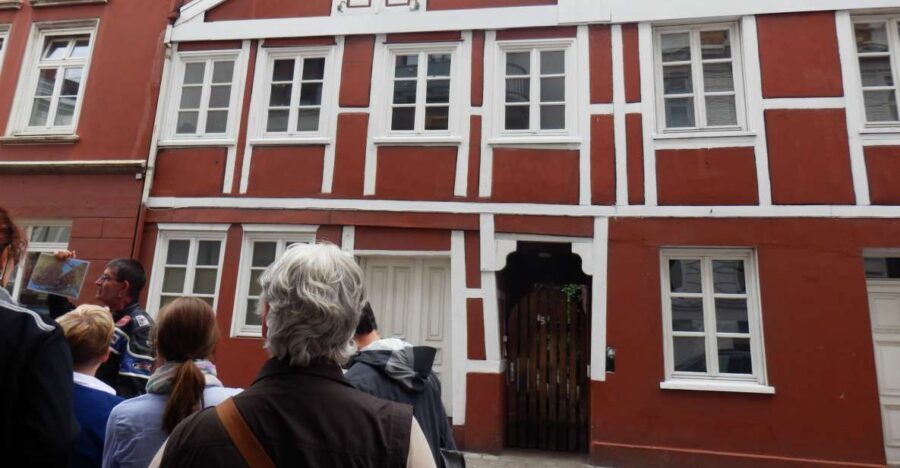
Lange Reihe is the tour’s quasi-center, and you’ll feel why in the first stretch. The focus isn’t just on buildings. It’s on the everyday street life—trendy coffee shops and the kind of casual hangout culture that makes St. Georg feel current.
This is a smart choice for a walking tour. Cafés create natural “pause points.” Even when you don’t stop for a drink, the street rhythm gives you a break from constant movement and helps you absorb what the guide is connecting: how migration, youth culture, and changing neighborhoods create new social spaces.
One practical tip for getting more from this part: pay attention to who’s using the street. Whether you’re looking at groups outside cafés or the flow of people moving toward or away from the station, it helps you understand the “neighborhood” feeling the guide is pointing to.
Religions Close Together: Mosques and the Catholic Cathedral
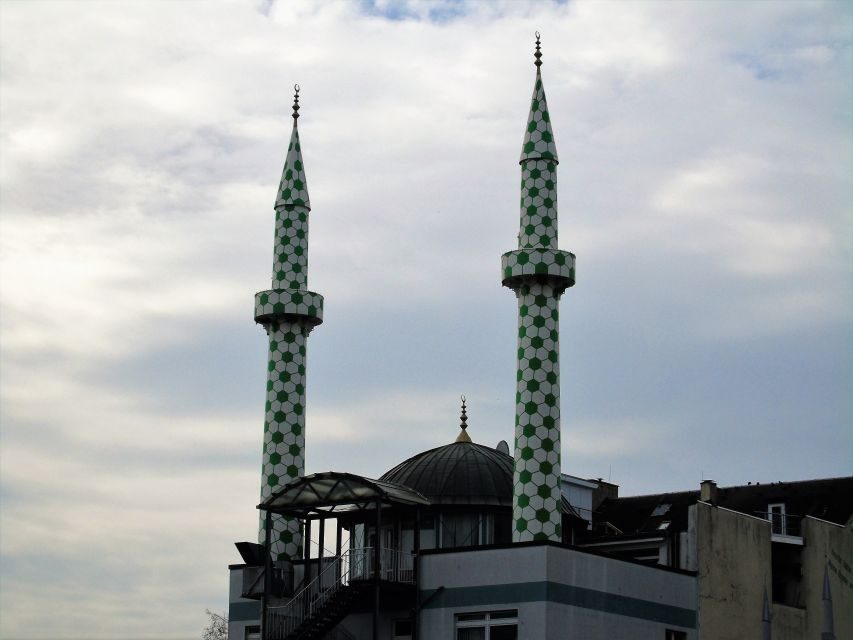
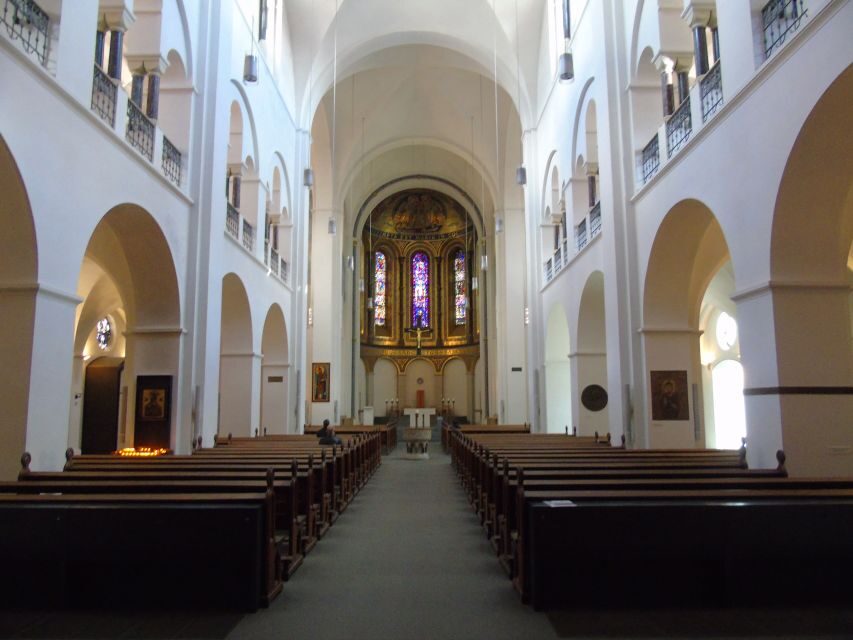
St. Georg is a small geography with big cultural variety. On this walk, you’ll learn about multiple religions in the area, including mosques and the Catholic Cathedral. The value here isn’t the fact that you see religious buildings—it’s how the guide connects them to migration and community life.
When you visit neighborhoods like this on your own, you can miss the meaning of what you’re seeing. A mosque isn’t only a landmark. A cathedral isn’t only architecture. Together, they become markers for who arrived, who stayed, and how public life adapted over time.
This part of the tour is especially useful if you like history but prefer it told through places, not through timelines. You get to connect religion with everyday visibility—who prays, who gathers, and how communities are present in the same streets rather than sealed off from one another.
Main-Station Side Streets and the Red-Light District Context
The tour doesn’t avoid the complicated corners of St. Georg. You’ll explore the redlight district and hear context around what you’re seeing. That matters. Walking past adult-oriented streets without explanation can leave you with the wrong impression, or just discomfort without understanding.
Here, the guide frames it as part of the neighborhood’s story—how urban change, populations, and social pressures shape the street level. In other words, you’re not treating the area like a scandal reel. You’re treating it like a city district with dynamics, not just “sensational” sights.
A consideration: the tour is described as an alternative view of Hamburg, and it includes topics that can feel sensitive depending on your comfort level. If you’re looking for a strictly family-friendly stroll with zero adult-theme proximity, this may not match what you want.
Hamburg’s Gay Scene and the Gay Village Walk
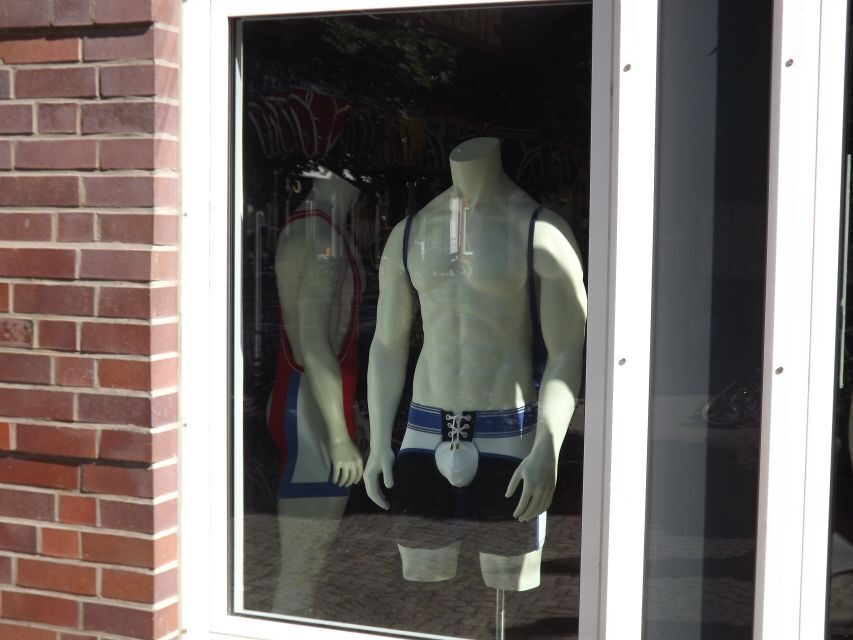
One of the standout themes is the gay scene—including the Gay village as part of the neighborhood route. This is handled as neighborhood culture, not as a separate “tourist attraction.” You’re shown how LGBTQ presence is part of the local street identity, mixed into the same urban fabric as students, migrants, and religious minorities.
I like that the tour signals this openly as a goal. You’re not waiting for the guide to “find it” later. Instead, the guide sets expectations early that St. Georg includes LGBTQ spaces and that they belong in the story of Hamburg.
If you’re queer, this kind of walk can feel like you’re getting your bearings in a new place with less guessing and more context. If you’re visiting as an ally, it can help you understand what “community visibility” looks like when it’s built into daily life.
Other walking tours we've reviewed in Hamburg






What You Learn Beyond the Streets: Migrants, Minority Communities, and Student Revolt
The route is more than a set of stops. The guide links St. Georg to German change over time—especially themes like migrants, religious minorities, and student revolt. That trio gives you a fuller picture than “this is a trendy area” alone.
Here’s why that matters for you: it helps translate what you see into something you can carry home. You’ll likely notice how an area near a major transit point can keep absorbing new people and new ideas. That creates social mixing, new businesses (like the cafés on Lange Reihe), and shifting public visibility for different communities.
Also, when the tour talks about student revolt, it pushes beyond the usual “old buildings” version of history. Instead, it connects the neighborhood to youth energy and political change—ideas that often show up first in city districts where people can afford to live, gather, experiment, and argue.
Timing and Pace: How Two Hours Works (and Doesn’t)
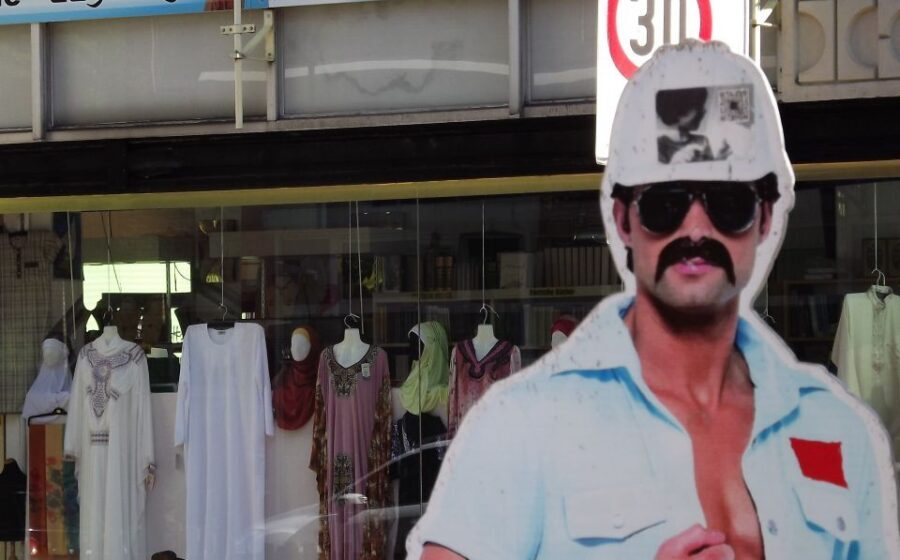
This is a 2-hour guided walking tour. That’s a sweet spot for orientation: enough time to see multiple parts of St. Georg in sequence, but short enough that you can still use the day for other Hamburg must-dos.
The drawback is simple: two hours means you’ll get snapshots. You won’t have time for long, site-by-site deep dives into architecture, theology, or the full political story behind every theme. If you’re the kind of traveler who wants maximum detail per stop, plan to follow up with a self-guided read later.
Still, as an introduction to an alternative side of Hamburg, two hours is a good match. It’s long enough to feel like you “got it,” and short enough that you don’t get tired before the best parts of the route show up.
Price and Value: Is $23 Worth It?
The price is $23 per person. For a two-hour, live-guide walking tour covering multiple neighborhood themes—religions, the red-light district, the gay village, and the coffee-shop street culture—that cost feels fair.
You’re paying for three things:
- A local guide in German who can explain what you’re seeing.
- A route that strings together very different parts of St. Georg so they make sense as one picture.
- The interpretation layer—turning a walk into context, especially around sensitive or easily misunderstood areas.
Value depends on your style. If you enjoy wandering but hate spending time figuring out what everything means, this kind of tour is worth it. If you already know the neighborhood well, you might find the same streets on your own. But if you want the quick “why” behind what you’re looking at, the guide’s job is exactly what you’re getting for $23.
One more practical note: it’s listed with free cancellation up to 24 hours in advance and reserve-and-pay-later. That’s helpful if you’re building a flexible Hamburg schedule around weather or other bookings.
Who This Tour Suits Best
This walking tour is a strong fit if you want:
- An alternative side of Hamburg away from only the busiest main streets
- A compact overview of how a central neighborhood can hold different communities at once
- A guide-led explanation that covers the area’s religious variety, migrant presence, and social changes
It’s also a good pick if you like urban life more than monuments. You’ll spend your time on streets, squares, and neighborhood cues like Lange Reihe’s café scene.
The biggest “maybe” is language. The live guide is listed as German. If your German is limited, you might still catch a lot visually, but you’ll lose some of the story. In that case, consider whether you’re comfortable learning from partial understanding—or whether you should look for an English-language option elsewhere.
Should You Book This Hamburg St. Georg Walking Tour?
Book it if you want a smart, two-hour orientation to St. Georg that’s honest about modern Hamburg: coffee-shop street life, multiple religions in close proximity, and the LGBTQ scene included as part of the neighborhood. The overall rating is 4.8 (based on 11 reviews), and the feedback emphasizes clear, informative guiding with insider knowledge and a personal touch.
Skip it (or think twice) if you’re seeking a gentle, purely scenic walk with no adult-theme proximity. This tour includes the red-light district, and that can affect comfort depending on your preferences.
If you’re aiming for an authentic Hamburg day that feels like you’re learning the city rather than just collecting photos, this is a solid choice.
FAQ
How long is the Hamburg St. Georg walking tour?
It’s a 2-hour guided walking tour.
How much does the St. Georg tour cost?
The price is $23 per person.
Where does the tour start?
You start at the Crucifixion Group statue in front of Trinity Church, St. Georg Kirchhof 20099 Hamburg.
Where does the tour end?
The tour ends back at the meeting point.
What’s included in the ticket price?
A 2-hour guided tour with a local guide is included.
What language is the tour guide?
The live tour guide is listed as German.
Can I reserve and pay later, or cancel for a refund?
Yes. It’s reserve now & pay later, and free cancellation is available up to 24 hours in advance for a full refund.