REVIEW · HAMBURG
English Harbor&St.Pauli Pay-What-You-Want Walking Tour
Book on GetYourGuide →Operated by Robin and the Tourguides · Bookable on GetYourGuide
Hamburg has a dark side worth walking. This St. Pauli and harbor route blends port history with real street-level tales, guided in English by people like Victor, and sometimes Kalvin. I especially like how the stories connect places you can see today to the politics that shaped the neighborhood.
I also like the practical flow: you start at Landungsbrücken, make a stop at the famous Fish Market early on Sundays, then keep moving through the Reeperbahn to Davidwache in about two hours. The only real catch is content level. Expect stories about prostitution, pimps, and serious crimes, so this is not a gentle “only pretty sights” kind of tour.
In This Review
- Quick reasons this walk hits
- Getting to Landungsbrücken No. 5 (and why the location matters)
- Hamburg Harbor: Europe’s third largest port, explained on foot
- Fish Market early on Sundays: the stop you’ll remember
- St. Pauli’s park walk: squat culture and political leanings
- Reeperbahn: the Beatles began in 1960
- Herbertstraße stories: turning scandal into street-level history
- Davidwache finish: watching St. Pauli transition in real time
- Price and the pay-what-you-want reality: is it good value?
- Who should book (and who should skip)?
- Should you book this Hamburg Harbor & St. Pauli walking tour?
- FAQ
- Where do I meet for the tour?
- How long is the tour?
- What times does the tour start?
- What language is the guide?
- How much does it cost?
- What will we see during the walk?
- When does the Fish Market stop happen?
- What should I wear or bring?
- Are there rules about food, drink, or behavior?
- Is the tour wheelchair accessible?
Quick reasons this walk hits
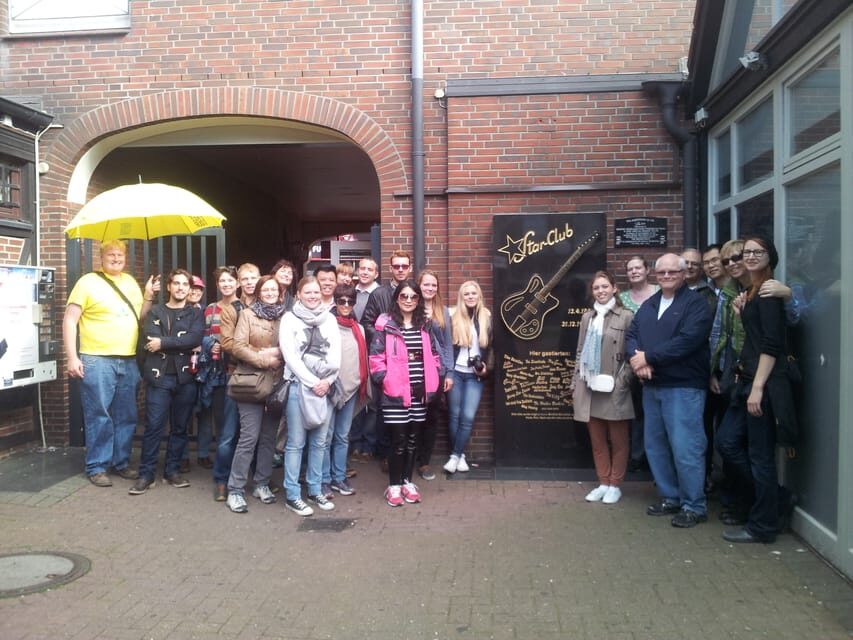
- Landungsbrücken start near Hard Rock Cafe: easy to find, right where the harbor feels alive
- Europe’s third largest port context: you’ll know what you’re looking at, not just where it is
- Fish Market early Sunday hours: you see the place when it’s actually happening
- St. Pauli politics and squat culture: the neighborhood has reasons, not just stereotypes
- Reeperbahn and Beatles origins (1960): pop-culture history with street realism
- Davidwache ending point: a clear “where things changed” finale
Getting to Landungsbrücken No. 5 (and why the location matters)
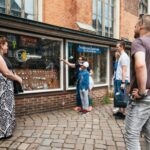
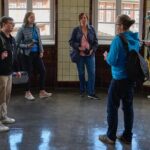
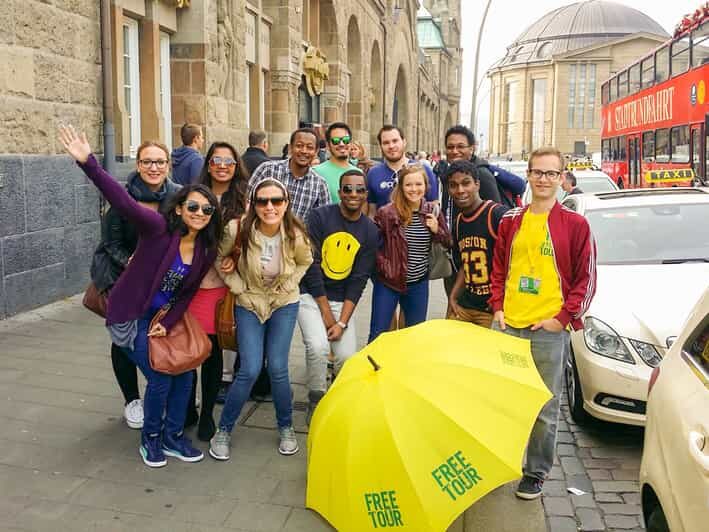
The tour meets at Landungsbrücken bridge number 5, right next to the Hard Rock Cafe. Look for the yellow umbrellas and you’ll spot the group fast. This start point is more than convenient. It puts you at the edge where Hamburg’s working harbor meets the city’s nightlife zone—so the guide can pivot naturally from ships and trade to the street culture that grew up alongside them.
Once you’re moving, you’ll feel the rhythm of the area through details that most quick self-guided walks miss. The harbor side is all about scale and function. St. Pauli is about people, tension, and constant reinvention. By the time you reach the first real neighborhood stories, you’ll already understand why the geography matters.
One more practical note: this is a rain-or-shine walk (even hail is mentioned), so bring weather gear and plan on being outside. Comfortable shoes are not optional. The route is paced for walking and talking, not for museum stops.
Other Reeperbahn and St. Pauli tours we've reviewed in Hamburg
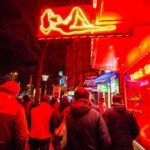


Hamburg Harbor: Europe’s third largest port, explained on foot
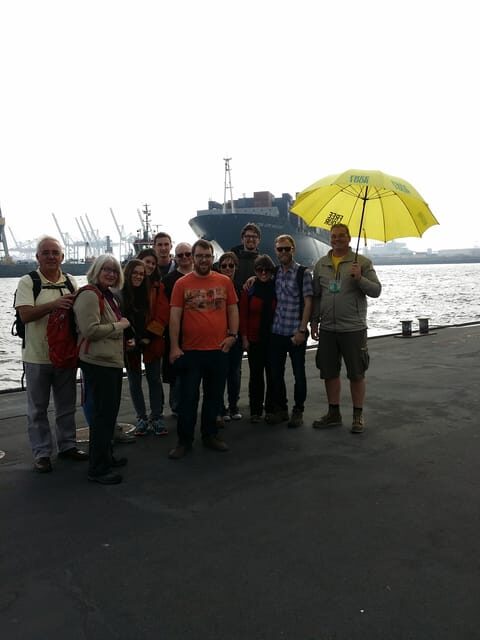
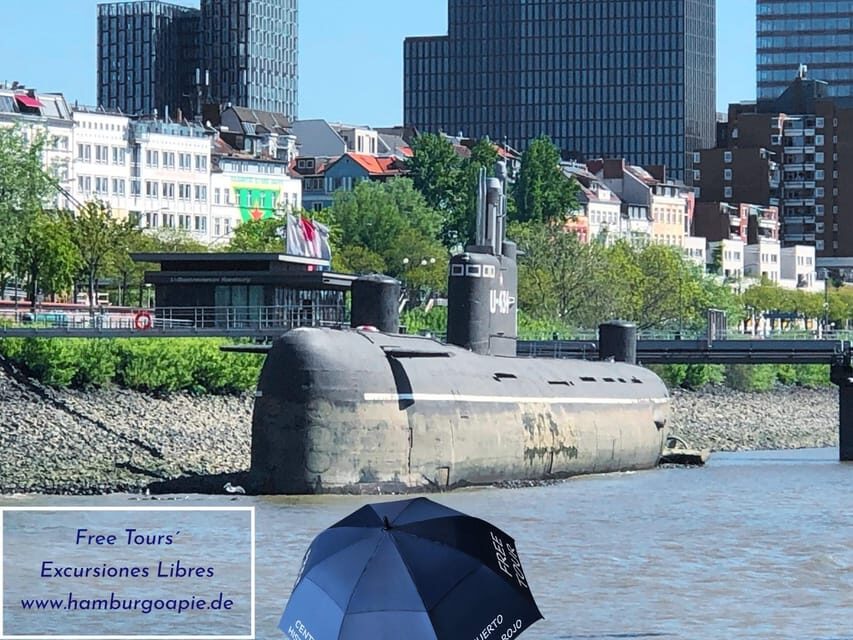
The tour kicks off with Hamburg Harbor. You’ll learn what makes it such a heavyweight in Europe—specifically that it’s Europe’s third largest port—and you’ll get context for why a place like this shapes a city. Ports bring motion: goods, workers, money, and movement of people. That mix has effects far beyond shipping manifests.
What I like about this approach is that you’re not just hearing trivia. The guide uses the harbor setting to explain how trade and daily labor fed the surrounding neighborhoods—economically and socially. It’s the kind of information that changes how you see the buildings, waterfront views, and the general “working” feel of the space.
You’ll also get an easy lesson in reading the port area. Even without going inside any building, you’ll start to recognize what’s functional, what’s historic, and what has become part of the modern tourist face. That matters because the later stops in St. Pauli can feel shocking if you treat them as random scandal. Here, the guide frames it as part of a larger system: city growth, politics, and human need.
Fish Market early on Sundays: the stop you’ll remember
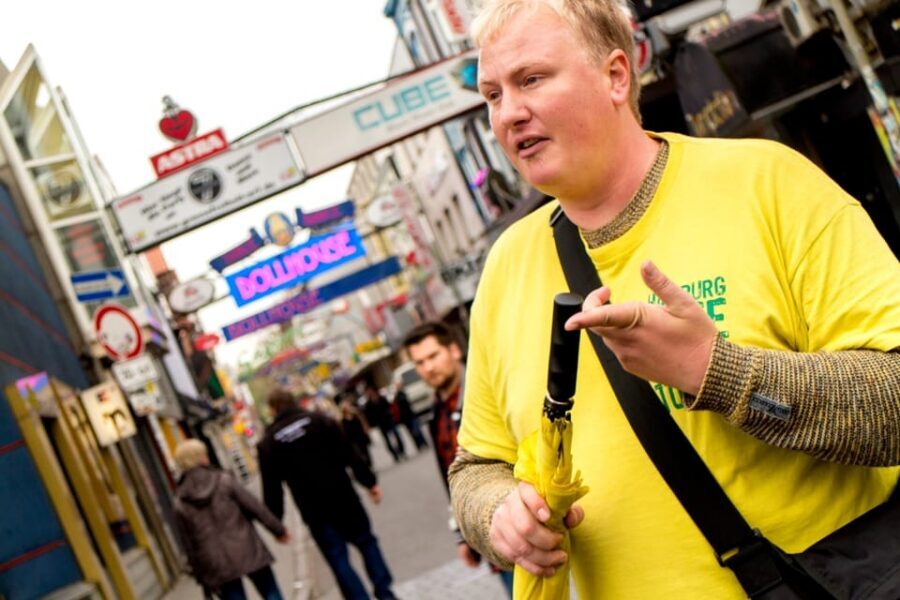
From Landungsbrücken you’ll walk toward the Fish Market, which the tour highlights as one of Hamburg’s best-known markets. The key detail is timing: it comes alive early on Sunday morning. If you’re scheduling this, that Sunday-morning note is big. It changes the vibe from a quiet landmark to a place with energy and street-life.
Even if you don’t plan to buy anything, this is the kind of stop that helps you understand local culture through daily routines. A market like this is where locals settle disputes with bargaining and tradition—where you learn that food markets are social hubs, not just shopping stops. The guide’s job is to connect the early-hour setting to the story of the neighborhood around it.
For you, this is also a useful break in tone. After the harbor and before the heavier St. Pauli stories, the Fish Market stop lets you transition into the human side of Hamburg: working life, food, and the early hours that shape city character.
If you hate early mornings, plan your schedule carefully. This tour’s most animated market moment is tied to Sunday.
St. Pauli’s park walk: squat culture and political leanings
After the market area, the tour moves through a park and into St. Pauli’s deeper backstory. This is where you’ll hear about squat culture and the neighborhood’s strong political leanings. The guide isn’t using politics as an abstract lecture. They tie it to what the area became and why it keeps changing.
I like this part because it puts St. Pauli’s reputation into context. If you only know it from nightlife headlines, it can feel like the whole district is built on one thing. Here, you see how the identity formed through resistance, community, and conflict over time. That helps you interpret the street atmosphere later, especially when the tour turns toward the Reeperbahn’s reputation.
This section also helps you read the district as a place with layers. You’ll notice how the physical layout—parks, streets, and transitions—supports that sense of shifting boundaries. St. Pauli isn’t frozen in time. The guide makes that clear before you reach the most famous streets.
Reeperbahn: the Beatles began in 1960
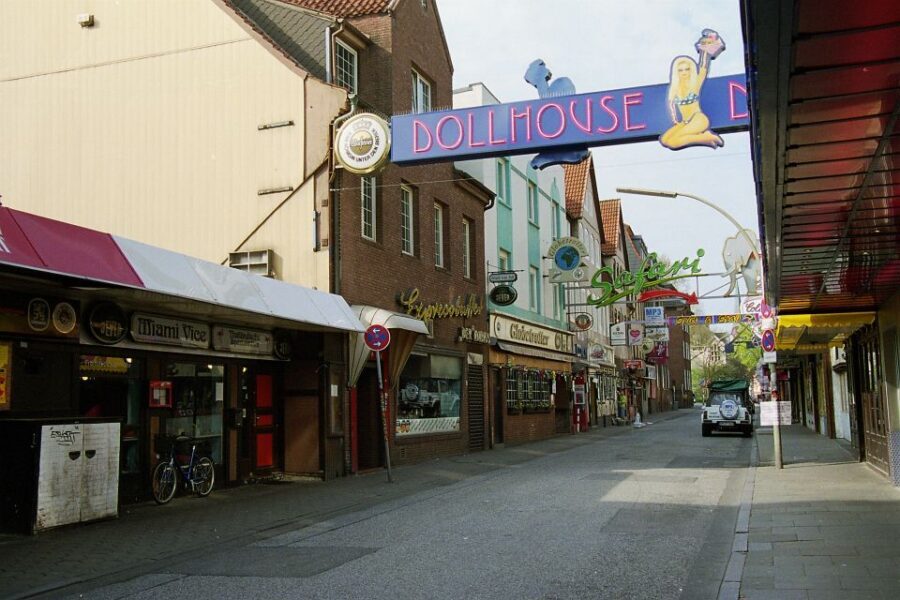
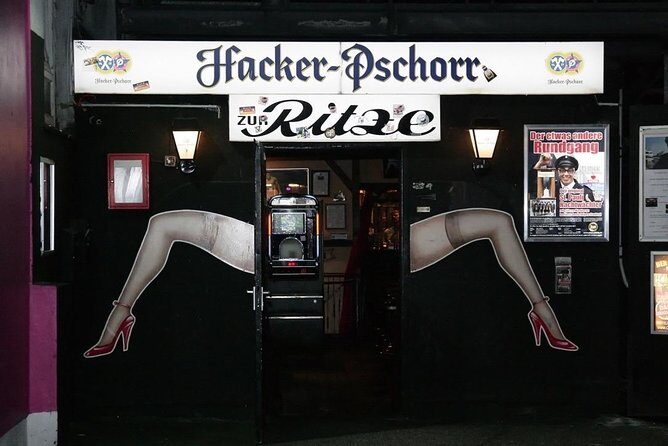
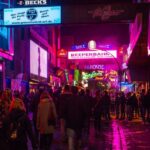
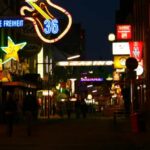
Then comes the Reeperbahn, often called the most sinful mile in all of Germany. You’ll walk it with a guide explaining why it’s famous and how it got that way. The standout detail is music history: this is where the Beatles began their career in 1960.
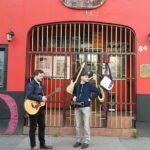
That Beatles anchor does something smart for your experience. It gives you a bright cultural doorway into a street that’s known for darker reputation. You’re not only hearing about vice. You’re seeing how a street like this can also be a stage for performers, crowds, and the ordinary mechanics of show business.
As you walk, the guide shares stories that include pimps and prostitutes tied to specific locations such as Herbertstraße. There are also mentions of famous mass-murderers connected to the area. I’m calling this out because it shapes the tone: this is not a sanitised picture. The guide uses the street’s past to explain why the reputation became what it is.
If you’re sensitive to crime and adult themes, treat this section like a warning label, not a surprise. Bring the right mindset. You can still enjoy it as urban history, but don’t come expecting playful sightseeing.
Other harbor and port cruises in Hamburg



Herbertstraße stories: turning scandal into street-level history
One of the strongest parts of this tour is how the guide uses details like Herbertstraße to connect famous names, infamous crimes, and the district’s evolving identity. You’ll hear about the characters people associate with the area—prostitutes, pimps, and murder cases—but the bigger goal is understanding why these stories stuck and how they shaped the way St. Pauli is seen.
Here’s what you should take from it: street reputations don’t appear out of nowhere. They’re built through social conditions, policing, politics, and the way people use the streets for survival and business. When the guide tells these stories, it’s not only shock value. It’s a framework for reading urban life.
Also, because the group stays on foot for about two hours, the guide has time to pace the story. You’ll hear it in chunks while moving between points, which keeps you from getting lost in one heavy topic for too long. If you like walking tours that actually explain how a place developed—not just what it looks like—you’ll probably feel satisfied here.
Davidwache finish: watching St. Pauli transition in real time
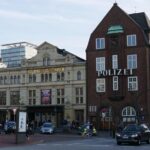
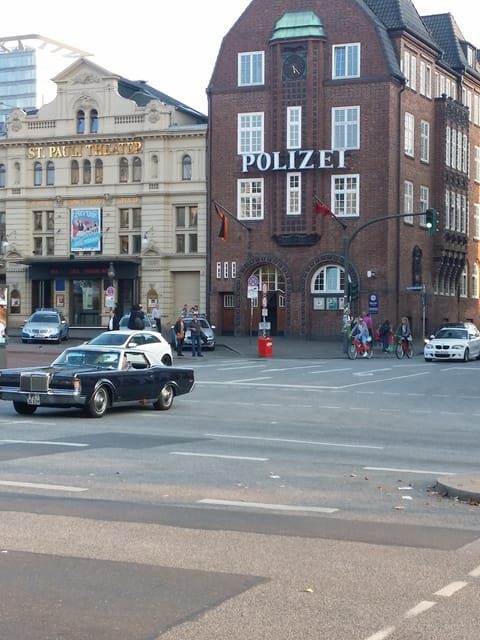
The tour ends at Davidwache, where your guide points out the district’s interesting transitions. This is a smart ending. You’ve spent the walk absorbing contrasting stories: harbor function, market rhythms, political movement, and the famous nightlife street. Finishing at Davidwache gives you a moment to stitch it together.
You’ll leave with a clearer sense of how St. Pauli shifts. Some parts are about spectacle, some are about survival, and some are about identity politics. That mix is why the area stays in motion rather than settling into one fixed image.
For me, this ending point matters because it’s where you can pause and look back at what you’ve walked through. You’re not finished just because the tour ends. You’re finished with a guided lens, and you can keep exploring with better context.
Price and the pay-what-you-want reality: is it good value?
The listed price is $3.40 per person, and the guide runs on a pay-what-you-want model. Here’s how to think about value without overthinking it: you’re paying for an English live guide plus a structured route that links big landmarks—Landungsbrücken, Fish Market, Reeperbahn, Davidwache—into a story you can’t easily get from casual wandering.
A two-hour walking tour can be short, but this one uses time well. It covers multiple “faces” of Hamburg in one loop: working port context, early Sunday market life, political St. Pauli background, and the Reeperbahn’s pop-culture and underworld associations.
Because the guide is the main included item, consider your tip amount like part of the ticket cost. If you enjoy the storytelling and clarity, pay fairly. If you’re unsure, at least plan for a reasonable contribution. Pay-what-you-want works best when you treat the guide like a professional.
Who should book (and who should skip)?
This tour suits you if you like stories tied to real places, not generic history. It’s especially good for people who enjoy urban character, working waterfronts, and neighborhood politics. If the Beatles and the Reeperbahn are part of your Hamburg must-do list, this will feel like a direct route from music history to the street that created it.
It’s also a good fit if you travel with curiosity and you can handle moral discomfort as long as it comes with context.
Skip it if:
- you want a gentle, family-friendly overview of the city
- you don’t want to hear about prostitution, pimps, and serious crimes
- you prefer indoor stops or a slower pace with lighter topics
One more real-world check: the tour is described as wheelchair accessible, but it’s also listed as not suitable for people with mobility impairments. If mobility affects your plans, I’d confirm details directly before booking so you know what walking portions will be required.
Should you book this Hamburg Harbor & St. Pauli walking tour?
Yes—if you’re in Hamburg for more than the postcard version. This is the kind of tour that helps you understand how a waterfront city can produce both work and controversy, both culture and conflict. Starting at Landungsbrücken and ending at Davidwache gives you an efficient, human-sized route with meaningful context at every turn.
Book it if you can handle adult themes and want a guide who tells the story in a way that makes the streets make sense. If that content level sounds stressful, look for a different walking tour that keeps things lighter.
If you do book, wear solid shoes, dress for bad weather, and bring an open mind. The best reward here is not shock. It’s clarity about why St. Pauli became St. Pauli—and how Hamburg’s harbor culture ties into the city’s reputation.
FAQ
Where do I meet for the tour?
The meeting point is at Landungsbrücken bridge number 5, next to the Hard Rock Cafe. Look for the yellow umbrellas.
How long is the tour?
The tour lasts about 2 hours.
What times does the tour start?
Starting times depend on availability. You’ll need to check what’s offered when you book.
What language is the guide?
The live guide speaks English.
How much does it cost?
The listed price is $3.40 per person. The guide payment is pay-what-you-want (not included in the listed price).
What will we see during the walk?
You’ll cover Hamburg Harbor, the Fish Market (early on Sunday mornings), St. Pauli including the red light district area, the Reeperbahn (with Beatles origins in 1960), and you’ll finish at Davidwache.
When does the Fish Market stop happen?
The Fish Market is visited in the early hours of Sunday morning.
What should I wear or bring?
Wear comfortable shoes and weather-appropriate clothing, since the tour proceeds in rain, hail, or shine.
Are there rules about food, drink, or behavior?
Yes. Intoxication is not allowed, and alcohol and drugs are not allowed. You also can’t bring weapons or sharp objects, glass objects, or litter.
Is the tour wheelchair accessible?
It’s described as wheelchair accessible, but it is also listed as not suitable for people with mobility impairments. If that applies to you, confirm the practical walking requirements with the provider before booking.
If you want, tell me your travel month and whether you’re free on a Sunday morning, and I’ll help you decide which day fits the Fish Market stop best.