REVIEW · HAMBURG
Bicycle tour through the “other” Hamburg (min.4)
Book on Viator →Operated by Sightseeingforyou · Bookable on Viator
Hamburg changes fast when you ride. This Other Hamburg bike tour gives you a focused guide with solid knowledge and easy routing, plus helpful bilingual answers when questions pop up. The main thing to consider: you need moderate physical fitness and good weather for the full experience.
I like how the route shifts between worlds in a practical way, not just from a textbook. You’ll pass places tied to fine society, then areas linked with drugs and prostitution, and also the autonomous and artists’ scene around Sternschanze and the Schanzen. The small group size (up to 20) keeps it manageable, but it still moves like a real bike tour.
In This Review
- Key Highlights You Can Expect on This Ride
- Why This Other Hamburg Bike Tour Works So Well
- Starting Point at Schlüterstraße 11: Easy to Get In, Easy to Leave
- Biking Toward Sternschanze: From Fine Society to the Edge
- Crossing Symbolically Into Grassroots Democratic Living
- Schröderstift and Sternschanzenpark: A Needed Breather
- Riding Through the Schanzen District: Alternative Culture You Can See
- St. Pauli Harbor Road and the Portuguese Quarter: Where the Story Turns Practical
- The 1920s Office Buildings and the Chilehaus Moment
- Heading to St. Georg: Multicultural Life With Real Contrast
- Inner Alster, Kennedy Bridge, and the City Panorama Stretch
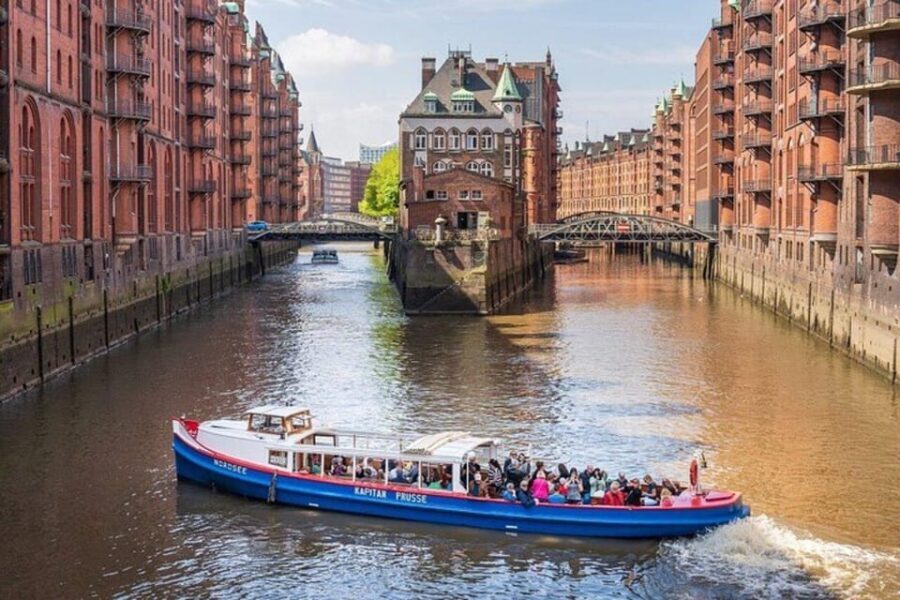
- Lombards Bridge: Rowing Clubs and Consulates at the Water’s Edge
- Price Value: Why $40.52 for 3.5 Hours Can Make Sense
- Who This Tour Suits Best
- Weather and Timing: Plan for the Day, Not the Spreadsheet
- Should You Book This Other Hamburg Bike Tour?
- FAQ
- How long is the bike tour?
- Where does the tour start and end?
- What is the price per person?
- Do I need good weather?
- How big is the group?
- Is the tour near public transportation?
- What cancellation options do I have?
Key Highlights You Can Expect on This Ride
- A guide who answers and switches languages so your questions actually get addressed
- An easy-flowing route that still covers major districts in one afternoon
- Street-level contrast from Sternschanze to St. Pauli to St. Georg without jumping on/off transit
- Landmarks that anchor the story, from the Schröderstift area to the Chilehaus
- Water-and-city views around the Inner Alster and bridges like Kennedy Bridge and Lombards Bridge
Why This Other Hamburg Bike Tour Works So Well
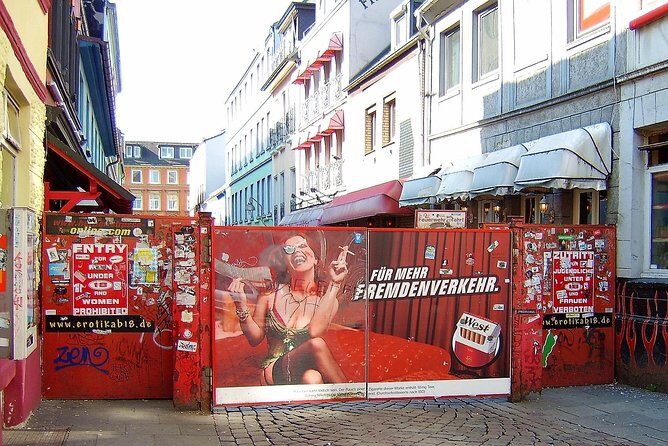
If you think Hamburg is only warehouses, canals, and postcard scenery, this tour quietly corrects that. You’ll bike through the city’s “in-between” zones: more formal streets on one stretch, then neighborhoods where alternative culture shows up in everyday life. It’s not about chasing spectacle. It’s about understanding how different communities share the same city space—and how the bike makes those shifts feel immediate.
I especially like that the ride is built for flow. You get movement plus time to look. And because the guide is bilingual and responds to participant questions, you’re not stuck passively listening while the group strings out.
The route also helps you read the city. You’ll cross from a more “official” feel toward areas associated with grassroots democratic living and local alternative culture. Then you’ll keep going until the scenery opens up around water and bridges. That arc is the point: you learn Hamburg by cycling it.
Other bike and cycling tours in Hamburg

Starting Point at Schlüterstraße 11: Easy to Get In, Easy to Leave
The meeting spot is Schlüterstraße 11 (20146 Hamburg), and the activity ends back there. That matters more than it sounds. You’re not dealing with the “where do I go now?” stress when a tour finishes.
You’ll also be near public transportation, which helps if you’re combining this with other plans that day. It’s a good setup for a half-day adventure, and it keeps logistics simple if your timing is tight.
One more practical detail: the tour uses a mobile ticket, so you’ll want your phone charged and ready. If you’re the type who hates last-minute phone screen scrambling, just treat the day like any other mobile ticket event—download early and you’re set.
Biking Toward Sternschanze: From Fine Society to the Edge
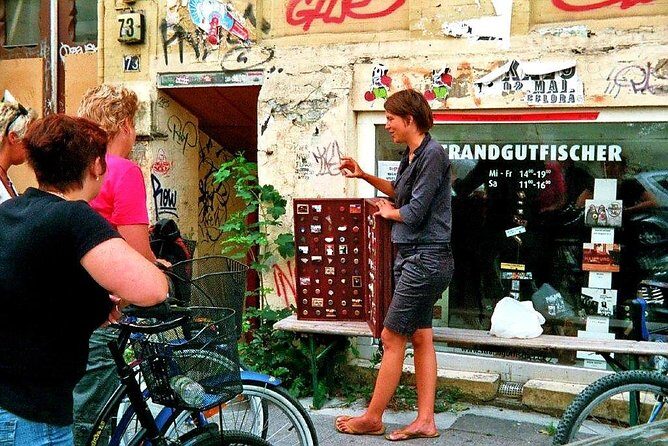
After you set off, the ride heads toward Sternschanze. This is where Hamburg often feels most like a real living city block by block. You’re moving between vibes, and the bike path keeps the transition from feeling like a forced museum visit.
You’ll start with the “fine society” side of town and then travel toward the neighborhoods where you’ll also find signs of the darker realities that exist in many big cities. The overview specifically calls out areas tied to drugs and prostitution, plus the autonomous scene and artists’ quarters. That’s a big promise, and it’s also a reason this tour works: you’re not shielding your eyes. You’re seeing how the city accommodates conflicting realities.
The best way to enjoy this section is to treat it like a slow scan. Look at how storefronts, street activity, and local spaces change as you move. The guide’s explanation (and the fact that they’re bilingual) is what turns that quick glance into real understanding, not just impressions.
Crossing Symbolically Into Grassroots Democratic Living
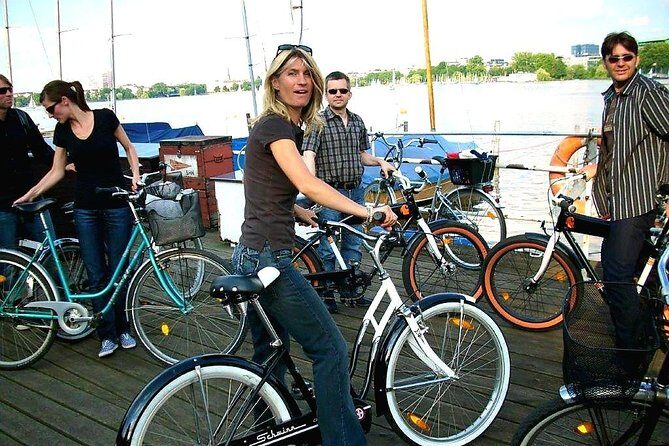
A key part of the story happens when the route crosses a historic district symbolically for grassroots democratic living. I like this framing because it gives you a lens, not just a location. You’re not just passing through. You’re marking a change in how people organize, participate, and build community.
On a bike, symbolic crossings work better than they do on foot. You feel the momentum. One minute you’re in one rhythm; the next, the feel of the street pulls you forward into a different narrative.
If you like political culture, community history, or just the human side of city planning, this is the part that will stick with you. The guide’s answers (including responding to questions) can help you connect what you see on the street with what you’re being told about the area.
Schröderstift and Sternschanzenpark: A Needed Breather
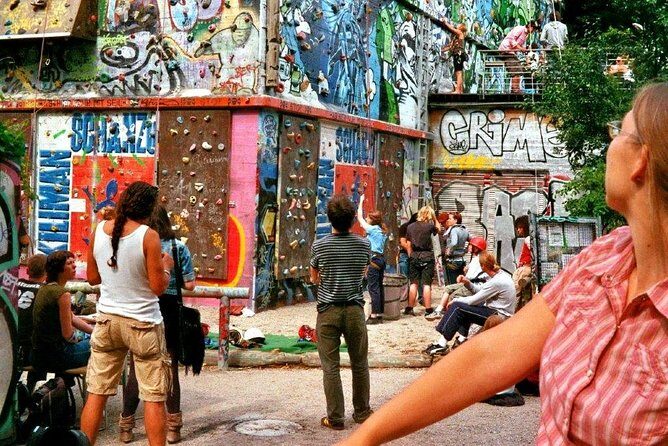
From there, you’ll pass through the Schröderstift area and then head toward Sternschanzenpark. Parks are a small detail in many tours, but here they do real work. They give you a visual reset after denser street scenes.
I find it helpful when a tour includes at least one green space moment, even if you don’t stop for long. You can regroup your senses and then carry that clearer head into the next neighborhood phase.
This stretch is also a good chance to pay attention to how people use space. Parks tend to show you who’s around, how long they stay, and what the local vibe feels like when you’re not just looking at buildings.




Riding Through the Schanzen District: Alternative Culture You Can See
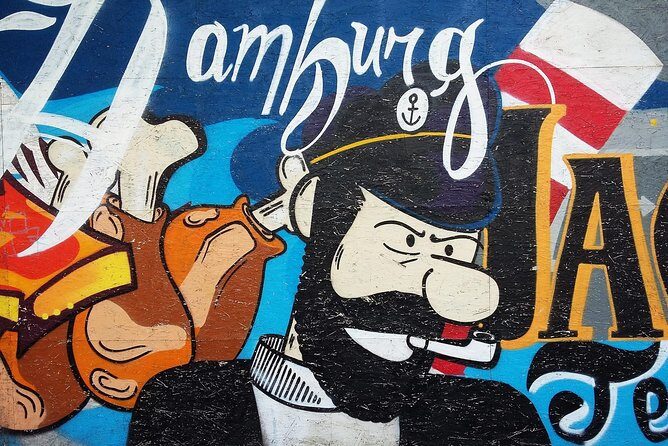
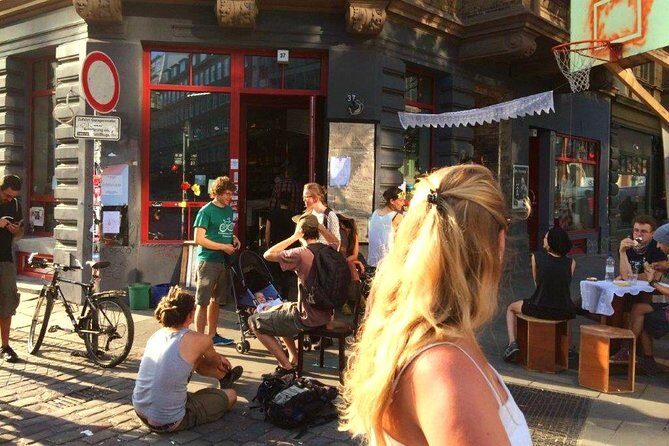
Next comes the actual Schanzen district, with its diverse alternative cultural offerings. This is one of those zones where the city doesn’t try to smooth out edges. It’s a place where you’re more likely to notice street expression, local identity, and the sense that something is happening beyond the standard tourist route.
The overview is clear that you’re cycling through areas tied to an alternative scene, including autonomous and artists’ quarters earlier, and then a more “on the ground” Schanzen feel as you continue. I think that matters. It prevents this tour from turning into one-note sightseeing. You get layers.
In terms of how to enjoy it: don’t just stare at what looks different. Watch how the street works. Are people moving through with purpose? Are there gathering spots? Are storefronts or public spaces being used in a way that signals local identity? The guide’s knowledge helps you read those details fast.
And because the group is limited to a maximum of 20 travelers, you’re less likely to feel like you’re being herded. It’s easier to ask a question and get a real back-and-forth moment.
St. Pauli Harbor Road and the Portuguese Quarter: Where the Story Turns Practical
Then you’ll head along the St. Pauli harbor road and cycle through the Portuguese quarter on your way toward the new town. This section is interesting because it connects alternative cultural energy with more working-city geography.
You’re also traveling toward the harbor-side corridor, where cities often feel less polished and more functional. That’s not automatically more “authentic,” but it usually is more informative. You learn how Hamburg lives when it’s not presenting itself for visitors.
The Portuguese quarter area is part of that. The tour doesn’t list a single landmark for it, which can be a good thing. It means you’re meant to experience it as a neighborhood rather than a single photo stop. Pay attention to everyday street cues: signage patterns, the rhythm of pedestrian activity, and the way the area feels in motion.
The 1920s Office Buildings and the Chilehaus Moment
As you continue, you reach notable 1920s office buildings, including the Chilehaus. This is where the tour gives you an anchor in time and architecture. You get a shift from neighborhood feel to a more monumental city statement.
I like this kind of contrast inside one bike tour. It helps you understand that Hamburg’s identity isn’t one thing. Alternative scenes exist alongside major 20th-century development. The Chilehaus gives you a tangible point to attach the story to.
Even if you’re not an architecture expert, you’ll probably feel why this is a named stop. Big buildings like this shape the mood of the streets around them, and it’s easier to notice that from a bike than from far away.
Heading to St. Georg: Multicultural Life With Real Contrast
From there, the ride continues to St. Georg, which is described as offering no greater contrasts of multicultural life in any other district. That’s a strong claim, and it’s also a useful heads-up: expect variety.
St. Georg is typically the kind of place where you notice differences quickly—food areas, languages on the street, and changing styles of storefronts. This is exactly where having a guide helps. Without context, you might just collect impressions. With context, you understand what you’re seeing.
This part of the tour is also a good test of how comfortable you are in active street areas. The tour is intended for people with moderate physical fitness, and this is where steady riding matters more than any single stop. Stay calm, keep your eyes up, and let the guide handle the direction while you focus on the street scene.
Inner Alster, Kennedy Bridge, and the City Panorama Stretch
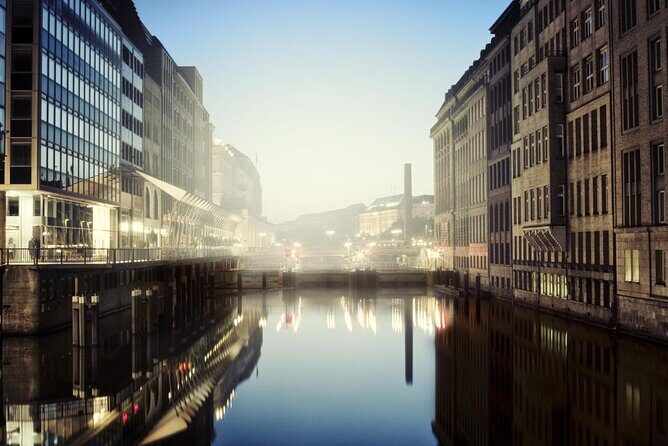
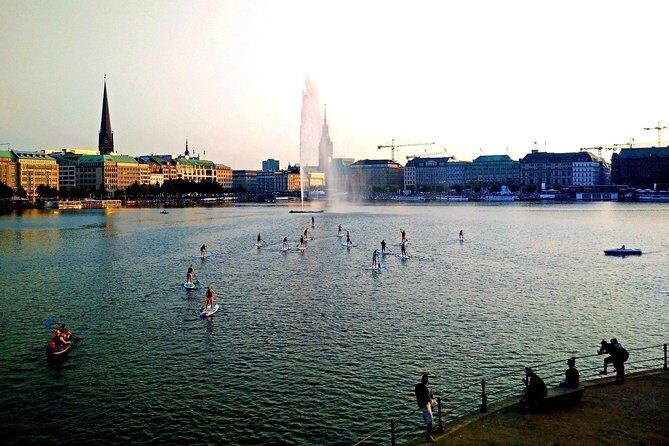
Next, the path leads you toward the Inner Alster, then Kennedy Bridge, and onward to a city panorama. Now the tour shifts from neighborhood tightness toward open water views.
I love when a bike tour includes at least one “breathing” section like this. You get a chance to reset your eyes after dense streets, and the views around water and bridges tend to make the whole ride feel worth it.
Kennedy Bridge is part of that built-view experience. Bridges don’t just connect points; they frame the city. And the Inner Alster gives you that signature Hamburg water presence.
If you’re someone who likes photos, this is probably your best chance for clean city shots without having to fight for viewpoint space like you might in a crowded landmark.
Lombards Bridge: Rowing Clubs and Consulates at the Water’s Edge
Finally, you reach Lombards Bridge, where the overview notes fine rowing clubs and consulates. This is a surprisingly sharp detail because it shows Hamburg as an international city, not just a local one.
Rowing clubs near water can signal a certain lifestyle—active, organized, and tied to the city’s relationship with its waterways. Consulates add another layer: formal international presence.
From a biking perspective, this end section is also a good “wrap” to the tour. You’re leaving the neighborhoods and landing on a more official, globally oriented city face, right as you head back toward the bike station.
Then you roll back to the start location, keeping your day tidy and predictable.
Price Value: Why $40.52 for 3.5 Hours Can Make Sense
At $40.52 per person for about 3 hours 30 minutes, this isn’t a bargain tour in the “cheap and forget it” sense. But it also isn’t priced like a private car experience. For a guided bike ride that covers multiple districts plus major anchors like Chilehaus, the value comes from two things:
- You save time and energy versus piecing together transport across the city.
- You get guide context plus a route that includes real contrasts, not just a loop of similar streets.
Also, the tour is booked about 41 days in advance on average, which usually hints people feel it’s worth planning. Still, the best sign for value is practical: the route and guide Q&A style can help you get more out of fewer hours.
If you want a half-day that feels like you actually learned something about Hamburg’s different communities, this price is easier to justify.
Who This Tour Suits Best
This works well if you like cities with multiple identities and you prefer seeing them on wheels, not by train hopping.
You should be comfortable with:
- Moderate physical fitness (it’s a bike tour, not a stroll)
- Staying engaged in street traffic environments
- Riding for roughly 3.5 hours total
Because the group is capped at 20, it’s also a good choice for people who want interaction. If you enjoy asking questions, this is the kind of tour where the guide can respond instead of moving on too fast.
If you have very limited mobility or you’re likely to feel stressed with sustained cycling, you might consider a more minimal option.
Weather and Timing: Plan for the Day, Not the Spreadsheet
This experience requires good weather. That’s not a small note. Hamburg weather can shift fast, and bike tours live or die by conditions.
The upside is that you’ll have a clear plan once the day is set. You also get confirmation at booking, which helps you lock in your itinerary.
In terms of how to plan your day around it: think of this as a centerpiece activity. Then build meals and a calmer evening afterward. After a ride through several districts, your energy usually wants rest.
Should You Book This Other Hamburg Bike Tour?
Yes—if you want Hamburg beyond the obvious photos and you’re happy to learn by moving. I’d book it if you like contrast, street-level context, and a guide who can handle questions and explain things in two languages.
I’d hesitate only if you’re worried about cycling for a few hours or if your schedule can’t handle potential weather sensitivity. In that case, you might prefer a different day or a more weather-proof plan.
If you do book, bring your curiosity. The ride through places like Sternschanze, toward Schanzen, past the Portuguese quarter, and up to Inner Alster gives you a rounded picture of the city’s different lives without turning the day into a checklist.
FAQ
How long is the bike tour?
It runs for about 3 hours 30 minutes.
Where does the tour start and end?
It starts at Schlüterstraße 11, 20146 Hamburg, Germany and ends back at the meeting point.
What is the price per person?
The price is $40.52 per person.
Do I need good weather?
Yes. The tour requires good weather, and if it’s canceled due to poor weather you’ll be offered a different date or a full refund.
How big is the group?
The tour has a maximum of 20 travelers.
Is the tour near public transportation?
Yes, it is near public transportation.
What cancellation options do I have?
You can cancel for a full refund up to 24 hours in advance of the experience start time. If you cancel less than 24 hours before, the amount you paid is not refunded.