REVIEW · HAMBURG
Hamburg: Reeperbahn & St. Pauli by Day
Book on GetYourGuide →Operated by Hamburg&Meer · Bookable on GetYourGuide
If you only know Reeperbahn at night, this tour changes the story. You’ll walk St. Pauli in daylight and hear how sailors, workers, artists, and entertainers shaped the area into what it is today, plus you’ll hit stops like Hans-Albers-Platz and Große Freiheit. I also like the clear focus on context—what you’re seeing and why it matters—rather than just pointing at streets. One thing to consider: St. Pauli includes adult-themed streets nearby, so you should be ready for that subject matter even in the daytime.
The tour’s biggest strength is how easy it is to follow. It runs about 2 hours, and the guide-led pace helps you get your bearings fast around a neighborhood that can feel chaotic if you explore solo. I’ve also seen real praise for specific guides like Jenny, Kerstin, Ulf, and Guido Flo, with comments that the tours were fun and worked well for teens too. Still, guide style matters—one booking noted the guide’s comments felt inappropriate—so it’s smart to choose a time when you’ll be comfortable with the guide’s approach.
In This Review
- Key things to notice before you go
- Entering St. Pauli by Day: Why it feels less intimidating
- Meeting at St. Pauli Metro: where to find the guide fast
- From Millerntorplatz toward Davidwache: the neighborhood’s power center
- Herbertstraße: history you can’t ignore (and why the guide matters)
- Hans-Albers-Platz and the Hamburger Bermuda Triangle
- Große Freiheit: where St. Pauli’s nightlife reputation takes shape
- The Beatles square: pop culture meets local street identity
- Price and value: what $21 buys you in 2 hours
- Who should book this St. Pauli by Day tour
- Guides and tone: why specific names show up in the praise
- Should you book this tour?
- FAQ
- How long is the Hamburg: Reeperbahn & St. Pauli by Day tour?
- What does the tour include?
- What is the meeting point?
- Which language is the tour guide speaking?
- Is the tour wheelchair accessible?
- Are drinks included?
- Are entrance tickets to bars or clubs included?
- Is the tour suitable for families during the day?
- Can I cancel for a full refund?
- What’s the price?
Key things to notice before you go
- Daytime lens on Reeperbahn: the same streets, different mood and easier viewing
- Concrete landmarks: St. Pauli Stadium area, Davidwache area, Herbertstraße, Hans-Albers-Platz, Große Freiheit
- Clear adult-topic context: guidance on the street history around prostitution and crime
- Beatles square stop: pop-culture fame woven into local street life
- Short, walkable format: about 2 hours for a tight St. Pauli introduction
- Guide energy can make or break it: strong praise for several named guides, but tone varies by guide
Entering St. Pauli by Day: Why it feels less intimidating
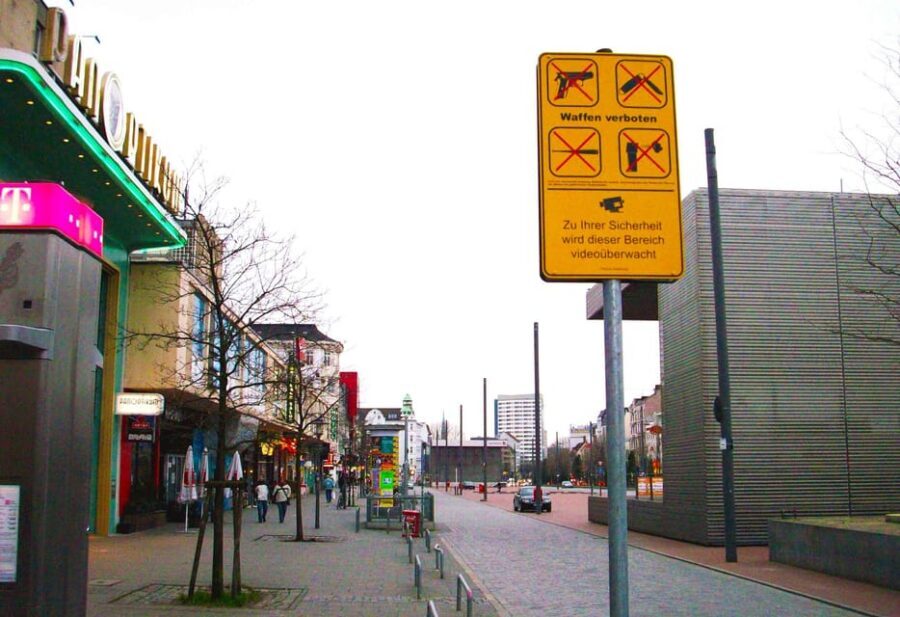
Daylight changes your whole experience of St. Pauli. At night, Reeperbahn can look like pure chaos—lights, noise, people moving fast, and zero context. In the morning or afternoon, the streets are still the same streets, but you can actually read the place: the buildings, the street layout, and the history that a guide turns into something you understand.
I like this approach because you don’t have to “get it” on your own. You’re not just watching the neighborhood; you’re learning why it developed the way it did. That matters in St. Pauli, because the district has layers. It grew from a harbor-side settlement for sailors and workers, then moved toward a cultural hub that drew artists and entertainers. Seeing those shifts explained while you walk makes the neighborhood click.
The other practical benefit of a daytime tour: you get to keep it simple. This is a walking experience focused on stories and landmarks, not a nightlife plan. If you’re traveling with kids or teens, or you just want the local vibe without late-night crowds, that’s a big plus.
Other Reeperbahn and St. Pauli tours we've reviewed in Hamburg



Meeting at St. Pauli Metro: where to find the guide fast

You meet outside the St. Pauli metro station, at the exit Millerntorplatz/Reeperbahn. The guide will be waiting near a phone booth holding a white bag. That’s the kind of meeting-point detail that saves time and stress, especially in a busy area like this.
Because it’s a guided walking tour, arriving a few minutes early is worth it. St. Pauli is lively and you’ll want to get started without hunting for your group. Once you’re together, the guide gives you an overview of the route and a quick introduction to the district’s past—helpful if you’re new to Hamburg’s nightlife geography.
Also note the tour runs with a live guide in German. If you don’t speak German, you might still be able to follow a lot visually, but the experience is designed around the guide’s explanations. I’d treat this as a “language comfort” decision.
From Millerntorplatz toward Davidwache: the neighborhood’s power center

Your morning-to-afternoon walk begins in the Millerntorplatz area right by St. Pauli Stadium. Even if you’re not watching football, it’s a good starting point because it anchors you in a real landmark, not just a random street corner.
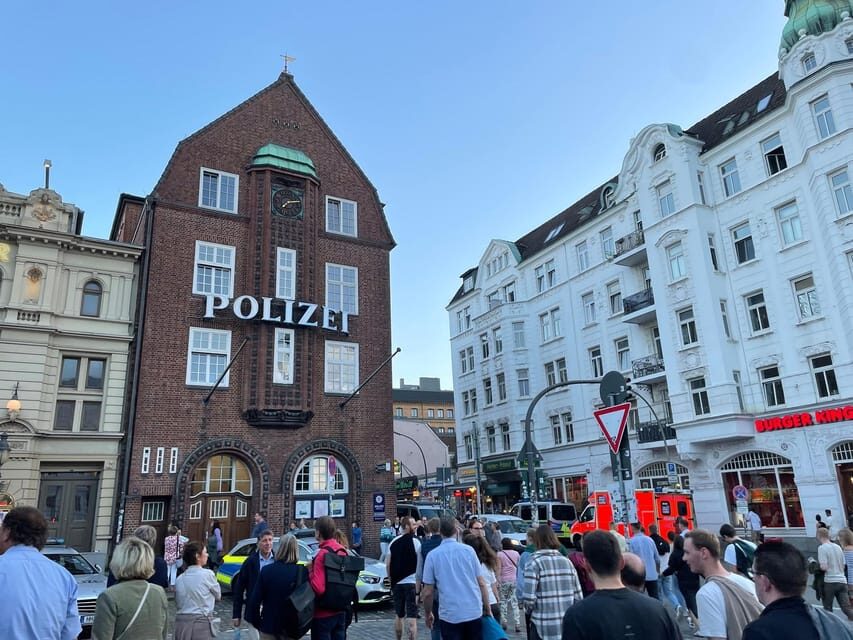
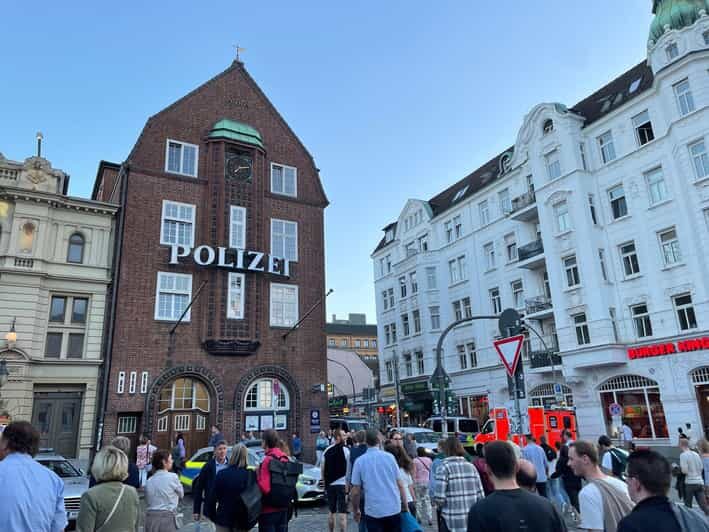
From there, you move toward the vicinity of Davidwache police station. This area is significant for how St. Pauli has been managed over the years. On a daytime walk, you can pause and look around without the distraction of night crowds. A guide’s job here is to connect what you see—street life, order, and proximity to nightlife—with what happened historically in the district.
You also learn to read the neighborhood’s contrast. St. Pauli isn’t just “party streets.” It’s also a place where law enforcement, work, and entertainment have all rubbed shoulders. That context helps you understand why certain streets became associated with particular reputations.
Herbertstraße: history you can’t ignore (and why the guide matters)
Next comes one of the most talked-about areas: the street called Herbertstraße, described as notorious for its links to prostitution and crime. You’ll visit the area around it, and the guide provides background on how that shaped the district.
This is where a guided tour really earns its keep. If you walk here without context, you might only notice what’s obvious. With a guide, you get the story behind the street reputation and how the district’s identity formed alongside those realities.
A balanced note for your planning: even in daylight, you’ll be surrounded by adult-topic history. If you’re sensitive to that subject matter, treat this as an informational stop, not a casual sightseeing stroll. You can still enjoy the walk—just expect the guide to frame it directly.
One more practical thought: guides differ. One negative booking specifically complained about the guide’s tone toward Austrians. That doesn’t change the route or content, but it’s a reminder that guide style can affect your comfort level. If you care a lot about respectful, neutral commentary, consider the time slot and how you typically react to edgy humor or strong opinions.
Hans-Albers-Platz and the Hamburger Bermuda Triangle
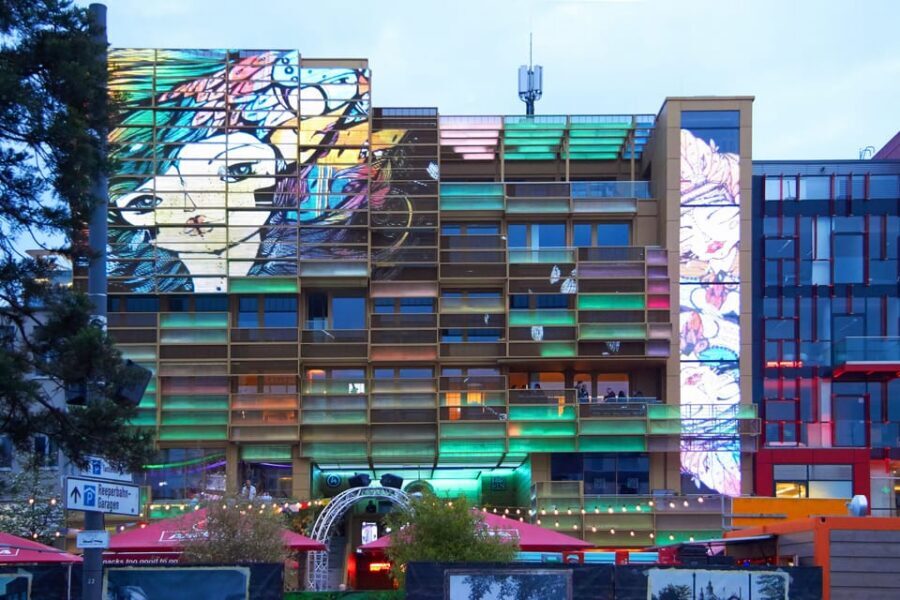
One of the most memorable stops is Hans-Albers-Platz, nicknamed the Hamburger Bermuda Triangle. It’s an important hub in St. Pauli’s nightlife scene, but the daylight version of it is different in a useful way: you see how roads intersect, where people gather, and how the neighborhood pulls you in.
I like this stop because it’s both practical and cultural. Practically, it helps you map the district. Culturally, it explains why the area became a magnet for entertainment—again tied to St. Pauli’s shift from harbor settlement to performer-centered district.
On this kind of tour, you’re not just collecting names. You’re learning how geography creates behavior. When streets funnel people toward the same corners—like Hans-Albers-Platz—you get that feeling of being slightly pulled into a story. A guide can make that understandable instead of confusing.
If you want a “how do people actually move through here?” moment, this is it.






Große Freiheit: where St. Pauli’s nightlife reputation takes shape
The tour then ends with a visit to Große Freiheit, a street synonymous with St. Pauli’s legendary nightlife. The guide explains how it has maintained its status as a hotspot for entertainment over the years.
Even in daylight, Große Freiheit has a distinct energy because it’s built for going out. You’ll see the kind of street scene that makes people come to dance, drink, and socialize—without needing to actually step into any venue.
This is also where the tour’s format matters. It’s daytime, and it’s walking-based. The included experience is about history, landmarks, and street-level understanding. You’re not being pushed into bars or clubs, which keeps the tour accessible for more types of visitors.
One detail I appreciate: drinks aren’t included, and entry to bars or clubs isn’t part of the ticket. That keeps your decision-making in your hands. After the tour, you can choose if you want a drink, dinner, or nothing at all.
The Beatles square: pop culture meets local street identity
The highlights for this tour include a visit to the square dedicated to The Beatles. That’s a fun contrast inside a neighborhood known for nightlife history.
Why it works: St. Pauli isn’t one theme. It’s multiple currents—music, entertainment, and the kind of street culture that attracts international attention. Dropping the Beatles reference into the walk gives you a quick pop-culture anchor so you can connect the district’s reputation with something widely recognized.
If you know your Hamburg only from famous pictures, this kind of stop helps you make a mental link. You start to see how a neighborhood becomes a stage for more than one story: performers, famous bands, and the places where people go to enjoy music and nightlife.
Price and value: what $21 buys you in 2 hours
At $21 per person for about 2 hours, you’re paying for a guided walking format that gives you structure in a neighborhood where it’s easy to feel lost.
Here’s why the value makes sense:
- You get a live guide and insider explanations about St. Pauli’s development, not just a self-guided map.
- You hit multiple high-signal locations (Davidwache area, Herbertstraße, Hans-Albers-Platz, Große Freiheit), so you don’t waste time searching.
- The tour stays daytime-focused, so it’s easier to fit into a travel day without committing to nightlife hours.
The cost also lines up with a practical reality: St. Pauli is best understood with context. Without it, you might only notice what looks busy or sketchy. With it, you understand how the district evolved and why certain street reputations exist.
And because drinks and venue entry aren’t included, your spending stays predictable. If you want to keep it budget-friendly, this tour helps you do that.
Who should book this St. Pauli by Day tour
This one fits best if you want a first look at Hamburg’s St. Pauli and Reeperbahn area with direction and stories. It’s also a good match if you want daylight access to the neighborhood without building an entire evening plan around it.
From the feedback, the tour seems to work for:
- teens, including families who bring younger visitors (one 12-year-old reportedly enjoyed it)
- people who like guided walks that explain street history
- travelers who don’t want to pay for drinks or deal with club entry rules
You might want to reconsider if:
- you strongly dislike adult-topic history, even when explained in daylight
- you need tours with a language other than German (the guide is German)
- you’re highly sensitive to guide tone and personal commentary
Guides and tone: why specific names show up in the praise
One reason the rating stays high overall is the human part: guide delivery. There are multiple named examples in the feedback praising how guides made the tour both interesting and fun.
Jenny is singled out as super nice and a good mix of informative and funny. Kerstin gets credit for making the tour lively and interesting, with the time and distance described as a near-perfect fit for a 2-hour walk. Ulf gets called out for balancing the experience for both adults and a younger teen. Guido Flo also gets praise, including for how well the tour worked for teen-age kids.
That’s exactly what you want in a place like St. Pauli. You need someone who can explain street culture without turning it into just a warning sign or a caricature.
And yes, there’s at least one negative note about the guide’s comments toward Austrians. So the best advice is simple: if you know you don’t like sharp or personal commentary, choose your time carefully and be ready to step out mentally if the tone doesn’t fit you.
Should you book this tour?
I’d book it if you want the most efficient way to understand St. Pauli and the Reeperbahn area in daylight. The route is short enough to stay low-stress, and the stops are the kinds of landmarks that help you read the neighborhood instead of just walking through it.
Skip it if adult-topic street history would genuinely ruin your day. Also reconsider if you only want tours in English; the guide language here is German.
If you’re in Hamburg for a limited time and you want a grounded introduction to one of the city’s most famous districts, this is a solid use of a couple hours.
FAQ
How long is the Hamburg: Reeperbahn & St. Pauli by Day tour?
The tour lasts 2 hours.
What does the tour include?
It includes a guided daytime walking tour of St Pauli and insider information about the district and how it developed.
What is the meeting point?
Meet your guide outside St. Pauli metro station, Exit Millerntorplatz/Reeperbahn. The guide will be waiting near the phone booth holding a white bag.
Which language is the tour guide speaking?
The live tour guide speaks German.
Is the tour wheelchair accessible?
Yes, it is listed as wheelchair accessible.
Are drinks included?
No, drinks are not included.
Are entrance tickets to bars or clubs included?
No, entrance into bars or clubs is not included.
Is the tour suitable for families during the day?
Yes. The info states that St. Pauli and the Reeperbahn offer many family-friendly activities and attractions during the day.
Can I cancel for a full refund?
Yes. Free cancellation is available up to 24 hours in advance for a full refund.
What’s the price?
The price is $21 per person.