REVIEW · HAMBURG
Speicherstadt & HafenCity Erlebnistour
Book on Viator →Operated by Adventure World Tours · Bookable on Viator
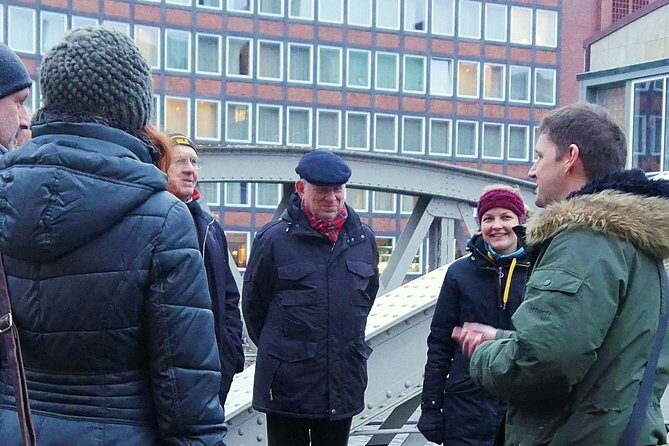
Hamburg can feel like two cities at once, and this walk proves it. You’ll get a guided tour through Speicherstadt’s trade-packed streets and then move on to HafenCity’s modern harborfront, with strong stops around Miniatur Wunderland and the Marco Polo Tower. I also like that the pacing is simple and tourist-friendly: you’re not hustled into museums all day, just guided through the story of how this port town became global.
The main drawback to plan around is walking pace. This is a public walking tour where you need to keep up with the guide, so if your legs don’t do well for a couple hours on foot, this may feel like too much.
In This Review
- Key things I’d plan around
- Walking the World-Trade Streets of Speicherstadt
- Miniatur Wunderland and the Marco Polo Tower in one trip
- HafenCity Cruise Center: where ships and yachts actually dock
- Kesselhaus: the industrial layer you might miss
- Route logistics: Baumwall Station to Chilehaus in about 2 hours
- Price and value: $26.51 for a guided port-story sampler
- Guide power: when local storytelling clicks
- Practical tips for the day of your tour
- Should you book Speicherstadt & HafenCity Erlebnistour?
- FAQ
- How long is the Speicherstadt & HafenCity Erlebnistour?
- What does the tour cost?
- What is included in the price?
- What is not included?
- Where do I start and where do I end?
- How do I get my ticket?
- How large is the group?
- Is the tour suitable if I have walking difficulties?
- Can I cancel for a refund?
Key things I’d plan around
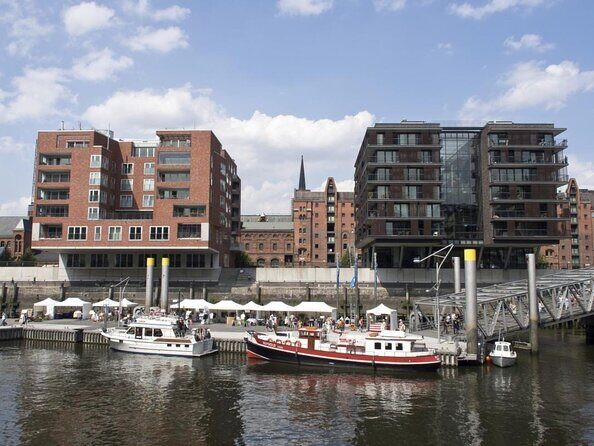
- Speicherstadt trade stories that connect warehouses, shipping, and global imports and exports
- Miniatur Wunderland orientation, plus a nearby look that helps you map the area
- Marco Polo Tower sighting while you’re already in the HafenCity zone
- Kesselhaus power station stop for industrial Hamburg context (not just postcard views)
- HafenCity cruise center where big ships and yachts arrive daily
- Small-ish group (max 25) with a local guide and a mobile ticket
Walking the World-Trade Streets of Speicherstadt
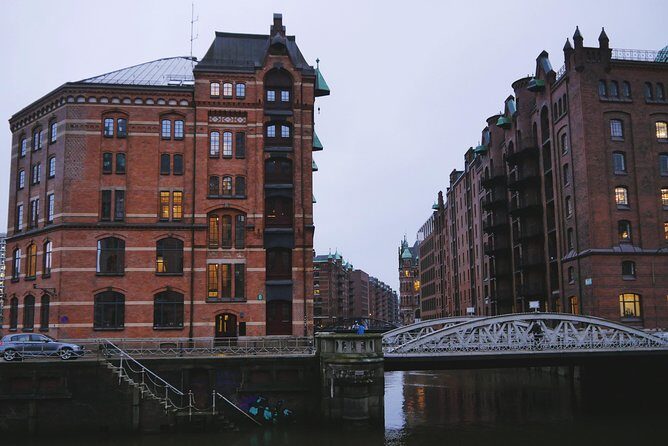
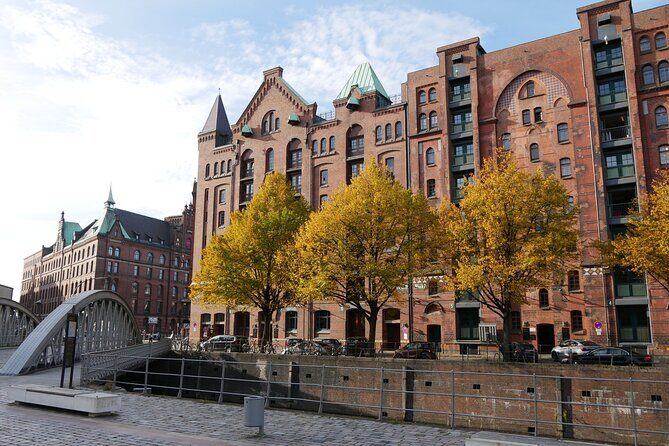
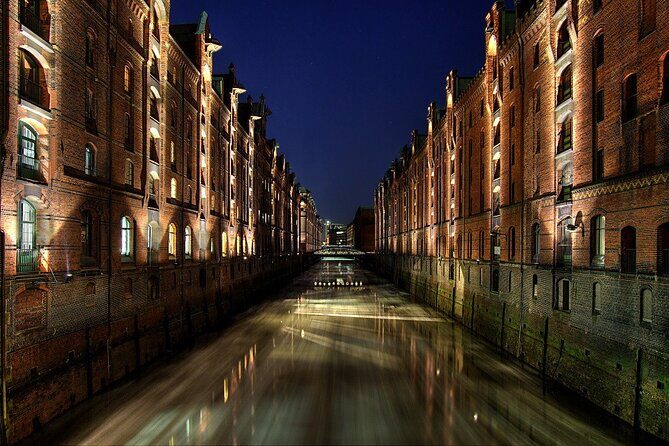
Speicherstadt is the part of Hamburg that feels like it was built for commerce: warehouse-lined canals, brickwork that looks permanent, and street corners where you can almost picture paperwork, crates, and ships moving through the world. On this tour, I like that you’re not just looking at architecture. You’re learning what those warehouses were for and how the district fit into the city’s trade routes and exports.
What makes this more than a simple stroll is the way the guide ties details together into a story. The tour focuses on the 19th-century trade angle, which is perfect for first-timers because it gives you a framework fast: why warehouses clustered here, how ships mattered, and what global connections looked like at street level. If you enjoy “how did this work?” thinking, Speicherstadt gives you plenty to chew on.
There’s also a very practical benefit: once you understand the logic of the district, it becomes easier to navigate on your own later. You’ll spot patterns in the canal-side layout and recognize the role of the harbor and logistics areas even after the tour ends.
Other harbor and port cruises in Hamburg


Miniatur Wunderland and the Marco Polo Tower in one trip
Miniatur Wunderland is the kind of place that can feel overwhelming from the outside, mostly because it’s famous and people build expectations. The tour handles it in a smart, low-pressure way: you get an orientation to where Miniatur Wunderland is located, then a second stop right by it. That’s useful if you want to decide later whether you’ll go inside on your own time.
In other words, you’re not forced into a long detour. Instead, you walk away with bearings. That matters because HafenCity and the Hafenfront can feel like a big modern campus, and Miniatur Wunderland is one of the anchors that helps you make sense of the area.
From there, you also see the Marco Polo Tower. I like this kind of pairing. It keeps your photos and your mental map from being only “old brick canals.” You get the contrast of Hamburg’s earlier commercial power next to its newer, taller skyline signals.
If you’re the type who likes to connect old and new in the same day, this is a solid match. If you only want historic Schwerin or castle vibes, you may find the Miniatur Wunderland and tower views shift the tone toward playful modern Hamburg.
HafenCity Cruise Center: where ships and yachts actually dock
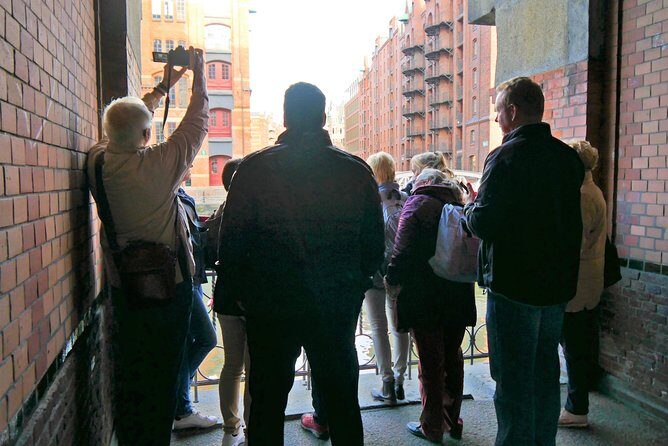
HafenCity is Hamburg looking forward. The tour’s ending focus is the cruise center, where large ships and glitzy yachts arrive daily. This is one of those places where the scale hits you fast. You can stand there and see how the harbor city supports both everyday trade and tourism-level spectacle.
This part of the tour works because it’s not theoretical. HafenCity is built around function: the waterfront is the stage, and the ships are the ongoing show. For you, that means you’ll finish with a sense of where all those global trade stories go in practice. The history you learned in Speicherstadt isn’t stuck in the past; it connects to modern shipping and cruise arrivals right in front of you.
A small consideration: since the cruise center can have scheduled arrivals, your exact moment may vary. You might see a ship in dock and active movement, or you might catch a quieter stretch. Either way, the area is designed to let you watch maritime traffic without needing insider access.
Kesselhaus: the industrial layer you might miss
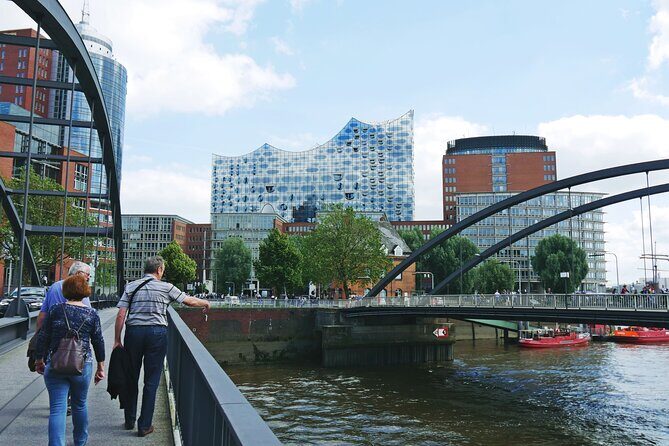
Hamburg isn’t only warehouses and cruise decks. The tour also includes a stop at the Kesselhaus power station, which adds an important industrial layer to your understanding. This kind of stop is valuable because it stops the story from becoming one-note.
Why does it matter? Because port cities run on energy and infrastructure. When you see a place like the Kesselhaus, you start noticing how “civilization” in a harbor city is built from systems: power, heating, industry, and logistics. It’s a reminder that the port district isn’t just about shipping lines and ships. It’s about the machinery that supports the whole operation.
Also, this is the kind of stop that can become a photo highlight if the lighting is right. You’ll remember the texture and industrial shapes even if you forget some of the names and dates.
Route logistics: Baumwall Station to Chilehaus in about 2 hours
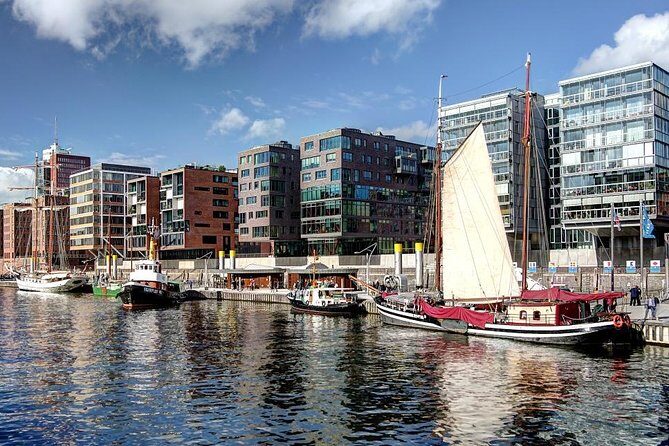
This tour runs about 2 hours and ends at Chilehaus. You start at Baumwall Station (20459 Hamburg) and finish at Chilehaus in the 20095 Hamburg area. That end point is handy because it’s a classic central landmark zone where it’s easier to hop onto your next plan.
The meeting and ending spots also tell you something about the structure: you’re not turning around repeatedly. It’s a smooth flow from Speicherstadt toward HafenCity, which keeps the experience feeling like a real walk-through of the city rather than disconnected stops.
You’ll want to plan for:
- Comfortable shoes (you’re on foot for the full experience)
- Keeping up with the guide’s pace (especially if the group is moving through tighter streets)
- Expectation-setting: it’s not a long museum day, so there’s limited time for lingering at each point
Because you end at Chilehaus, you can often roll into sightseeing afterward without a big transfer. That’s one reason walking tours like this are good value: you get guided context and still keep the day open.
Other Speicherstadt and HafenCity tours in Hamburg





Price and value: $26.51 for a guided port-story sampler
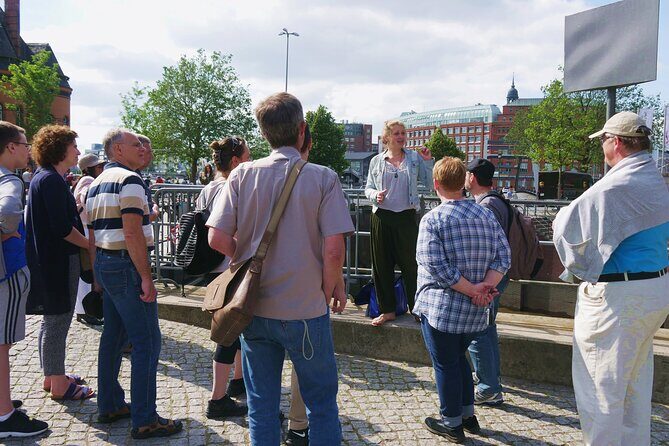
At $26.51 per person, you’re paying for one thing above all: a local guide who can stitch together what you’re seeing into a coherent trade-and-harbor narrative. For many travelers, the price isn’t the main point; it’s the how—a good guide saves you time and turns scattered sights into a story you can remember.
You also get a bundle of meaningful anchors for that price:
- Speicherstadt trade-focused walking
- Miniatur Wunderland orientation plus a nearby view
- A HafenCity cruise center finish
- Additional context stops like the Kesselhaus power station and the Marco Polo Tower
And because it’s max 25 travelers, it’s not a huge herd. That tends to make it easier to hear the guide and follow along.
What you should consider before booking is fit. This is best for people who enjoy walking, like architecture plus context, and want a quick orientation to Hamburg’s harbor areas. If you only want quiet time or deep museum hours, a two-hour tour might feel a bit too short for your style.
Guide power: when local storytelling clicks
One of the standout notes from the experience is the guide quality. A named example is Monika, described as sympathetic and very prepared, with a style that felt truly Hamburg-like. That matters more than people think.
When a guide is well prepared, you get fewer “tour-guide speeches” and more clear, usable connections. In this case, the story doesn’t stay trapped in warehouses alone. It can also connect to other major Hamburg landmarks you may see during your stay, including discussion of the Elbphilharmonie and the broader harbor context.
You’ll likely get the most out of this tour if you’re open to listening. Even if you plan to take photos, the narrative is what makes the walk stick.
Practical tips for the day of your tour
A couple real-world things can make your experience smoother:
Wear shoes you trust. This is a public walking tour, and if you’re unprepared for steady walking, the pace can feel like work.
Bring a light plan for after. Since you finish near Chilehaus, decide in advance what you want next—another short stop, a meal, or museum time. The tour is only about two hours, so your day’s rest points matter.
Use the mobile ticket. You’ll have a mobile ticket, so make sure your phone battery is fine and the ticket is accessible.
Service animals are allowed. If that applies to you, it’s good to know the tour supports it.
And one more honest tip: because this is a walking tour, you’ll get the best value if you treat it like a guided orientation. Don’t expect a slow, linger-at-every-bend kind of pace.
Should you book Speicherstadt & HafenCity Erlebnistour?
I think this is a strong booking if you want a fast, guided feel for two very different sides of Hamburg: the historic warehouse-and-trade world of Speicherstadt and the modern port energy of HafenCity. For Miniatur Wunderland, you’ll get the location clarity that makes it easier to plan whether to go inside later, and the cruise center finish gives you a memorable “shipping is real here” finale.
Skip it if walking pace is a problem for you, because you do have to keep up with the guide for the full stretch. Also, if your ideal day is long indoor time and deep museum immersion, this two-hour format may leave you wanting more.
If you fall into the first group—architecture plus context plus harbor views—you’ll likely find this tour a practical, good-value way to make Hamburg feel understandable quickly.
FAQ
How long is the Speicherstadt & HafenCity Erlebnistour?
The tour lasts about 2 hours.
What does the tour cost?
It’s priced at $26.51 per person.
What is included in the price?
A local guide is included.
What is not included?
Hotel pickup and drop-off are not included, and food and drinks are not included unless specified.
Where do I start and where do I end?
You start at Baumwall Station (20459 Hamburg) and end at Chilehaus (20095 Hamburg).
How do I get my ticket?
You’ll use a mobile ticket.
How large is the group?
The tour has a maximum of 25 travelers.
Is the tour suitable if I have walking difficulties?
It’s not recommended for travelers with major walking problems because it is a public walking tour with a pace you need to keep up with.
Can I cancel for a refund?
You can cancel up to 24 hours in advance for a full refund. If you cancel less than 24 hours before the start time, the amount paid is not refunded.