REVIEW · HAMBURG
Hamburg: Automuseum PROTOTYP ticket
Book on GetYourGuide →Operated by Prototyp GmbH · Bookable on GetYourGuide
Racing stories in Hamburg, minus the paperwork. Automuseum PROTOTYP turns a self-guided visit into a story-driven timeline of sports and racing cars, from the 1939 Porsche Type 64 to modern Formula 1.
I especially like how the museum links vehicles to people—Graf Trips and Prof. Porsche show up with context, not just names. You can also set a personal best in the Porsche 365 driving simulator. One catch: the museum is compact, so if you’ve seen big-name car museums in Stuttgart, this one may feel less dramatic, and parking nearby isn’t ideal.
In This Review
- Key highlights worth planning around
- Automuseum PROTOTYP: cars with people at HafenCity’s doorstep
- Ticket value: why the $15 price can make sense
- Entering on the right floor near Shanghaiallee 7
- The exhibit flow: 1939 Porsche to modern Formula 1
- Hands-on time: the Porsche 365 driving simulator
- The orange Porsche sit-in moment (and how to deal with waits)
- A simple self-guided loop that works in real time
- Timing in Hamburg: opening hours and last admission
- Parking, queues, and the small-museum reality check
- Who should book this Automuseum PROTOTYP ticket?
- Should you book the Automuseum PROTOTYP ticket?
- FAQ
- What is the price of the Hamburg Automuseum PROTOTYP ticket?
- How long can I use the ticket?
- What’s included with admission?
- Is a guided tour included?
- Where do I go when I arrive?
- What are the opening hours?
- What languages are available?
- Is it wheelchair accessible?
- What is the cancellation policy?
Key highlights worth planning around
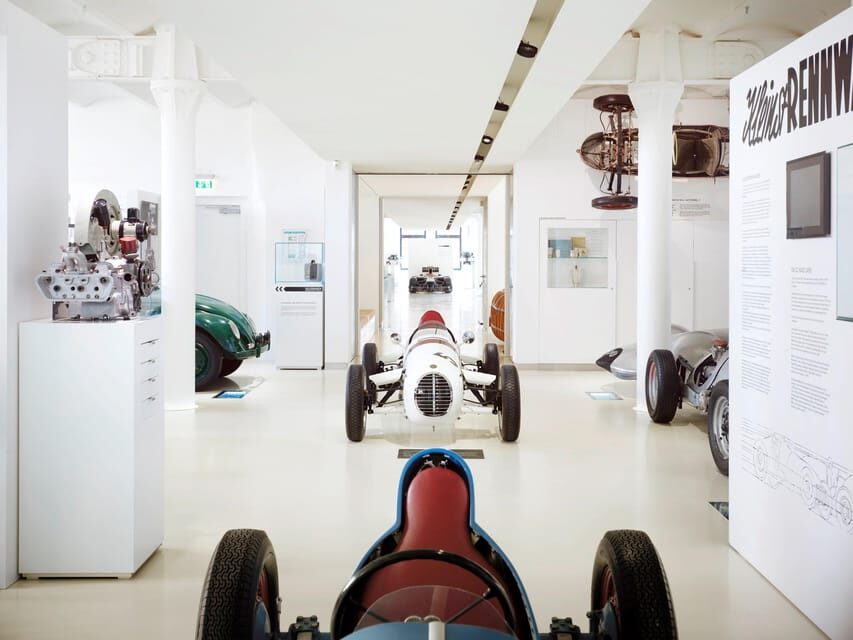
- 80+ years of sports and racing cars presented in one easy-to-follow visit
- Porsche Type 64 (1939) through modern Formula 1 for a strong timeline jump
- Racing legends and designers as the main characters, including Graf Trips and Prof. Porsche
- Porsche 365 driving simulator where you can chase your own best run
- Sit-in car moments (including an orange Porsche) that can mean some waiting
Automuseum PROTOTYP: cars with people at HafenCity’s doorstep
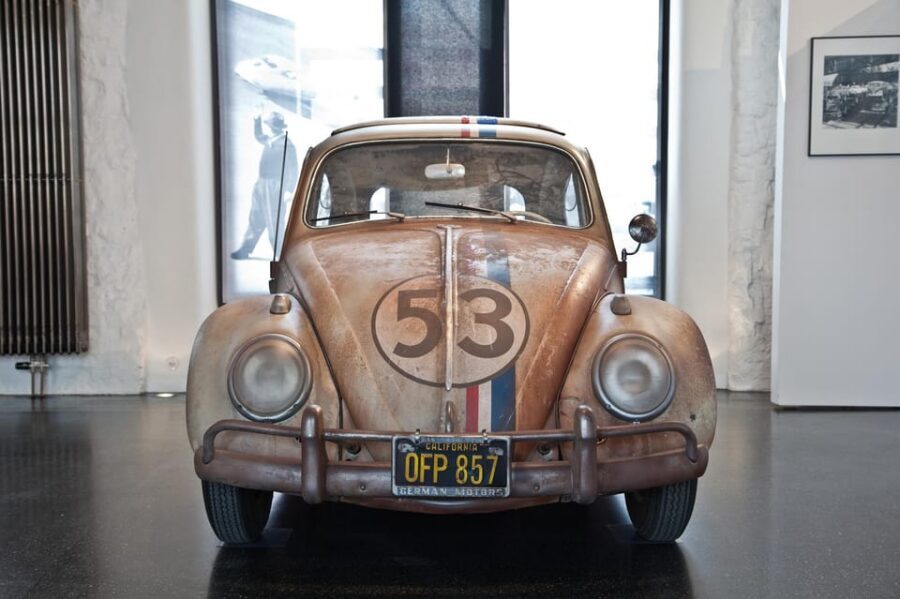
Hamburg has plenty of classic sightseeing. This museum adds a different kind of focus: the cars are the headline, but the stories are what keep you moving.
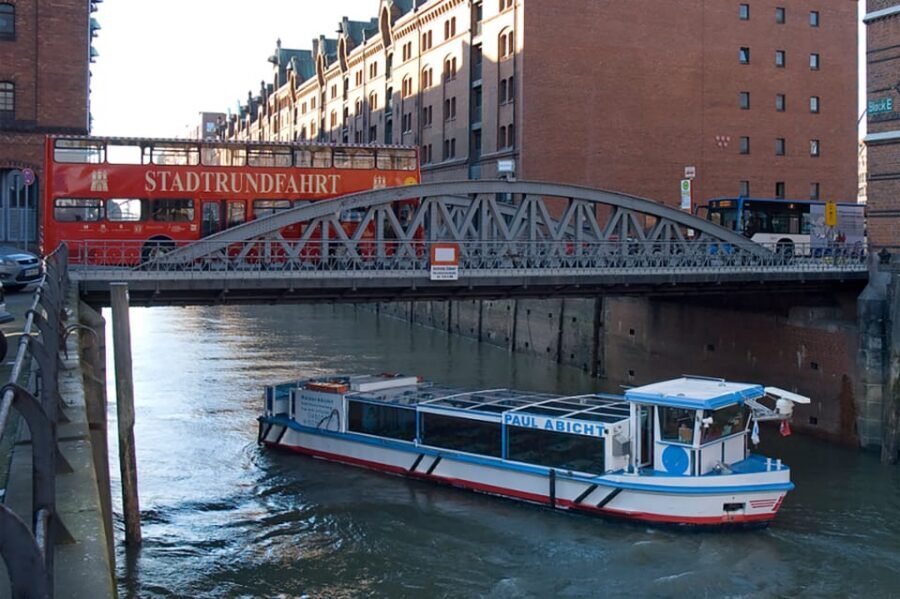
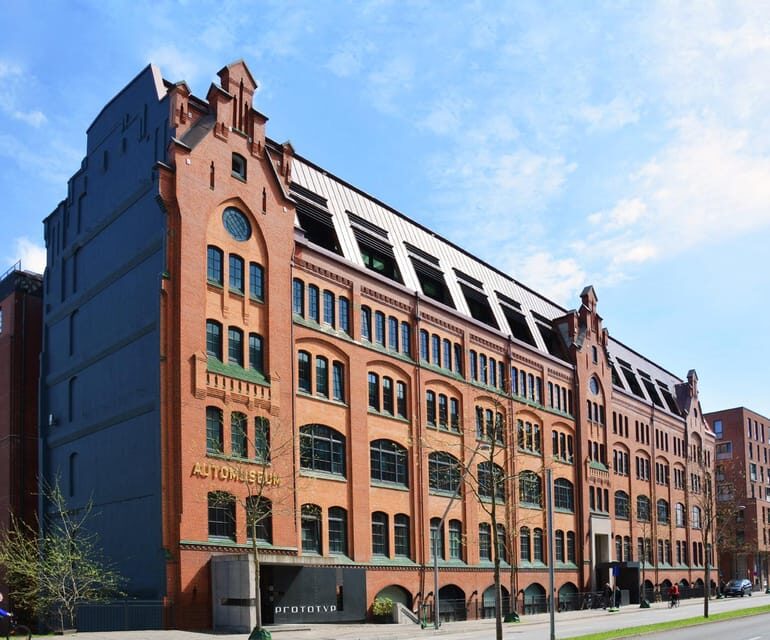
PROTOTYP sits in HafenCity, close to the Elbphilharmonie and the UNESCO World Heritage Site Speicherstadt. That matters because you can pair it with a normal walking day. You’re not committing to some far-away car outpost. You’re dropping into a concentrated racing-and-design world and then heading back into the city.
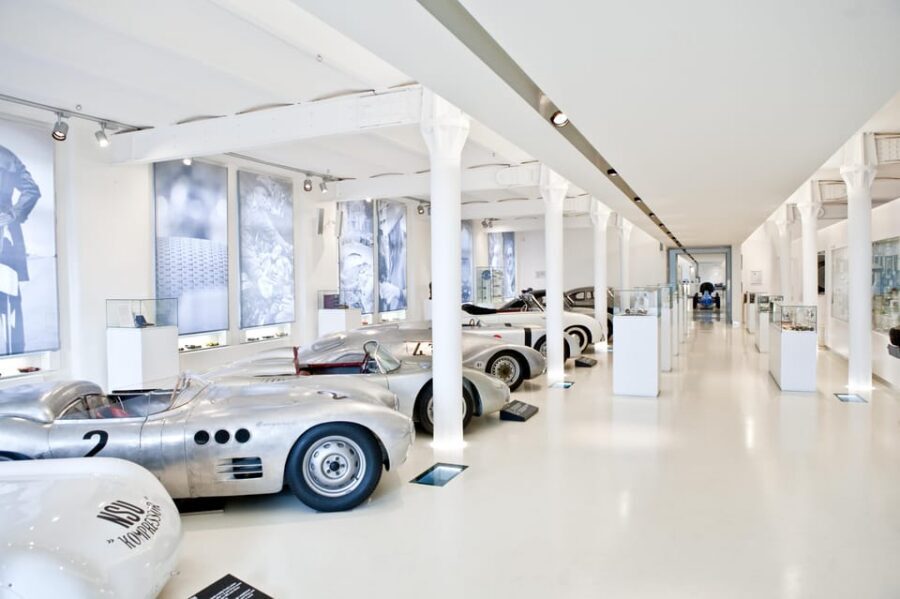
The museum’s concept is simple: cars, but explained through the people who made them. You’ll see the arc of sports and racing vehicles over decades, and you’ll notice how designers and drivers shaped choices under real pressure—competition, risk, and the urge to improve what already worked.
Other art museums and gallery tickets in Hamburg



Ticket value: why the $15 price can make sense
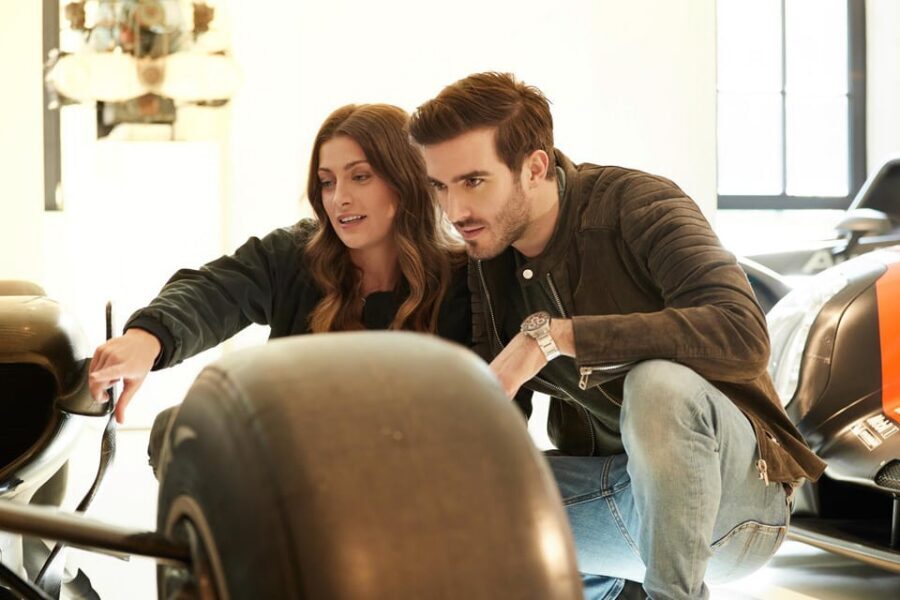
At about $15 per person for entry, the value comes from how the museum uses time. You’ve got a full day valid on your ticket, but the experience is designed for a walk-through visit—one that doesn’t require you to join a 1-hour guided tour to get the point.
What you’re paying for:
- Entry to Automuseum PROTOTYP
- Access to the exhibits and the hands-on elements highlighted by the museum
What you’re not paying for:
- A 1-hour guided tour (that’s not included with entry)
So if you’re the type who likes to read at your own pace, take a few photo stops, and try the simulator, this price structure is pretty friendly. If you want a deep guided narration the whole way through, you’ll need to either add that separately (if offered) or accept that you’ll be learning mostly by signage and your own pace.
Entering on the right floor near Shanghaiallee 7
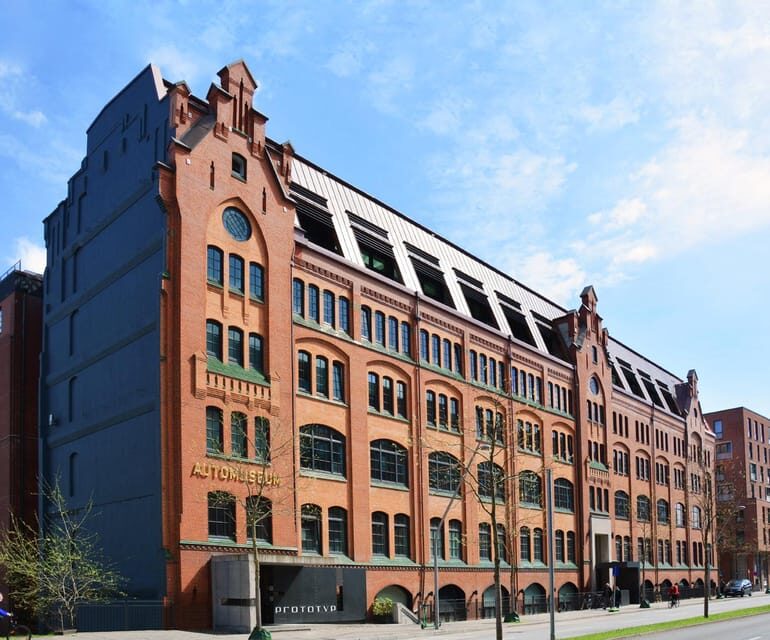
Your meeting point is straightforward: go directly to the museum entrance at Shanghaiallee 7, 20457 Hamburg. Admission is on the 1st floor.
This matters because timing in Hamburg can be tight. You don’t want to wander around the building trying to figure out where the exhibits start. Once you’re inside, you’ll be set up for a self-guided loop—one you can stretch or compress depending on your interest level and how long you spend near the hands-on attractions.
Language is also a real practical point. The host/greeter languages are German and English, which is helpful if you want quick answers at the door. Wheelchair access is listed as available, too.
The exhibit flow: 1939 Porsche to modern Formula 1
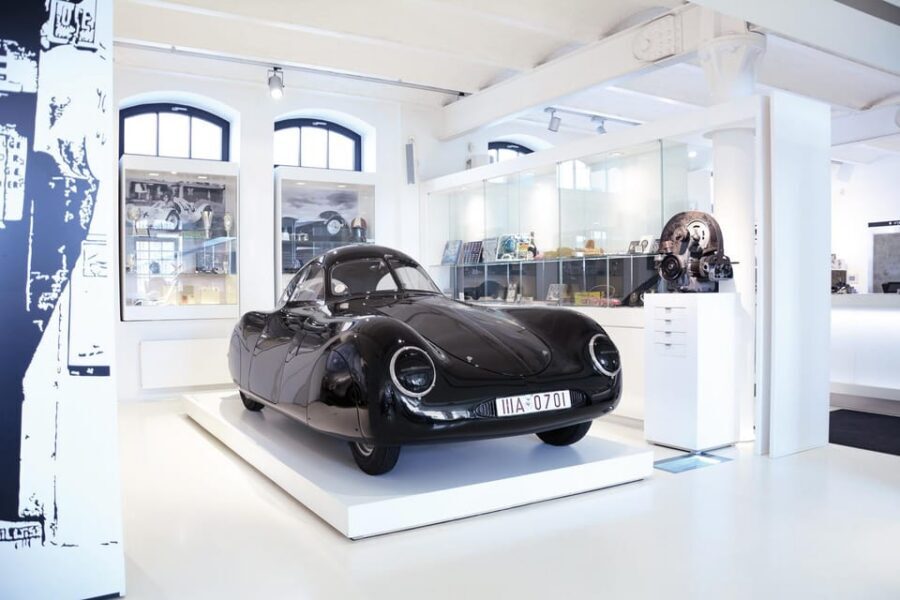
The museum’s core promise is range. You’re looking at sports and racing vehicles spanning about 80 years, and the starting reference point is big: the original Porsche Type 64 (1939). From there, the story reaches forward to modern Formula 1 cars.
That timeline structure is one reason I like this visit for “racing history” people. Instead of getting stuck in one era, you keep seeing how racing tech evolved—materials, design choices, performance priorities, and the way teams chased speed and control.
You also get story context for individuals tied to racing culture. Two names in particular are called out: Graf Trips and Prof. Porsche. When museums use names like these effectively, it changes the viewing experience. You stop thinking in terms of car silhouettes and start thinking about decisions—what someone tried, what they risked, and how ideas survived (or didn’t) through competition.
If you’re a Porsche fan, the museum is built to feed that obsession without ignoring the wider racing scene. If you’re more of a general motorsport person, the breadth—from early racing machines to F1—still gives you enough variety to avoid a one-note experience.
Hands-on time: the Porsche 365 driving simulator
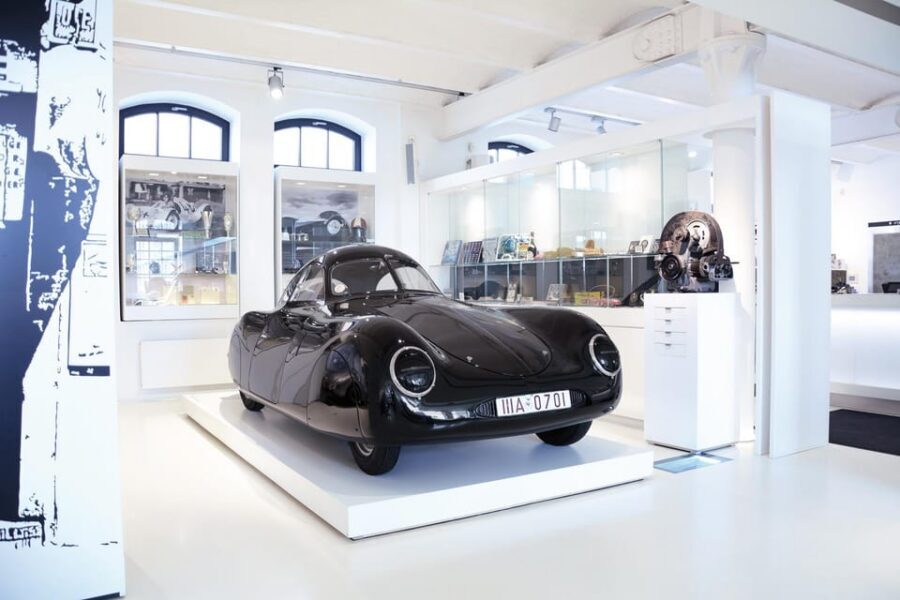
One of the easiest ways to understand why people love this museum is the simple fact that it has a Porsche 365 driving simulator.
You’re not just looking. You’re driving—at least in a simulated way—and the highlight is explicit: you can set your personal best. That turns the visit into something competitive and repeatable, even if you only do one or two runs.
Practical tip: treat the simulator like a checkpoint. Don’t leave it until the very end of the day. Once you’ve used it, you’ll spend the rest of the time with a clearer sense of how racing steering and acceleration feel in the museum’s context. Then you’ll enjoy the exhibits afterward even more, because you’re connecting the machine to a sensation.
Another practical note: hands-on attractions often mean queues. The museum has seat-in moments too (more on that below), so plan to be patient if you arrive at a busy time.
A few more Hamburg tours and experiences worth a look





The orange Porsche sit-in moment (and how to deal with waits)
There’s a specific sit-in experience that tends to catch attention: an orange Porsche that visitors can get into. That’s a big deal because it turns “reading about design” into “feeling scale and layout.” You start noticing seating height, visibility, and how the cabin suggests driver focus.
The trade-off is time. Sit-ins tend to be popular. If the orange car is busy, you may face some waiting—especially when kids are involved, since it’s the kind of attraction that makes families linger.
How to handle it without stressing:
- If there’s a line, keep moving. Come back later rather than hovering.
- If you do manage to get in, spend a minute adjusting position and looking around. You’ll learn more from a short intentional look than from rushing in and out.
A simple self-guided loop that works in real time
Because entry is self-guided (no guided tour included), you’ll get the best experience by thinking like a museum marathoner, not a museum sprinter.
Here’s a loop I’d recommend for most visitors:
1) Start by scanning the timeline
Begin with the eras and the overall structure. The museum is built around sports and racing progression, so get your bearings fast. Don’t get stuck on the first few cars. You want the “shape” of the exhibit in your head first.
2) Pick one early anchor point
Look for the early reference: the Porsche Type 64 (1939). I like using one early anchor because it gives meaning to everything that follows. When you later see newer racing approaches, you’ll understand what changed—and why.
3) Follow one people-and-design thread
Take time with the story-focused elements tied to racing figures and designers. Names like Graf Trips and Prof. Porsche aren’t just trivia; they help you connect engineering with ambition and risk.
4) Make simulator time a mid-visit stop
Plan to do the Porsche 365 simulator in the middle rather than at the end. That way, you don’t feel rushed if you’re waiting, and you also don’t end the visit with the most active moment and lose the rest of the exhibits.
5) Finish with sit-in moments and your favorite details
Then circle back for the fun, tactile parts—like the orange Porsche sit-in. If you’re into photos, this is when you’ll want to take your time.
This loop helps you avoid the most common self-guided problem: spending too long in one corner and then realizing the hands-on stuff is now closed for the day.
Timing in Hamburg: opening hours and last admission
Plan around opening times: PROTOTYP is open Tuesday to Sunday from 10:00 a.m. to 6:00 p.m., with last admission at 5:30 p.m.
For a best-value visit, I’d arrive with enough room to do everything without rushing. If you wait too late, you might feel pressured to skip the simulator or rush the sit-in.
A smart strategy in Hamburg: if you’re also doing nearby sights like the Elbphilharmonie area or Speicherstadt, pick one as your morning anchor and the museum as your afternoon “reset.” That way, you get a mix of architecture walks and indoor car time.
Parking, queues, and the small-museum reality check
The museum’s compact size is part of its charm. You’re not trapped in a huge complex where you lose half a day to transit inside. Still, compact doesn’t mean friction-free.
Two real-world considerations:
- Parking near the museum can be limited. If you’re driving, you may need a little patience or flexibility.
- Hands-on areas can have waits, especially for seat-ins and simulator time.
If you’re the kind of visitor who hates delays, you’ll still be fine—just build in buffer time. And if you arrive mid-day, expect the possibility of small crowds. On the bright side, the museum layout is manageable, so you won’t lose your whole plan just because one attraction is occupied.
Also keep your expectations calibrated. Some visitors who already know major car museums in Stuttgart may find this museum less spectacular in scale. I’d frame it like this: PROTOTYP is concentrated and well-focused, not a massive “day-long” megamuseum.
Who should book this Automuseum PROTOTYP ticket?
You’ll likely love it if:
- You want racing history without committing to hours of deep technical study
- You enjoy story-driven labels and want names like Graf Trips and Prof. Porsche tied to what you’re seeing
- You like hands-on moments, especially the Porsche 365 simulator
- You’re doing a HafenCity / Speicherstadt day and want an indoor activity that still feels authentic
You might think twice if:
- You’ve already spent time at very large, high-gloss automotive museums and you’re hoping for the same level of scale and spectacle
- You’re driving and need guaranteed easy parking
Should you book the Automuseum PROTOTYP ticket?
I’d book it if you want a focused, enjoyable Hamburg stop that mixes serious racing vehicles with approachable stories and at least one hands-on payoff. For about $15, it’s a solid deal because you’re buying entry to a carefully themed experience, not just a random room of cars.
If you’re on a tight schedule, this works because it’s designed to be consumed in a day—especially when you pair it with nearby sights. If you’re chasing the biggest museum experience possible, you may find it smaller than you hoped.
Bottom line: if you’re even a little into sports cars or motorsport history, and you’re visiting Hamburg anyway, this ticket is a smart use of time.
FAQ
What is the price of the Hamburg Automuseum PROTOTYP ticket?
The price is listed as $15 per person.
How long can I use the ticket?
The ticket is valid for 1 day. You’ll need to check availability to see the starting times.
What’s included with admission?
Admission to the automotive museum PROTOTYP is included.
Is a guided tour included?
No. A 1-hour guided tour is not included with the entry ticket.
Where do I go when I arrive?
Go to the museum entrance at Shanghaiallee 7, 20457 Hamburg. Admission is on the 1st floor.
What are the opening hours?
The museum is open Tuesday to Sunday from 10:00 a.m. to 6:00 p.m., with last admission at 5:30 p.m.
What languages are available?
Languages are listed as German and English.
Is it wheelchair accessible?
Yes, the museum is listed as wheelchair accessible.
What is the cancellation policy?
Free cancellation is available up to 24 hours in advance for a full refund.