REVIEW · HAMBURG
Die Kiez-Kapitän Hamburger Stadtführung & Speicherstadt Tour
Book on GetYourGuide →Operated by Die Kiez-Kapitän Hamburg Touren · Bookable on GetYourGuide
Hamburg tells its history as you stroll. This Die Kiez-Kapitän walk strings together the Alster, city center landmarks, and the UNESCO-listed Speicherstadt so the city’s 1200-year story makes sense fast. I like that the guide keeps things moving but never feels rushed, so you’re actually absorbing what you’re seeing.
I especially like the storytelling style, with real moments and details you can picture: the Hamburg fire of 1842, the Great Hamburg Flood of 1962, and even the kind of odd local detail that makes Hamburg feel human. The route also includes the St. Nikolai Memorial, where the wartime destruction story lands with the right weight.
One possible drawback: the tour focuses on sights and explanations, not an inside visit. You’ll get a look toward the Elbphilharmonie area, but an actual concert-hall visit isn’t part of the tour.
In This Review
- Key moments you’ll remember
- Jungfernstieg meeting point: start on the water, not in confusion
- Alster to Town Hall: getting the Hanseatic map in 30 minutes
- Chamber of Commerce and Patriotic Society: power with names and dates
- Trostbrücke and Laeiszhof: bridges and courtyards that tell trade stories
- St. Nikolai Memorial and the wartime story: the moment that changes the tone
- Deichstrasse and the flood stories: why water can be a threat
- Speicherstadt brick warehouses: UNESCO explained without the lecture vibe
- HafenCity to the Elbphilharmonie viewpoint: old port meets new design
- Timing and group energy: why the 2 hours often feel longer
- Value check: is $18 a smart spend for this route?
- Should you book it?
- FAQ
- What’s the duration of the Die Kiez-Kapitän Hamburger Stadtführung & Speicherstadt Tour?
- Where is the meeting point?
- Is the tour guided or self-guided?
- Is the Elbphilharmonie visit included?
- Do I need to arrange my transport to the meeting point?
- Is the tour wheelchair accessible?
Key moments you’ll remember
- Alster start at Jungfernstieg 58 right by the water, easy to orient yourself
- Hanseatic power stops like City Hall and the Chamber of Commerce, explained in plain terms
- Big Hamburg disasters: the 1842 fire and the 1962 flood, placed where you can picture them
- St. Nikolai Memorial and what it means for how the city rebuilt
- Speicherstadt brick warehouses along the Elbe, including why they’re a UNESCO site
- Elbphilharmonie viewpoints to connect old port Hamburg with the new architecture
Jungfernstieg meeting point: start on the water, not in confusion
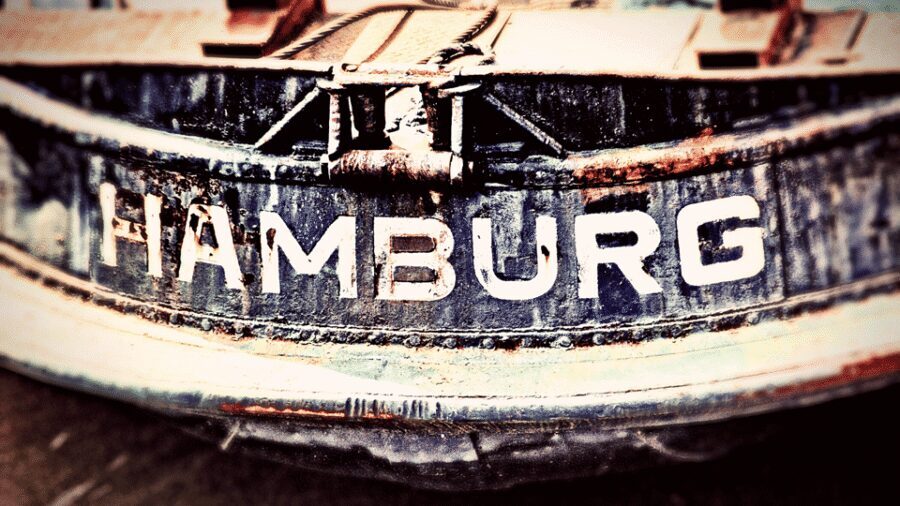
The tour meets at Jungfernstieg 58, right by the water at Anleger Nr. 1 for the Alsterschiffe. That matters because you begin with a clear sense of direction: you’re on the Alster edge, not somewhere hidden in the back streets.
It’s also a practical location for transport. The meeting point is near the S-/U-Bahn and several bus lines, so you can usually link it with the rest of your day without a long commute. I like that the tour starts where Hamburg feels like a waterfront city—immediately.
Other Reeperbahn and St. Pauli tours we've reviewed in Hamburg



Alster to Town Hall: getting the Hanseatic map in 30 minutes
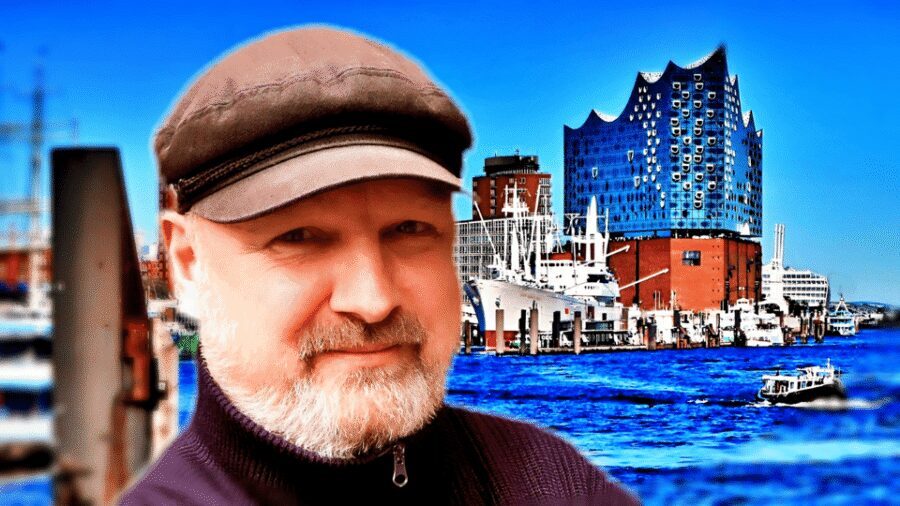
From the Alster you quickly learn the basic Hamburg “logic”: how trade and the river shaped the city’s priorities. This isn’t a vague history lecture. It’s timed to landmarks—so when you’re told why merchants cared about access to the water, you can point at the harbor-influenced view around you.
Then you move into the center of power with the Hamburg Townhall. This stop is where you start connecting the city’s decisions to the buildings you’re standing in, rather than treating them like a string of pretty facades. You’ll also hear context that helps you understand why Hamburg evolved the way it did over centuries.
For me, the best part of this stretch is how the guide turns “old” into “useful.” You end up learning a mental map: what’s civic, what’s commercial, and what’s tied directly to maritime life.
Chamber of Commerce and Patriotic Society: power with names and dates
The route passes the Hamburg Chamber of Commerce, followed by the Patriotic Society of 1765. These stops give you more than architecture. They explain institutions—who organized trade, who funded civic life, and why certain buildings and groups mattered.
You’ll also notice how the tour pace supports questions. A couple of people in your group can steer the conversation, and the guide can adjust. I found that the tour format works well if you like back-and-forth instead of being locked into a one-way lecture.
If you prefer tours where every stop has a point, this part is strong. You’ll walk away understanding why these places weren’t just symbolic; they were functional.
Trostbrücke and Laeiszhof: bridges and courtyards that tell trade stories
Between the bigger landmarks, the guide includes smaller-but-meaningful stops like Trostbrücke and Laeiszhof. These are the kind of places that most people speed past, but in a 2-hour format you still get a reason to look twice.
Bridges are especially useful in Hamburg because they force you to think about movement: how people crossed between districts, how waterfront access connected neighborhoods, and how the city’s layout supported commerce. You’re not just photographing; you’re learning how Hamburg is stitched together.
Laeiszhof fits that same idea. Even without going deep into architectural jargon, you get enough context to understand what you’re seeing and why it’s part of the Hanseatic city story.
St. Nikolai Memorial and the wartime story: the moment that changes the tone
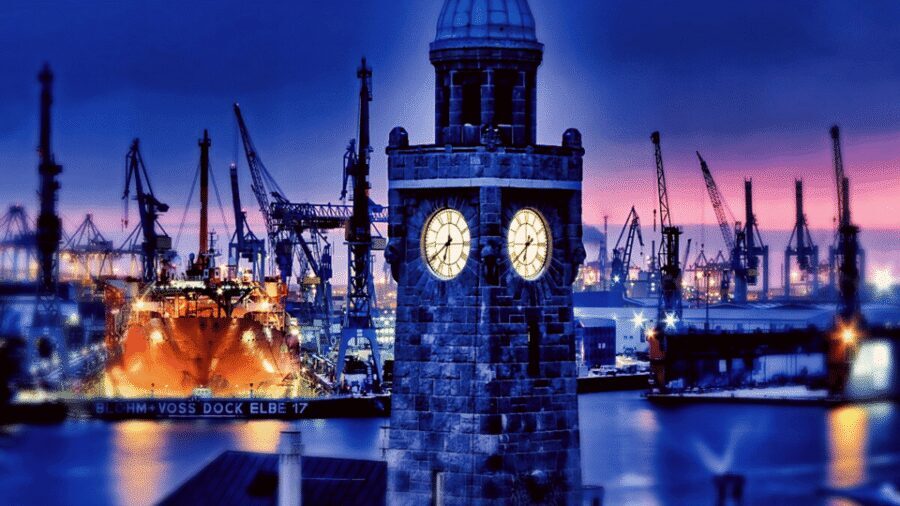
At St. Nikolai Memorial, the tone shifts. This is where the guide talks about the destruction of Hamburg during World War and what that memorial represents today. It’s a heavy topic, but it’s placed on the route so it doesn’t feel random.
What I like here is the balance. You’re learning not only what happened, but how the city remembers it—where memory sits in the streetscape. That helps the rest of the day feel connected, not like separate sightseeing stops.
If you’re the kind of person who needs context before taking pictures, this is a good place to slow down. You’ll probably want a few extra moments to read details at your own pace after the guide’s explanation, so you can let the memorial’s meaning land fully.
Other harbor and port cruises in Hamburg




Deichstrasse and the flood stories: why water can be a threat
After St. Nikolai, you’ll walk through Deichstrasse as part of the story sequence. Here the Great Hamburg Flood of 1962 comes into play, and it makes a big difference to hear it while you’re walking through the part of town where the landscape and water relationship are obvious.
This section is where you start understanding that Hamburg’s waterfront identity isn’t only about views. It’s also about planning, protection, and the city’s ongoing relationship with water levels and risk.
You’ll leave this stretch with a clearer reason for why certain streets and structures exist where they do. It turns geography into cause-and-effect, and that makes the walk more memorable.
Speicherstadt brick warehouses: UNESCO explained without the lecture vibe
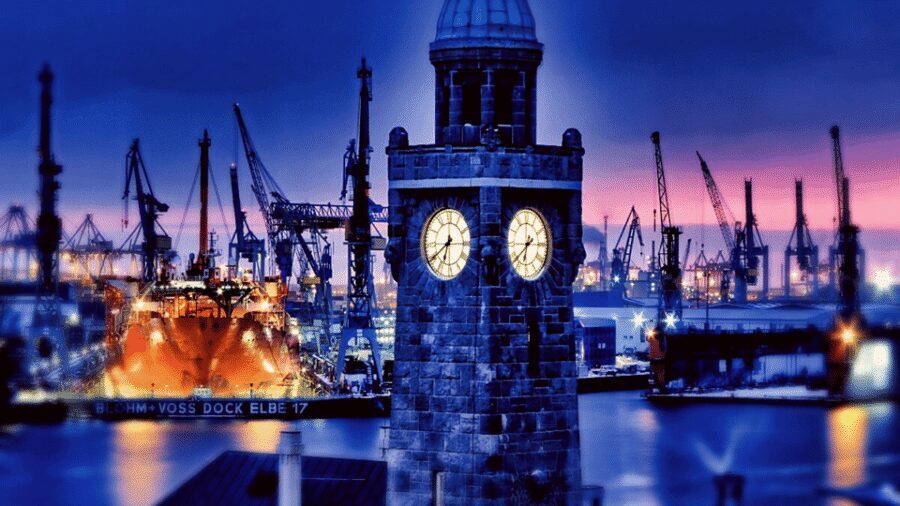
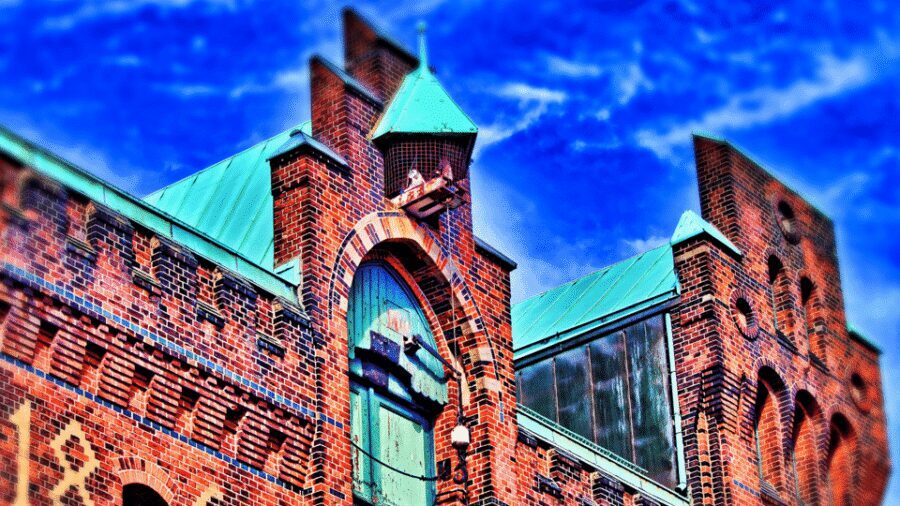
Then comes the main event: Speicherstadt. This is where the tour earns its reputation, because you’re surrounded by the brick warehouses that define this part of Hamburg—and you’re hearing why. The guide explains the history of the brickstone Speicherstadt in the Elbe area, so you understand what the warehouses were built to do and why they’re still important.
This is also the moment where the tour’s “1200 years” claim feels real. You can see how old trade structures remain at the center of the city’s identity. Even if you’re not into history for history’s sake, the architecture does the convincing.
And yes, you’ll hear extra seafaring flavor along the way. The guide also connects Hamburg’s maritime culture through stories that include Hans Albers and the old and new port on the Elbe. That kind of detail helps the warehouses feel less like museum props and more like working-city remnants.
HafenCity to the Elbphilharmonie viewpoint: old port meets new design

From Speicherstadt you continue into HafenCity, where the look changes. Instead of warehouse walls, you start seeing the city’s newer face, and the contrast helps you appreciate what Hamburg built first—and what it chose to reinvent later.
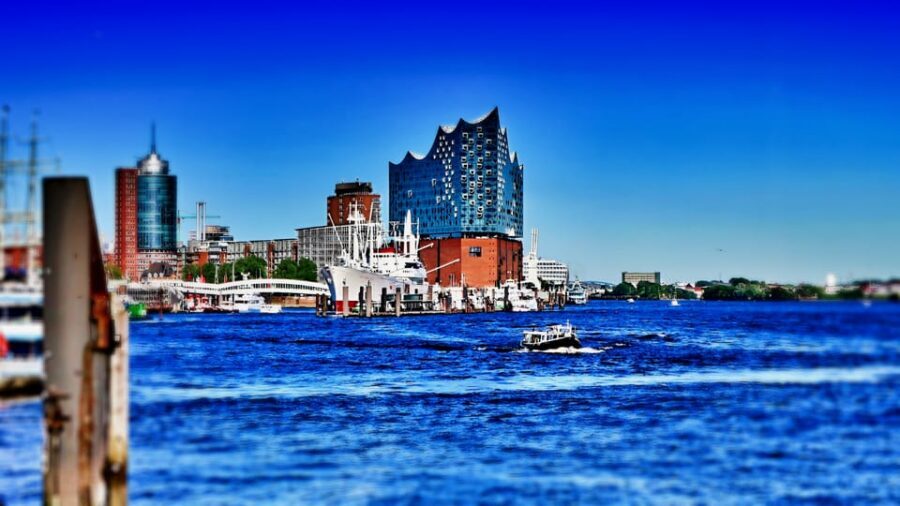
Finally, the route leads you to the Elbphilharmonie area. You’ll get a wonderful view toward the concert hall from the outside, and that’s exactly the right approach for a 2-hour walk. You see it in context, not in isolation, so it feels like part of the waterfront story rather than a standalone attraction.
Important detail: a visit inside the Elbphilharmonie isn’t included. But after the tour, you can visit the Elbphilharmonie Plaza, where tickets are available free of charge at the entrance (entrance costs may apply for larger groups). If you want to hear music later, plan your own timing—this tour sets you up well.
Timing and group energy: why the 2 hours often feel longer
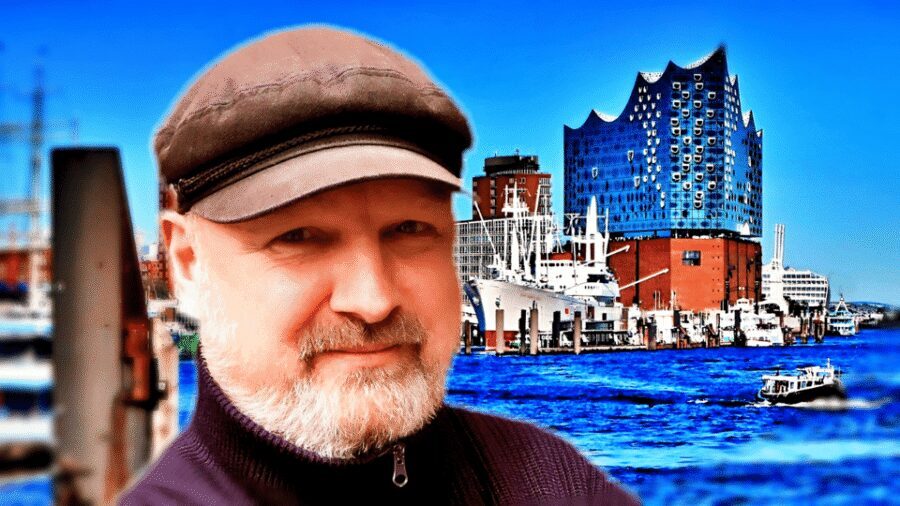
The tour is scheduled for 2 hours, and it includes a lot of walking between major points. What helps is the pacing: short explanation blocks, frequent changes of scenery, and stories tied to the specific landmark you’re at.
I also think this tour benefits from smaller group energy when it happens. In at least some cases, the guide, Jens Hartmann (Kiez-Kapitän), has been known to add extra time beyond the planned 2 hours. That’s not something you should count on, but it does match what the tour is built for: answering questions and keeping the flow alive.
Because it’s conducted in German, you’ll enjoy it most if you’re comfortable with German (or at least listening without needing every word translated). The upside is that the guide’s explanations are structured enough that even your non-fluent moments should connect to what you’re seeing.
Value check: is $18 a smart spend for this route?
At about $18 per person for a 2-hour guided walk, the value comes from concentration. You’re covering several iconic Hamburg stops—Alster, City Hall area, memorial ground, Speicherstadt, HafenCity, and the Elbphilharmonie viewpoints—without needing to plan transfers between attractions.
You’re also paying for interpretation. Standing in Speicherstadt is impressive, but the tour adds the “why” behind the brick warehouses and places key events like the 1842 fire and 1962 flood into the route where they make sense. That’s the kind of value that’s hard to get from a phone map.
If you’re on a tight schedule and want the city’s story line, this price is reasonable. If you have all day and prefer to wander without a structured route, you might not need a guide. But for a focused introduction to Hamburg’s Hanseatic core, it’s a strong deal.
Should you book it?
I think you should book this tour if you want a high-impact Hamburg overview that connects buildings to real events. It’s a great fit for first-time visitors who want order without turning the walk into a checklist.
Book it if you like guides who tell stories with specific details—like the poodle-on-the-roof bit and the seafaring references that link culture to place. And if you’re planning to continue afterward near the waterfront, ending at Am Sandtorkai 68 is a convenient payoff: you’re already positioned to keep exploring.
Skip it only if you strongly prefer an inside visit to the Elbphilharmonie or you need a non-German guide. Otherwise, the route is well built for learning fast and seeing the city in a way that sticks.
FAQ
What’s the duration of the Die Kiez-Kapitän Hamburger Stadtführung & Speicherstadt Tour?
The tour lasts 2 hours.
Where is the meeting point?
You meet at Jungfernstieg 58, 20354 Hamburg, directly by the water at Anleger Nr. 1 for the Alsterschiffe.
Is the tour guided or self-guided?
It’s a live guided tour with a guide speaking German.
Is the Elbphilharmonie visit included?
No, the tour includes a view toward the Elbphilharmonie area, but a visit inside is not included. After the tour, you can visit the Elbphilharmonie Plaza on your own.
Do I need to arrange my transport to the meeting point?
Getting to the starting point at Jungfernstieg an der Alster is not included.
Is the tour wheelchair accessible?
Yes, it is listed as wheelchair accessible.