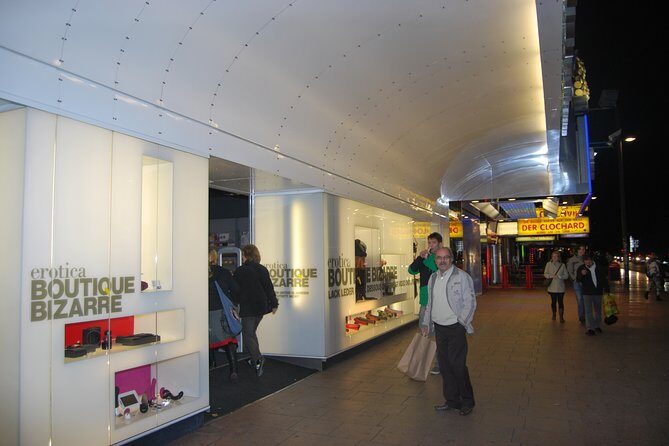
REVIEW · HAMBURG
CSI St. Pauli – Crime Scene St. Pauli
Book on GetYourGuide →Operated by Landgang St. Pauli · Bookable on GetYourGuide
Crime has a street address here. CSI St. Pauli is a focused, 90-minute guided walk through Hamburg’s St. Pauli district that explains crime and control alongside the history of prostitution. I like the way it connects street-level stories to bigger changes in law and policing, and I like the clear, crime-scene style structure. One drawback to consider: if you book English, make sure you’re comfortable with the guide’s speaking pace and volume, since timing and clarity can make or break a short tour.
You’ll meet at Millerntorplatz 1 by Five Guys and then follow the trail on foot through the entertainment district. The best part is that the tour’s “case file” approach keeps things grounded: murder cases, gang meeting spots, and how pimps and prostitutes learned to operate under the radar over decades. If you’re after a history lesson that feels like a walk-and-talk, this is a solid pick—just wear comfortable shoes, because it runs in any weather.
In This Review
- Key Highlights You’ll Actually Care About
- Entering St. Pauli’s “Case File” Atmosphere at Millerntorplatz
- What You Learn: Law and Order Meets the History of Prostitution
- The Spartacus League and Reeperbahn Raids You’ll Hear About
- Werner Mucki Pinzner: The Murder Case Thread
- Following the Trail: Crime Scenes and Gang Meeting Points
- How the Tour Works in Real Life: Timing, Language, and Pace
- Price and Value: Is $31 Worth 90 Minutes?
- Who This Tour Is Best For (and Who Might Skip It)
- Should You Book CSI St. Pauli?
- FAQ
- How long is the CSI St. Pauli tour?
- Where does the tour start?
- How much does it cost?
- What languages are available?
- Is the tour wheelchair accessible?
- Does the tour run in any weather?
- Is it a private group tour?
- Is there a minimum number of participants?
- What is included in the ticket?
- What is the cancellation policy?
- Is there a reserve and pay later option?
Key Highlights You’ll Actually Care About
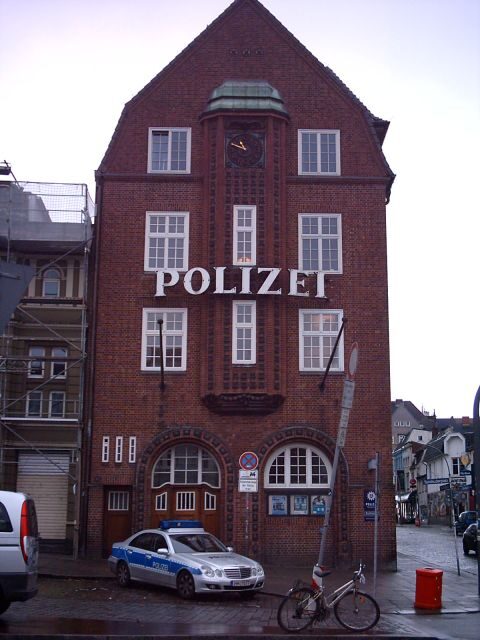
- Crime-scene storytelling focused on what happened and how authorities responded in different eras
- Murder case spotlight on Werner Mucki Pinzner and the way the case is presented
- Reeperbahn context including raids linked to the Spartacus League
- Prostitution history from WWI to around 1990—not just gossip, but changing enforcement
- Walkable “meeting points” where local gangs are discussed as part of the story
Entering St. Pauli’s “Case File” Atmosphere at Millerntorplatz
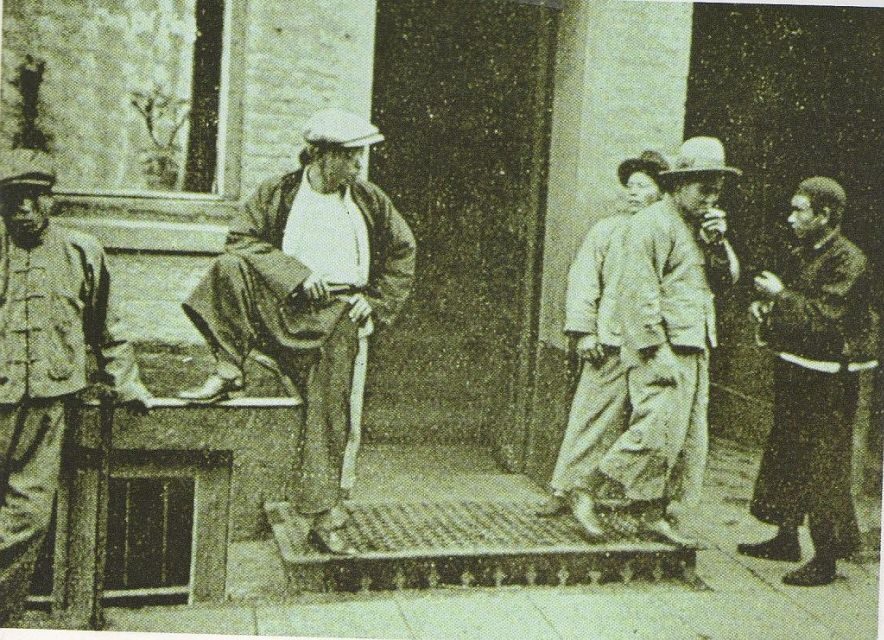
This tour is built for a specific kind of travel moment: you don’t just pass through St. Pauli on the way to dinner. You start on Millerntorplatz 1, right by Five Guys, and then you’re guided into the darker side of Hamburg’s most famous entertainment area. In 90 minutes, the guide keeps pushing the same question: where did crime happen, and how did society try to control it?
I like how the meeting point is straightforward and easy to find. You’re also not stuck doing logistics for half the day. You show up, you get a guide, and you move.
The tone is direct. The topic is about prostitution history, pimps, murders, and law and order—so it’s not “ghost tour” spooky. It’s more like urban history with a sharper edge. You’ll want comfortable shoes, because it runs in any weather. Plan on walking at a steady pace for a short time, not browsing.
And because it’s a private group format (minimum 2 people), you’re more likely to get the kind of conversation that makes a history topic feel personal. One example: a guide named Eva is noted for offering a strong program and being flexible about questions, which is exactly what you want from a tour like this.
Other Reeperbahn and St. Pauli tours we've reviewed in Hamburg



What You Learn: Law and Order Meets the History of Prostitution
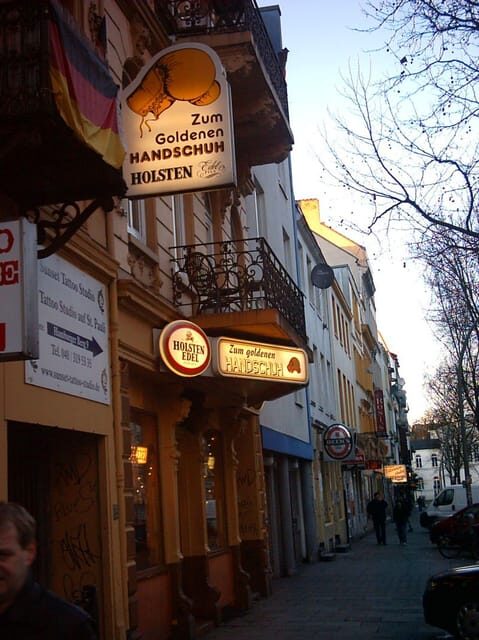
The heart of CSI St. Pauli is the way crime is framed and policed—then and now. The tour focuses on how St. Pauli’s underworld was persecuted and defined across time, starting around the First World War and continuing to roughly 1990. That time span matters, because it lets the guide show how “crime” isn’t just a static label. It changes depending on politics, enforcement priorities, and social attitudes.
Instead of only naming characters, the tour pushes you to understand systems:
- How authorities tried to impose order in a district tied to nightlife and sex work
- How pimps kept operating under the radar while still causing trouble in shady bars
- How enforcement strategies and public tolerance shifted across decades
If you’re used to history tours that feel like dates and buildings, this one is different. It uses the street map as the lesson plan. You’re learning how a district works when profit, power, and enforcement collide.
Practical value for you: if you want to understand what you see around the Reeperbahn today, this tour gives context. You’ll likely walk away noticing that the neighborhood’s story isn’t only about nightlife—it’s also about control, stigma, and constant negotiation.
The Spartacus League and Reeperbahn Raids You’ll Hear About
A big storyline on this tour is the Spartacus League and their infamous raids along the Reeperbahn. This is where the walk starts to feel like history you can picture. The guide doesn’t just mention a group; they connect it to a specific street-level setting—bars, crowds, and the kind of conflict that emerges when organized groups challenge the established order.
Why this part is valuable: raids create turning points. When someone moves from rumor to action, you get changes in tactics—on both sides. You’ll hear how disorder is responded to, and you’ll get a sense for how enforcement can intensify pressure rather than solve the root problems.
Also, raids are useful as a storytelling tool. They’re concrete. You can map them to the Reeperbahn atmosphere you already know from postcards and nightlife. Even if you’re new to the district, you’ll get your bearings fast because the raid story anchors the route.
Possible drawback: because the tour is only 90 minutes, this topic is likely handled in a “high points” way rather than an academic lecture. If you want a deep research dive, you might feel like you’re being given the highlights. Still, for a walking tour, it’s a strong way to keep momentum.
Werner Mucki Pinzner: The Murder Case Thread
The tour’s crime highlights include the murders of Werner Mucki Pinzner, which is presented as a major thread of the experience. When a tour gives you a named case like this, it does more than scare you—it gives you a structure.
Here’s what to expect from this kind of stop:
- A focus on how the case is discussed as part of St. Pauli’s crime landscape
- Context that links a specific murder to the district’s longer-running patterns
- A sense of how fear, media attention, and policing can interact with local power
Why I think this is a smart choice for visitors: a named case gives your brain a handle. Instead of trying to remember dozens of names and dates, you leave with at least one strong “case” to hold onto. That makes the broader story easier to understand.
One more thing: murder history in an entertainment district can feel heavy, so the tour’s approach matters. The best version of this tour keeps it factual and explanatory—showing how persecution worked and how definitions of wrongdoing changed. The goal isn’t shock; it’s understanding.
Following the Trail: Crime Scenes and Gang Meeting Points
A standout part of this experience is that it includes various crime scenes and the meeting points of local gangs. That’s what turns the tour from “lecture while walking” into something more immersive—without needing fancy effects.
You’ll move through the district with the guide pointing out story locations tied to the crime narrative. This kind of urban storytelling helps you connect three things:
- Where events happened
- How groups operated and overlapped
- How authorities responded in different periods
For you, this matters because it’s easy to visit St. Pauli and still not truly understand it. The district can look like a maze of bars and streets. Crime-scene storytelling makes it legible. You stop seeing it as just scenery and start seeing it as a map of incentives and power.
Drawback to consider: with so much to cover in 90 minutes, the tour may feel like it moves quickly between key points. If your priority is slow, detailed site reading, this might not be the format. But if you want an efficient, guided “walk the story” experience, the time boxing is part of the value.






How the Tour Works in Real Life: Timing, Language, and Pace
CSI St. Pauli is 90 minutes. That number is important because it shapes everything: the depth you’ll get at each location and how much time the guide can spend answering questions.
The tour offers German and English. If you’re booking in English, think about your own comfort level with spoken history in a short format. I’d recommend arriving ready to listen closely. With a topic like this, you want to catch names and context the first time.
You’ll also want to factor in weather. It takes place in any weather, and comfy shoes are recommended. In practical terms, that means plan for slick sidewalks in rain and breathable layers in warmer weather.
Group type is private, and the minimum group size is 2 people. That matters for you if you’re traveling as a couple or small party. Private group formats often make it easier to adjust pacing and focus—especially if you have specific questions about law enforcement or prostitution history.
One thing I’d keep an eye on is timing control. In a 90-minute tour, small delays can cause you to miss planned stops. When a guide runs behind, the experience can feel cut. If clear scheduling is important to you—like you have dinner reservations—pick a time slot that gives you breathing room.
Price and Value: Is $31 Worth 90 Minutes?
At about $31 per person for a 90-minute guided tour, the value comes from three places: the focus, the storytelling structure, and the fact that it’s guided at all.
First, it’s not a long tour. You’re paying for a compact experience with a strong theme: crime, policing, and the evolution of prostitution in St. Pauli across roughly a century. That focus is why it can justify the price even without major museum entry fees.
Second, the guide is doing the heavy lifting. Instead of you trying to connect dots on your own from street signage and Google searches, you get a guided narrative linking people, eras, and specific “where” points—crime scenes and gang meeting points.
Third, a private group format usually improves the experience if you’re the kind of traveler who likes questions. When a guide like Eva can be flexible about curiosity, that turns the same tour content into something more personal.
So who should consider this price? If you like urban history, crime stories handled responsibly, and short guided walks, it’s easy to say yes. If you want a slow-paced, deeply researched lecture with lots of reading time, you may feel this is too short for what you want.
Who This Tour Is Best For (and Who Might Skip It)
CSI St. Pauli fits best if you enjoy:
- Street-level history in a real neighborhood setting
- Crime narratives tied to law and policing changes over time
- Learning how social systems shape what gets labeled as crime
- Visitors who like guided structure more than wandering alone
It might not be your best choice if:
- You want only light entertainment district sightseeing
- You prefer educational content without topics involving prostitution and murder
- You need a very slow, ultra-detailed stop-by-stop explanation
If you’re traveling with someone who is okay with dark subject matter but appreciates context, this can be a great shared experience. It’s also a strong option for people who have done the big “sights” already and want the neighborhood’s backstory.
Should You Book CSI St. Pauli?
I think this is a good booking for the right mindset. If you want a compact, guided walk that helps you understand St. Pauli as more than nightlife—using crime scenes, gang meeting points, and named cases like Werner Mucki Pinzner—this tour earns its place.
Book it if you’re comfortable with dark history and you like learning through location-based storytelling. Skip or be cautious if you strongly depend on smooth English narration or if you need a very unhurried pace, since 90 minutes is tight.
If you do go, do yourself a favor: arrive ready to listen, wear real shoes, and keep your schedule flexible enough that a short delay won’t wreck your evening.
FAQ
How long is the CSI St. Pauli tour?
It lasts 90 minutes.
Where does the tour start?
You meet at Millerntorplatz 1, Hamburg, in front of Five Guys.
How much does it cost?
The price is $31 per person.
What languages are available?
The live guide offers German and English.
Is the tour wheelchair accessible?
Yes, it is wheelchair accessible.
Does the tour run in any weather?
Yes, it takes place in any weather, and comfortable shoes are recommended.
Is it a private group tour?
Yes, it’s listed as a private group.
Is there a minimum number of participants?
Yes, the minimum is 2 persons.
What is included in the ticket?
Company of a guide.
What is the cancellation policy?
Free cancellation is available up to 24 hours in advance for a full refund.
Is there a reserve and pay later option?
Yes, you can reserve now and pay later.