REVIEW · HAMBURG
Hamburg: St. Pauli 1.5-Hour Tour
Book on GetYourGuide →Operated by Landgang St. Pauli · Bookable on GetYourGuide
Hamburg’s St. Pauli changes fast, but the story doesn’t. This 1.5-hour tour gives you a smart way to understand the district’s past and present, starting right outside the Davidwache police station and moving through key places like Davidstrasse, St. Pauli Church, Beatles-Platz, and Grosse Freiheit. I love how the guide uses historical photos and original sources to show what changed, and I really like the small-group feel that makes it easy to ask questions.
The best part for me is that you’re not stuck on one loud stretch. You get a tour that includes both the well-known corners and some quieter side streets, so you leave with a more accurate picture of the neighborhood. The one possible drawback: if you’re hoping for an inside look at clubs or venues, this tour is designed for street-level context, so you’ll mainly be outdoors, which matters on a cold or rainy day.
In This Review
- Key Things to Know Before You Go
- Meeting at Davidwache: A Smart Start for First-Time St. Pauli
- The Tour Method: Photos, Original Sources, and a Street-Level Comparison
- Davidstrasse and Hans-Albers-Platz: Where the Neighborhood’s Story Shows Up in Plain Sight
- St. Pauli Church: A Break from Noise That Makes the District Make Sense
- Beatles-Platz: Pop Culture Meets Local Context
- Grosse Freiheit and the Streets Beyond the Reeperbahn
- Time, Group Size, and the Pace: 1.5 Hours That Actually Works
- Who This Tour Suits Best (and Who Should Skip It)
- Price and Value: Is $30 Worth 1.5 Hours?
- Should You Book This St. Pauli 1.5-Hour Tour?
- FAQ
- Where does the tour start?
- How long is the tour?
- What stops are included?
- What language options are available?
- Is it wheelchair accessible?
- How big are the groups?
- Is there free cancellation?
- Is there a reserve and pay later option?
Key Things to Know Before You Go
- Davidwache police station meeting point: You start at a real local landmark at Spielbudenplatz 31.
- Past vs. present format: Historical photos and original sources guide what you notice today.
- Route includes major touchpoints: Davidstrasse, Hans-Albers-Platz, St. Pauli Church, Beatles-Platz, and Grosse Freiheit.
- Small group size (2–12): You get a more personal pace and room for questions.
- Local-resident guides: The tone stays practical and neighborhood-aware.
- 1.5 hours is an intro: It’s a quick orientation, not a full deep-dive on any single topic.
Meeting at Davidwache: A Smart Start for First-Time St. Pauli
If you want to understand St. Pauli, start with a place that anchors the neighborhood. This tour begins at Spielbudenplatz 31, in front of the Davidwache police station, where you get a short introduction before you step into the story.
Why I like this approach: it sets a tone. St. Pauli is famous for nightlife and for its reputation, but the district also runs on everyday local life, history, and rules that keep things functioning. Starting here gives you context fast, so the rest of the walk doesn’t feel like random stops with random facts. You’re already oriented.
You’ll also appreciate the “short intro, then walking” style. At 1.5 hours total, there’s no time wasted on long lectures before you actually see the streets.
Other Reeperbahn and St. Pauli tours we've reviewed in Hamburg



The Tour Method: Photos, Original Sources, and a Street-Level Comparison
This isn’t just a sightseeing loop. The core of the experience is how the guide frames what you’re looking at. You’ll hear the district’s history with help from historical photos and original sources, then you move along to places that let you compare what was there with what’s there now.
That past-and-present comparison is more than trivia. It changes how you experience the neighborhood. Instead of seeing St. Pauli as a theme, you start recognizing patterns: what neighborhoods replace, what identities keep going, and how architecture and street layout shape the way people use a place.
It also helps you cut through stereotypes. St. Pauli has a reputation that people bring with them. A good guide can turn that into something grounded, and this tour is built for that. You’re shown enough story to understand why the district looks the way it does today, without turning the whole thing into a lecture.
Davidstrasse and Hans-Albers-Platz: Where the Neighborhood’s Story Shows Up in Plain Sight
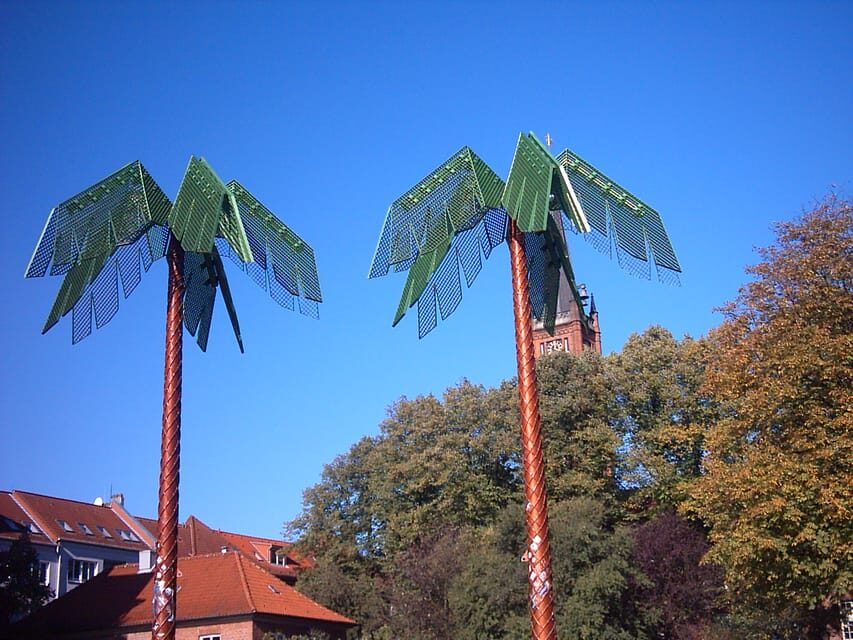
Once you’re moving, you’ll hit stops that work like chapters. Two of those are Davidstrasse and Hans-Albers-Platz.
What you’ll get from these stops is the guide’s local logic: where change happened, where it didn’t, and how the street character connects to the district’s wider history. Even if you’ve walked past streets like this before, the value here is that you’re learning what to pay attention to. That’s the difference between strolling and understanding.
One thing I like in this kind of tour is when the route doesn’t just follow the most obvious postcard views. St. Pauli has a “main drag” that people expect. This walk gives you a wider view, including streets that help explain the district as a place where different kinds of people and activities overlap.
If you’re the type who enjoys architecture, street layouts, and how neighborhoods evolve, you’ll probably find these sections especially satisfying. Reviews also point out that the tour includes streets not immediately tied to the typical Kiez scene, which is a good sign for anyone who wants more than the obvious highlights.
St. Pauli Church: A Break from Noise That Makes the District Make Sense
Next comes St. Pauli Church. This is the kind of stop that can feel out of place on a nightlife-focused itinerary, but in a history-oriented walk it usually does an important job: it reminds you the district isn’t only about entertainment. It’s also about long-running community landmarks and the kinds of institutions people build around them.
I’d treat this stop as a pause. You’ll likely slow down a bit, listen longer, and look around with a different mindset than you were using on the busier streets. When a guide connects a recognizable landmark to the broader story, it helps you see how the neighborhood’s identity kept shaping itself over time, even as the famous reputation grew.
So if you want your St. Pauli experience to feel more three-dimensional than “lights and legends,” this is a useful stop.
Beatles-Platz: Pop Culture Meets Local Context
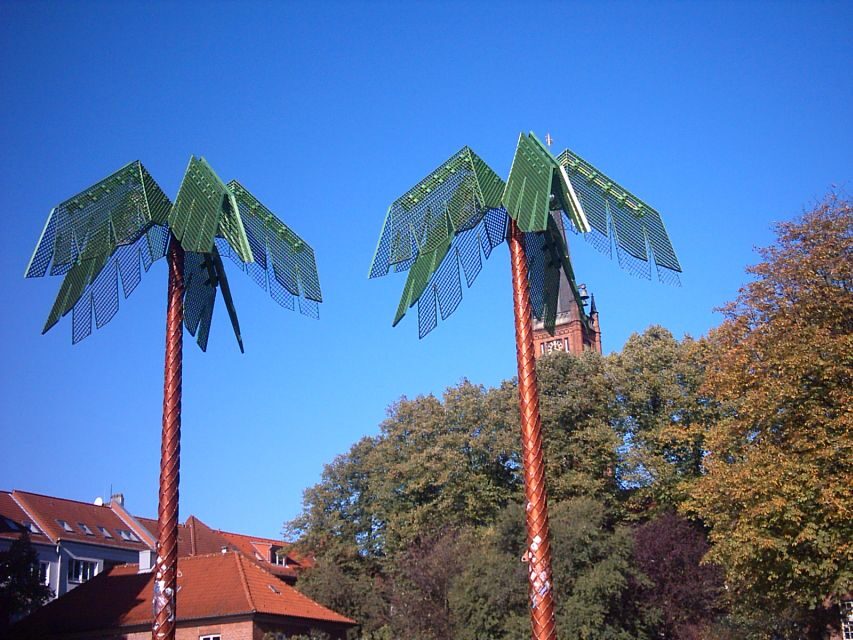
Then you’ll reach Beatles-Platz. The name alone tells you this is a stop tied to the area’s pop-culture footprint. But the tour’s real value isn’t the label. It’s what the guide connects to it—why it’s part of St. Pauli’s story, and how pop cultural references sit next to real neighborhood history.
This is where the tour does something practical: it lets you enjoy the recognizable name without turning it into a fake museum moment. You get to place it back into the district’s timeline and geography, which makes the stop feel like part of a real walk rather than a “photo op and move on.”
If you’re traveling with someone who knows St. Pauli mostly from films, music, or stories, this stop can be a nice bridge between their expectations and what the streets actually tell you.






Grosse Freiheit and the Streets Beyond the Reeperbahn
The tour also includes Grosse Freiheit, one of the district’s signature streets. This is another place where you’ll likely feel the contrast between reputation and reality.
What I like about including this stop late-ish in the tour is that by then you’ve already learned how the guide thinks. You can start noticing how historical context changes your reading of what you see. That street name won’t just be a headline; it becomes a point in a timeline.
And just as important, the walk doesn’t stay trapped on the Reeperbahn-style storyline. The tour takes you through lesser-known corners of St. Pauli, which is where you often get the most authentic “I actually get this neighborhood” feeling. One review-style takeaway I’d strongly support: walking side streets means you’re not only absorbing the most photographed part of town. You’re learning how St. Pauli works as a neighborhood, not just a stage.
Tip from a practical standpoint: if you’re going to explore on your own afterward, those lesser-known corners are gold. You’ll know what to revisit and what you can skip, because the guide has already taught you how to read the area.
Time, Group Size, and the Pace: 1.5 Hours That Actually Works
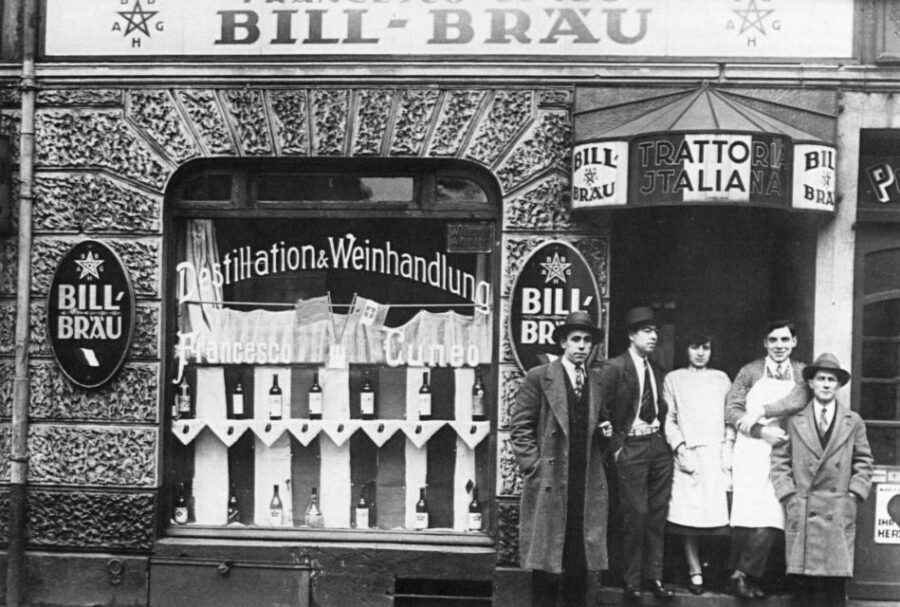
At 1.5 hours, this tour functions like a strong orientation. It’s long enough to give you real context and multiple stops, but short enough that you don’t feel drained halfway through.
The small group size—2 to 12 people—is a big deal here. In a place like St. Pauli, people have questions that pop up fast: about history, about change, about why things are where they are. With a smaller group, you’re more likely to get answers instead of being shuffled along.
Also, the tour is offered in German and English, so English speakers aren’t stuck with a workaround. Reviews highlight that having an English guide can feel rare in this area, and that the pacing was right for learning without feeling rushed. If you like tours that explain rather than just recite, this one fits.
Who This Tour Suits Best (and Who Should Skip It)
This tour is a great fit if you want:
- A St. Pauli intro that connects famous places with the district’s history
- A walk led by locals who understand the neighborhood from the inside
- A small-group experience where you can ask questions and adjust your curiosity on the fly
- An approach that compares past photos to present streets, not just a modern “look at that” route
You might want to choose a different option if you’re mainly after:
- An inside look at venues. One review specifically noted the tour was outdoors only, which lines up with how this is structured.
- A super long format. This is 1.5 hours, so it’s not designed to cover every era in detail.
As for timing, plan this early in your Hamburg trip. It helps you understand what you’ll see later around the district. Then you can follow your interests, whether that’s more walking, more reading, or a slower evening out.
Price and Value: Is $30 Worth 1.5 Hours?
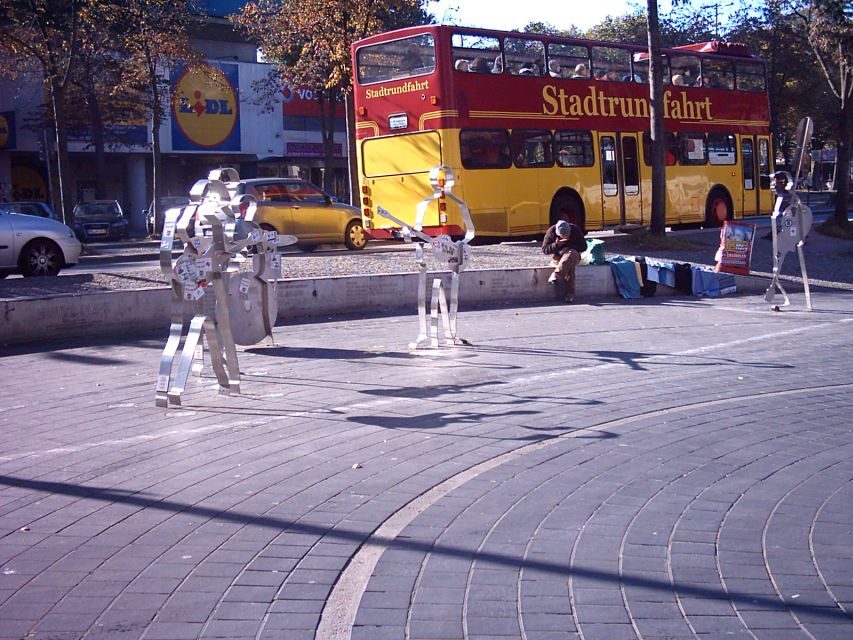
The price is $30 per person for a 1.5-hour guided walk. On paper, that can sound like a standard city-tour price. The reason I think it’s fairly good value is what you get for that time: local guide input, multiple named stops, and a format that uses historical photos and original sources to change how you see the area.
You’re also paying for something practical: an efficient route that covers the big recognizable names (like Beatles-Platz and Grosse Freiheit) while still steering you toward lesser-known corners. That balance tends to save you time. If you tried to figure this out alone, you’d spend your first day guessing what matters and where to look next.
So if you’re choosing between spending time building context on your own and letting a good local guide compress it into a short walk, this tour makes that decision easy.
Should You Book This St. Pauli 1.5-Hour Tour?
I’d book it if you want an organized, local-style introduction to Hamburg’s St. Pauli that helps you see beyond the headlines. The strongest reason to go is the structure: historical photos and original sources, then direct street comparisons at multiple meaningful stops. That’s the kind of tour that makes your later wandering feel smarter.
I’d hesitate if your priority is club interiors or nightlife access. This is built for understanding the district from the outside and learning how the neighborhood’s story shapes what you see today.
If you like walking tours that tell you what to notice, and you want a small-group pace with space for questions, this one is an easy yes. Dress for the weather, bring curiosity, and you’ll likely leave with a much clearer picture of why St. Pauli looks the way it does now.
FAQ
Where does the tour start?
You meet at Spielbudenplatz 31, in front of the Davidwache police station.
How long is the tour?
The tour lasts 1.5 hours.
What stops are included?
The walk covers places including Davidstrasse, Hans-Albers-Platz, St. Pauli Church, Beatles-Platz, and Grosse Freiheit.
What language options are available?
The tour is offered in German and English.
Is it wheelchair accessible?
Yes, the tour is wheelchair accessible.
How big are the groups?
The tour runs in small groups of about 2–12 people.
Is there free cancellation?
Yes, you can cancel up to 24 hours in advance for a full refund.
Is there a reserve and pay later option?
Yes, the tour offers reserve now & pay later, so you can book without paying immediately.