REVIEW · HAMBURG
Hamburg: Reeperbahn & St Pauli Guided Tour with Kiez Insider
Book on GetYourGuide →Operated by Kult-Kieztouren.de · Bookable on GetYourGuide
St. Pauli has a way of talking. This 100-minute guided walk on the Reeperbahn and through St. Pauli’s famous streets mixes entertainment, everyday life, and real neighborhood lore—and it even ends with a shot of German liquor. Two things I like a lot here are the guide’s storytelling energy (including German humor) and the mix of iconic sights with practical context you can use to understand what you’re seeing. One thing to weigh: with a short, 100-minute format, the tour feels like a set of focused stops more than a long crawl where every street corner gets deep treatment.
If you’re looking for a walk that makes the Kiez make sense—without turning it into a lecture—this is a strong pick. I especially like how the route covers recognizable landmarks like Spielbudenplatz, Herbertstraße, and Davidwache, while also addressing the street’s myths and day-to-day reality. Meeting at Schmuckstraße 9 keeps it simple: you show up, match the pace to the group, and let the guide connect the dots.
In This Review
- Key highlights you’ll care about
- Kiez Insider Meet-Up at Schmuckstraße 9
- From Former Chinatown to the Reeperbahn’s Notorious Corners
- Spielbudenplatz and Herbertstraße: Entertainment Streets with Rules and Myths
- Davidwache Police Station: Where Order Meets the Night
- Große Freiheit and the Name Behind the Street
- The Shot of German Liquor: A Small Ritual, Big Personality
- How Much You’ll Actually Get in 100 Minutes
- The Role of the Guide: Humor, Local Voice, and Real Questions
- Price and Value: Is $29 a Good Deal Here?
- Who This Tour Fits Best (and Who It Doesn’t)
- Should You Book the Reeperbahn & St. Pauli Guided Tour?
- FAQ
- FAQ
- How long is the tour?
- Where do I meet the guide?
- What’s included in the price?
- What language is the tour in?
- Is the tour suitable for children?
- Is this tour wheelchair accessible?
Key highlights you’ll care about
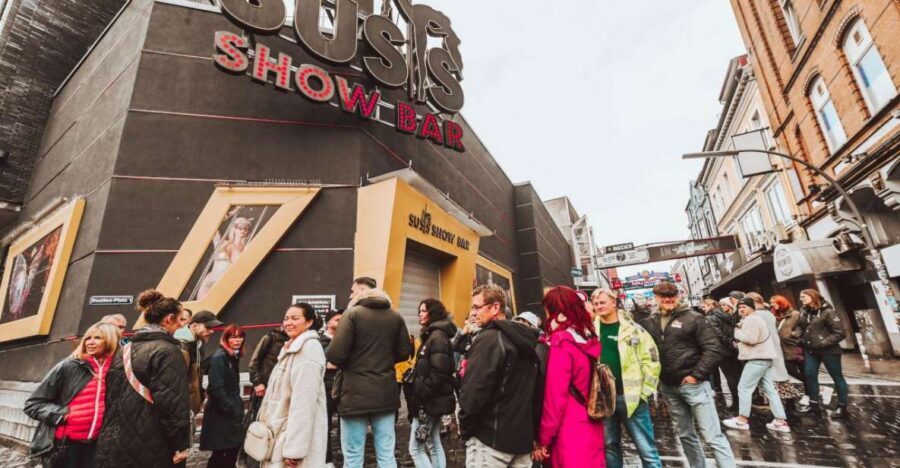
- A guided route that connects St. Pauli’s sights to what people actually did there
- Iconic stops like Spielbudenplatz, Herbertstraße, Davidwache, and Große Freiheit
- Myths answered, including how Große Freiheit got its name and a question about women walking Herbertstraße
- Dark-to-funny contrast, from the former Chinatown area to a notorious bar tied to a mass-murderer among guests
- A shot of authentic German liquor as a small ritual that adds local flavor
- A guide-led pace that works best when you like stories, not just photos
Kiez Insider Meet-Up at Schmuckstraße 9
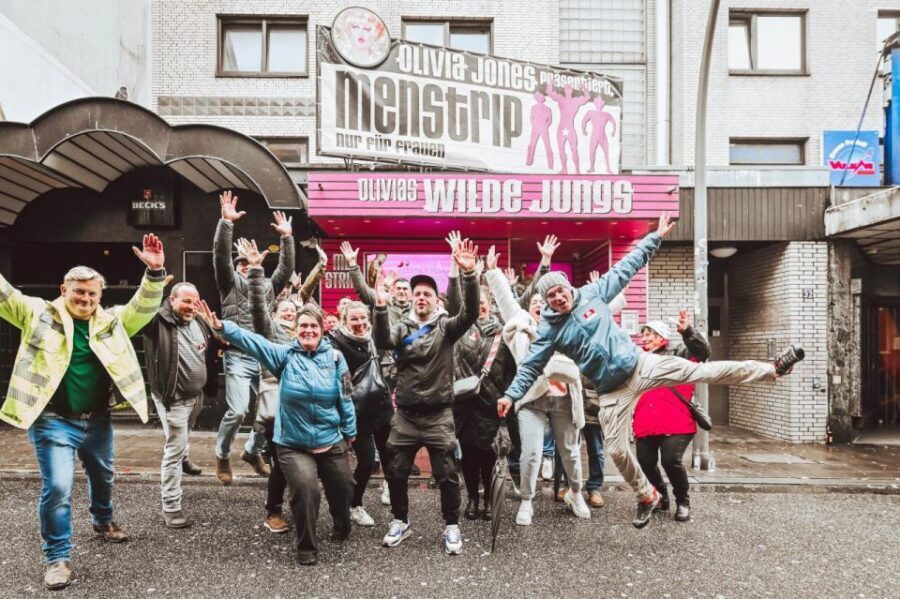
The meeting point is straightforward: Schmuckstraße 9 in Hamburg. Show up a little early so you’re not standing around while the guide is getting everyone organized. The tour is in German, so if you only catch bits of the language, you’ll still benefit from the street explanations and landmark descriptions—but your experience will be smoother with basic understanding or willingness to listen closely.
This is also a tour with clear expectations about audience. It’s not suitable for children under 18 and it isn’t wheelchair accessible, so it’s designed for adult sight-level comfort and street realism, not an all-ages stroll.
Other Reeperbahn and St. Pauli tours we've reviewed in Hamburg



From Former Chinatown to the Reeperbahn’s Notorious Corners
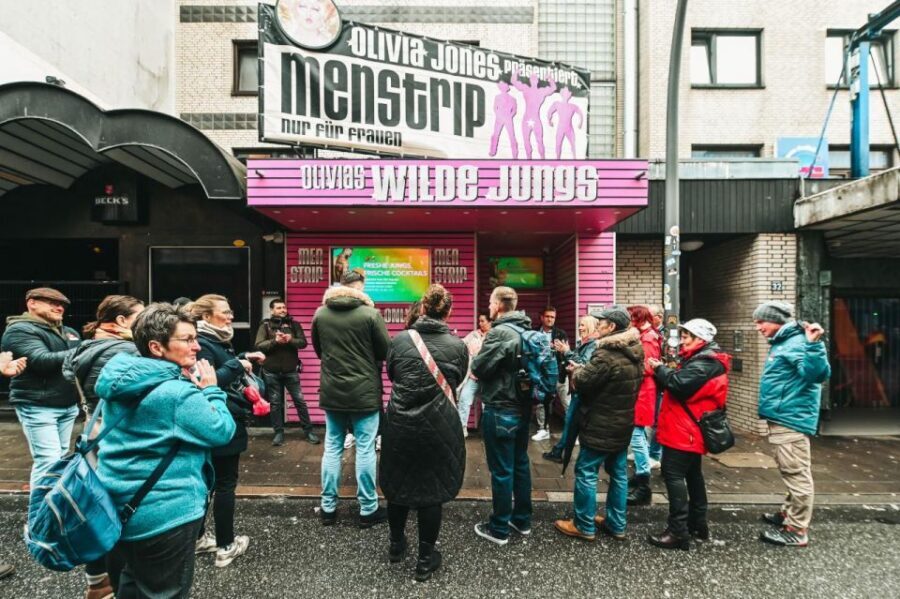
The tour starts by guiding you through the area’s layers—because St. Pauli didn’t become famous for one reason. You’ll move from the former Chinatown area toward Hamburg’s most notorious bar, and you’ll hear what happened there and who was around. One of the most memorable bits is the mention of a mass murderer among the guests at that bar. Even if you don’t want heavy details, this kind of story is exactly why the tour works: it places famous nightlife geography next to the darker, stranger chapters that helped shape the neighborhood’s reputation.
I like that the guide doesn’t treat the Reeperbahn like a theme park. Instead, the walk frames the streets as a living set of social spaces—places where different groups showed up, expectations shifted, and the neighborhood’s identity kept changing.
Practical tip: if you’re the type who reads a lot of history before a trip, you might think you already know the headlines. This tour’s value is the human scale—how the guide turns the street name and the building into a story you can picture in motion.
Spielbudenplatz and Herbertstraße: Entertainment Streets with Rules and Myths
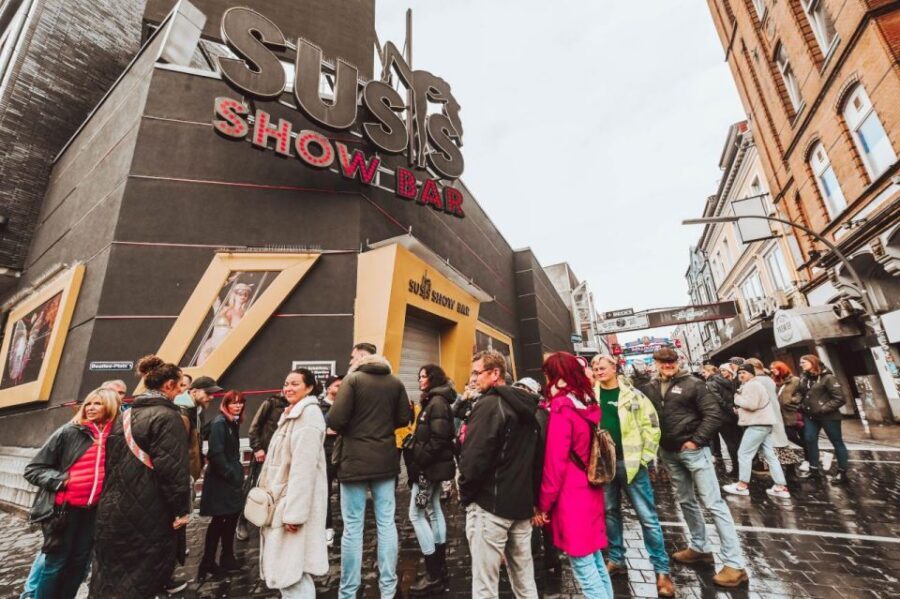
From there, the tour keeps you in the heart of the action. You’ll walk past Spielbudenplatz and along and by Herbertstraße, which is one of the most world-famous streets in the St. Pauli universe.
What matters isn’t just the photo stops. The guide explains how these streets function and why the neighborhood developed its particular reputation. You’ll also get answers to a question many people wonder about: whether women are allowed to walk through the public street of Herbertstraße. That kind of detail does two useful things for you. First, it helps you stop guessing based on stereotypes. Second, it teaches you how rules, visibility, and public space worked here—not in theory, but as part of the street’s daily reality.
And yes, Herbertstraße is famous for reasons that attract attention. But a good guided walk helps you see the street as a system: where people go, how the night economy runs, and how the Kiez became a stage for both performers and onlookers.
One heads-up: if you’re very sensitive to adult-nightlife vibes, this tour may feel intense even though it’s only 100 minutes. The guide’s tone and humor help, but you’re still walking through an area known for adult entertainment.
Davidwache Police Station: Where Order Meets the Night
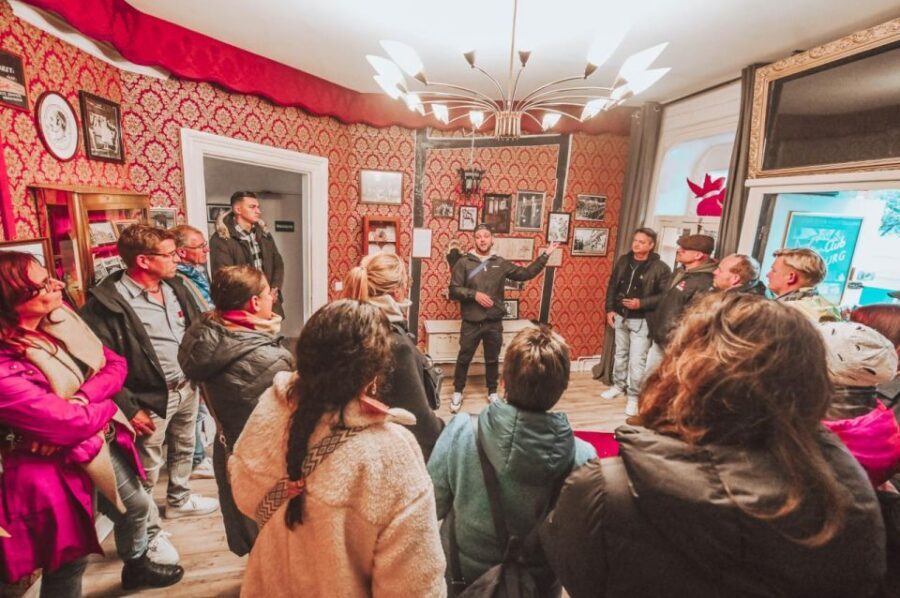
Next, you’ll see Davidwache, the well-known police station. This stop is one of the strongest “context anchors” on the route because it reminds you that the Kiez isn’t just spectacle. It’s also a real urban area with public safety, enforcement, and constant management of crowds and behavior.
I like this part because it keeps the tour balanced. St. Pauli can be told as pure glamour or pure chaos depending on who’s talking. Davidwache introduces a third angle: regulation and authority, right in the middle of the nightlife center. It makes the neighborhood feel more like a place people lived and worked—not only something visitors watched from the sidelines.
If you’re wondering what you’ll get out of this stop: you’ll leave with a clearer sense of how the neighborhood’s reputation was shaped. Not by one incident, not by one decade, but by the ongoing tension between entertainment and order.
Große Freiheit and the Name Behind the Street
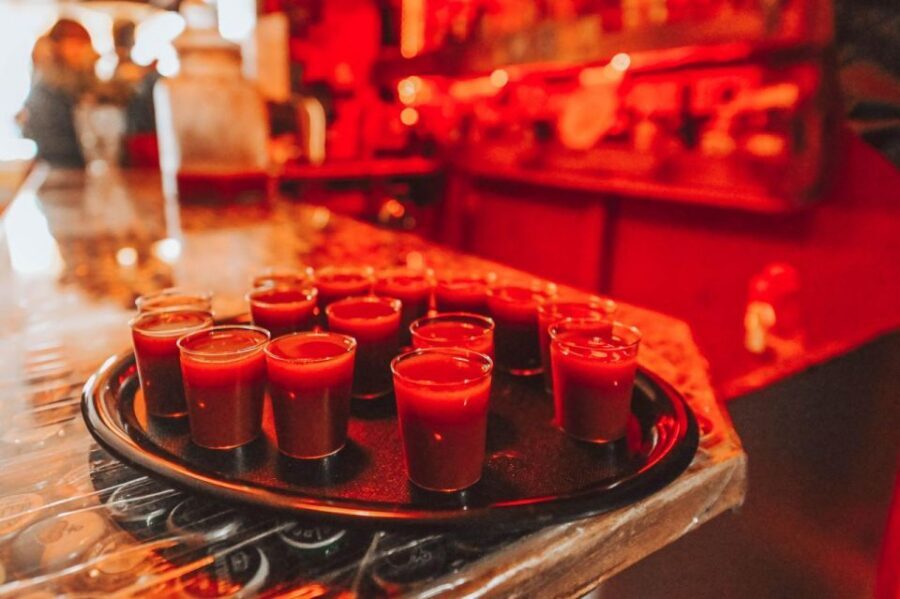
Then you head into the center of St. Pauli’s energy with Große Freiheit. The tour frames this stretch as the heart of the neighborhood, and it’s easy to see why: it’s the kind of street where the pace and density make the Kiez feel like a full neighborhood, not just a strip of bars.
One of the more interesting learnings here is the guide explaining how Große Freiheit got its name. Street-name origin stories might sound minor, but on a tour like this, they’re useful. They help you connect the street to identity: how locals described their own space, what they wanted it to mean, and how language turned into branding.
You’ll also get the sense that St. Pauli’s fame is not an accident. It grew from real daily routines—work, leisure, and public life—combined with a reputation that kept spreading far beyond Hamburg.
If you like practical “read the street like a local” tips, this is the segment where you’ll likely feel it click.
Other guided tours in Hamburg






The Shot of German Liquor: A Small Ritual, Big Personality
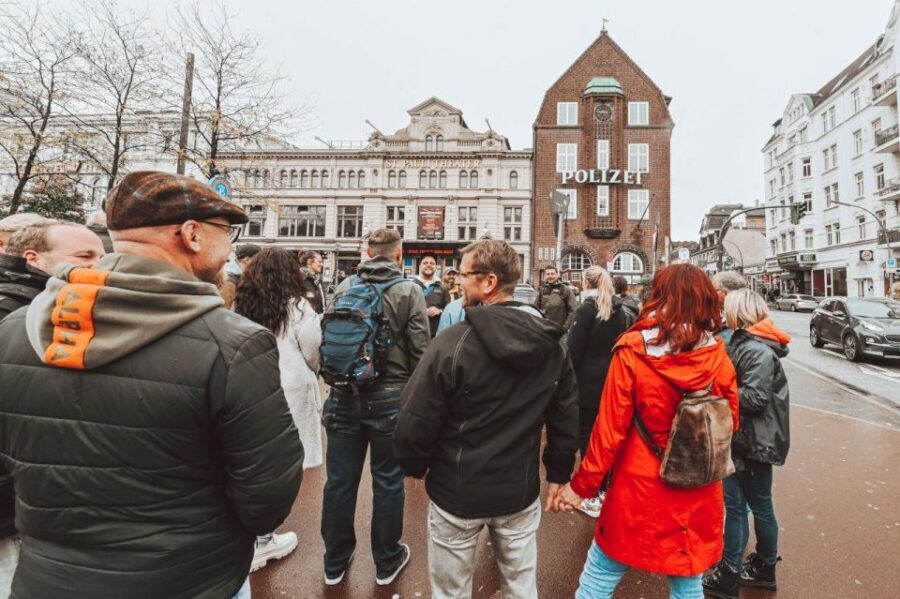
At some point you’ll take a shot of authentic German liquor as part of the tour. It’s brief, but it’s memorable for a reason: the Kiez isn’t just something you watch; it’s a place where social rituals matter.
I like this inclusion because it’s not a random gimmick. It gives you a shared moment with the group and ties the storytelling back to a basic truth about nightlife areas: people bond over what they drink, what they eat, and the little traditions that make the night feel real.
A practical note: if you don’t usually drink shots or your stomach is sensitive, pace yourself before this moment. You’ll be walking in the street environment right after, and you’ll want to stay comfortable.
How Much You’ll Actually Get in 100 Minutes
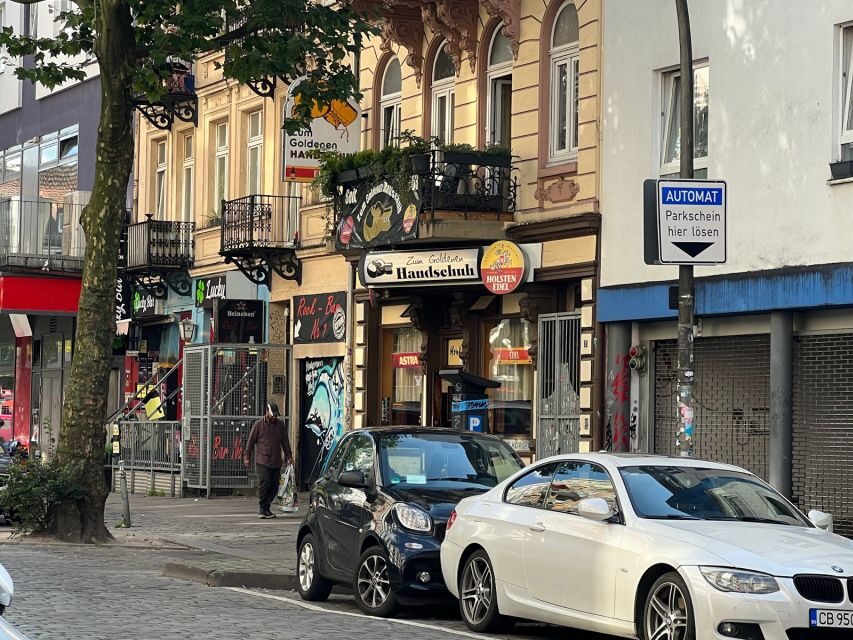
A 100-minute walking tour is always a balancing act. This one tries to cover a lot of territory: from the former Chinatown area to notorious-bar lore, then Spielbudenplatz, Herbertstraße, Davidwache, and Große Freiheit.
Here’s the trade-off. The tour format can feel like 4–5 main storytelling stops rather than a continuous, point-by-point explanation of every street detail. That approach works well if you want clarity and vivid story beats. It may frustrate you if you prefer lots of stop-to-stop micro connections.
In fact, one critique I’d listen to is that some people felt the tour could do a stronger job connecting the locations to each other so the geography always feels tightly linked. If you’re the type who likes maps in your head, you might want to pause once or twice during the walk to orient yourself: look at street names, note the direction you’re going, and mentally connect each stop.
Still, the overall pattern is strong: you get iconic locations plus the kinds of street-level explanations that make those locations more meaningful than they are in a quick photo.
The Role of the Guide: Humor, Local Voice, and Real Questions
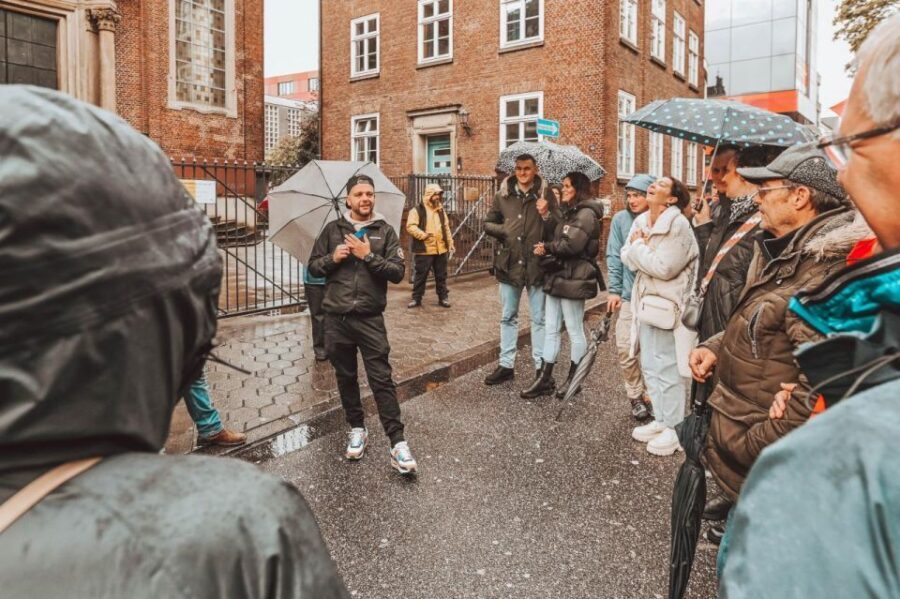
The biggest difference-maker on any tour is the guide, and here you’ll likely notice how much personality drives the experience. One guide name that comes up is Bela, and the feedback describes a style with real enthusiasm and humor. The tone matters on St. Pauli because the subject has tension—fame, adult entertainment, and darker stories mixed into one neighborhood.
I also like that the guide doesn’t only throw legends at you. You get answers to the types of questions visitors often wonder about: how certain streets earned their names, and how public behavior worked on iconic roads like Herbertstraße. That Q-and-A style helps you feel informed rather than entertained-but-uncertain.
If you want a tour where you can ask questions (or at least hear questions addressed), this one is set up for that. It’s guided in a way that aims to make you walk away able to explain what you just saw without relying on stereotypes.
Price and Value: Is $29 a Good Deal Here?
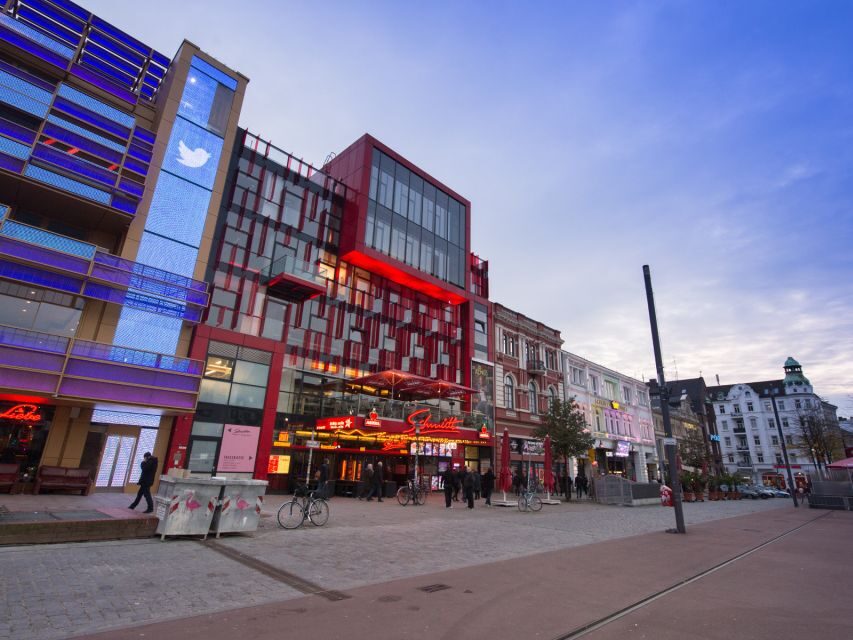
At $29 per person for 100 minutes, the value depends on what you want out of St. Pauli. If your goal is to tick off famous streets, you can do that on your own. But if your goal is to understand why these places earned their reputations and how daily life and history intersect, then the price starts to make sense.
You’re paying for three main things:
- A live guide in German delivering story context you can’t easily read from a plaque
- Structured stops in key landmarks (Spielbudenplatz, Herbertstraße, Davidwache, Große Freiheit)
- A shot of German liquor included, which turns the tour into a shared experience rather than a pure sightseeing walk
Also, the pacing is efficient. You cover a coherent chunk of the neighborhood in just over an hour and a half, which is useful if you don’t want to spend half a day on one area of town.
One practical consideration: because the tour is time-limited, you won’t get everything. It’s a strong sampler, not a full academic course. If you want deeper history, treat this as your orientation walk and build from there.
Who This Tour Fits Best (and Who It Doesn’t)
This tour is designed for adults who like street-level storytelling. It’s not suitable for children under 18 and it’s not wheelchair accessible, so plan accordingly.
It also fits best if you:
- enjoy learning how neighborhoods work, not just what famous places look like
- like guides who use humor and local voice to keep stories moving
- want a short, focused walk that includes both entertainment and historical context
- don’t mind that adult-nightlife areas can feel intense on foot
If you’re easily uncomfortable with adult-themed streets, you might feel stressed even though the tour includes explanations and aims for understanding. On the other hand, if you want the Kiez’s identity explained in plain words, this is exactly the sort of guided approach that keeps you from turning a complicated place into a one-note postcard.
Should You Book the Reeperbahn & St. Pauli Guided Tour?
Book it if you want to walk into St. Pauli with context. This tour is a smart way to get bearings fast: it hits the big landmarks, answers real questions about street identity, and adds a memorable included shot that makes the experience feel local rather than purely observational.
Don’t book it if you need wheelchair access or if you’re bringing teens under 18. Also skip it if you hate adult nightlife atmospheres, because even with a guided tone, you’ll still be in the middle of the Kiez’s recognizable scene.
FAQ
FAQ
How long is the tour?
It lasts 100 minutes.
Where do I meet the guide?
Meet your guide in front of Schmuckstraße 9 in Hamburg.
What’s included in the price?
The tour includes a tour guide and a shot of German liquor.
What language is the tour in?
The live tour guide speaks German.
Is the tour suitable for children?
No. It is not suitable for children under 18.
Is this tour wheelchair accessible?
No. It is not suitable for wheelchair users.