REVIEW · HAMBURG
Hamburg: Private Tour – Schanzenviertel & Karolinenviertel
Book on GetYourGuide →Operated by Schoenes Hamburg · Bookable on GetYourGuide
Schanzenviertel tells real Hamburg stories. This private 2-hour walk connects the Schanzenviertel defense-post past to today’s independent shops and street life, and it also includes a smart stop at the Rote Flora theatre. I especially like how you get background that explains why this area feels different, not just what to look at. One thing to plan for: the tour runs in German only, so you’ll want someone in your group who’s comfortable with that.
If you want Hamburg beyond the main sights, this is a strong choice. I like the way the route links places you can see every day with history you’d never guess, including a bunker visit and a former cattle abattoir connected to both neighborhoods. The neighborhoods are also photo-friendly, with plenty of corners and courtyard views that break up the usual street grid.
The main drawback is timing: the experience is listed as 2 hours, but it can run a bit longer if your guide is answering questions and adding extra context. If you have a hard reservation right at the end, build in a small buffer.
In This Review
- Key highlights you’ll actually notice
- Entering Schanzenviertel and Karolinenviertel: why this part of Hamburg feels different
- Sternschanze start at the Ubahn: where the tour resets your perspective
- The Schanzenviertel walk: from early defenses to today’s local neighborhood life
- Karolinenviertel: the neighborhood shift you can feel in 20 minutes
- Rote Flora: what you see is only half the story
- Heiligengeistfeld bunker: a hard-history pause in an unexpected place
- The former cattle abattoir: the “in-between” site that connects districts
- Bullerei detour with Tim Mälzer: modern Hamburg at street level
- How long it really feels: 2 hours on paper, flexibility in real life
- Price and value for a private group up to 15
- What kind of guide vibe you should expect
- Who should book this tour in Hamburg
- Should you book Hamburg: Private Tour – Schanzenviertel & Karolinenviertel?
- FAQ
- FAQ
- Where do we meet for the tour?
- How long is the tour?
- What districts are covered?
- Is this a private tour?
- What does the tour include besides neighborhood walks?
- Where does the tour end?
- What language is the live guide?
- How much does it cost?
- Is there free cancellation?
Key highlights you’ll actually notice
- Private-group pace that lets your guide slow down where you’re curious
- Rote Flora theatre stop, with context for what you’re seeing
- Schanzenviertel to Karolinenviertel shift, so you feel how the neighborhoods grew and changed
- Feldstrasse / Heiligengeistfeld bunker as a rare city-sight kind of detour
- Old cattle abattoir area that ties the two districts together (and explains the neighborhood layout)
- Tim Mälzer’s Bullerei detour for a taste of modern Hamburg food culture
Entering Schanzenviertel and Karolinenviertel: why this part of Hamburg feels different
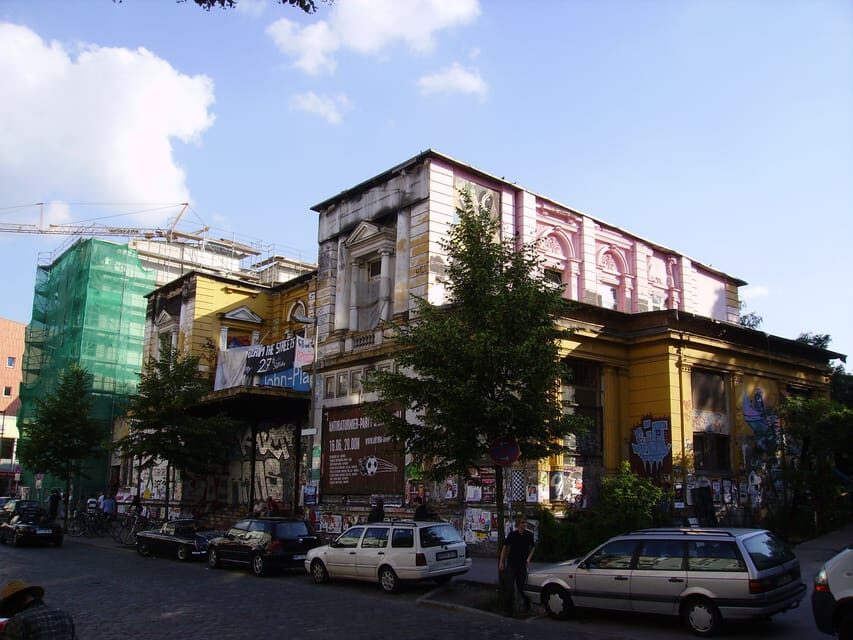
Hamburg has plenty of classic postcard scenes. This tour steers you toward a different kind of city energy, where history and present-day street culture overlap in the same block.
The big idea is the before and after story. You start with the Schanze, an early defense post for the city, and then you move through the neighborhood that grew from older, working-class roots into a trendy area packed with independent shops, bars, and restaurants. You’ll also get a reality check on the tensions that come with major public demonstrations in recent years, without treating the area like a one-note headline.
If you like cities best when you understand the “why,” this tour fits. If you just want famous landmarks and tidy facts without any social context, you might find it heavier than a standard walking loop.
Other food and culinary tours in Hamburg



Sternschanze start at the Ubahn: where the tour resets your perspective
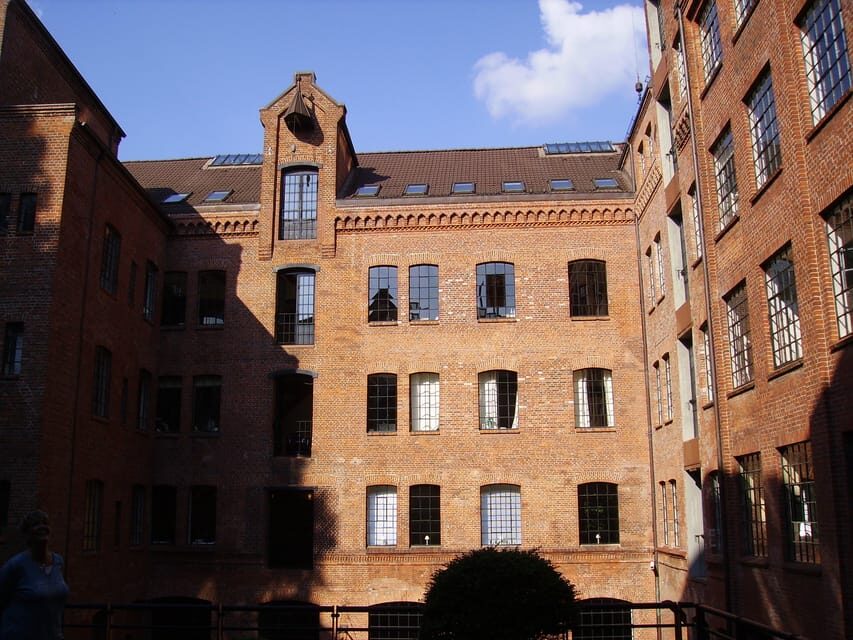
You meet at Sternschanze Ubahn station, at the exit by Sternschanzenpark. I like starts like this because you’re in the neighborhood right away, not marching from a distant hotel to get “into the area.”
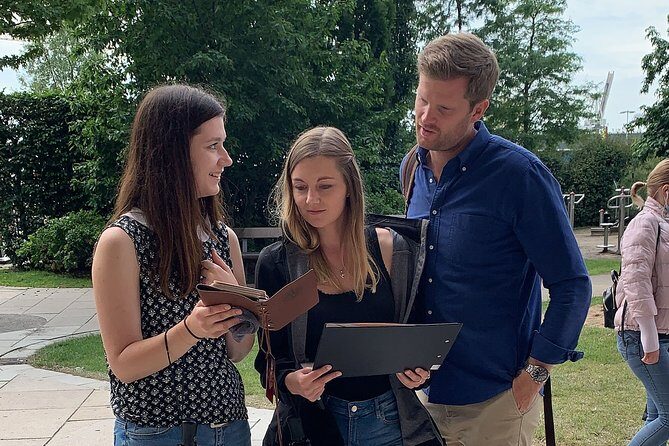
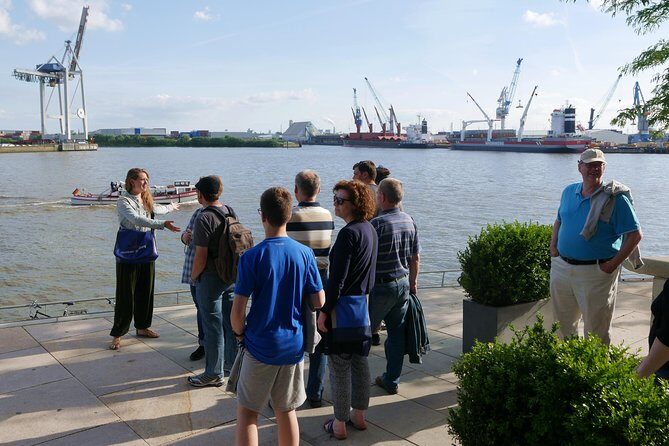
From here, the guide can help you read the streets in real time. Instead of just pointing at buildings, your guide sets up what used to be there and what that explains today. That makes the entire walk feel more coherent, especially in a district where newer faces and older structures sit side by side.
Practical tip: arrive a few minutes early and take a quick look around the immediate square and streets before the guide gathers everyone. It helps you catch the little details your guide will reference later.
The Schanzenviertel walk: from early defenses to today’s local neighborhood life
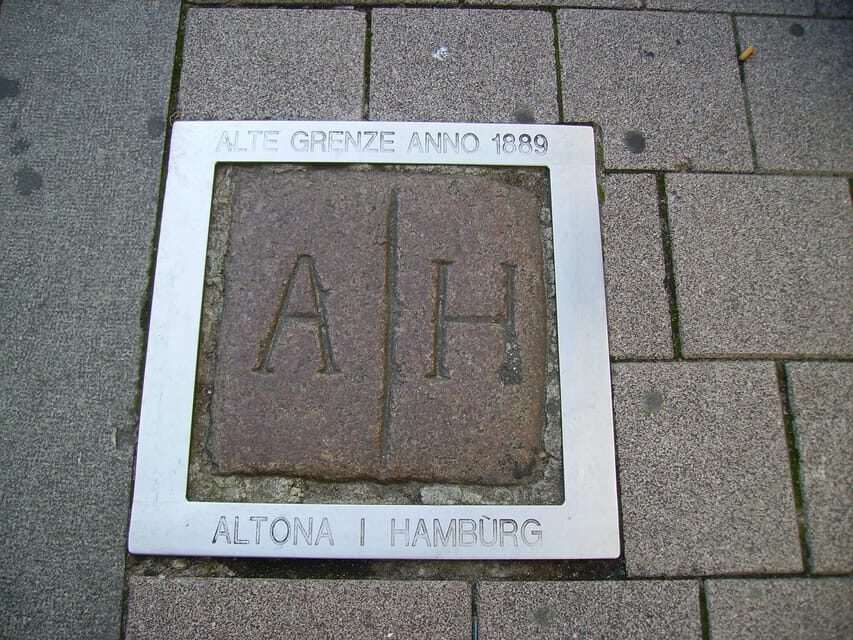
Your first guided chunk is in Schanzenviertel. This is the part of the route that’s most about identity: the Schanze as an early defense concept, then the neighborhood you’d recognize today by its mix of everyday life and creative street energy.
What I like here is the “layering” approach. You’ll hear how the area developed and how it transformed over time, without pretending the change was smooth or simple. That matters because Schanzenviertel isn’t just trendy now; it also has strong memory built into the streets, courtyards, and older building shapes.
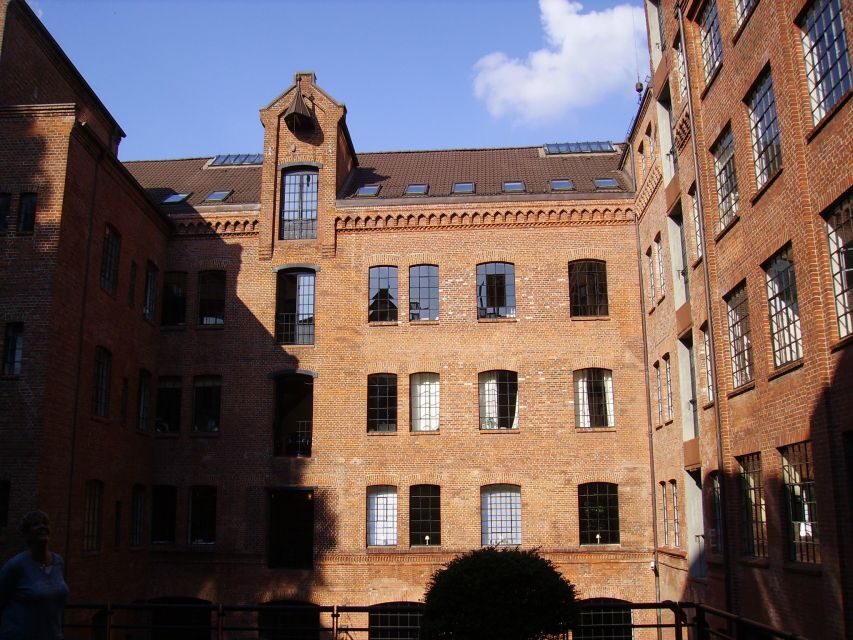
You’ll also get time to wander off the main drags. That’s where the history shows up more clearly, in the back courtyards and older factory-site kinds of spaces. If you’re the type who likes to take photos but also wants to understand what you’re photographing, this segment gives you both.
One consideration: this part is about walking through an actual neighborhood. Wear shoes you’d happily use for a longer stroll, and don’t plan on doing this right after a big day of museum stairs.
Karolinenviertel: the neighborhood shift you can feel in 20 minutes
Then you move into Karolinenviertel for the next guided portion. The pace shifts with it, and that’s the point: these aren’t just two random areas next to each other, they’re linked by history and urban form.
This is where the tour leans into the “forelands of Hamburg” concept—history located in the space in front of older embankments and city boundaries. You’ll get the sense that Hamburg grew outward, and that people built their daily lives around those edges. In practical terms, that’s why the streets and building layouts here can feel different from older central parts of town.
I also like that the guide doesn’t flatten everything into a trend story. The neighborhood’s rise from earlier working-class identity into a place with popular dining and nightlife is discussed, but you’re also reminded that change brings friction. That makes the walk feel more grounded than the usual “cool area” pitch.
Rote Flora: what you see is only half the story
A short guided stop brings you to Rote Flora theatre. This is one of the places that makes the tour stand out because it isn’t just a stop to photograph; it’s a chance to put meaning behind a recognizable landmark.
You’ll get context for why this theatre matters in the broader story of the district. Instead of treating it like a single attraction, your guide helps you connect it to the neighborhood’s larger identity and the way public life plays out here.
Photo tip: even if you only pause for a few minutes, frame your shots so you capture surroundings too. This district’s character shows up in the edges—signs, building textures, and the street rhythm around the theatre.
Other private tours in Hamburg






Heiligengeistfeld bunker: a hard-history pause in an unexpected place
Next comes a stop at the bunker in Heiligengeistfeld, connected to Feldstrasse. This is the kind of site that changes how you see the city, because the area around it can look normal and lived-in while the past it represents is anything but.
I like that this isn’t made into a scary-only stop. Your guide places it in the broader story of what was built, why it was needed, and how parts of Hamburg’s older defensive or protective thinking show up in the urban landscape.
It also helps that the tour structure includes short segments. You get a breather, then the history hits again. It keeps the walk from turning into an endless lecture and makes the bunker feel like a meaningful break.
Practical consideration: bunkers and similar sites may involve uneven outdoor paths or steps depending on how your guide routes the group. If you have mobility issues, ask about the walking surfaces before you go.
The former cattle abattoir: the “in-between” site that connects districts
One of the most interesting story points is the former cattle abattoir area. It’s mentioned as something that connects Karolinenviertel and Schanzenviertel, which is exactly the kind of detail that makes a neighborhood tour feel real.
This is where the tour helps you understand how industrial or service spaces shaped everyday neighborhood life. When a city had slaughter and processing facilities in a particular zone, it influenced everything around it: movement of goods, where workers lived, how streets developed, and which edges stayed used for practical purposes.
I appreciate that your guide doesn’t treat this like a forgotten curiosity. Instead, it becomes a map-reading tool: you start to see why the neighborhoods relate to each other the way they do.
Bullerei detour with Tim Mälzer: modern Hamburg at street level
The highlights also include a detour to the Bullerei, Tim Mälzer’s restaurant in Hamburg. Even if you’re not planning to eat there on the spot, it’s a good way to connect the neighborhood’s current identity with something widely known in Germany.
This stop also keeps the tour from feeling like all heavy history. It’s one of those practical “this is what people do now” touches that reminds you you’re still in a working, dining, meeting place district—not a museum neighborhood.
If you want to eat nearby after the walk, I suggest you keep your next reservation flexible. In one case, the tour ending point didn’t match the expected final location pattern people planned around, and the group had to move faster to make a restaurant time. You don’t want that stress.
How long it really feels: 2 hours on paper, flexibility in real life
The tour is listed as 2 hours and is structured into shorter guided blocks, starting in Schanzenviertel and then shifting into Karolinenviertel, with the theatre and bunker stops as time-boxed history moments. That’s a good format because you get variety without exhausting your feet.
Still, one of the tour’s strengths is that guides add background and answer questions in a way that can stretch the experience. Plan for the possibility of getting closer to 2.5 hours if the conversation is lively or your guide is especially animated.
If you’re trying to fit this between other booked activities, I’d schedule something low-pressure right after, then move dinner plans later if you can.
Price and value for a private group up to 15
The price is $294 per group for up to 15 people, for a total duration of 2 hours. That pricing works best when you actually fill the group cap. If you have the full 15, you’re roughly at about $19–$20 per person, which is very reasonable for a private guide in Germany.
If you’re a smaller party, it’s pricier per person, but you gain something you can’t buy with a regular group tour: a guide who can adapt to what you care about. This tour is especially good for that because it’s about context—why the neighborhood looks the way it does and how different eras shaped it.
Who is this best for? Friends traveling together, small families with teens who enjoy stories, or anyone who wants a neighborhood tour with real substance but doesn’t want a full afternoon commitment.
What kind of guide vibe you should expect
Based on past guide performances for this style of tour, the delivery tends to be talk-forward and story-driven, not read-a-lot-of-plaques. One guide name you might hear in group feedback is Basti, described as engaged with an emotional, honest approach that stayed memorable without sounding rehearsed.
Another guide you may see associated with this tour is Frau Evers, noted for clear explanations, good humor, and lots of background about buildings and places. That kind of guide matters here because the area’s identity is tied to more than facts; it’s tied to interpretation.
Since the tour is German-only, the guide’s ability to explain clearly is even more important for you. If your group’s German is limited, consider using translation apps quietly, but know it can slow the flow of conversation.
Who should book this tour in Hamburg
You should book if you want to understand a neighborhood instead of just walking it. It’s a strong fit if you like:
- urban history that connects to street life
- sites that are familiar-looking but explained in a new way
- photo stops that feel earned, not random
- a tour that doesn’t ignore the social and political realities tied to the district
You might skip it if your Hamburg trip is short and you’re already prioritizing the big classic sights, or if you need an English-language guide for comfort.
Also, if you love food culture, the Bullerei detour is a nice “modern anchor” amid the history stops. It helps you walk away feeling you saw both the past and the present.
Should you book Hamburg: Private Tour – Schanzenviertel & Karolinenviertel?
Yes, if you’re curious about how Hamburg’s neighborhoods formed and why Schanzenviertel and Karolinenviertel feel the way they do. The mix of Schanze backstory, Rote Flora context, a bunker stop at Heiligengeistfeld, and the former cattle abattoir connection gives you a full mental map, not just a checklist.
Book it if you can handle German-language guiding and you’re okay with a private walking pace through a lived-in district. Consider booking dinner later than you think, or at least give yourself extra buffer at the end—tour timing can run a bit longer when the guide is adding the kind of context that makes you want to keep listening.
FAQ
FAQ
Where do we meet for the tour?
You meet at Sternschanze Ubahn station, exit Sternschanze at Sternschanzenpark.
How long is the tour?
The tour lasts 2 hours.
What districts are covered?
The tour focuses on Schanzenviertel and Karolinenviertel.
Is this a private tour?
Yes. It’s a private group.
What does the tour include besides neighborhood walks?
You’ll visit Rote Flora, make a detour to Bullerei (Tim Mälzer’s restaurant), see the bunker in Heiligengeistfeld, and visit the former cattle abattoir area that connects the two neighborhoods.
Where does the tour end?
It finishes at Messehallen.
What language is the live guide?
The live tour guide is German.
How much does it cost?
It’s $294 per group for up to 15 people.
Is there free cancellation?
Yes, you can cancel up to 24 hours in advance for a full refund.