REVIEW · HAMBURG
1-Day Hop-on/Hop-off Bus Tour of Hamburg Line D
Book on GetYourGuide →Operated by SRH GmbH · Bookable on GetYourGuide
One day in Hamburg, from water to landmarks. The Hop-on/Hop-off Line D wraps the city’s top sights into an easy ride, with nonstop views along the Alster and Elbe and scheduled stops you can use like a choose-your-own-day map.
What I like most is the mix of big scenery and practical access. Alster lake and Elbe waterfront views are right outside the double-decker windows, and you get off where you want without committing to one long walking route.
The only real catch is time. The full loop runs about 90 minutes, so if you plan lots of entrance tickets and long sits down ashore, you’ll have to be picky about what gets your time first.
In This Review
- Key things you’ll notice on Line D
- How Line D fits a one-day Hamburg plan
- Double-decker views: Alster, Elbe, and the waterfront story
- Stop-by-stop route: what each area is really for
- Central Station to the Alster: get your bearings fast
- Along the Alster lake: classic Hamburg views
- Rathaus and the churches: old city meets landmark scale
- Reeperbahn and the market zone: energy and everyday Hamburg
- Harbor power: St. Pauli Landing Stages and the working edge
- Speicherstadt: warehouses and texture
- Elbphilharmonie and Hafencity: modern design on the water
- Bonus stop you might use
- St. Pauli Landing Stages, Speicherstadt vs Hafencity
- Audio guide quality and language options (including kids)
- Price and value: what $24 really buys you
- Practical timing tips so you don’t feel rushed
- Who should book Line D, and who should skip it
- Should you book this hop-on hop-off Hamburg bus?
- FAQ
- How long is the Line D hop-on/hop-off loop in Hamburg?
- Is it really hop-on/hop-off with lots of stops?
- Where do I meet to start the tour?
- What’s the bus like?
- What languages are available for the audio guide?
- Do you provide headphones?
- Is there a program for children?
- Are entrances and meals included in the price?
- When do buses run in the main season?
- Is the tour wheelchair accessible?
Key things you’ll notice on Line D
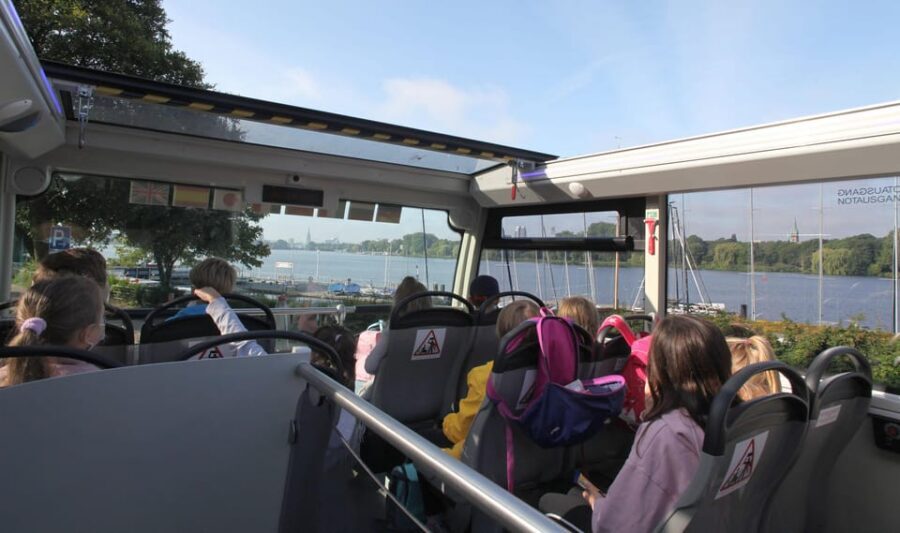
- 24 hop-on/hop-off stops across the city’s main waterfront and landmark zones
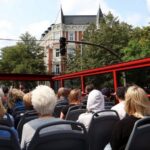
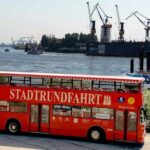
- Double-decker with a convertible roof for better sightlines in changing weather
- St. Pauli Landing Stages + fish-market area for that Hamburg harbor feel
- Alster loop views plus classic city-center stops like Rathaus and St. Michael’s Church
- Elbphilharmonie stop at Am Kaiserkai and a quick path into Hafencity
How Line D fits a one-day Hamburg plan
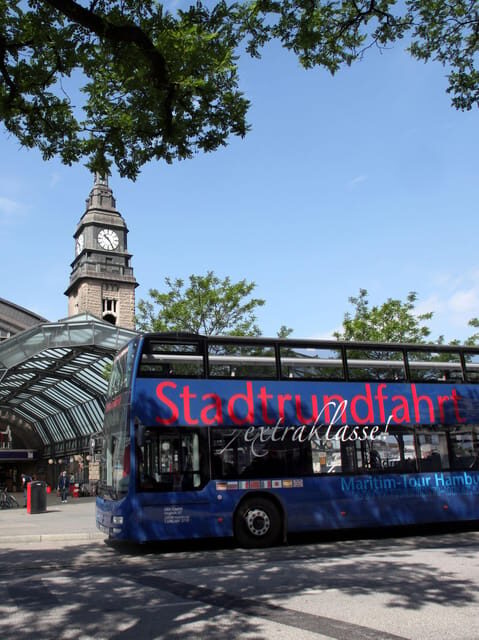
This is a simple concept done well: you buy a 1-day ticket and ride top-tour Line D as many times as you want within the day, hopping off at any of the stops along the way. You can either stay onboard and follow the audio commentary, or hop out when something catches your eye and then return for the next bus.
For many people, Hamburg is a city where the best “first pass” is about getting your bearings. Line D does that fast. It links the big water areas (Alster and Elbe) with the downtown landmarks and the harbor neighborhoods, so you’re not spending your whole day guessing how neighborhoods connect.
One more smart detail: after a complete loop, the buses bring you back to where you started. That makes the route feel less like a one-way sightseeing sprint and more like a flexible circuit you can use to build your day.
Other hop-on hop-off bus tours in Hamburg


Double-decker views: Alster, Elbe, and the waterfront story
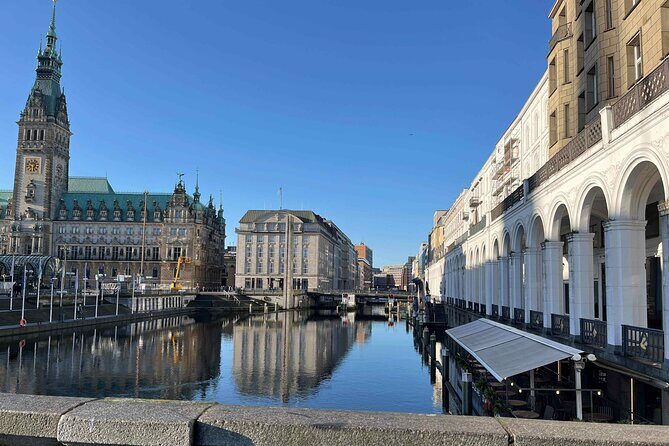
Hamburg’s identity is tightly tied to water, and Line D leans into that. The route’s early stretch is designed to show you the Alster—including viewpoints that look toward Fontenay and the Alster waterfront promenade stops. If you like cities where water isn’t just a backdrop but part of daily life, this is a strong way to see it without plotting routes on the fly.
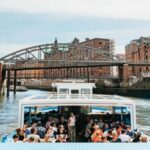
As the bus continues, you get pulled toward the Elbe side of town. The route includes a stop at Elbe Philharmonic Hall (Elbphilharmonie) on Am Kaiserkai, and it also reaches the harbor areas where you’ll spot warehouses and newer waterfront development nearby. That pairing matters: you see how Hamburg’s “working port” and “new city energy” sit next to each other.
And yes, the double-decker matters. With the convertible roof, you can still get decent angles for photos and just plain sightseeing, even when the weather changes mid-day.
Stop-by-stop route: what each area is really for
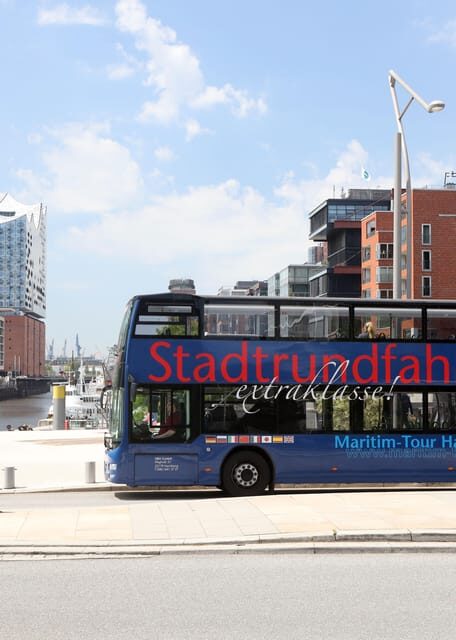
You can start at Hamburg Central Station (Kirchenallee), and the meeting point is at Gate 5 at the bus stop indicated on-site (Bus Stop No. 5). From there, the whole circuit runs about 90 minutes end-to-end, with frequent departures in the main season.
Here’s how I’d think about the key stops, in plain terms—what you’re trying to get out of each one.
Central Station to the Alster: get your bearings fast
- Hamburg Central Station (Kirchenallee / Gate 5)
This is your launchpad. It’s also where you’ll likely return to re-board if you hop out and lose track of time.
- Holzdamm (near Hotel Atlantic)
Good early scenery break. It’s a quick chance to look at how the city transitions toward the water.
- Dammtor (University Hamburg area)
A useful center-city stop if you want a breather away from the strict harbor look.
Along the Alster lake: classic Hamburg views
- Fontenay / Außenalster
This is one of the points on the route aimed at the Alster water perspective.
- Alsterufer (Alsterprommenade)
This is where you can match the views with a walk mindset—especially if you want to step out for a short stroll.
- Schöne Aussicht area (Mosque and Alsterperle stops)
These stops are about viewpoints and structure—an easy way to spot how the waterfront is shaped.
If you want one simple strategy: spend the early part of the loop on Alster. It’s scenic, it helps you orient yourself, and it tends to feel less rushed than the harbor segment.
A few more Hamburg tours and experiences worth a look


Rathaus and the churches: old city meets landmark scale
- Rathaus area (including Europa shopping mall and City Hall stops)
You’ll get the big city-center sight picture here, with the Hamburg Rathaus stop giving you an obvious anchor to build from.
- Rödingsmarkt station
A mid-route hinge that keeps you connected to downtown movement.
- St. Michael’s Church (St. Michaelis Kirche)
This is one of the “don’t miss” stops. If you’re splitting a day between water and landmarks, this is where you switch gears.
A practical note: if you hop off for St. Michael’s Church, don’t plan an all-day museum day right next to it unless you already know exactly how much time you’ll need. This tour is excellent at orientation and flexible viewing, not at deep-ticket marathons.
Reeperbahn and the market zone: energy and everyday Hamburg
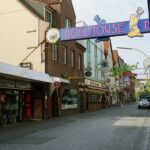
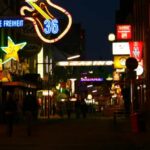
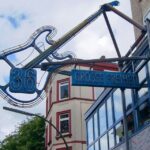
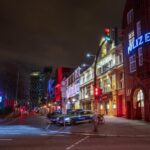
- Davidstraße / Reeperbahn (stop by the nightlife street)
This is the area that gives you Hamburg’s street-level character. Even if you’re not going out, the sights are worth a look.
- Hafenstraße (fish market area)
The route specifically points you toward the fish-market area along Hafenstraße, which is a strong way to experience the harbor’s food tradition vibe.
Harbor power: St. Pauli Landing Stages and the working edge
- Sankt Pauli Landing Stages
This is one of the big highlights. The stop is linked to the barge activity around harbor tours, so you get a strong “this is the port” feeling.
- Baumwall (note: fewer departures)
Useful if you want another harbor-facing viewpoint. Just keep in mind some stops have unfrequent departures.
This segment is where the tour becomes more than sightseeing. You start to feel the city’s rhythm—boats, docks, and the sense that Hamburg is still a working port.
Speicherstadt: warehouses and texture
- Auf dem Sande / Speicherstadt
Speicherstadt is a “see it with your eyes” area. The route’s description emphasizes that the historical warehouses create a contrast with newer development nearby. If you’re into architecture and urban planning, this stop is one of the most rewarding.
Elbphilharmonie and Hafencity: modern design on the water
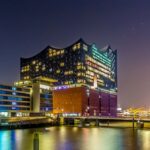
- Am Kaiserkai / Elbphilharmonie
This stop is placed to let you reach the Elbe Philharmonic Hall area directly. It’s also a good anchor for photos and a short walk if the weather cooperates.
- Überseequartier / Hafencity
This is where you can see the newer waterfront district feel.
- Osakaallee (Maritime Museum area)
The route includes this stop so you can connect toward the museum zone if that fits your day.
Bonus stop you might use
- St. Annen (note: fewer departures)
Another stop with less frequent service, so it’s better as a “maybe” than a “must” unless you’re watching the schedule carefully.
St. Pauli Landing Stages, Speicherstadt vs Hafencity
One of the best things about Line D is that it doesn’t force one narrow theme. You get harbor activity at St. Pauli Landing Stages, then you’re moved toward Speicherstadt where the older warehouse-style architecture brings texture and age, and then you shift again toward Hafencity and the Elbphilharmonie.
That contrast is exactly why this tour works as a first-day plan. Instead of pretending Hamburg is one style or one time period, you see the city as layers: working port, preserved buildings, and modern redevelopment.
Also, the route’s timing and loop format make this comparison easy. You can hop off once to get the Speicherstadt vibe, re-board, then later hop out again near Elbphilharmonie. You’re not locked into one neighborhood for hours.
Audio guide quality and language options (including kids)
The audio setup is a real strength. The bus provides German via speaker, and you also get access to headphones for additional languages such as English, Danish, Chinese, French, Italian, Spanish, and Russian. That’s a broad spread, and it makes the ride more comfortable if your group doesn’t share one language.
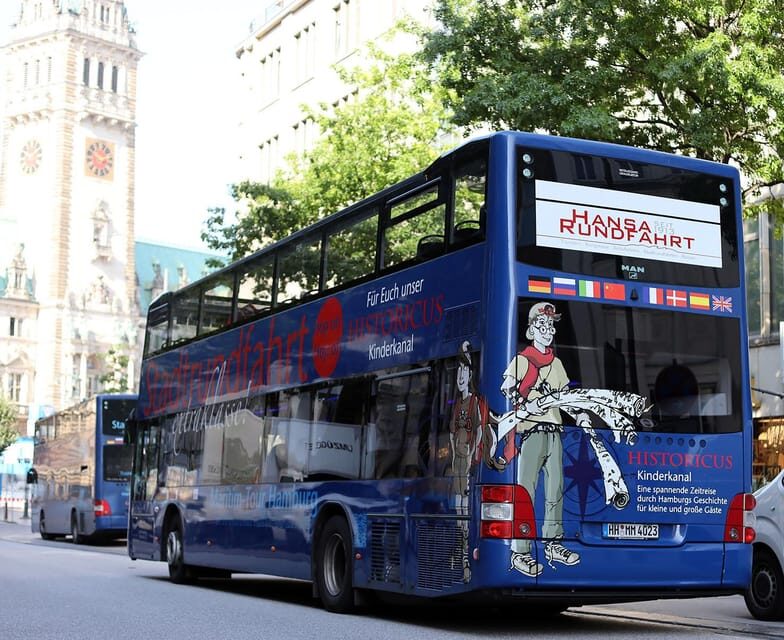
For kids, there’s an optional children’s program in German through headphones (called the Historicus channel). If you’re traveling with children, that’s often the difference between a tolerable sightseeing day and a day where everyone stays engaged.
One more practical perk: the tour includes free headphones. That means you don’t need to track down your own gear right before boarding.
Price and value: what $24 really buys you
At about $24 per person for a 1-day ticket, the value comes from two things: coverage and flexibility.
Coverage, because you’re not paying entry fees for each site. Instead, you’re getting a guided route that hits major landmarks and neighborhoods—plus commentary in multiple languages. Flexibility, because the ticket is hop-on/hop-off at 24 stops. In practice, that lets you shape the day around your energy level, weather, and interests.
So for budget travelers, this can be a smart “backbone ticket.” Use it as the connective tissue between places you want to explore on your own. If you spend 20 to 30 minutes at several key points, you’ll feel like you did more than you actually did.
If you’re the type who wants to stand in line at attractions all day, this may feel too light. It’s best as a moving orientation tool with optional hops for short walks and photos.
Practical timing tips so you don’t feel rushed
In the main season (April to October), buses run every 30 minutes between 9:30 and 17:00 from Hamburg Central Station/Kirchenallee (Place 5). In wintertime, departures may differ, so check before you go.
Here’s how I’d use that:
- Start early enough that you’re not hunting for the last bus. The tour notes there is a last departure, and the circuit timing means you don’t want to be stranded far from where you can re-board.
- If it’s your first time in Hamburg, do the Alster part early, then move into harbor landmarks and architecture later. It’s easier on your brain to see scenic water first, then shift toward the port and buildings.
Also, remember that some stops have unfrequent departures. If a stop is important to you, plan around it rather than assuming you’ll catch a bus instantly.
Who should book Line D, and who should skip it
This tour fits best if you:
- want a one-day overview that links city center, water, and harbor areas
- travel in a mixed-language group and want audio that works for everyone
- prefer a flexible format over a fixed guided walk
- like architecture and want a quick contrast between Speicherstadt and Hafencity
I’d consider skipping or pairing it with a different plan if you:
- want to spend most of the day inside multiple paid attractions (entrance fees are not included)
- hate the idea of “riding first” and would rather walk nonstop
If you do book, don’t treat it like a passive TV show. Use the stops. Get off for 15–30 minutes where you want more detail, then return. That’s how you turn a loop ride into a real sightseeing day.
Should you book this hop-on hop-off Hamburg bus?
Yes, if you’re using Hamburg for a first-time orientation or you want an efficient day that covers the big water-and-landmark highlights. The route hits the sights most people are searching for—St. Pauli Landing Stages, St. Michael’s Church, Rathaus, Speicherstadt, and the Elbphilharmonie—and you can tailor how long you stay at each place.
If you already know exactly which paid attractions you want to prioritize, then treat this as the connector. Book it for the coverage and the audio, then spend your walking time where your interests are strongest. For most people, that combo is a smart way to get value from a single day in Hamburg.
FAQ
How long is the Line D hop-on/hop-off loop in Hamburg?
The sightseeing loop takes about 90 minutes. After a complete loop, you are back where you started.
Is it really hop-on/hop-off with lots of stops?
Yes. The 1-day ticket lets you hop on and off at any of the 24 bus stops along Line D.
Where do I meet to start the tour?
You start at Hamburg Central Station on Kirchenallee, at bus stop number 5, meeting at Gate 5. You can also board at other stops later.
What’s the bus like?
It’s a blue double-decker bus with a convertible roof for better views.
What languages are available for the audio guide?
German is available via speaker on the bus. Other languages are available through headphones, including English, Danish, Chinese, French, Italian, Spanish, and Russian.
Do you provide headphones?
Yes. Free headphones are included.
Is there a program for children?
There is an optional children’s channel in German via headphones called Historicus.
Are entrances and meals included in the price?
No. Meals and drinks, as well as entrance fees, are not included.
When do buses run in the main season?
From April to October, departures are every 30 minutes between 9:30 and 17:00 from Hamburg Central Station/Kirchenallee (Place 5). Winter departures may differ.
Is the tour wheelchair accessible?
Yes, the tour is wheelchair accessible.