REVIEW · HAMBURG
Hamburg: St. Pauli Tour with the White Dandy
Book on GetYourGuide →Operated by The White Dandy · Bookable on GetYourGuide
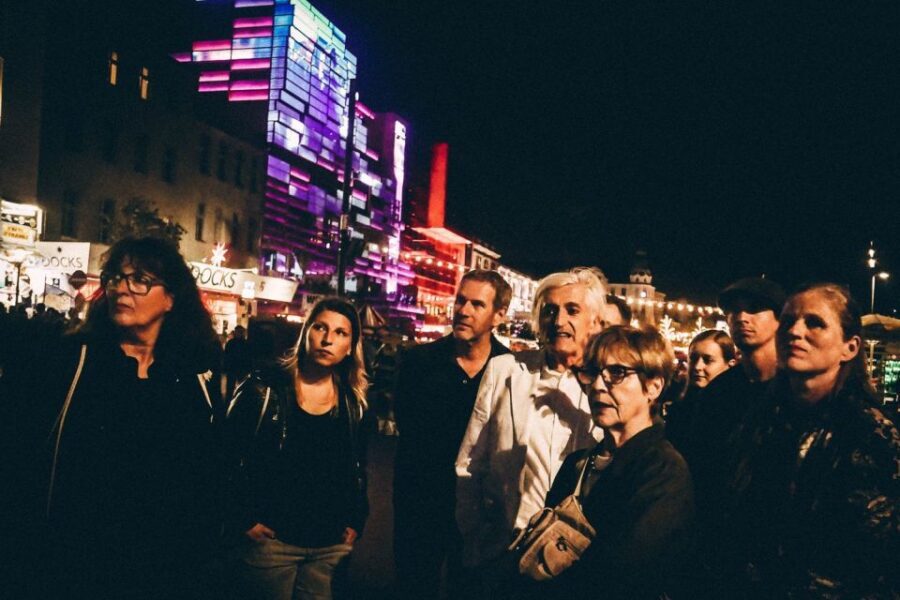
Hamburg’s Reeperbahn hits different with the White Dandy. You walk the neon streets of St. Pauli with Götz Barner, a local flâneur and stage actor who’s lived here for 30 years, sharing the kind of street-level stories you won’t get from a standard sightseeing loop. The tour leans into the so-called sinful side of town, but it stays weirdly smart, with quirky facts threaded into real neighborhood life.
I love that this isn’t just scandal talk. You’ll get two practical surprises from the start: first, the guide is packed with named stories and local context, from places like the Spielbudenplatz to references such as ConDomium and Queen Mary; second, you’re not left wandering bored because you get a shot along the way and a neighborhood slang quiz at the end.
One thing to consider: this is not suitable for children, and the subject matter stays adult-focused even when the delivery is comedic. Also, while the tour appears to run reliably, there has been at least one reported case of a guide not showing up, so it’s smart to keep an eye on the time and confirm close to departure.
In This Review
- Key Highlights You’ll Actually Feel on the Walk
- Why the White Dandy Makes St. Pauli Feel Like a Neighborhood
- Where You Meet and What to Do Before You Start
- Walking the Reeperbahn: Spielbudenplatz, Esso Houses, and the Back Streets
- “Condomium” to Queen Mary: How Stories Turn into Street Knowledge
- The Symbols, Terms, and Questions You Didn’t Know You Wanted Answered
- Shops, Side Streets, and Daily Life Beyond the Flash
- Included Shot and Neighborhood Quiz: The Pacing That Helps It Land
- Price and Value: Is $34 Fair for 90 Minutes of Street Storytelling?
- Practical Considerations: German, Weather, and Adult Content
- Who Should Book This St. Pauli Walk, and Who Should Skip It
- Should You Book the White Dandy St. Pauli Tour?
- FAQ
- FAQ
- How long is the White Dandy St. Pauli tour?
- What does the tour cost?
- What language is the tour guide?
- What is included besides the walking tour?
- Where do I meet the guide?
- Is the tour suitable for children?
- Is the tour wheelchair accessible?
Key Highlights You’ll Actually Feel on the Walk
- Götz Barner’s 30-year Reeperbahn life means you’re hearing local street logic, not just brochure facts
- A guided route through famous spots like Spielbudenplatz, disputed Esso houses, Große Freiheit, and back areas nearby
- Quirky deep questions answered such as the skull symbol of St. Pauli and what a Riechbalken is
- Adult nightlife details explained plainly, including where S&M is really practiced in a “50 Shades” kind of vibe
- A shot plus a slang quiz so you leave knowing more than you arrived with
- He may take you into places other tours can’t access, which helps the whole walk feel more “insider”
Why the White Dandy Makes St. Pauli Feel Like a Neighborhood

St. Pauli is famous for nightlife, but most tours treat it like a theme park. This one treats it like a living district with residents, routines, and odd little traditions that locals use to make sense of the place.
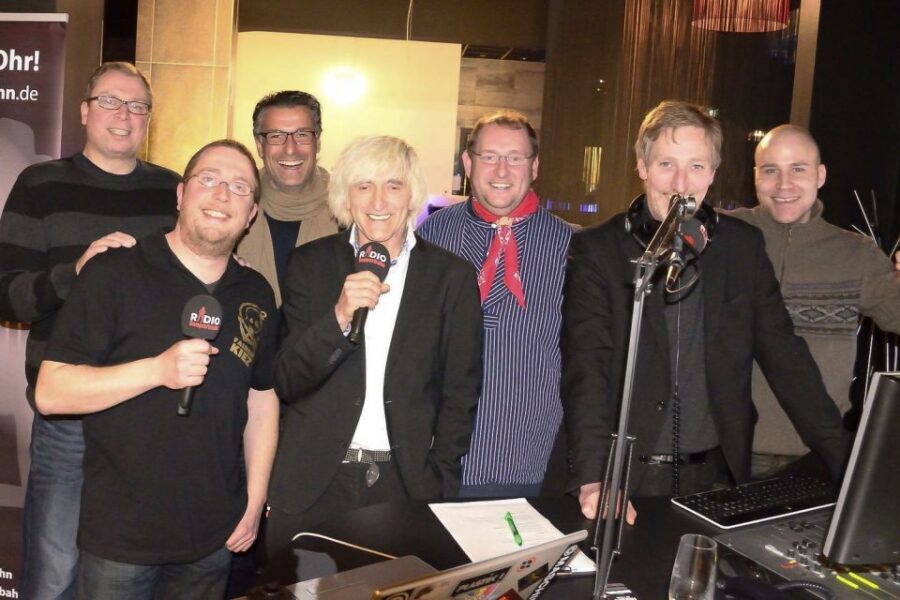
Götz Barner (aka the White Dandy) is a true local original. He’s described as a flâneur and stage actor who has lived on the Reeperbahn for 30 years, which matters because it changes the tone of the stories. Instead of speaking in generalities, he connects street signs, symbols, and long-gone characters to what people do today. You’re not just hearing “what happened,” you’re hearing why it still shows up in the neighborhood’s identity.
I also like that the tour stays open to questions. He’s the kind of guide who’ll answer your curiosity on the spot—whether you’re wondering how a skull became the St. Pauli symbol, what a Riechbalken is, or where S&M practice fits into the district’s reality rather than its movie version.
Other Reeperbahn and St. Pauli tours we've reviewed in Hamburg



Where You Meet and What to Do Before You Start
You meet at the official starting point, and the key practical tip is simple: arrive at least 10 minutes early. This isn’t busywork. On a tight 90-minute schedule, you want to be ready to walk without that awkward scramble that makes everyone cranky.
Because the tour runs on Hamburg time and Hamburg weather, dress for the outdoors. You’ll be moving through streets around the Reeperbahn, the side streets, and areas near Große Freiheit, so a windproof layer helps. The tour guide speaks German, so if you don’t understand German, plan on bringing a basic translation tool or you may feel lost.
And one more reality check: this is an adult-focused walking tour, and it’s explicitly noted as not suitable for children. If you’re traveling with kids, you’ll have a better time choosing a different Hamburg experience.
Walking the Reeperbahn: Spielbudenplatz, Esso Houses, and the Back Streets

The heart of the tour is a guided walk along the Reeperbahn with detours into side streets that most casual visitors never see. The route is built around contrast: big name spots by day-to-day life, famous facades next to residential pockets, and broad-known stories next to the more personal neighborhood details.
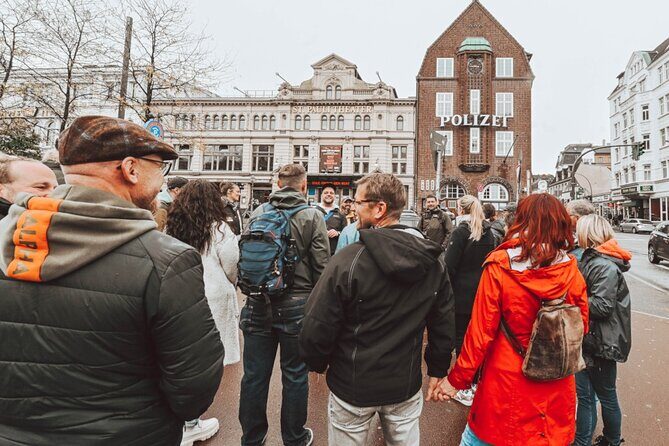
You start by heading across Spielbudenplaty (Spielbudenplatz area), then you move through the area around Große Freiheit, a street that’s practically synonymous with Hamburg’s entertainment identity. Along the way, you’ll hear how the district’s story got layered over time.
One of the most interesting segments is the mention of disputed Esso houses. Even if you don’t know what you’re looking at at first, the guide frames them as part of the Reeperbahn’s ongoing argument with itself—where something built for commerce becomes part of the district’s myth.
Then the walk deepens. You’ll go into the back areas of the Reeperbahn deep in the red-light district. That doesn’t mean you get a tour that’s all shock value. It means the guide can show you the day-to-day texture: how things work down there, what people notice, and what locals talk about when they’re not performing for visitors.
He also has a reputation for taking groups to places closed off to other tours. That’s a big deal for value. When you get access to areas that are usually off-limits, the walk feels less like a loop and more like a guided corridor into how the neighborhood actually functions.
“Condomium” to Queen Mary: How Stories Turn into Street Knowledge
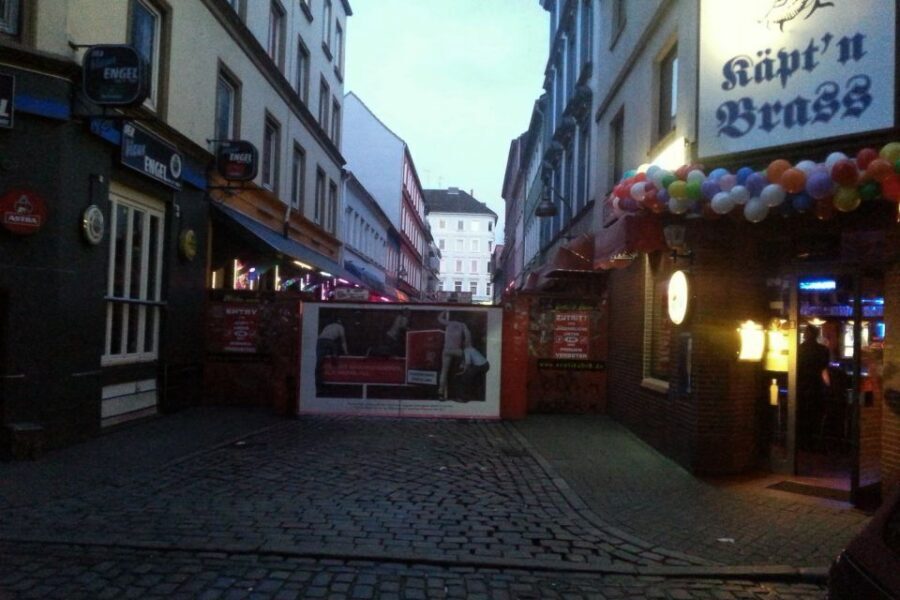
The White Dandy’s superpower is turning named references into a sense of place. You’ll hear street-history threads that include ConDomium and Queen Mary. Even if you’re coming in with zero background, you’ll leave with a map in your head: not just where things are, but what they mean in the district’s memory.
This is where you’ll feel the difference between “sightseeing facts” and actual street knowledge. The guide doesn’t just toss out names. He explains them in a way that makes you look again when you pass signs, buildings, and symbols. That’s how St. Pauli stops being a blur of neon and becomes readable.
He also talks about good old times, including references to when the Star Club still existed and when tramps sparred with cops. There’s also a performance-world connection, including stories from when he acted onstage with Corny Littmann, who is noted as the founder of the Schmit Theater.
These bits matter because they link the entertainment district’s mythology to real cultural life—music, theater, street characters, and the people who kept showing up.
The Symbols, Terms, and Questions You Didn’t Know You Wanted Answered
If you want a tour where you walk away knowing weird, useful details, this is that tour. You’ll hear explanations connected to St. Pauli’s symbols and local language, including:
- Why the skull became a symbol of St. Pauli
- What a Riechbalken is
- Where 50 Shades of Grey-style S&M is really practiced, in the district’s own terms
- How the local slang shows up in everyday identity, including the slang quiz ending with Matrosen am Mast
This isn’t trivia for trivia’s sake. It’s the kind of knowledge that changes how you interpret what you see. A skull symbol doesn’t become meaningful because you read it in a guidebook. It becomes meaningful when someone who’s been here for decades tells you the story behind it and how locals understand it.
The tour also references a local initiative, with the White Dandy featured on posters for St. Pauli pinkelt zurück. That kind of detail gives you context that’s missing from standard “red-light district 101” tours. It suggests St. Pauli isn’t only about nightlife; it’s also about local humor, identity, and community pushback.






Shops, Side Streets, and Daily Life Beyond the Flash
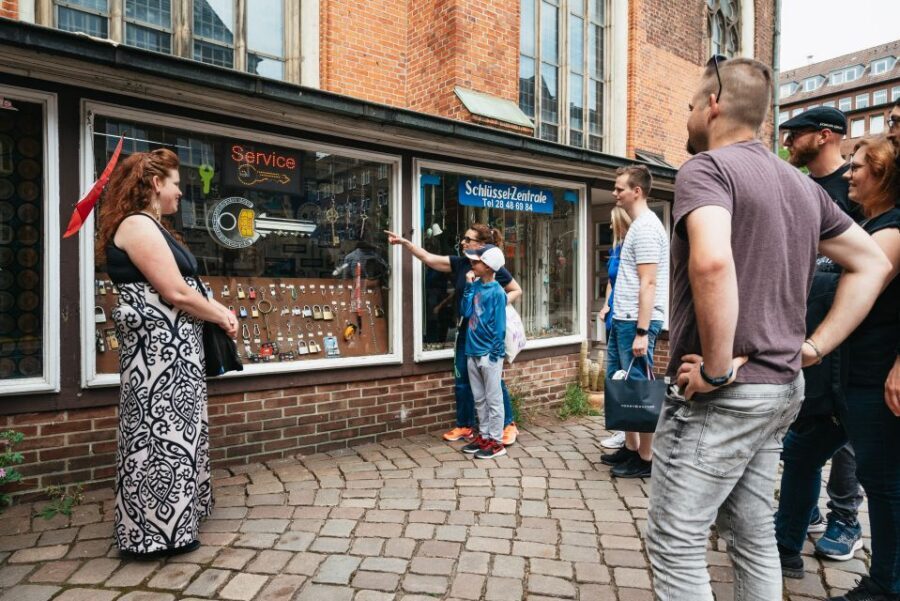
The tour isn’t only about big landmarks and famous streets. You also get to know interesting neighborhood shops. That’s a practical choice, because St. Pauli has retail and everyday services that keep it from feeling like a set built only for visitors.
You’ll also hear about daily life in the entertainment district of St. Pauli. The guide can explain the residential side of the red-light district, which helps you understand how the area functions beyond its headlines. This is one of the tour’s best strengths: it gives you perspective that makes you a calmer, more observant visitor.
And because he’s lived there for so long, he’s able to connect the “sinful part of town” to human routines. That’s where the tour becomes more authentic. It’s not pretending the district is all charm, and it’s not reducing it to scandal. It’s presenting it as a place where people work, live, joke, and cope.
Included Shot and Neighborhood Quiz: The Pacing That Helps It Land
This is a 90-minute tour, and it doesn’t waste time. The included shot along the way isn’t just a perk. It’s a social nudge that keeps the group engaged while you move between street segments.
Then you end with a quiz on neighborhood slang. The famous one you’ll hear about is Matrosen am Mast, which is the kind of phrase that sounds like nonsense until a local explains how and why it’s used. The quiz format matters because it makes the final minutes memorable, not forgettable.
The pacing is also a value point. Ninety minutes is long enough to cover multiple streets and layers of story, but short enough that you’re not stuck in a slow lecture. You leave with a sense of the area, not just a stack of facts you can’t use.
Price and Value: Is $34 Fair for 90 Minutes of Street Storytelling?
At $34 per person for 90 minutes, you’re paying for a local personality, not just a route. The value is strongest in three places.
First, you get a live guide who’s been on the Reeperbahn for decades and can answer questions you didn’t think to ask. That kind of context takes time to earn, and it’s hard to replicate with self-guided routes.
Second, the tour includes a shot and ends with a slang quiz. Those small extras make the experience feel designed for participation, not just passive listening.
Third, the promised access to areas that are closed to other tours is the big wildcard. If you get that access, the tour suddenly becomes much more than a walk past famous streets. It becomes a guided corridor into places you wouldn’t stumble into safely or easily on your own.
So for most visitors, $34 looks reasonable if you enjoy adult, offbeat storytelling and want a guide who talks like a local, not like a museum docent.
Practical Considerations: German, Weather, and Adult Content

This is a German-language tour, so plan accordingly. If you speak basic German or you’re comfortable using a translation app for key moments, you’ll likely do fine. If you don’t understand German at all, your experience could feel uneven because the guide’s personality and anecdotes are central.
Weather matters. Hamburg can be cold and windy, and you’ll be outside on streets around the Reeperbahn and nearby areas. Bring a layer you can move in.
And yes, it’s adult-focused and not suitable for children. If your travel group prefers family-friendly sights, this one won’t match your mood.
One more practical note: there is at least one reported case where the guide didn’t show up. That’s not the same as a pattern, but it’s enough to justify common-sense caution. Confirm timing close to departure, and keep your plans flexible so a delay doesn’t ruin your day.
Who Should Book This St. Pauli Walk, and Who Should Skip It
You should book if you want:
- A comedic, local-flavored take on St. Pauli that still feels grounded in how the district works
- A guide who can explain symbols and street terms like Riechbalken and the skull icon
- A guided route that goes beyond postcard spots into side streets and deeper areas near Große Freiheit
- A fun wrap-up with a neighborhood slang quiz and an included shot
You might skip it if:
- You need a child-friendly itinerary
- You don’t speak German and won’t be able to follow the guide at all
- You prefer quieter, daytime Hamburg sights over adult nightlife districts
Should You Book the White Dandy St. Pauli Tour?
I’d book this if your Hamburg trip includes a desire to understand St. Pauli as more than a headline. The White Dandy, especially Götz Barner’s decades-in-the-neighborhood perspective, gives you street-level context you can’t easily fake with online reading. The combination of named stories, odd local terms, and the quiz makes it feel like a real experience, not a scripted walk.
If you’re sensitive to adult content, skip it. If you’re curious, comfortable with nightlife topics, and okay with a German-led guide, this is one of the more memorable ways to experience Hamburg’s edge without turning it into a cartoon.
FAQ
FAQ
How long is the White Dandy St. Pauli tour?
The tour lasts 90 minutes.
What does the tour cost?
It costs $34 per person.
What language is the tour guide?
The tour guide speaks German.
What is included besides the walking tour?
You get 1 shot along the way and a neighborhood quiz.
Where do I meet the guide?
You should go to the stated meeting point and arrive at least 10 minutes before departure.
Is the tour suitable for children?
No, it is not suitable for children.
Is the tour wheelchair accessible?
Yes, the tour is wheelchair accessible.