REVIEW · HAMBURG
Hamburg: Adults Only Reeperbahn Tour
Book on GetYourGuide →Operated by Adventure World Tours · Bookable on GetYourGuide
Hamburg’s Reeperbahn is famous for a reason. In two hours, this adults-only St. Pauli walk pairs street-level landmarks with stories about prostitution, gang fights, and the boxing names people still bring up.
What I like is the way the tour keeps you moving while staying specific. You’ll see major points tied to the neighborhood’s rules and rhythms, including Davidwache Police Station and the streetfront mix along Herbertstraße.
The main thing to consider: this is an adults-only area with mature subject matter, and the tour includes a quick stop in a boxing-related setting where the operator expects you to buy a drink with cash.
In This Review
- Key points you should know before you go
- Two Hours on the Reeperbahn: what this adults-only walk gets right
- Price and what $29 buys you (and what it doesn’t)
- Where you start: how the route kicks off in St. Pauli
- Millerntorplatz: the neighborhood’s first “frame”
- Spielbudenplatz: where the myths begin to make sense
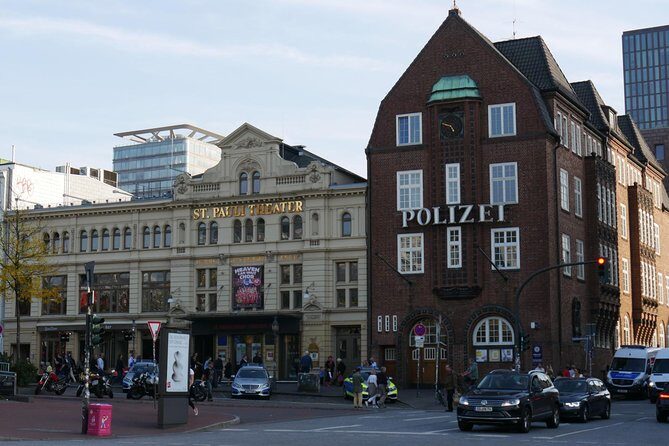
- Davidwache Police Station: the blunt reality behind the famous facade
- Herbertstraße: the shopfront mix and why it feels different
- Hans-Albers-Platz photo stop: a quick landmark break that matters
- Zur Ritze: the rare boxing-cellar visit (and the cash reminder)
- Große Freiheit and the final bar: how the tour ends without dragging
- How the guide style shapes the whole experience
- Small practical tips so you enjoy it (and not just tolerate it)
- Who this tour is best for
- Should you book the Hamburg Reeperbahn adults-only tour?
- FAQ
- How long is the Hamburg Reeperbahn adults-only tour?
- How much does the tour cost?
- What’s included in the price?
- What do I need to bring?
- Is the tour available in English?
- Where does the tour start?
- Do I need extra money during the tour?
- Can I reserve without paying immediately, and can I cancel?
Key points you should know before you go
- Two hours, tightly routed: enough time to hit the headline streets without feeling dragged.
- Real landmarks, not just talking: you’ll walk by Davidwache, Herbertstraße, and key plazas with photo moments.
- Boxing legend stop at Zur Ritze: you can enter a boxing cellar that’s rarely open to typical visitors.
- A guide who keeps the energy up: named guides like Axel, Toby, Johanna, and Roberta are described as funny and engaging.
- Drink included, plus an optional extra purchase: 1 alcoholic drink is included, but Zur Ritze requires a paid drink.
- English and German guides: the tour runs in either language depending on your booking.
Two Hours on the Reeperbahn: what this adults-only walk gets right
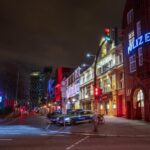
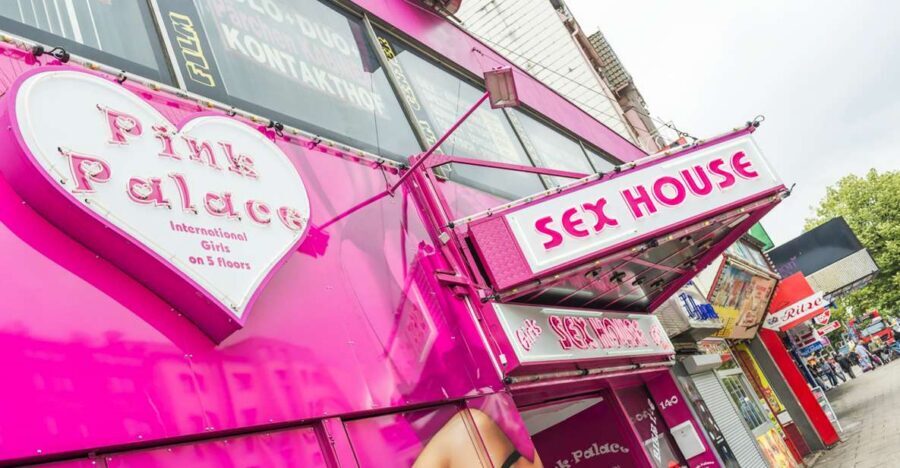
The Reeperbahn sits in St. Pauli, and it has the kind of reputation that makes people curious and a little nervous at the same time. This tour leans into that tension, using the street as a living map. Instead of treating the area like a theme park, it connects specific spots to the real-world pressures that shaped the neighborhood over time.
You get a guided walk format, with short sightseeing stretches between stops. That matters because St. Pauli is busy and visually layered. On your own, it’s easy to get “side-tracked” by signage, crowds, and street noise. With a guide, you get a line of sight to what to notice and why those places gained their fame.
Also, the tour’s tone is adult and direct. Expect talk about prostitution, myths and legends, and boxing lore. It’s not about being graphic—it’s about explaining how this street became what it became.
Other Reeperbahn and St. Pauli tours we've reviewed in Hamburg



Price and what $29 buys you (and what it doesn’t)
At $29 per person for a 2-hour guided walk, the value comes from three practical things:
First, you get a live guide in English or German and a route that hits several landmarks in a compact time window. Second, 1 alcoholic drink is included, which takes a chunk out of the usual “walking tour + bar stop” math. Third, there’s a rare access element: the tour includes the chance to go into the boxing cellar under Zur Ritze, which is exactly the kind of “this isn’t typically allowed” detail that turns a normal photo stroll into an actual experience.
What’s not included is another drink purchase at the boxing cellar. The operator expects you to buy a drink there, and the price mentioned is from 3 EUR. That’s not a deal-breaker, but it’s a cash-on-hand moment you should plan for.
Where you start: how the route kicks off in St. Pauli
Your meeting point can vary depending on the option you book, with starting locations tied to U St. Pauli and the St. Pauli area. In practice, this matters because you’ll want to be on time and choose the start that best matches your tram or tube stops.
Once the group gathers, the tour moves quickly into the heart of the neighborhood. The early stops are short walks—think 10 to 15 minutes—so you get oriented fast rather than waiting around. If weather turns messy, the structured route helps. You still keep seeing places instead of wandering and guessing.
Millerntorplatz: the neighborhood’s first “frame”
The tour starts with a stop at Millerntorplatz, around ten minutes. This is a smart warm-up location because it helps you understand the street without feeling thrown straight into the busiest blocks.
What to watch for here is not just the street scene, but the transition. St. Pauli doesn’t feel like one single thing; it’s parts layered on top of each other—shops, venues, signage, and people moving between day-to-night rhythms. In a short time, the guide sets context so later stops make more sense.
Even if you’re not thrilled by the topic, orientation helps. You’ll know what you’re seeing and what questions to ask.
Spielbudenplatz: where the myths begin to make sense
Next up is Spielbudenplatz (about 15 minutes). This stop is part sightseeing, part storytelling. The goal is to help you read the street like a map of reputation—where legends grew, why certain behaviors and power dynamics took root, and how the neighborhood’s identity stuck even as the world changed around it.
You’ll hear plenty of “myths and legends” tied to the area. One of the examples mentioned is the Nutella-Bande question—whether it really relates to chocolate. Even if you treat that as a rumor, that kind of story matters because it shows how the Reeperbahn’s culture spreads beyond its walls.






Davidwache Police Station: the blunt reality behind the famous facade
Then comes Davidwache Police Station (about 15 minutes). This is one of the most important stops because it adds structure to the chaos. When you see a major local police presence, you understand that what looks lawless on the surface still runs on pressure, enforcement, and rules.
The guide’s angle here is practical: what problems the life and work bring to the neighborhood, and how the station’s visibility fits into that. It’s not just “spot the building.” It’s a reality check that makes later stops feel less like gossip and more like an explanation.
This is also a photo-friendly stop. You’ll want to snap quick shots, but the real value is listening—Davidwache gives the tour a grounded backbone.
Herbertstraße: the shopfront mix and why it feels different
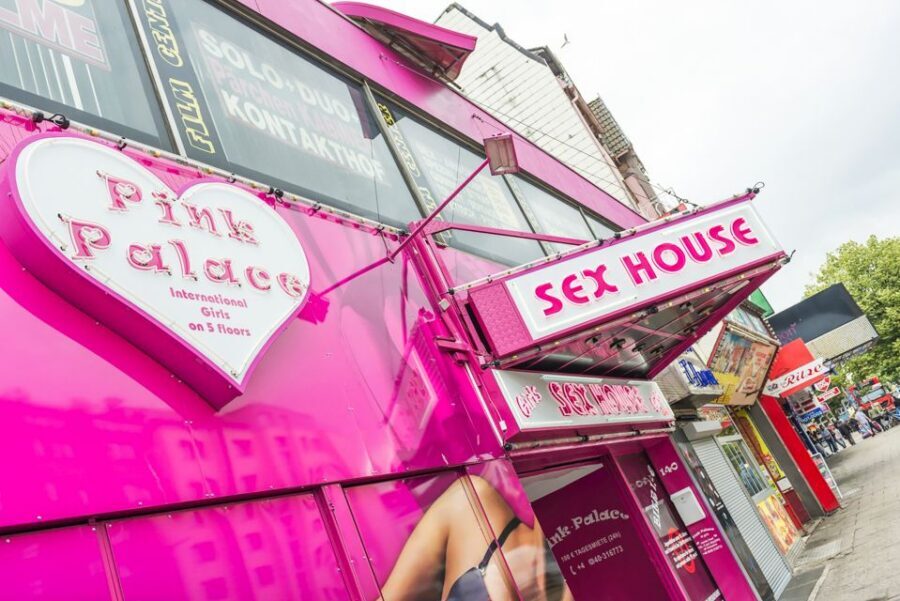
At Herbertstraße (about 15 minutes), the focus shifts to the neighborhood’s visible mix. This is where you see the cultural layering up close—lots of storefront energy, signage, and variety in what’s offered along the street.
The “why” is the point. Herbertstraße isn’t just a red-light poster. It’s part of daily life in St. Pauli, with commercial activity alongside the more infamous reputation. That combination is part of what makes the Reeperbahn feel like a district with its own rules rather than a single attraction.
Take your time here. This is a good spot to look at the details while you still have a guide steering the conversation.
Hans-Albers-Platz photo stop: a quick landmark break that matters

You’ll hit Hans-Albers-Platz next for a photo stop plus guided context (about 15 minutes). Even when a stop feels quick, these plaza moments do real work on a walking tour. They let you reset your bearings, catch up on what you just learned, and frame the next stretch visually.
If your camera roll is already full from the earlier stops, I’d still stop here. The area’s visual rhythm can blur together when you’re walking for two hours straight.
Zur Ritze: the rare boxing-cellar visit (and the cash reminder)
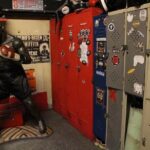
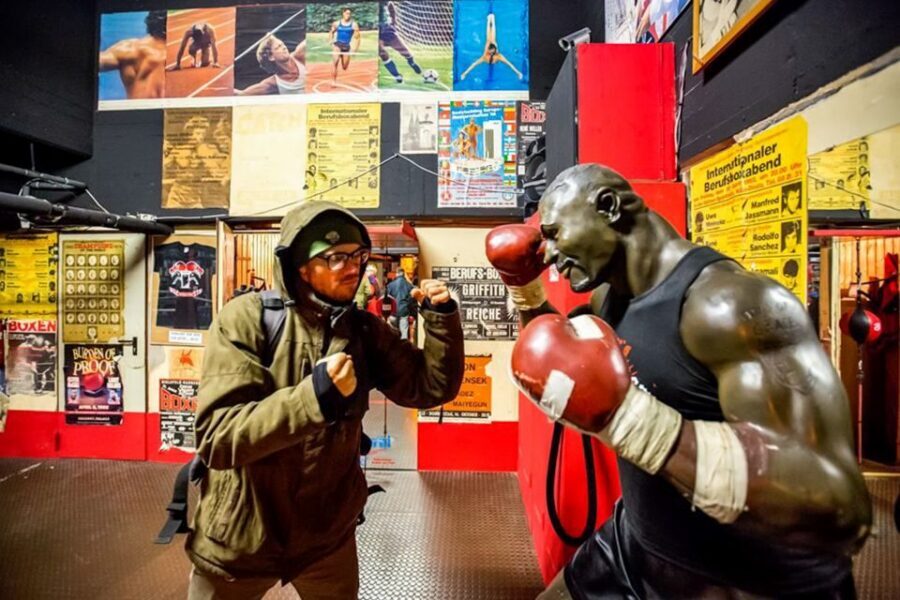
The standout stop is Zur Ritze, with a photo moment and then more guided time (about 20 minutes). This is the cult bar tied to boxing legends, and it’s one of the reasons this tour isn’t just “walk and hear stories.”
Here’s the practical consideration you need to plan around: the tour mentions a rare opportunity to go into the boxing cellar, and the owner expects you to buy a drink. The data says you should prepare cash, and that the drink is from 3 EUR.
So, don’t treat Zur Ritze like a free attraction. Think of it as the “pay the entry with a drink” moment that keeps the cellar open for tours. If you’re counting exact spending, stash a few euros in advance.
Also, guides like Axel and Johanna are described as particularly good at turning the boxing angle into something that feels connected to the neighborhood, not just celebrity trivia. You’ll hear about boxing names associated with the clubs and why that culture mattered locally.
Große Freiheit and the final bar: how the tour ends without dragging
Next comes Große Freiheit for photo stop time (about 15 minutes). This is a classic St. Pauli street-name moment—one where the guide’s narration helps you see past the headline reputation.
Finally, the route includes a local bar stop with guided time and welcome refreshments (about 20 minutes). You’ll also have the included drink from the tour here, since the package includes 1 alcoholic drink overall.
One detail pulled from the experience accounts is that warm drinks like glühwein show up on colder evenings. The key word is you might find something like that as part of the welcome refreshments, especially if the group goes in during chilly weather.
The tour concludes at Colibri-Club. That ending point is less about a long sit-down and more about giving you a clear finish line, so you can continue exploring on your terms.
How the guide style shapes the whole experience
This is one of those tours where the guide can make or break the evening. The experience information points to guides such as Axel, Toby, Johanna, and Roberta—and multiple accounts highlight that the guide doesn’t just list facts. They keep the group entertained and make the stories feel like street-level context.
You’ll also notice the tour covers a spread of topics: prostitution, boxing, gang fights, neighborhood pressure, and even small myth-busting questions. A strong guide connects the dots so it doesn’t become random shock value.
If you’re the type who likes asking questions, this format usually works well. The stories give you plenty of angles to follow without needing to prompt everything yourself.
Small practical tips so you enjoy it (and not just tolerate it)
A few practical moves help you get the most from this kind of walk:
- Bring your passport or ID card. It’s specifically listed as something you should have.
- Have a small amount of cash ready for the Zur Ritze cellar drink expectation.
- Wear shoes that handle uneven pavement and steady walking. Two hours sounds short until you’re on a constant route.
- Take photos at the stops marked for photos, but keep moving. The best moments are the ones where you’re listening while you’re looking.
And one more mindset tip: if mature topics make you uncomfortable, you can still enjoy the tour for the “how neighborhoods work” angle—rules, enforcement, economy, and cultural identity—without turning it into a lecture you can’t process.
Who this tour is best for
This is a good fit if you want a guided walk that turns a notorious neighborhood into understandable context. It’s especially suitable for:
- Adults who like history told through street-level landmarks.
- Visitors who enjoy pop-culture connections like boxing lore and the St. Pauli music/venue vibe.
- Anyone who’d otherwise wander the Reeperbahn and miss the “why.”
It may not be the best choice if you want a family-friendly atmosphere or a purely scenic stroll. This area is famous for adult themes, and the tour does not pretend otherwise.
Should you book the Hamburg Reeperbahn adults-only tour?
I’d book it if you want a short, focused evening with landmark stops, a strong guide, and a drink included. The $29 price feels sensible because the tour packs in multiple key points in about two hours, plus a drink and a rare cellar experience at Zur Ritze.
I would pause if you’re sensitive to adult subject matter or you dislike spending extra cash on a compulsory drink moment (the cellar drink expectation). If you’re okay with that trade-off, you’ll likely end the night with a clearer understanding of how the Reeperbahn became famous—and why it still pulls people in.
If you want, tell me your travel dates and whether you prefer English or German, and I can suggest how to slot the 2-hour timing into an evening in Hamburg.
FAQ
How long is the Hamburg Reeperbahn adults-only tour?
The tour lasts 2 hours.
How much does the tour cost?
It costs $29 per person.
What’s included in the price?
You get a guided tour of the red light district and 1 alcoholic drink.
What do I need to bring?
Bring your passport or ID card.
Is the tour available in English?
Yes. The guide languages listed are English and German.
Where does the tour start?
The meeting point may vary depending on the option booked, with starting locations in the St. Pauli area (including U St. Pauli).
Do I need extra money during the tour?
Yes. If you go into the boxing cellar under Zur Ritze, the owner expects you to buy a drink, from 3 EUR.
Can I reserve without paying immediately, and can I cancel?
You can reserve now and pay later, and you can cancel up to 24 hours in advance for a full refund.