REVIEW · HAMBURG
Dialogue in the dark (tour in German)
Book on GetYourGuide →Operated by Dialoghaus Hamburg · Bookable on GetYourGuide
Silence, then a guide takes your arm. In Dialogue in the Dark in Hamburg, you step into familiar life with no sight, guided by blind hosts through a lightless exhibition for about 60 minutes. It’s not a theater trick. It’s a practical lesson in how much daily life depends on vision.
I love two things right away: the small group size (max 8) keeps the experience calm and personal, and the guides use everyday moments like walking and crossing streets to make the learning feel real. You’re also given a cane, so you’re not just guessing. You’re doing something physical and purposeful.
One drawback to consider: if you hate uncertainty or get very anxious when you can’t see, the first minutes can feel disorienting even with a safety-first approach.
In This Review
- Key things to know before you go
- How the Dialogue in the Dark experience works in Hamburg
- Everyday scenes in total darkness: what you’ll do and feel
- The dark bar and Q and A: turning confusion into understanding
- Price and value: is $28 for a 60-minute dark tour worth it?
- Soccer in the dark: HSV theme tours you can catch sometimes
- Practical logistics that affect your experience
- Who should book this in Hamburg (and who might pause first)
- Should you book Dialogue in the Dark in Hamburg?
- FAQ
- How long is the Dialogue in the Dark tour?
- What language is the tour offered in?
- What is the group size?
- Is Dialogue in the Dark wheelchair accessible?
- What’s included in the $28 ticket price?
- Are drinks included at the dark bar?
- Are flash photos allowed during the experience?
- Is there an HSV soccer-themed version of the tour?
- In The Dark: Final thought
Key things to know before you go
- Max 8 people in your group, so you get more time with the guide
- German-language tour with blind hosts guiding you through the exhibition
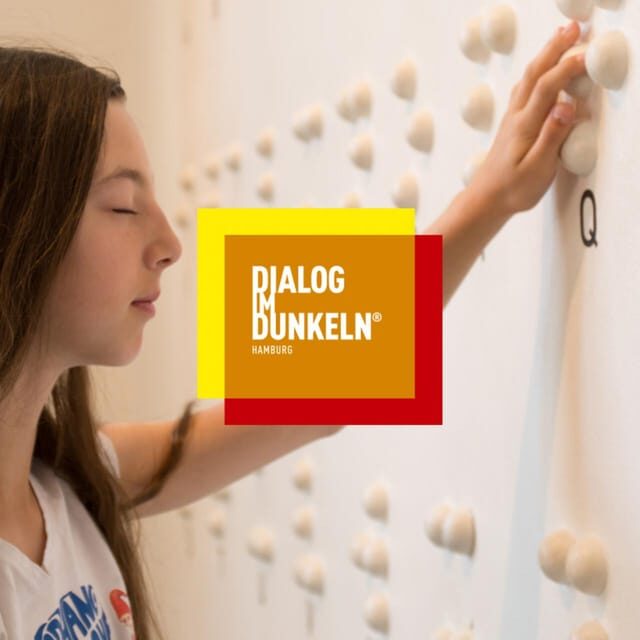
- Long cane helps you learn the space and move through it safely
- Everyday scenarios turn into a new experience: parks, streets, and a bar
- Dark bar Q and A at the end lets you ask whatever came up during the tour
- HSV soccer-themed tours run at selected times for football fans
How the Dialogue in the Dark experience works in Hamburg
Dialogue in the Dark is staged like a set of normal life moments, but with one key rule: you go through the exhibition without sight. You’ll enter the Dialoghaus Hamburg and meet your German-speaking guide, then move with a small group of up to eight participants. The total tour time is about 1 hour, and it ends in a dark bar area where you can keep the conversation going.
What makes this experience genuinely useful is the structure. You’re not just sitting in a dark room. You’re walking through scenes that feel familiar, like moving through an outdoor path or crossing something like a street, while your blind hosts guide you. You also use a long cane, which changes the whole way you navigate space. Instead of watching, you listen, feel, and build a mental map from touch and sound.
Safety matters here. The format is designed so you can trust your guide and learn step-by-step. The goal isn’t to test you. It’s to help you notice what you normally take for granted every day, from how you start walking to how you decide where you are.
Other art museums and gallery tickets in Hamburg



Everyday scenes in total darkness: what you’ll do and feel
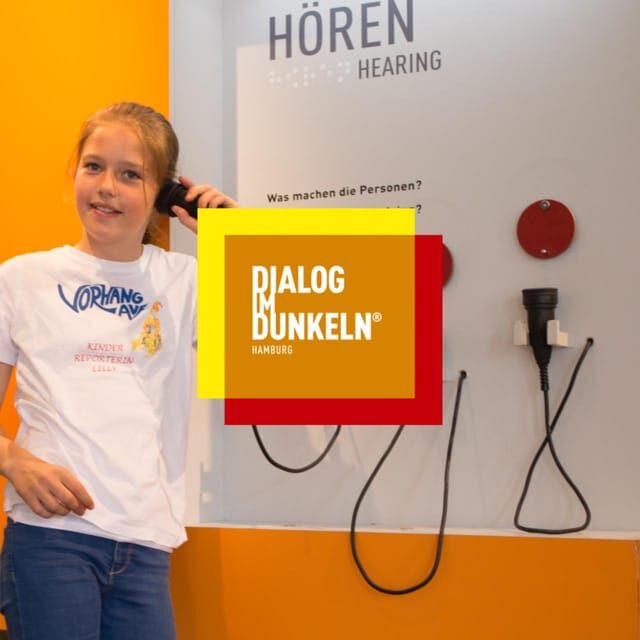
The exhibition moves through everyday situations that become unfamiliar once you remove sight. Expect the tour to feel like guided transitions: you move from one scenario to another with your cane, following your guide’s instructions. The experience is built around the idea that the world can still make sense, but only if you shift your attention.
In practical terms, you’ll likely notice three big changes.
First, sounds become your directions. Footsteps, the guide’s voice, and changes in the environment start to matter more than you expect. Second, your sense of distance can surprise you. In light, you judge space with your eyes. In dark, you learn distance through contact and the rhythm of movement.
Third, you start to feel how much people rely on routine cues. In a park-like area or when crossing a street-like space, you may realize how much you depend on visual signals that are invisible here. That realization is the whole point, and it tends to land quickly.
A helpful mindset: treat it like a guided practice. You don’t have to be perfect. Your job is to stay present, follow your guide, and let the cane do its work. If you go in expecting to fully control the experience, you might feel frustrated. If you go in ready to learn, it feels empowering.
The dark bar and Q and A: turning confusion into understanding
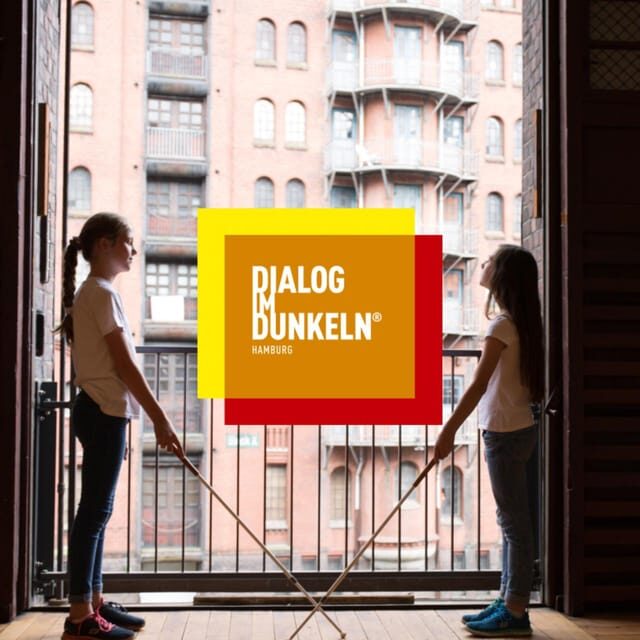
What I really like about Dialogue in the Dark is that it doesn’t end when the lights come back on. It ends in the dark bar, where you can ask questions that came up during the tour. Drinks aren’t included, but you’ll have the option to order something while you talk.
This is where the experience becomes more than a short shock. You can connect what you felt in the dark to real-life details. You can ask about how a blind person handles everyday tasks, how navigation works, or what surprised you during the walking scenes. The guide’s job in this part is to help you sort the experience into clear, human answers.
One review specifically highlighted a guide named Mario, praised for leading through the stations with humor and confidence and then answering questions patiently. That kind of guide presence matters. It turns the dark part from a mystery into a conversation.
If you want value, come prepared with at least one question. Even something simple like what the guide noticed most in your group, or what you should pay attention to as you walk, can lead to an answer you’ll remember.
Price and value: is $28 for a 60-minute dark tour worth it?
At $28 per person for about 1 hour, Dialogue in the Dark isn’t a long attraction. It’s also not a museum you can browse at your own speed. So the value question is fair.
Here’s how I’d judge it: you’re paying for a structured, sensory learning experience that’s led by blind hosts and built around real, everyday situations. You’re also paying for guided support. The tour is small-group, limited to eight participants, and it includes entrance to Dialoghaus Hamburg plus a guided tour. That means you’re not just buying “a place in line.” You’re buying time with the people who designed the experience and who run it.
Compared to cheaper entertainment, the emotional cost is higher and the payoff is deeper. You’re likely to walk out thinking about your own habits in a new way. It can also be a good conversation starter afterward, because the dark bar Q and A gives you a chance to turn curiosity into insight.
The one cost that’s on you: drinks aren’t included. If you plan on staying awhile in the dark bar, budget a little extra.
Soccer in the dark: HSV theme tours you can catch sometimes
If you’re a football fan, watch for the HSV theme tour offered at selected times. These tours keep the same concept of guided movement in darkness, but the content shifts toward soccer culture. Your blind hosts guide you through a lightless exhibition course that includes a soccer museum and a recreated Volksparkstadion of HSV.
What’s interesting here is how the tour reframes fandom. In daylight, you might associate stadium culture with sight: banners, crowds, pitch views, camera angles. In darkness, it’s harder to treat it as pure spectacle. Instead, you’re more likely to notice how sound, atmosphere, and community energy carry the experience. The tour still ends at the dark bar, where you can learn more about life as a blind soccer fan and ask your questions.
If you don’t care about HSV or football, the standard Dialogue in the Dark format still works great. But if you’re a fan, the theme can make it feel extra relevant, and it gives you more specific angles for questions.
Other German-language tours in Hamburg





Practical logistics that affect your experience
This is a German-language tour, so it’s best if you’re comfortable following instructions in German. The guided format and the dark bar Q and A depend on communication, and the experience is designed around what you can hear and understand.
Group size is capped at eight participants, which is a big deal in darkness. It reduces waiting and helps your guide keep everyone oriented. A bigger group can feel chaotic in light. In darkness, it can feel stressful. Here, the format aims to avoid that.
One firm rule: no flash photography. That’s not just for etiquette. In a dark environment, flashes can ruin the experience for everyone and interfere with how the guides run the exhibition.
Also, expect the tour to be timed. The duration is fixed at about 1 hour, and starting times vary, so check availability before you plan your day.
Finally, it’s wheelchair accessible, which matters. If you use a wheelchair, you can still book with confidence, but you should still choose starting times that fit your schedule and allow for a smooth arrival.
Who should book this in Hamburg (and who might pause first)
I think Dialogue in the Dark is a strong choice if you want a hands-on experience, not a passive one. It fits well for travelers who like learning through doing. It’s also a good pick for people who enjoy empathy-focused travel that doesn’t preach.
It’s especially smart if you want something different from the usual Hamburg checklist. Yes, Hamburg has plenty of sights. But this is a change of perspective that stays with you, because you experience the shift in senses directly.
Who should consider skipping or at least thinking twice? If you strongly dislike being unable to see, or if you get very anxious in unfamiliar environments, the first stage may feel intense. Even with safety and a guide, the absence of sight changes your body’s sense of control.
One more fit check: this tour is in German. If you rely on English, you may not get the same level of understanding, especially during the Q and A part.
Should you book Dialogue in the Dark in Hamburg?
If you’re deciding whether this is worth your time and money, I’d say book it if you like practical, experience-based learning and you’re curious about how everyday life changes without vision. The included guided tour plus the dark bar Q and A gives you a chance to process what you felt, not just survive it.
Also, the pricing makes sense for what you get: $28 for about an hour with blind hosts, a cane-based navigation experience, and entry to the Dialoghaus Hamburg. Add that you can plan flexibly with free cancellation up to 24 hours in advance and a reserve now, pay later option.
If you decide to go, come in ready to listen. Ask one real question in the dark bar. Treat it like a learning session with people who live the experience every day. That attitude is what turns darkness from scary into meaningful.
FAQ
How long is the Dialogue in the Dark tour?
The tour lasts about 1 hour.
What language is the tour offered in?
The guided tour is in German.
What is the group size?
Groups are limited to a maximum of 8 participants.
Is Dialogue in the Dark wheelchair accessible?
Yes, it’s wheelchair accessible.
What’s included in the $28 ticket price?
Your ticket includes entrance to Dialogue House (Dialoghaus Hamburg) and a guided tour.
Are drinks included at the dark bar?
No. Drinks are not included.
Are flash photos allowed during the experience?
No, flash photography is not allowed.
Is there an HSV soccer-themed version of the tour?
Yes, at selected times there is an HSV theme tour focused on soccer, including a soccer museum and a recreated Volksparkstadion of HSV.
In The Dark: Final thought
Dialogue in the Dark in Hamburg is short, structured, and surprisingly practical. You’ll leave with a new respect for how people navigate daily life without sight, and you’ll get to ask questions while you’re still in that mindset at the dark bar. If that sounds like your kind of travel, this is a smart booking.